Explore cutting-edge decorative masonry trends transforming Long Island outdoor spaces, from sustainable materials to multifunctional designs.
Share:
Summary:
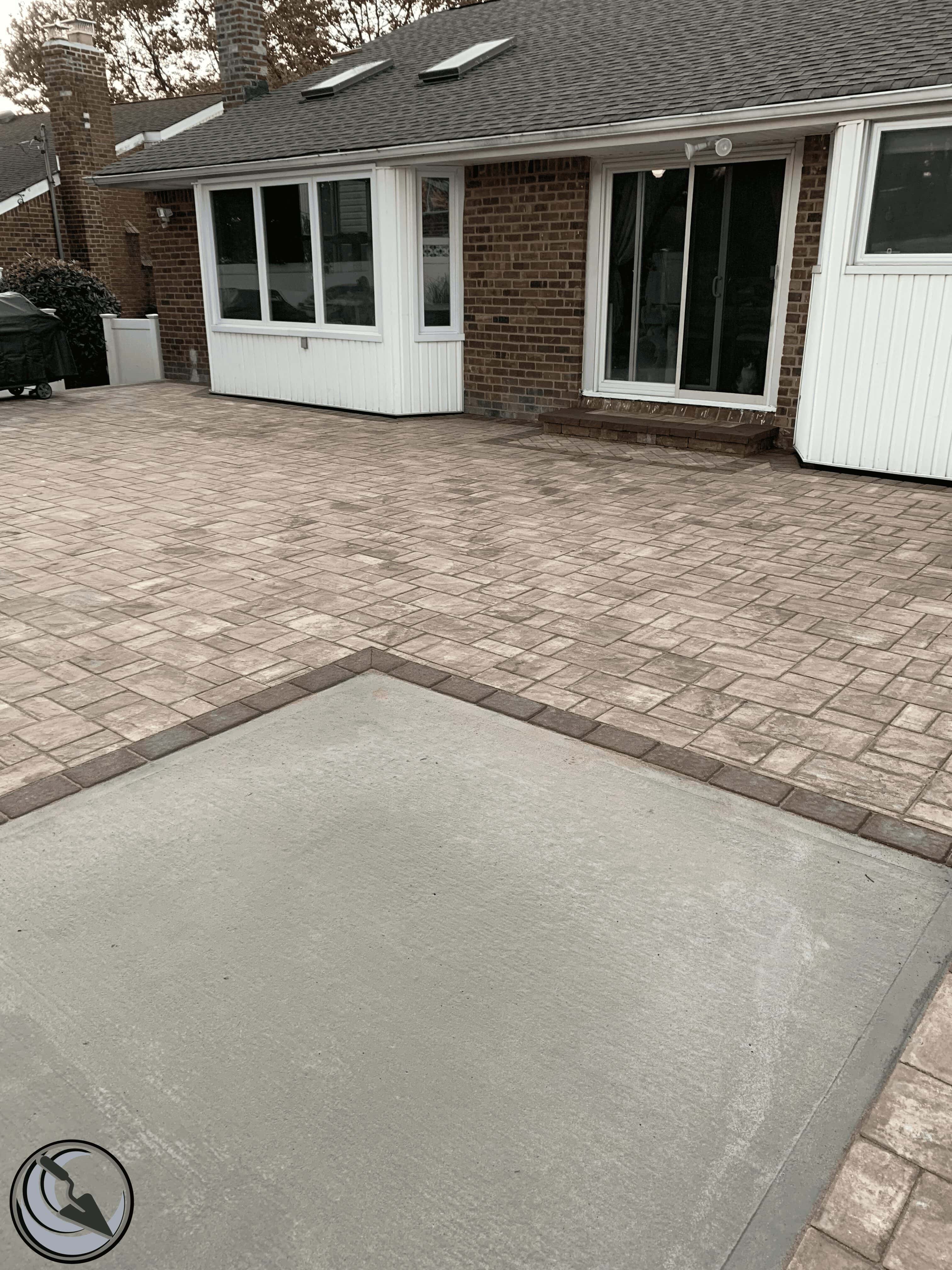
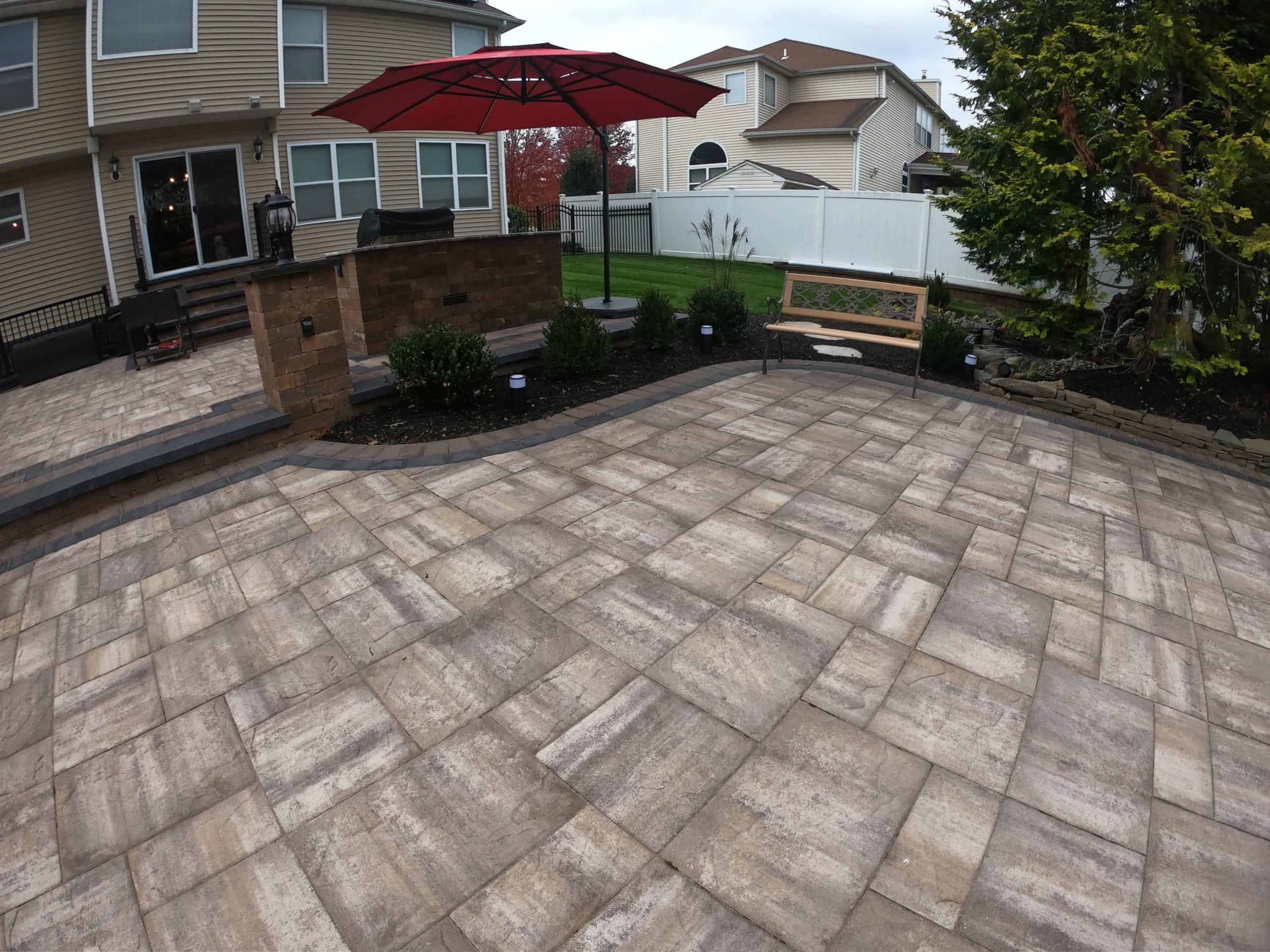
Large-format pavers create a smooth, open feel with fewer seams, providing a sophisticated and minimalist appearance that makes patios, driveways, and walkways feel more spacious and elegant. You’re seeing these oversized stones everywhere because they solve multiple problems at once.
The integration of metals like aluminum, along with wood and glass alongside traditional masonry materials such as brick and stone, creates dynamic facades that catch the eye and stimulate interest. This isn’t just aesthetic experimentation—it’s about creating outdoor spaces that feel intentionally designed rather than thrown together.
The mixed-material approach works particularly well on Long Island because it allows you to address different functional needs within the same space while maintaining visual cohesion.
Large-format pavers work beautifully in both modern and classic homes, creating a streamlined and luxurious look that complements coastal and suburban landscapes. But there’s more to it than appearance.
With fewer joints per square foot, you’re getting better structural integrity against our freeze-thaw cycles. When water gets into joints and freezes, it expands and can cause shifting or cracking. Larger pavers mean fewer vulnerable points, which translates to longer-lasting installations that require less maintenance over time.
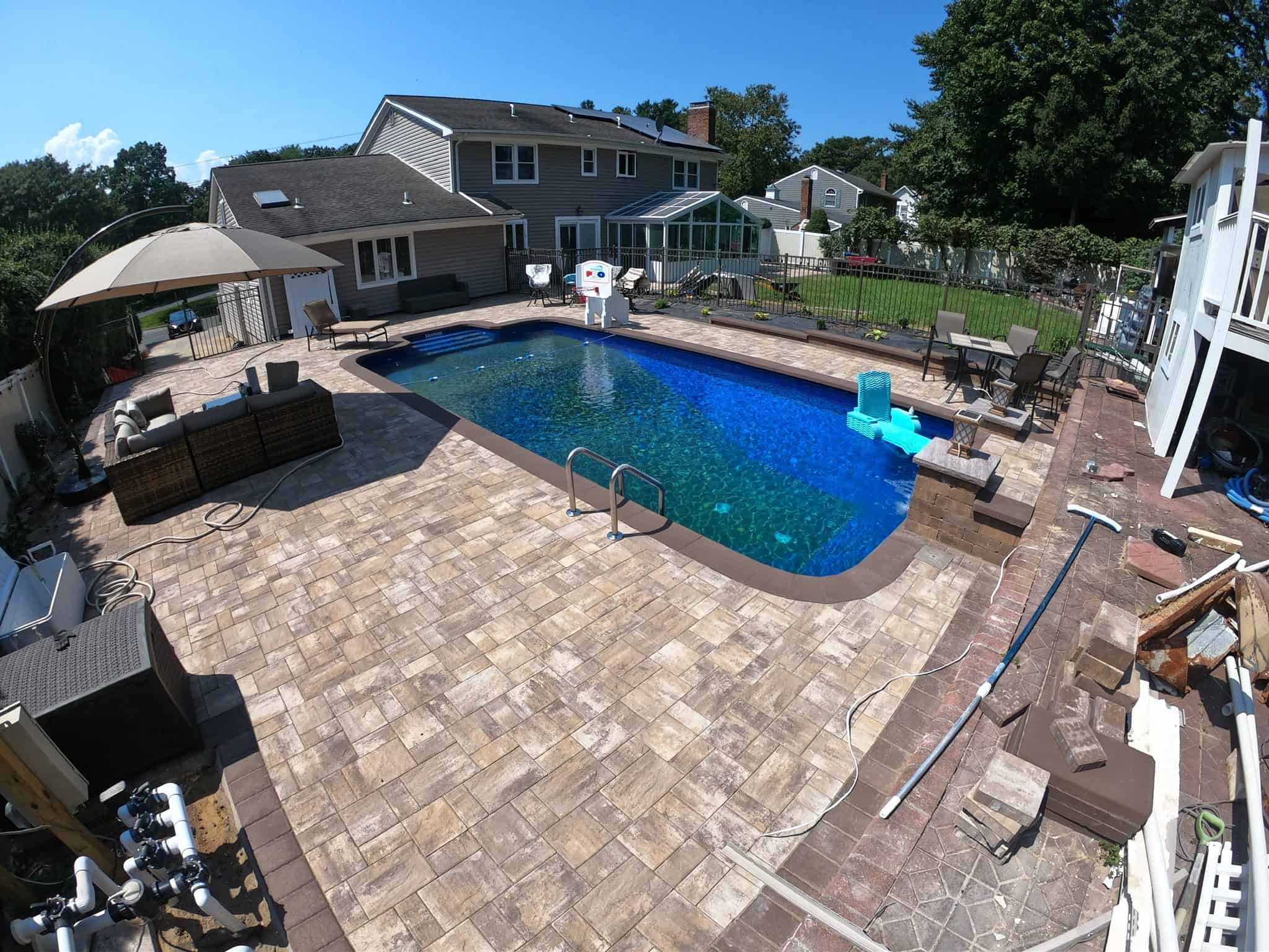
Permeable pavers allow rainwater to drain into the ground, reducing runoff and preventing flooding, which is especially beneficial for Long Island’s coastal areas. This addresses one of the biggest challenges you face here—managing water flow around your property during heavy rains and storm surges.
The installation process for large-format pavers also allows for better base preparation. With proper excavation to 8-10 inches and appropriate base layering, these installations can handle the soil movement and moisture fluctuations that are common in our sandy coastal environment. You’re not just getting a prettier patio; you’re getting a solution that works with Long Island’s specific conditions rather than fighting against them.
Large-format pavers work beautifully in both modern and classic homes, creating a streamlined and luxurious look that complements coastal and suburban landscapes. But there’s more to it than appearance.
With fewer joints per square foot, you’re getting better structural integrity against our freeze-thaw cycles. When water gets into joints and freezes, it expands and can cause shifting or cracking. Larger pavers mean fewer vulnerable points, which translates to longer-lasting installations that require less maintenance over time.
Permeable pavers allow rainwater to drain into the ground, reducing runoff and preventing flooding, which is especially beneficial for Long Island’s coastal areas. This addresses one of the biggest challenges you face here—managing water flow around your property during heavy rains and storm surges.
The installation process for large-format pavers also allows for better base preparation. With proper excavation to 8-10 inches and appropriate base layering, these installations can handle the soil movement and moisture fluctuations that are common in our sandy coastal environment. You’re not just getting a prettier patio; you’re getting a solution that works with Long Island’s specific conditions rather than fighting against them.
Sustainability is driving projects in a big way, from material selection to drainage strategies, with reclaimed and recycled materials becoming staple pieces, particularly old brick and natural stone. But this isn’t just about environmental consciousness—it’s about creating installations that last longer and perform better.
Materials that perform well in specific environments, like freeze-thaw resistant stone in colder climates, and durable, low-maintenance stones that can withstand all temperatures while holding their beauty are more in demand than ever. You need solutions that work with Long Island’s unpredictable weather patterns, not against them.
Rainwater management is becoming a priority, with permeable pavers and slabs proving to be innovative and effective solutions, arriving in 60mm and 90mm sizes for absorbing and filtering rainwater while reducing flood risk in urban environments.
Your Long Island property faces unique water management challenges. When soil becomes saturated with water, it creates intense pressure against foundation walls, with Long Island’s rainfall and dense soil composition making homes particularly vulnerable to this destructive force.
Permeable paving systems work by allowing water to infiltrate through the surface and into a properly designed base system that manages drainage. This isn’t just about preventing puddles on your patio—it’s about protecting your foundation and preventing the hydrostatic pressure that can cause serious structural issues.
The installation requires specific expertise in base preparation and drainage design. You need proper grading, aggregate selection, and understanding of local soil conditions to make these systems work effectively. When done correctly, permeable paving reduces runoff, prevents erosion, and actually helps recharge groundwater rather than overwhelming storm drains during heavy rainfall events.
The allure of vintage and rustic aesthetics continues to thrive, with reclaimed bricks and natural stone providing authentic patina and texture that new materials cannot replicate. But beyond the aesthetic appeal, there are practical advantages to consider.
Reclaimed brick and stone have already proven their durability by surviving decades or centuries of weather exposure. These materials have been through multiple freeze-thaw cycles and have demonstrated their ability to withstand local conditions. When you choose reclaimed materials, you’re selecting options that have a track record of performance.
Alongside these traditional looks, bold geometric patterns are making a strong statement, from intricate brickwork that creates optical illusions to striking stone layouts that serve as large-scale art pieces, contributing modern flair while offering both historical nods and contemporary boldness.
The sustainability aspect goes beyond just reusing materials. Reclaimed options often have lower embodied energy compared to newly manufactured products, and they help preserve the character of regional building traditions. For Long Island properties, incorporating reclaimed materials can connect your outdoor space to the area’s architectural heritage while providing proven performance in local conditions.
Masonry is at the heart of multifunctional, all-season spaces, with fireplaces and fire pits more popular than ever, serving as cozy focal points for year-round entertainment alongside built-in seating, planters, and even pizza ovens thoughtfully incorporated into walls and hardscapes.
The trend toward year-round outdoor living makes sense for Long Island homeowners who want to maximize their investment in outdoor spaces. Masonry plays a crucial role in seamless indoor-outdoor transitions by using materials that easily transition from exterior to interior, enhancing aesthetic flow and expanding living spaces while making them feel more integrated with natural surroundings.
When you work with an experienced masonry contractor who understands local conditions and building techniques, you’re investing in outdoor spaces that truly extend your living area throughout the seasons. We at Stone Escapes Masonry & Outdoor Design Inc specialize in creating these functional, beautiful outdoor environments that work with Long Island’s unique climate and soil conditions rather than fighting against them.
Article details:
Share:
Continue learning: