Discover how outdoor fire features can transform your Long Island backyard into a cozy year-round retreat perfect for entertaining and family gatherings.
Share:
Summary:
Let’s be honest about Long Island weather. We love living here, but our outdoor season is frustratingly short. Most evenings, even in late spring and early fall, get chilly enough to drive you indoors just when you want to be outside enjoying your property.
That’s where outdoor fire pits change everything. Unlike indoor fireplaces that heat just one direction, fire pits radiate warmth in all directions, creating a comfortable zone that can extend 8-10 feet around the fire. This means you can actually use your patio, deck, or backyard space when the temperature drops into the 50s or even 40s.
The beauty of a well-designed fire pit goes beyond just warmth. It becomes a natural gathering point that draws people together, encouraging conversation and creating the kind of relaxed atmosphere that makes evenings memorable.
Installing a fire pit in Suffolk County isn’t the same as installing one in other parts of the country. Our sandy soil, coastal moisture, and drainage challenges require specific techniques that many contractors either don’t know about or choose to skip.
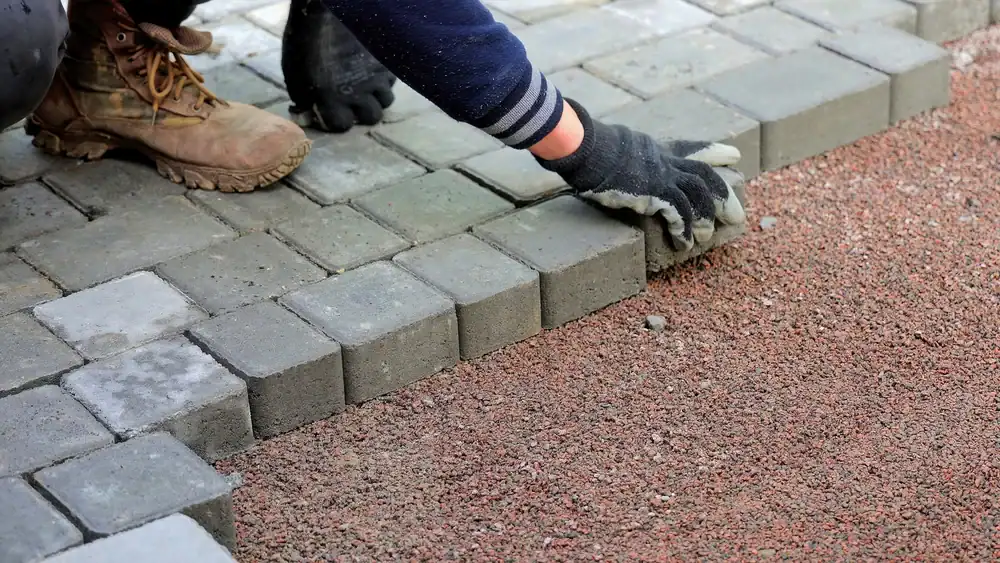
Here’s what proper Long Island installation looks like. First, excavation needs to go down 8-10 inches, not the 4-6 inches you might see elsewhere. This accounts for our sandy soil conditions and helps prevent settling. The base layer is critical—it’s not just about throwing down some gravel and calling it good. You need proper drainage planning because our frequent storms and high water table can cause major problems if water doesn’t have somewhere to go.
Edge restraint installation is another crucial step that gets overlooked. Without proper edge restraints, our freeze-thaw cycles will cause shifting and cracking over time. The materials need to be chosen specifically for coastal conditions too. Not all pavers and stones can handle the salt air and moisture levels we deal with here.
This is why working with us matters—we understand Long Island’s unique conditions. When it’s done right, your fire pit will look great and function properly for decades. When it’s done wrong, you’ll be dealing with drainage issues, settling, and expensive repairs within a few years.
Installing a fire pit in Suffolk County isn’t the same as installing one in other parts of the country. Our sandy soil, coastal moisture, and drainage challenges require specific techniques that many contractors either don’t know about or choose to skip.
Here’s what proper Long Island installation looks like. First, excavation needs to go down 8-10 inches, not the 4-6 inches you might see elsewhere. This accounts for our sandy soil conditions and helps prevent settling. The base layer is critical—it’s not just about throwing down some gravel and calling it good. You need proper drainage planning because our frequent storms and high water table can cause major problems if water doesn’t have somewhere to go.
Edge restraint installation is another crucial step that gets overlooked. Without proper edge restraints, our freeze-thaw cycles will cause shifting and cracking over time. The materials need to be chosen specifically for coastal conditions too. Not all pavers and stones can handle the salt air and moisture levels we deal with here.
This is why working with us matters—we understand Long Island’s unique conditions. When it’s done right, your fire pit will look great and function properly for decades. When it’s done wrong, you’ll be dealing with drainage issues, settling, and expensive repairs within a few years.
Creating a cozy outdoor living room isn’t just about adding a fire feature—it’s about designing a complete space that feels intentional and comfortable. The fire feature should be the anchor, but everything else needs to work together to create that indoor comfort level outdoors.
Start with your seating arrangement. You want to create conversation zones that feel intimate but not cramped. A good rule of thumb is to keep seating 6-8 feet from the fire for optimal warmth without being too hot. Consider built-in seating walls that can double as storage, or arrange moveable furniture that gives you flexibility for different occasions.
Don’t forget about the practical elements that make outdoor spaces actually usable. Lighting is crucial—you need enough ambient lighting to move around safely and create atmosphere, but not so much that it competes with the fire’s glow. Storage for firewood, cushions, and outdoor essentials keeps everything organized and accessible.
The best outdoor living rooms have distinct zones that serve different purposes, just like indoor spaces. Your fire feature area should be the main gathering zone, but consider what other activities you want to accommodate.
A dining zone positioned near but not directly next to the fire gives you flexibility for outdoor meals. You might want the warmth and ambiance of the fire, but you don’t want smoke interfering with dinner. Position dining furniture 10-12 feet away from the fire pit, close enough to benefit from the warmth but far enough to avoid any smoke issues.
Consider creating a prep zone if you plan to do any outdoor cooking. This doesn’t have to be a full outdoor kitchen—even a simple side table or cart positioned strategically can make outdoor entertaining much more enjoyable. Having a designated spot for drinks, snacks, or s’mores supplies keeps everything organized and prevents constant trips back to the house.
Think about traffic flow between these zones too. You want clear pathways that don’t require people to walk behind others who are seated or block access to the fire for adding wood. Good zone planning makes your outdoor space feel larger and more functional, even in smaller backyards.
Living near the water means your outdoor fire features need to stand up to salt air, moisture, and temperature fluctuations that inland areas don’t deal with. Not all materials are created equal when it comes to Long Island’s coastal conditions.
Natural stone options like bluestone and granite perform exceptionally well in our climate. They resist moisture absorption and handle freeze-thaw cycles without cracking. Manufactured pavers from quality companies like Cambridge, Techo-Bloc, and Unilock are specifically engineered to handle these conditions and often come with warranties that cover coastal installations.
Avoid materials that are prone to moisture absorption or salt damage. Some cheaper concrete products and certain natural stones can deteriorate quickly in our environment. The upfront cost difference between quality materials and budget options becomes insignificant when you consider replacement costs and the hassle of dealing with failing installations.
For fire pit construction, steel fire rings need to be marine-grade or they’ll rust out within a few seasons. Gas lines and connections require special attention to prevent corrosion from salt air. These details matter more here than they would in other climates, and they’re often what separates installations that last decades from ones that need constant maintenance or replacement.
When you invest in an outdoor fire feature, you’re not just buying a place to burn wood—you’re creating a space that extends your home’s living area and gives you months of additional outdoor enjoyment each year. The key is making sure it’s done right the first time.
Proper installation that accounts for Long Island’s unique conditions will give you decades of trouble-free use. Quality materials that can handle our coastal environment mean you won’t be dealing with repairs or replacements in a few years. And thoughtful design that considers how you actually want to use the space ensures you’ll get maximum enjoyment from your investment.
The difference between a fire feature that becomes the heart of your outdoor living space and one that sits unused comes down to understanding what works in our specific environment and lifestyle. When you’re ready to transform your backyard into a cozy outdoor living room that you can enjoy year-round, we have the expertise and experience to make it happen right.
Article details:
Share:
Continue learning: