Outdoor kitchens in Suffolk County need proper construction to survive coastal conditions. Learn what actually works and why most installations fail within seasons.
Share:
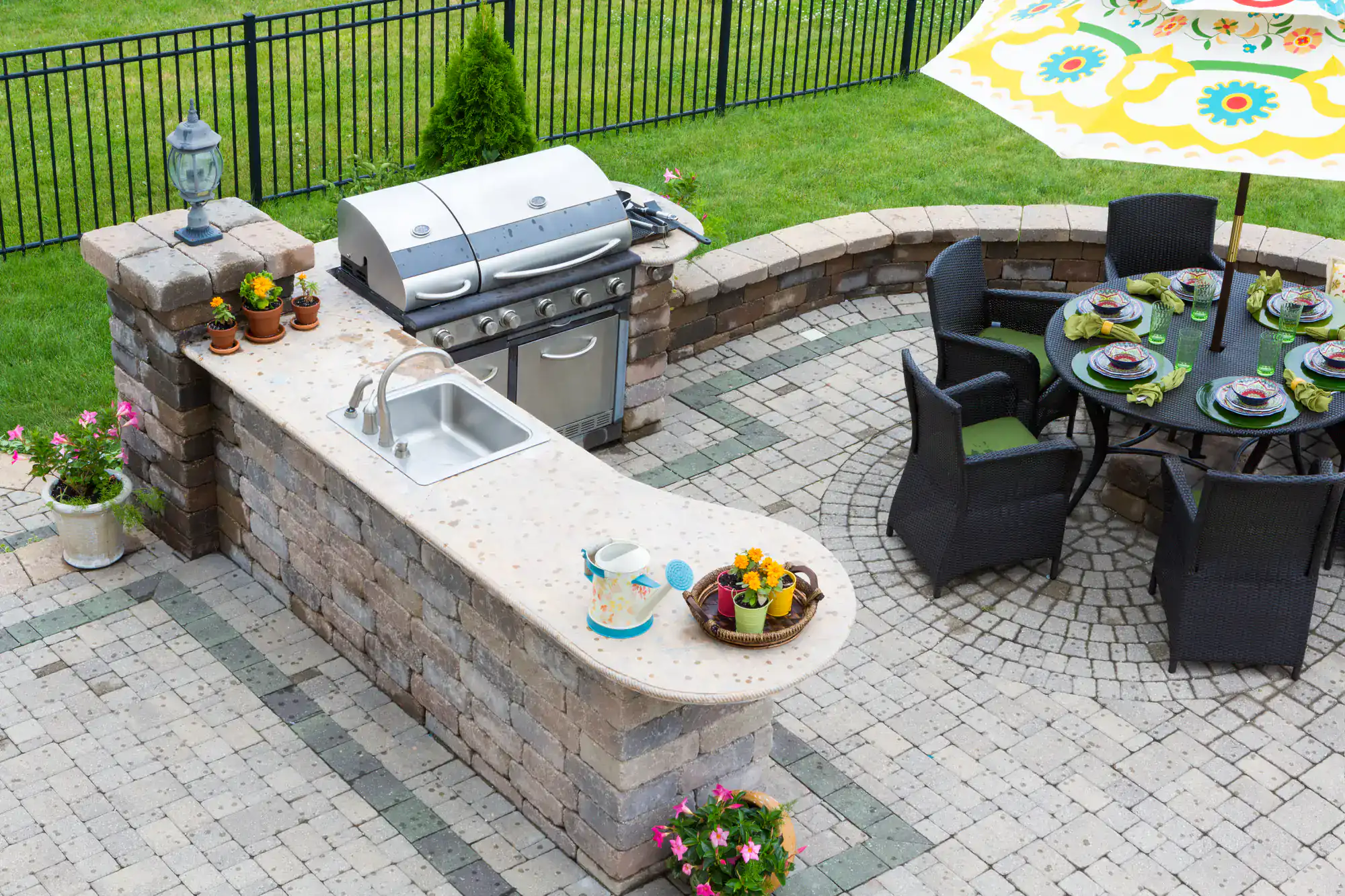
Summary:
Suffolk County isn’t like other places. The combination of sandy soil, salt air from the coast, and temperature swings from summer heat to winter freezing creates challenges that destroy standard outdoor kitchen installations.
Your soil doesn’t hold structures the way clay-based soil does. Water moves through sand quickly, but it also shifts and settles without proper base preparation. Coastal moisture accelerates corrosion on metal components and appliances. Winter freeze-thaw cycles crack improperly sealed surfaces and damage installations that weren’t built with these conditions in mind.
Most outdoor kitchens fail because contractors skip the foundation work that matters. They excavate 4-6 inches instead of the 8-10 inches needed for Long Island conditions. They don’t install proper drainage systems. They use materials rated for general outdoor use instead of coastal environments. Within two winters, you’re dealing with settling, cracking, and water damage that costs more to fix than building it right initially would have cost.
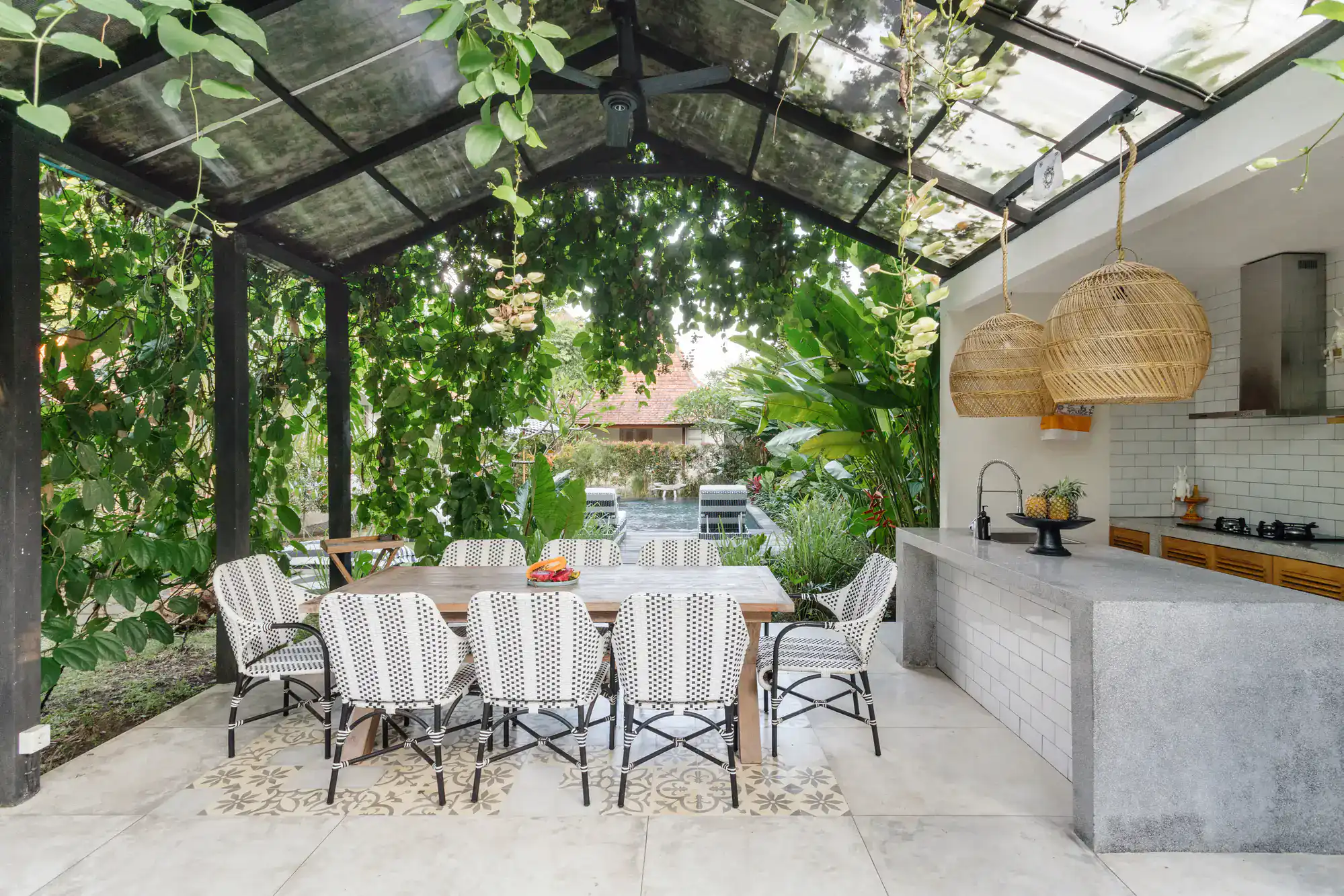
The foundation determines whether your outdoor kitchen lasts three years or thirty years. Suffolk County’s sandy soil requires excavation to 8-10 inches, not the 4-6 inches some contractors use to save time and money.
Proper excavation removes unstable topsoil and organic material that decomposes and causes settling. The excavated area gets filled with compacted base layers that create a stable platform. This process takes longer and costs more upfront, but it prevents the settling and cracking that plague shallow installations.
Drainage matters just as much as excavation depth. Long Island gets significant rainfall, and sandy soil means water moves quickly through the ground. Without proper drainage planning, water pools under your outdoor kitchen, causing frost heave in winter and undermining your base layers over time.
A well-designed drainage system directs water away from your outdoor kitchen structure. This includes proper grading so water flows away from the installation, not toward it. It includes drainage layers within the base that allow water to move through without pooling. Edge restraints prevent lateral movement that causes pavers and stones to shift.
These aren’t optional extras. They’re requirements for outdoor kitchens that survive Long Island conditions. Contractors who skip these steps deliver installations that look good initially but develop problems within the first few seasons. You end up paying twice—once for the initial installation and again for repairs or complete rebuilds.
The investment in proper excavation and drainage pays off through decades of use without major repairs. Your outdoor kitchen stays level, surfaces don’t crack from settling, and you avoid the water damage that destroys improperly built installations. This foundation work separates contractors who understand Long Island construction from those who treat outdoor kitchens like projects they’d build anywhere else.
Not all outdoor kitchen materials survive Suffolk County’s environment. You need materials specifically rated for freeze-thaw cycles, salt air exposure, and temperature swings from summer heat to winter cold.
Stainless steel appliances should be 304-grade minimum for corrosion resistance. Lower grades pit and corrode quickly in coastal environments. Your built-in grill, refrigerator, and other appliances need outdoor ratings, not just stainless steel construction. Indoor-rated appliances fail when exposed to moisture, temperature changes, and salt air.
Countertop materials need to handle temperature extremes without cracking. Granite, bluestone, and properly sealed concrete work well for Long Island conditions. These materials resist staining, handle freeze-thaw cycles, and maintain appearance through years of outdoor exposure. Cheaper alternatives crack during winter or stain from outdoor use.
Natural stone and high-quality pavers rated for northeastern weather provide durable surfaces that handle Long Island’s conditions. Manufacturers like Cambridge, Techo-Bloc, and Unilock design products specifically for freeze-thaw environments and back them with structural warranties when installed correctly. These materials cost more than basic options, but they last.
Weather-resistant cabinetry matters for storage areas. Standard wood cabinets warp and rot from moisture exposure. Marine-grade or polymer-based cabinetry handles humidity, temperature swings, and occasional rain without deteriorating. This adds to initial costs but eliminates replacement expenses.
Material selection affects maintenance requirements too. Marine-grade stainless steel needs less frequent cleaning to prevent corrosion compared to standard grades. Properly sealed natural stone counters need annual resealing but resist staining between treatments. Quality materials reduce the time and money you spend on upkeep.
The material cost difference between standard and coastal-rated options might be 15-25% higher initially. But standard materials failing within 3-5 years means replacement costs that far exceed the initial savings. Coastal-rated materials lasting 20-30 years with basic maintenance deliver better value despite higher upfront investment.
When we work with homeowners on outdoor kitchen projects, we recommend materials based on performance in coastal environments, not just appearance or initial cost. We explain why specific materials work for Long Island and which ones cause problems. This guidance helps you make informed decisions that protect your investment.
Your outdoor kitchen needs to match how you actually use your backyard, not just look good in photos. Suffolk County homeowners entertain from late spring through early fall, with some extending the season into cooler months.
Basic outdoor kitchens include a built-in grill, prep counter space, and storage. This setup works for casual grilling and small gatherings. More comprehensive installations add refrigeration, sinks, side burners, and specialized appliances like pizza ovens or warming drawers. The right combination depends on your cooking style and how often you entertain.
Layout affects functionality more than most people realize. L-shaped and U-shaped configurations create efficient work zones with everything within reach. Island layouts work well for larger spaces and create natural gathering areas where guests can sit and talk while you cook. The goal is keeping you connected to your guests instead of isolated in a cooking zone.
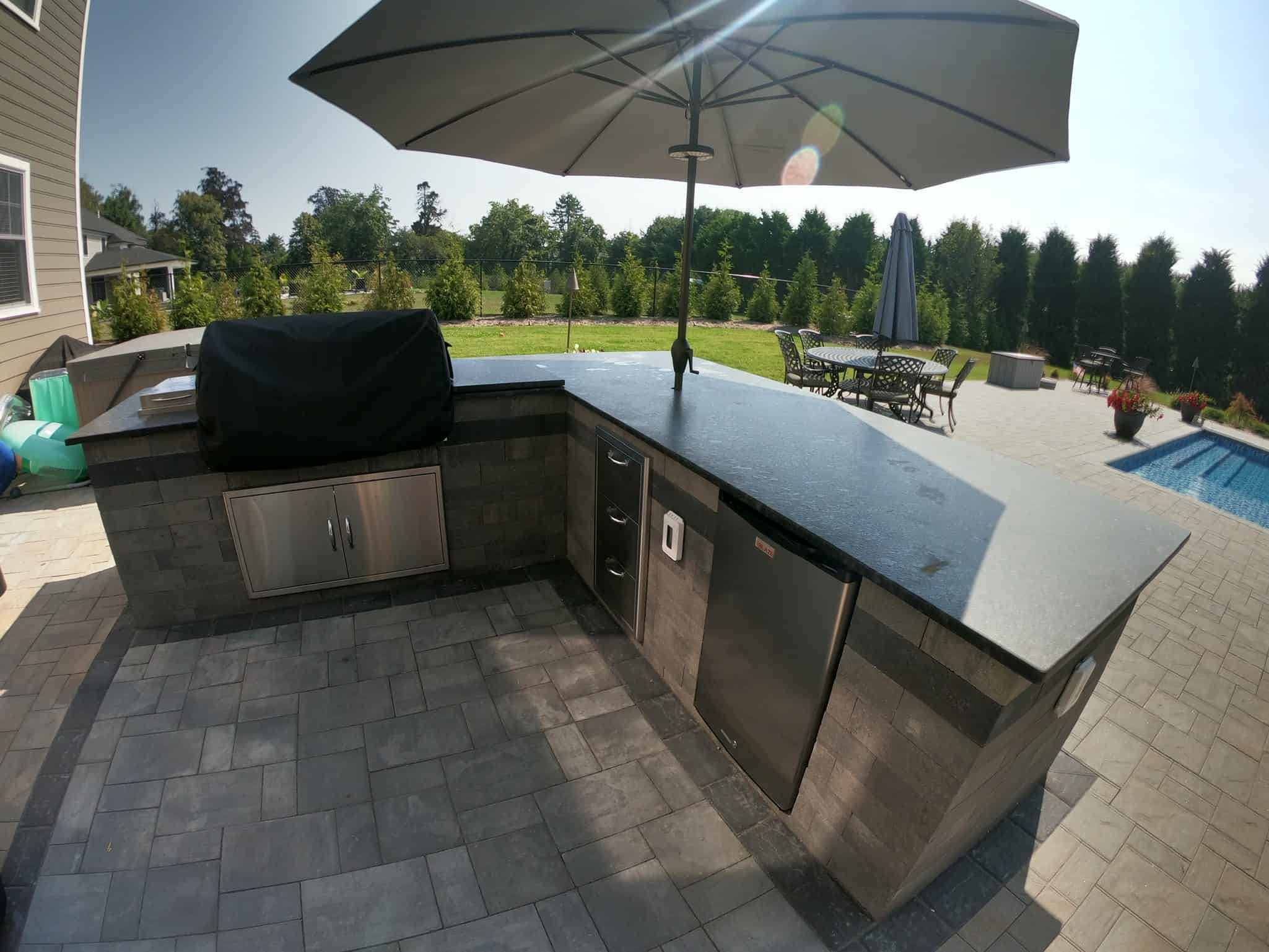
Built-in grills serve as the centerpiece of most outdoor kitchens. Quality matters here because you’re using this appliance frequently during outdoor cooking season. Professional-grade grills with multiple burners, rotisserie options, and infrared zones give you cooking versatility. Outdoor-rated models handle temperature swings and moisture better than standard grills.
Refrigeration keeps drinks cold and ingredients fresh without constant trips to your indoor kitchen. Outdoor refrigerators need weatherproof construction and insulation that handles temperature extremes. Undercounter models fit seamlessly into your outdoor kitchen layout. Some homeowners add beverage centers or wine coolers for entertaining.
Prep space matters more than most people initially think. You need landing areas on both sides of your grill for plating and food preparation. Countertop space for cutting boards, serving dishes, and cooking tools prevents the cramped feeling that makes outdoor cooking frustrating. Adequate prep space turns your outdoor kitchen into a functional cooking area, not just a grill with counters.
Storage solutions keep cooking tools, plates, and supplies organized and protected. Weather-resistant cabinets with proper seals prevent moisture damage to contents. Pull-out trash and recycling bins maintain a clean appearance and make cleanup easier. Dedicated storage for propane tanks (if not using natural gas) keeps them accessible but out of sight.
Sinks add convenience for food prep and cleanup. Outdoor-rated faucets and plumbing fixtures handle freeze-thaw cycles and occasional winter exposure. Hot and cold water connections make washing vegetables, rinsing dishes, and cleaning up realistic without running inside constantly. Proper drainage from sinks prevents water pooling issues.
Side burners expand your cooking options beyond the grill. You can sauté vegetables, heat sauces, or cook side dishes while grilling main courses. Quality side burners with adequate BTU output handle actual cooking tasks, not just warming. This feature gets used more than most homeowners expect once they have it.
Specialized additions like pizza ovens, smokers, or warming drawers depend on your cooking interests. Pizza ovens create restaurant-quality results and become conversation pieces during gatherings. Smokers let you prepare low-and-slow barbecue without babysitting a standalone unit. Warming drawers keep food at serving temperature during extended entertaining.
Lighting extends your outdoor kitchen’s usability into evening hours. Task lighting over prep areas and cooking surfaces provides adequate visibility for safe food handling. Ambient lighting creates atmosphere for evening gatherings. Low-voltage LED systems designed for outdoor use handle moisture and temperature changes while providing years of reliable operation.
Your outdoor kitchen shouldn’t exist in isolation from the rest of your backyard. Integration with patios, fire pits, and seating areas creates cohesive outdoor living spaces that flow naturally.
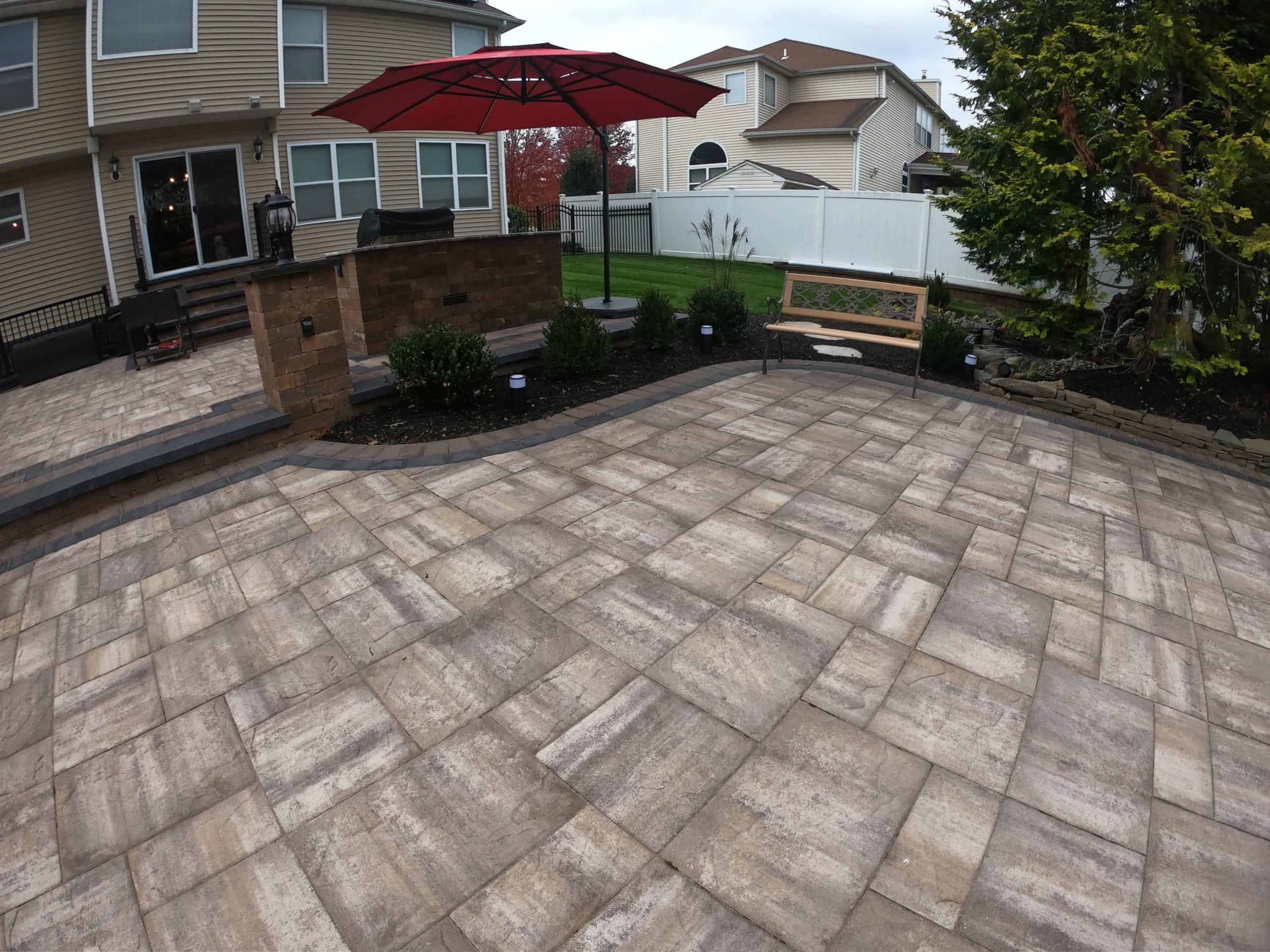
Paver patios provide the foundation for outdoor kitchen installations while extending entertainment space. Matching or complementary paver patterns connect your outdoor kitchen to dining areas and lounging zones. This visual continuity makes your backyard feel designed rather than pieced together. Proper patio installation includes the same excavation and drainage work that protects your outdoor kitchen.
Fire pits or fireplaces extend your outdoor season into cooler months. Positioning fire features near your outdoor kitchen creates a natural gathering flow. Guests can move between the cooking area and fire pit without feeling separated from the action. This setup works particularly well for fall entertaining when temperatures drop but outdoor cooking remains appealing.
Seating arrangements affect how people use your outdoor space. Bar-style seating at your outdoor kitchen counter keeps guests engaged with the cooking process. Separate dining areas with tables accommodate sit-down meals. Lounge seating near fire features provides comfortable spaces for after-dinner conversations. Multiple seating zones support different activities during gatherings.
Overhead coverage options like pergolas or pavilions protect your outdoor kitchen from weather while adding architectural interest. Partial coverage keeps rain off cooking areas while maintaining the open-air feel. Full coverage with solid roofing extends usability during light rain and provides shade during summer heat. Coverage decisions depend on how much weather protection you want versus maintaining an outdoor atmosphere.
Landscaping integration softens hardscape elements and creates privacy. Strategic plantings screen your outdoor kitchen from neighbors without blocking airflow. Container gardens near prep areas provide fresh herbs for cooking. Landscape lighting highlights pathways and creates ambiance after dark. Well-planned landscaping makes your outdoor kitchen feel like a natural extension of your property.
Utility planning during design prevents problems later. Gas lines, electrical connections, and water supply need proper placement for appliances and features. Running these utilities during initial construction costs less than adding them afterward. Proper utility installation includes safety features like shut-off valves and GFCI protection for electrical components.
The goal is creating outdoor living spaces that function as seamlessly as indoor rooms. Your outdoor kitchen becomes the heart of backyard entertaining, with patios, fire features, and seating areas supporting different activities. This integrated approach delivers more value than standalone outdoor kitchens that don’t connect with the rest of your property.
Outdoor kitchens increase your property value while transforming how you use your backyard. The difference between installations that deliver decades of use and those that fail within seasons comes down to understanding Suffolk County’s specific conditions.
Proper excavation to 8-10 inches, drainage systems designed for sandy soil, and materials rated for coastal environments protect your investment. These fundamentals cost more upfront but prevent the settling, cracking, and water damage that plague cheaper installations. Working with contractors who understand Long Island construction ensures your outdoor kitchen survives freeze-thaw cycles, salt air, and temperature extremes.
Your outdoor kitchen should keep you connected with guests instead of isolated during cooking. Thoughtful design with adequate prep space, quality appliances, and proper integration with patios and entertainment areas creates spaces you’ll actually use. The investment pays off through increased home value, extended outdoor living season, and gatherings where you’re part of the conversation instead of missing it. We build outdoor kitchens throughout Suffolk County with the proper foundation work, drainage systems, and material selection that Long Island conditions demand.
Article details:
Share:
Continue learning: