Not all masonry work is the same. Learn what professional contractors actually do, how they handle Long Island's soil and weather challenges, and when DIY becomes expensive.
Share:
Summary:
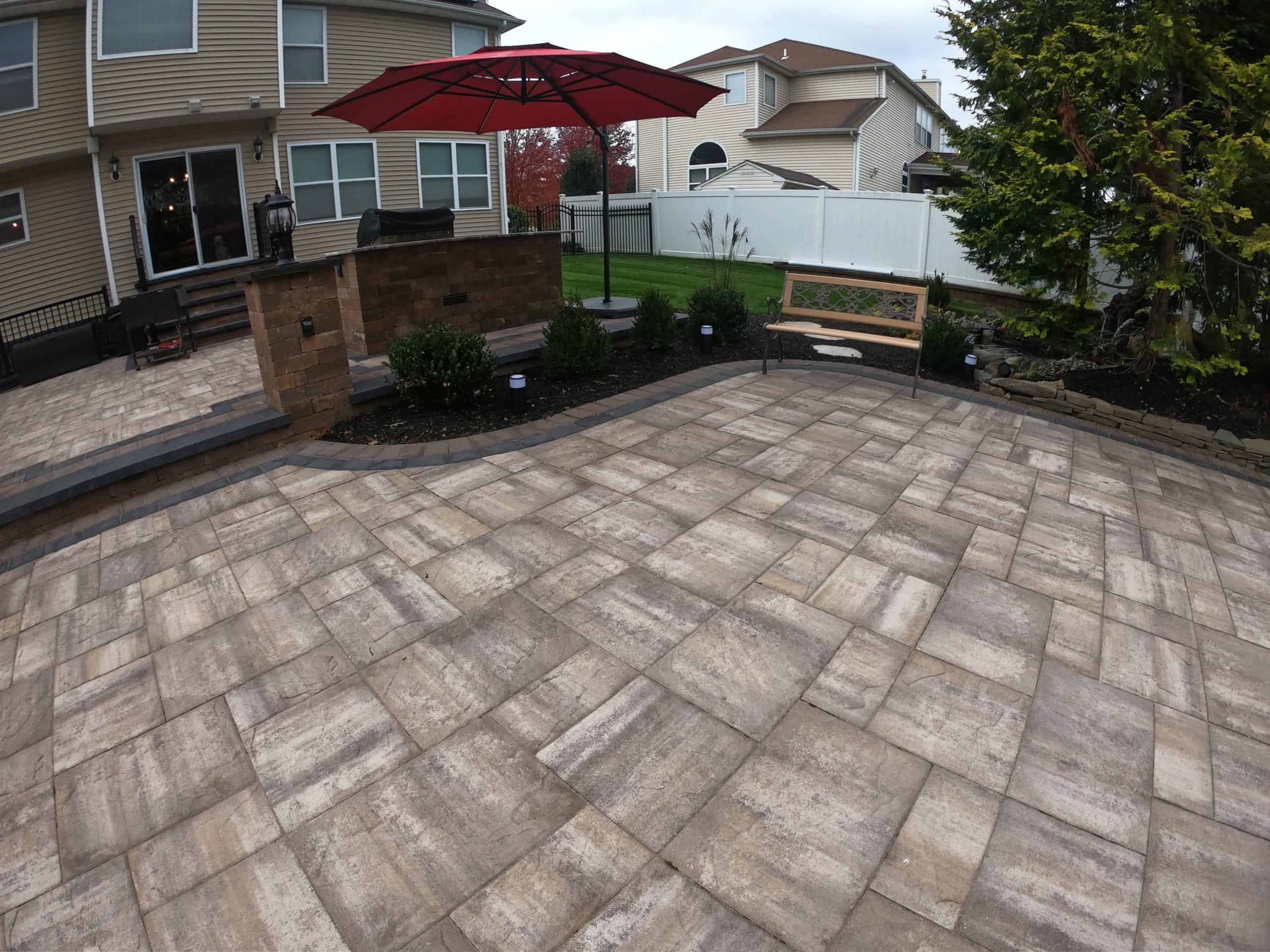
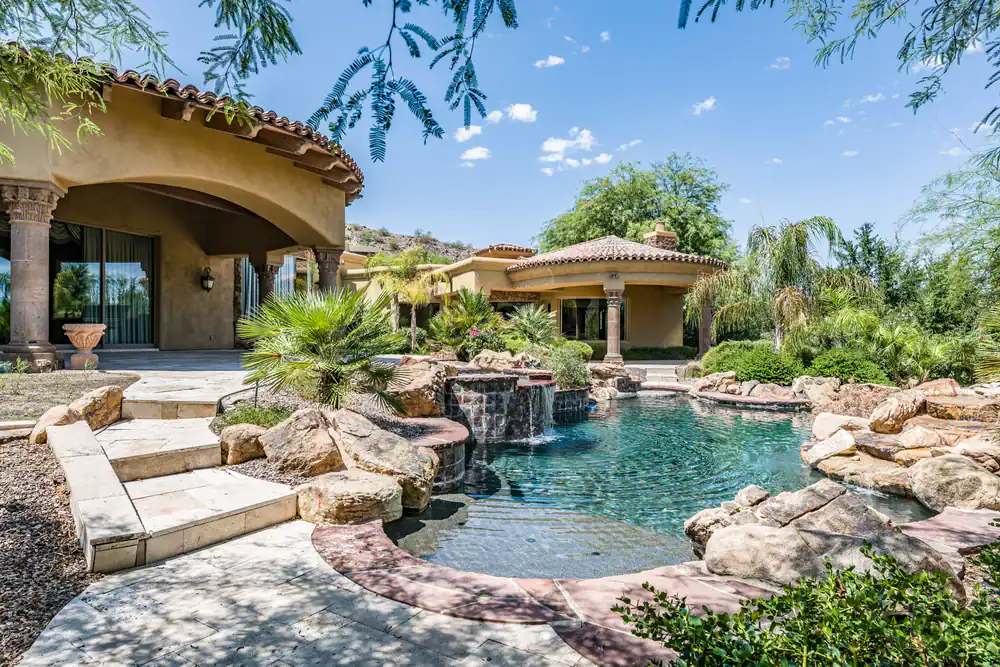
A masonry contractor specializes in constructing and repairing structures using brick, stone, and concrete. That includes patios, driveways, walkways, retaining walls, outdoor kitchens, fire features, water features, and poolscapes.
But the work goes deeper than placing materials. Professional contractors handle site evaluation, drainage planning, proper excavation, base preparation, material selection for local conditions, and installation techniques that account for your specific soil composition and climate challenges.
We also manage permits, coordinate with manufacturers, source appropriate materials, and ensure every layer of your project meets both building codes and the standards required for Long Island’s environment. You’re not just paying for labor—you’re paying for expertise that prevents the failures most DIY projects and inexperienced contractors create.
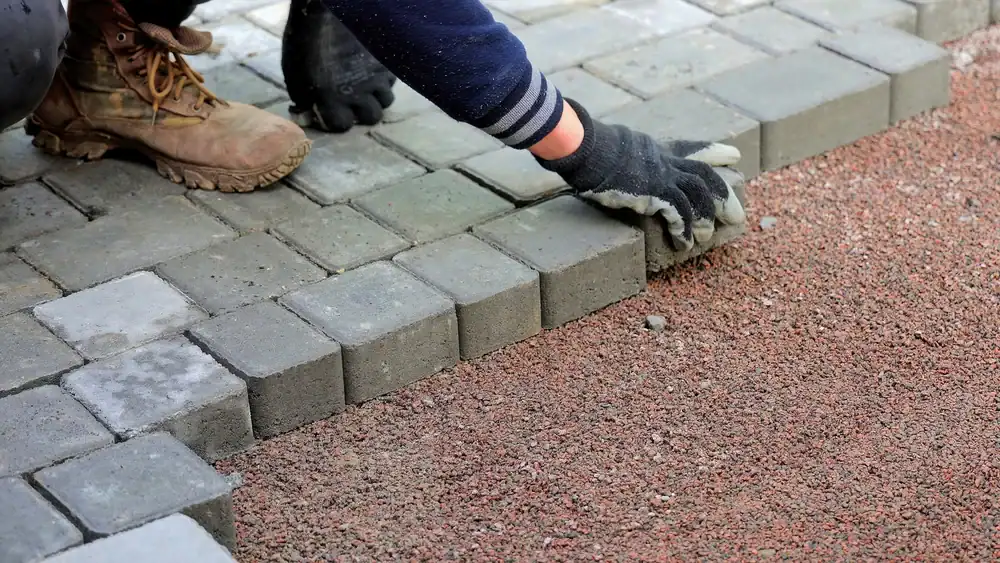
Masonry contractors work on both aesthetic and structural projects. The scope varies depending on the contractor’s certifications and experience, but most established hardscape contractors in Suffolk County offer a comprehensive range of outdoor construction services.
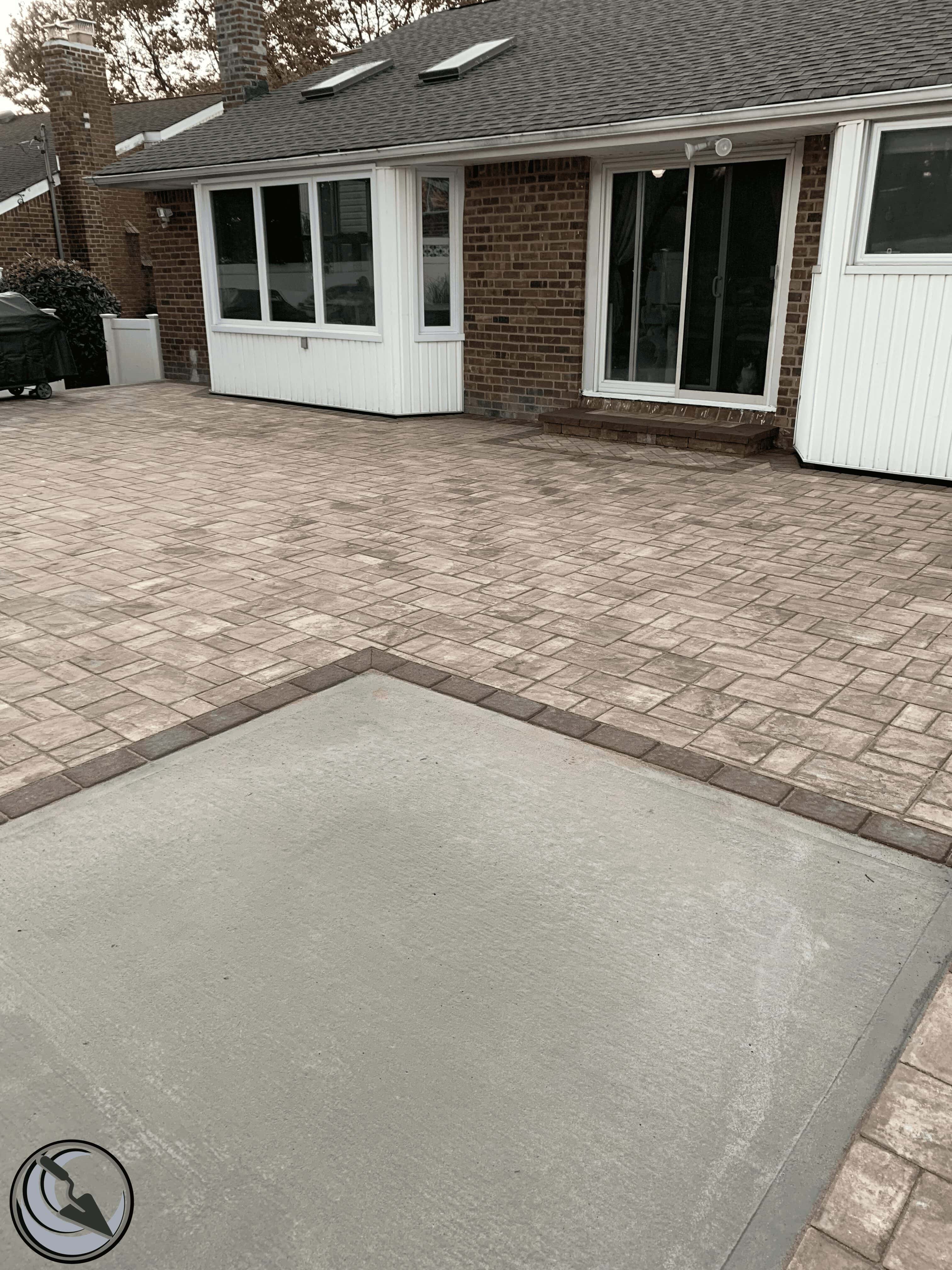
Paver patios are among the most common projects. These involve excavating to proper depth, installing compacted base layers, addressing drainage patterns, and laying pavers in patterns that work with your space. The difference between a patio that lasts three years and one that lasts thirty comes down to base preparation and drainage planning—both invisible once the project is finished.
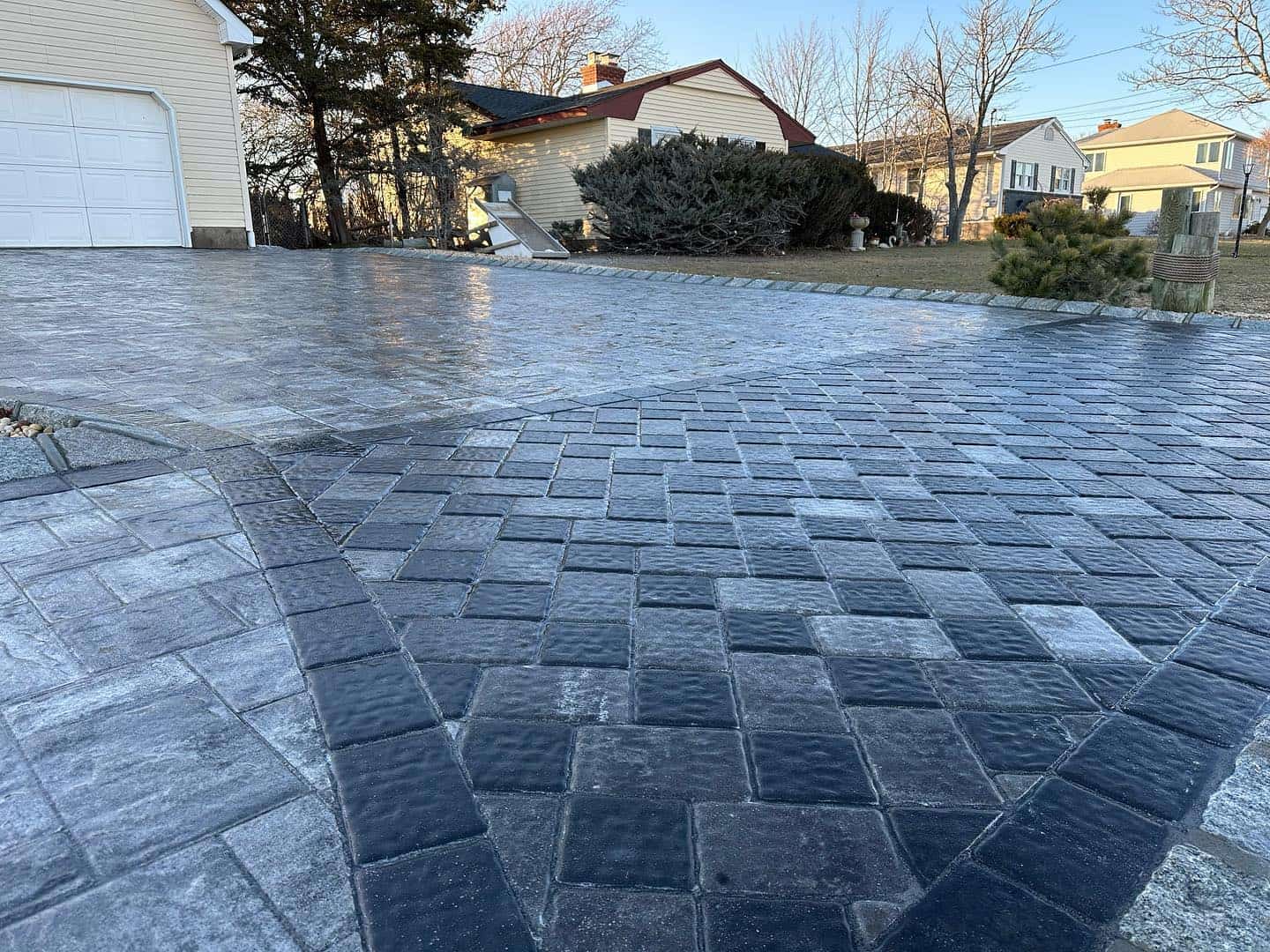
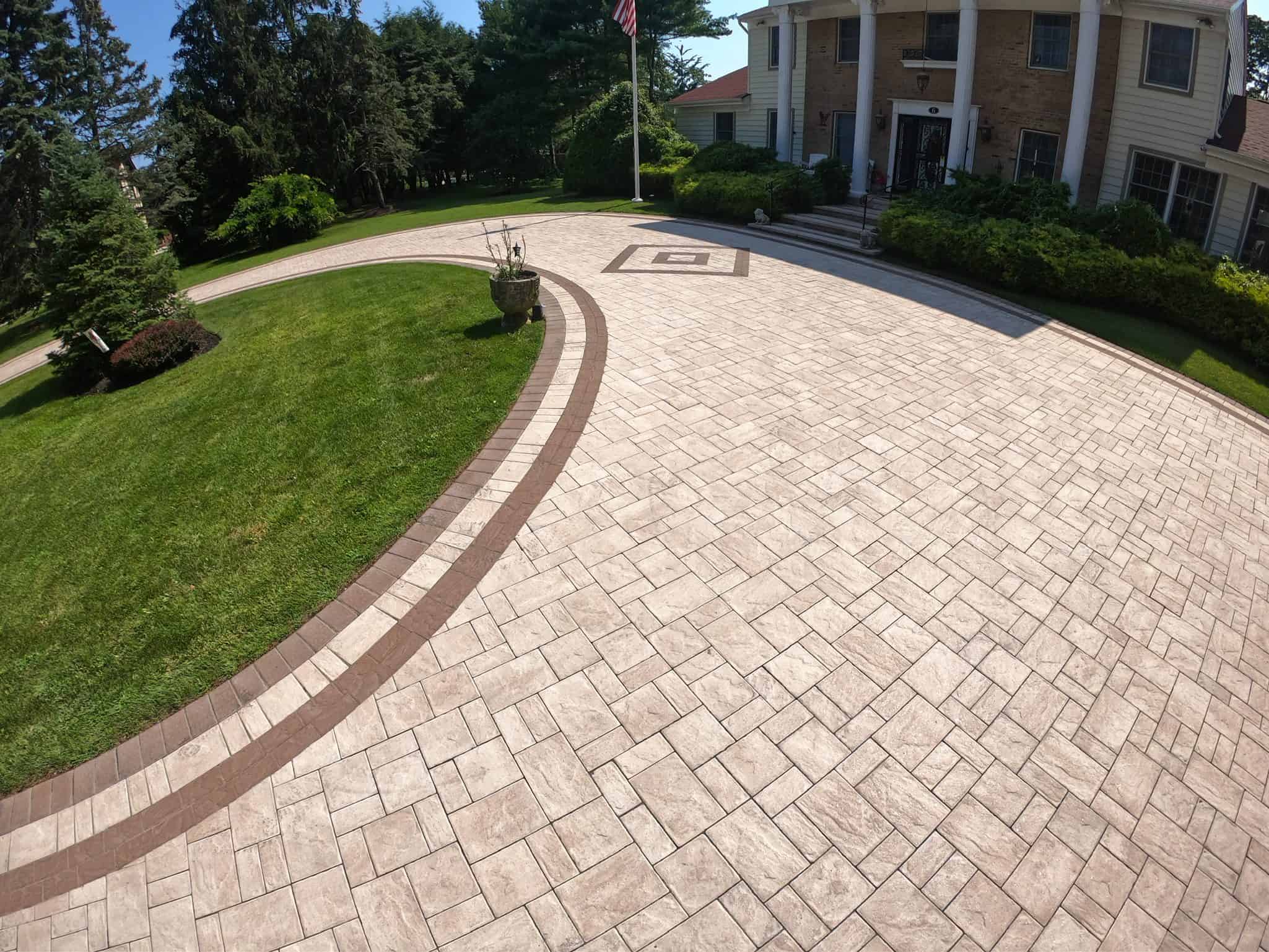
Driveways require even more attention to base preparation because they need to support vehicle weight. Professional installation includes calculating proper slopes for water management, using commercial-grade materials, and creating edge restraints that prevent shifting under load. Walkways connect different areas of your property while managing grade changes and directing water away from foundations.
Retaining walls serve both functional and aesthetic purposes. They create usable space on sloped properties, prevent erosion, and manage water flow during storms. But walls that aren’t properly engineered for Long Island’s conditions fail within a few years. Poor drainage causes ninety percent of retaining wall failures here—water builds up behind walls during nor’easters, creating pressure that cracks or collapses the structure.
Outdoor kitchens, fire features, and water features add functionality to your outdoor living spaces. These projects require understanding gas lines, electrical work, proper ventilation, and materials rated for coastal exposure. Poolscapes integrate masonry work with your pool installation, creating cohesive outdoor environments that handle constant moisture exposure and heavy use.
The common thread across all these services: professional contractors understand how each element needs to be engineered for Suffolk County’s specific challenges. Sandy soil that drains fast but shifts easily. Coastal moisture and salt air that deteriorate inferior materials. Freeze-thaw cycles that crack improperly installed work. These aren’t problems you solve by watching YouTube videos—they require experience with local conditions and access to manufacturer-certified installation methods.
Most masonry failures on Long Island stem from contractors who don’t understand local soil and weather conditions. They use generic installation methods that work elsewhere but fail here within a few seasons.
Sandy soil drains quickly, which sounds good until you realize it also shifts and settles without proper base preparation. Professional contractors excavate eight to ten inches deep—past the frost line—to prevent movement when the ground freezes. We install crushed stone base material in layers, compacting each one with commercial equipment. Loose base material leads to settling and premature failure.
Coastal moisture creates different problems. Salt air corrodes materials not rated for marine environments. High water tables mean drainage systems need to be engineered for Suffolk County’s rainfall patterns and seasonal fluctuations. Standard drainage solutions don’t account for nor’easters that saturate soil faster than it can drain naturally.
Freeze-thaw cycles progressively worsen damage each season. Water expands in joints and cracks during winter, then contracts in spring. Inferior materials crack. Improperly installed pavers heave. Walls without proper drainage bow and eventually collapse.
Experienced masonry contractors address these challenges during the planning phase. We assess your specific site conditions—existing water flow patterns, soil composition, grade requirements. We select materials specifically rated for coastal conditions and freeze-thaw resistance. We integrate drainage systems during construction, not after problems develop.
This includes proper backfill materials, weep holes or drainage pipes, and grading that directs water away from structures. Every wall gets geo-grid reinforcement and edge restraints designed for sandy soil movement patterns. Pavers receive polymeric sand application to lock everything together and prevent weed growth.
The difference between work that lasts decades and work that fails within years comes down to understanding what Long Island’s environment does to outdoor structures—and engineering every layer of the project to handle it.
DIY masonry projects seem straightforward until you’re three weekends in, dealing with uneven pavers, standing water, and a base that won’t compact properly.
The appeal is obvious—eliminate labor costs, work at your own pace, feel the satisfaction of building something yourself. But masonry work is more complex than it appears, and mistakes cost significantly more to fix than professional installation costs upfront.
Here’s what most DIY projects miss: proper site evaluation, correct excavation depth for local frost lines, appropriate base material selection and compaction, drainage integration, and material choices rated for coastal conditions. You can watch installation videos, but they don’t teach you how to read soil composition or engineer drainage for Long Island’s rainfall patterns.

The biggest DIY mistakes happen below the surface. Incorrect grading leads to water pooling instead of draining away. Shallow excavation means frost heave during winter—the ground freezes, expands, and shifts your entire patio. Inadequate base preparation causes settling within the first year.
Even when the surface looks good initially, problems develop over time. Pavers sink in spots because the base wasn’t properly compacted. Joints fail because the wrong sand was used. Drainage issues create standing water that breeds mosquitoes and damages foundations. Edges shift because restraints weren’t installed or were placed incorrectly.
Weekend DIYers should plan to dedicate at least several weekends to the project, with some requiring one to two months of time. Rain and weather delays add to the timeline. Meanwhile, you’re renting equipment, purchasing materials at retail prices, and hoping you calculated quantities correctly.
The cost savings disappear when you factor in tool rentals, material waste from incorrect cuts or improper mixing, and potential repairs from shifting pavers, cracked concrete, or poor drainage. A job that takes homeowners weeks or months can be completed by a professional team in days.
More importantly, DIY kits and surface fixes don’t address root problems. You can hide defects temporarily, but cracks come back. The damage affects structural integrity—not just appearance. By the time you realize the installation failed, you’re paying for both the original DIY materials and professional repair work.
There’s also the physical demand. Excavation, hauling materials, and working with heavy stone requires strength and endurance. Masonry contractors have teams and equipment designed for this work. You’re doing it alone or with friends who may not return after the first weekend.
Professional contractors bring expertise that prevents expensive mistakes. We know which materials work in Suffolk County’s environment and which ones fail. We understand soil conditions, proper excavation depths, drainage engineering, and installation techniques specific to Long Island’s challenges.
Licensed masonry contractors must follow state and local regulations. We carry proper insurance—both worker’s compensation for our crews and general liability for your property. If something goes wrong during installation, you’re protected. With DIY work, you’re liable for injuries and damage.
Contractors also have access to better pricing on materials through industry connections. We source commercial-grade products and manufacturer-certified materials that aren’t available at retail stores. These materials come with warranties—but only when installed by certified contractors following manufacturer specifications.
The installation process itself is more efficient. Professional crews have specialized equipment for excavation, compaction, cutting, and finishing. We work systematically, completing in days what would take you weeks. We handle permits, coordinate material delivery, manage site logistics, and ensure proper cleanup.
Quality contractors provide detailed written estimates that break down every cost—excavation, base preparation, drainage work, materials, labor, and finishing. You know exactly what you’re paying for before work begins. We also stand behind our work. Reputable contractors offer warranties on both materials and labor, giving you recourse if problems develop.
Most importantly, professional installation ensures your project functions correctly from day one. Proper slopes prevent water pooling. Correct base preparation prevents settling. Appropriate materials withstand coastal conditions. Integrated drainage manages Long Island’s rainfall patterns. Edge restraints prevent shifting under use and weather exposure.
The peace of mind alone justifies the cost difference. You’re not wondering if the base is compacted enough or if the drainage will work during the next storm. You’re not dealing with repairs three years later when pavers start sinking. You’re enjoying an outdoor space that was built right the first time and will last for decades.
Professional masonry contractors do more than install pavers and build walls. We engineer outdoor structures specifically for Long Island’s challenging environment—sandy soil, coastal moisture, freeze-thaw cycles, and drainage demands that generic installation methods don’t address.
The difference between work that lasts three years and work that lasts thirty comes down to expertise, proper materials, and installation techniques designed for Suffolk County’s conditions. DIY projects and inexperienced contractors skip the critical steps that prevent failures—and those shortcuts become expensive repairs down the road.
When you’re ready to move forward with your outdoor project, work with a licensed, insured masonry contractor who understands local conditions and has manufacturer certifications for the materials we install. Stone Escapes Masonry & Outdoor Design Inc brings that expertise to every project in Suffolk County, with direct owner involvement and crews trained specifically for Long Island’s unique challenges.
Article details:
Share:
Continue learning: