Everything Suffolk County homeowners need to know about driveway paving materials, costs, and choosing the right solution for Long Island's unique climate.
Share:

Summary:
The material you choose for your driveway paving project will determine whether you’re dealing with repairs every few years or enjoying a surface that handles whatever Long Island throws at it. Most homeowners get caught up in upfront costs without considering how our unique climate affects long-term performance.
Asphalt remains the most popular choice for Suffolk County driveways, and for good reason. It flexes with temperature changes instead of cracking like rigid materials. When properly installed with adequate base preparation, asphalt handles our freeze-thaw cycles better than concrete while staying budget-friendly at $5-8 per square foot.
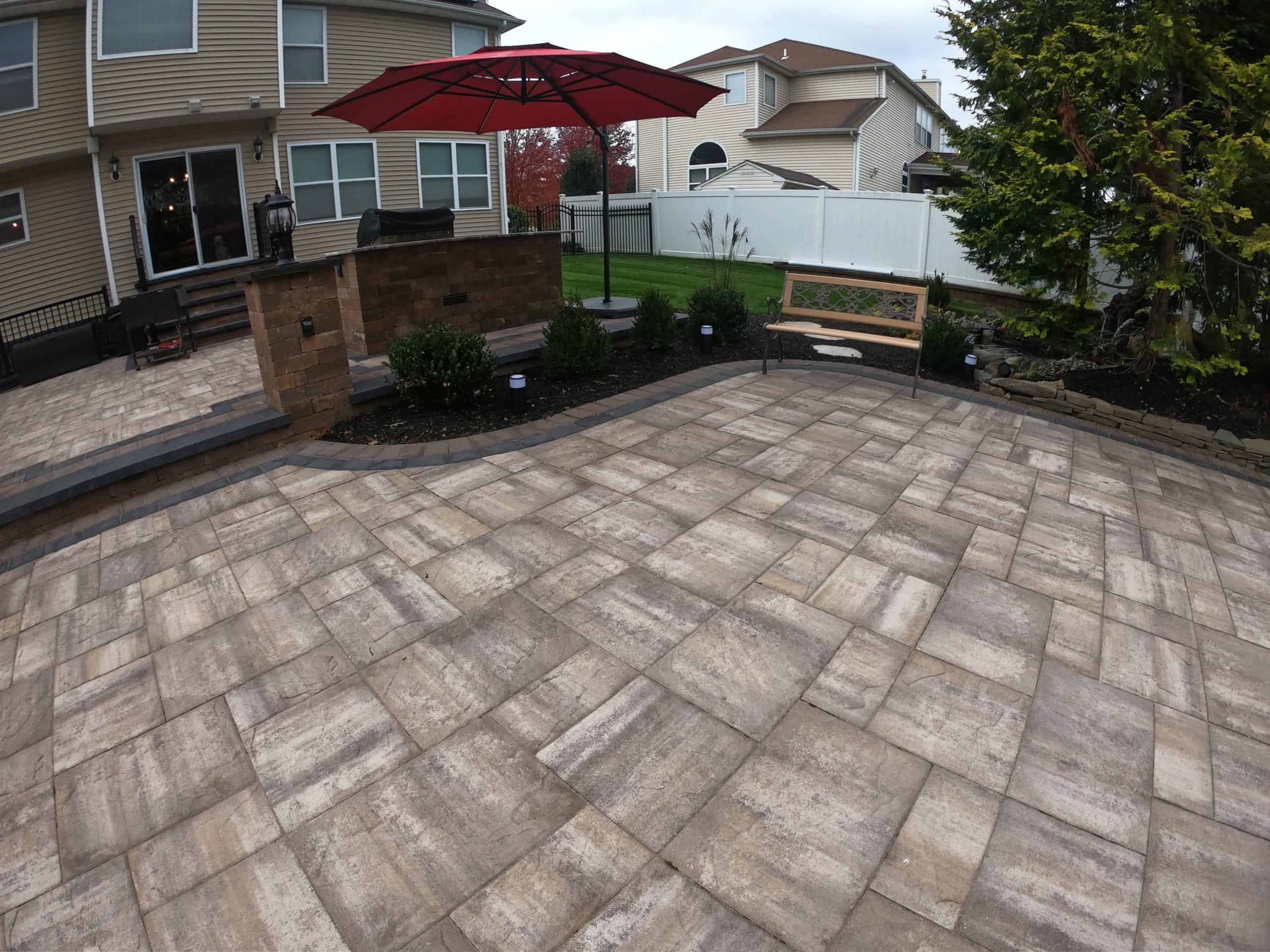
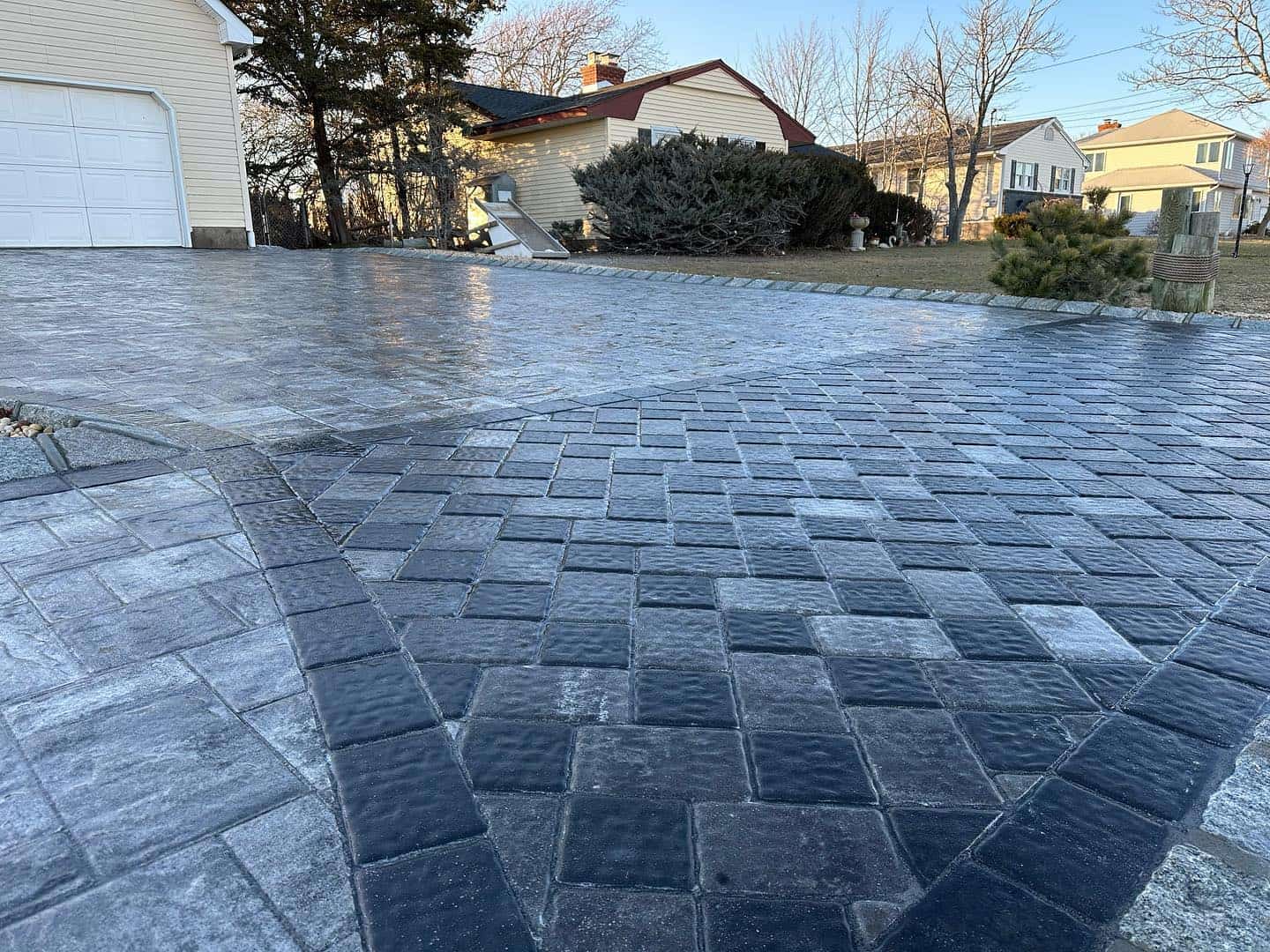
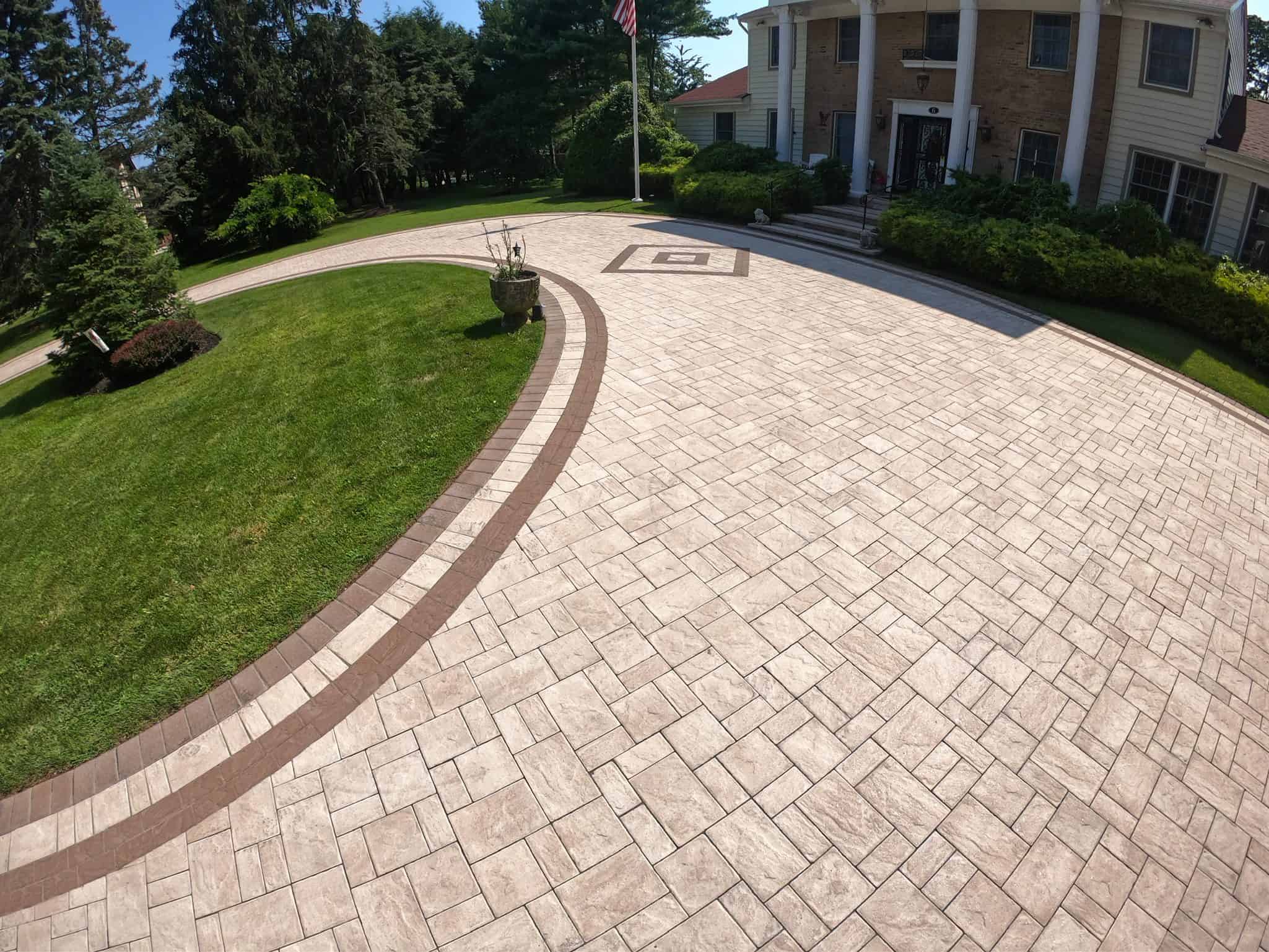
Pavers offer a premium alternative that’s gaining traction among Long Island homeowners. Individual units move independently during soil shifts and temperature changes, preventing the large-scale cracking that destroys solid surfaces. While the initial investment runs $17-20 per square foot, pavers can last 50+ years with minimal maintenance.
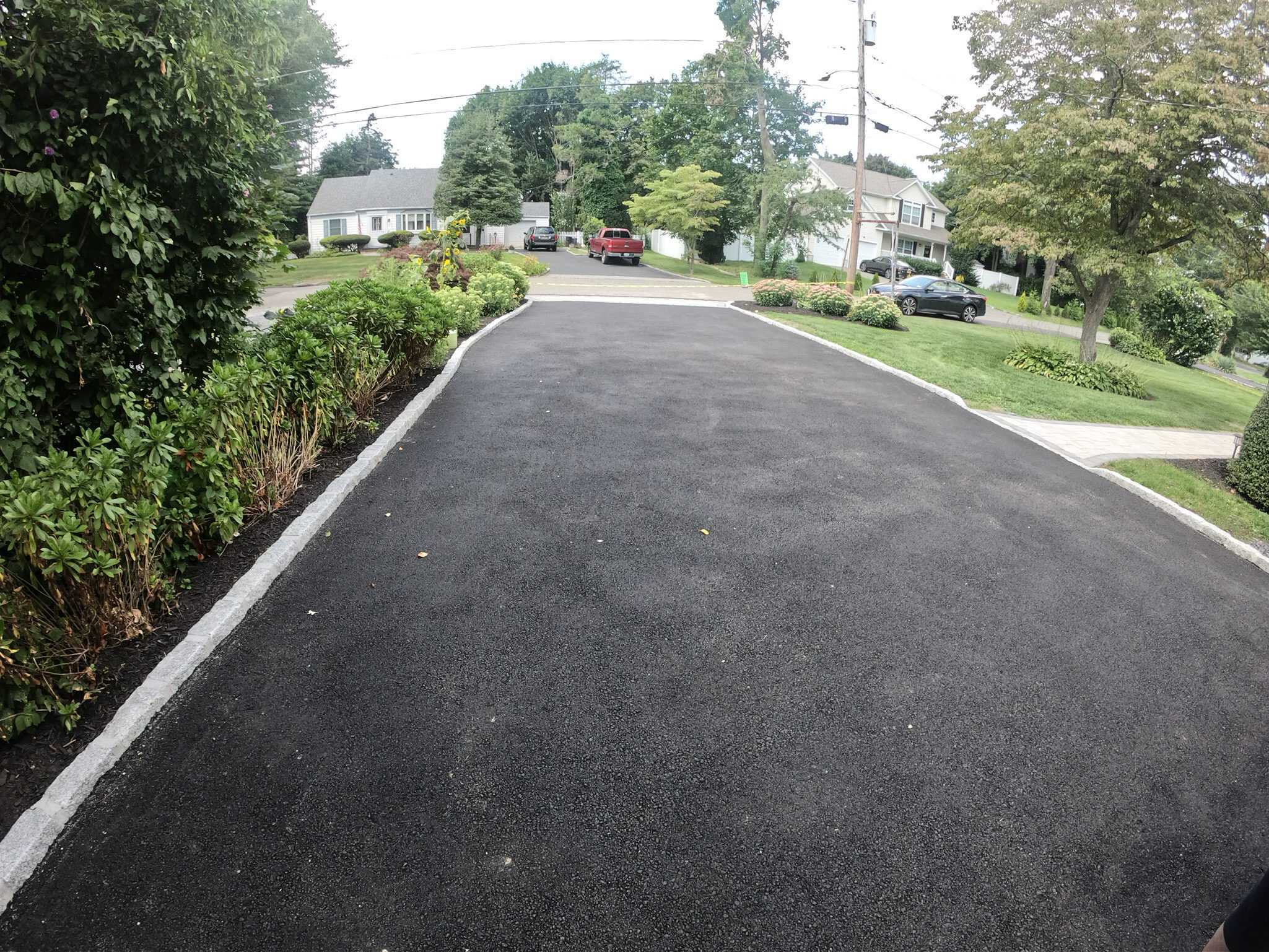
Long Island’s coastal location creates a perfect storm for driveway damage. Our winters bring frequent temperature swings above and below freezing, sometimes multiple times per week. This constant freeze-thaw action is what turns small cracks into major problems.
Here’s what happens: water seeps into tiny cracks during the day, then freezes overnight when temperatures drop. Ice expands with tremendous force, widening those cracks. Come spring, you’re looking at damage that seemed to appear overnight but was actually months in the making.
Asphalt handles this challenge through flexibility. The material can expand and contract without catastrophic failure, especially when it’s properly sealed every 2-3 years. Quality hot-mix asphalt with the right aggregate blend stays resilient even after years of temperature cycling.
Pavers take a completely different approach. Instead of trying to flex as one large surface, each individual paver moves independently. When frost heave occurs or soil shifts, pavers adjust without creating stress points. The joints between pavers actually help manage water drainage, reducing the moisture that causes freeze damage in the first place.
Concrete, while popular elsewhere, struggles in our climate. It’s rigid and unforgiving, which means freeze-thaw cycles create cracks that are expensive to repair and impossible to hide. Many Suffolk County homeowners learned this lesson the hard way.
The coastal humidity adds another layer of complexity. Salt air accelerates weathering, and our high water table means moisture is always present. Materials need to resist not just temperature changes, but also the corrosive effects of our marine environment.
Suffolk County’s sandy soil presents unique challenges that many contractors don’t fully understand. Unlike clay-heavy soils that provide stable support, our sandy conditions require specific preparation techniques to prevent settling and drainage issues.
The key is proper excavation depth and base preparation. Professional installations typically excavate 8-10 inches deep, removing unstable soil and replacing it with compacted gravel base layers. This creates the stable foundation your driveway needs to resist shifting and settling over time.
Drainage becomes critical because of our high water table and frequent coastal storms. Water that can’t escape from under your driveway will cause problems regardless of the surface material you choose. Poor drainage leads to base erosion, frost heave, and premature failure of the entire installation.
Smart driveway design incorporates proper grading to direct water away from the surface and foundation. Edge drains and permeable base materials help manage groundwater, while surface slope prevents pooling during heavy rains. These details make the difference between a driveway that lasts decades and one that fails within a few years.
Sandy soil also affects how different materials perform over time. Asphalt needs excellent base compaction to prevent rutting and depression formation. Pavers actually work well with sandy conditions because the individual units can adjust to minor soil movement without creating trip hazards or drainage problems.
Many homeowners don’t realize that proper installation matters more than material choice. A cheap asphalt job without adequate base preparation will fail faster than quality pavers installed correctly. We understand Long Island conditions and know that cutting corners on excavation and drainage always leads to callbacks and unhappy customers.
Professional driveway paving involves much more than just laying down asphalt or pavers. The process starts with site evaluation and proper preparation, which determines whether your investment lasts five years or fifty.
Site preparation begins with marking utilities and obtaining any required permits. Many Suffolk County townships require permits for driveway work, and we handle this paperwork as part of our service. Skipping permits can create problems when you sell your home.
Excavation comes next, typically 8-10 inches deep depending on soil conditions and expected traffic load. This isn’t just digging—it’s creating the foundation that will support your driveway for decades. Proper excavation removes organic material, roots, and unstable soil that could cause settling later.
Base installation follows specific engineering principles. Crushed stone gets placed in layers and compacted to create maximum stability. The type of stone, gradation, and compaction method all affect final performance. This step separates professional installations from DIY disasters.
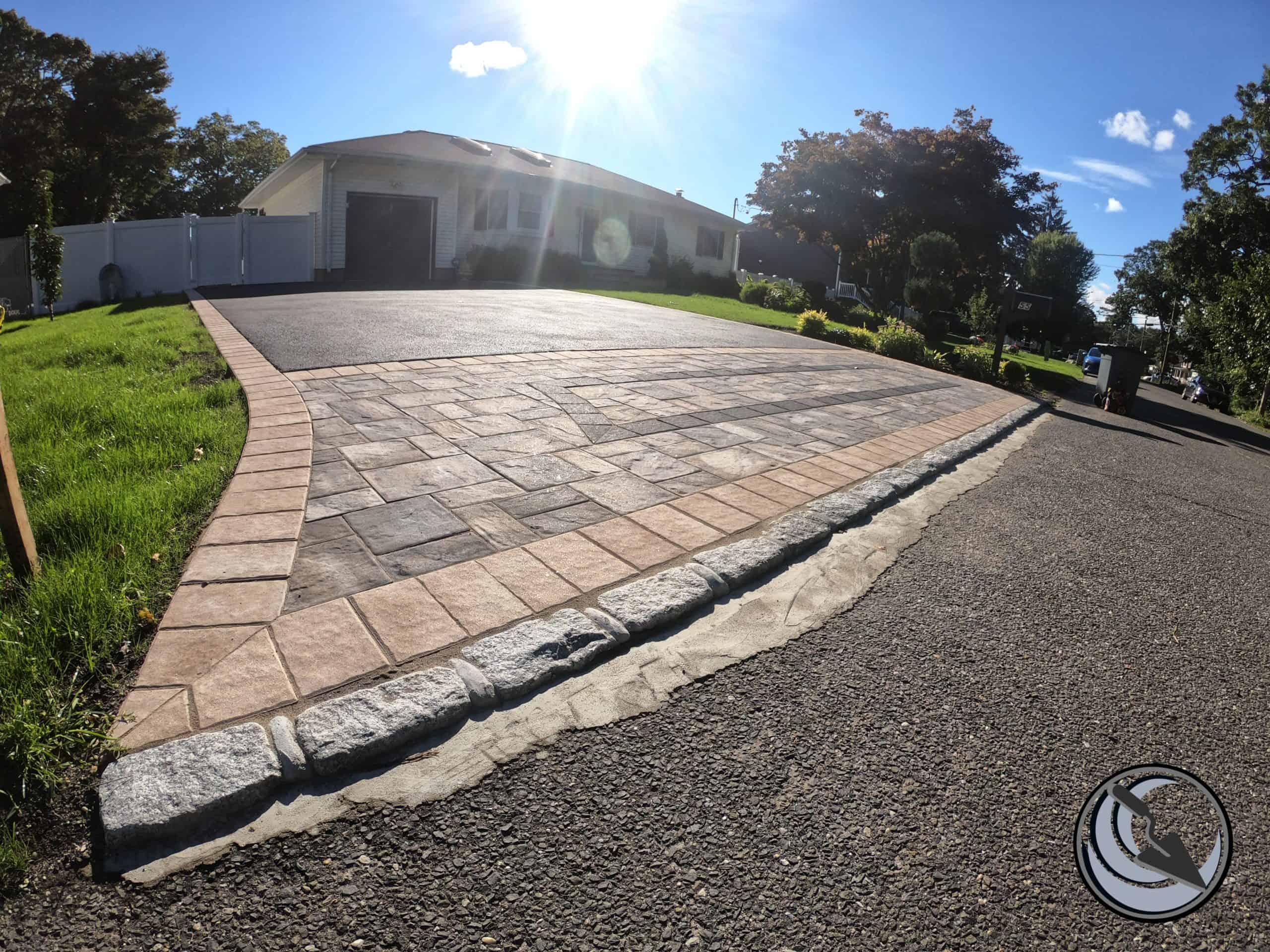
Long Island’s unique conditions require installation techniques that many contractors from other regions don’t understand. Coastal moisture, sandy soil, and temperature extremes demand specific approaches to ensure long-term success.
Proper base preparation starts with understanding local soil conditions. Sandy soils drain well but don’t provide the same stability as clay. We compensate by using deeper excavation and specific aggregate gradations that lock together under compaction. The goal is creating a stable platform that won’t shift or settle over time.
Drainage integration happens during base installation, not as an afterthought. French drains, edge restraints, and proper grading get built into the foundation. This prevents water from undermining the base and causing the premature failure that plagues many Long Island driveways.
Asphalt installation requires attention to temperature and timing. Hot-mix asphalt needs to be placed and compacted while still workable, which means coordinating delivery, spreading, and compaction equipment. Our crews understand how ambient temperature affects working time and adjust techniques accordingly.
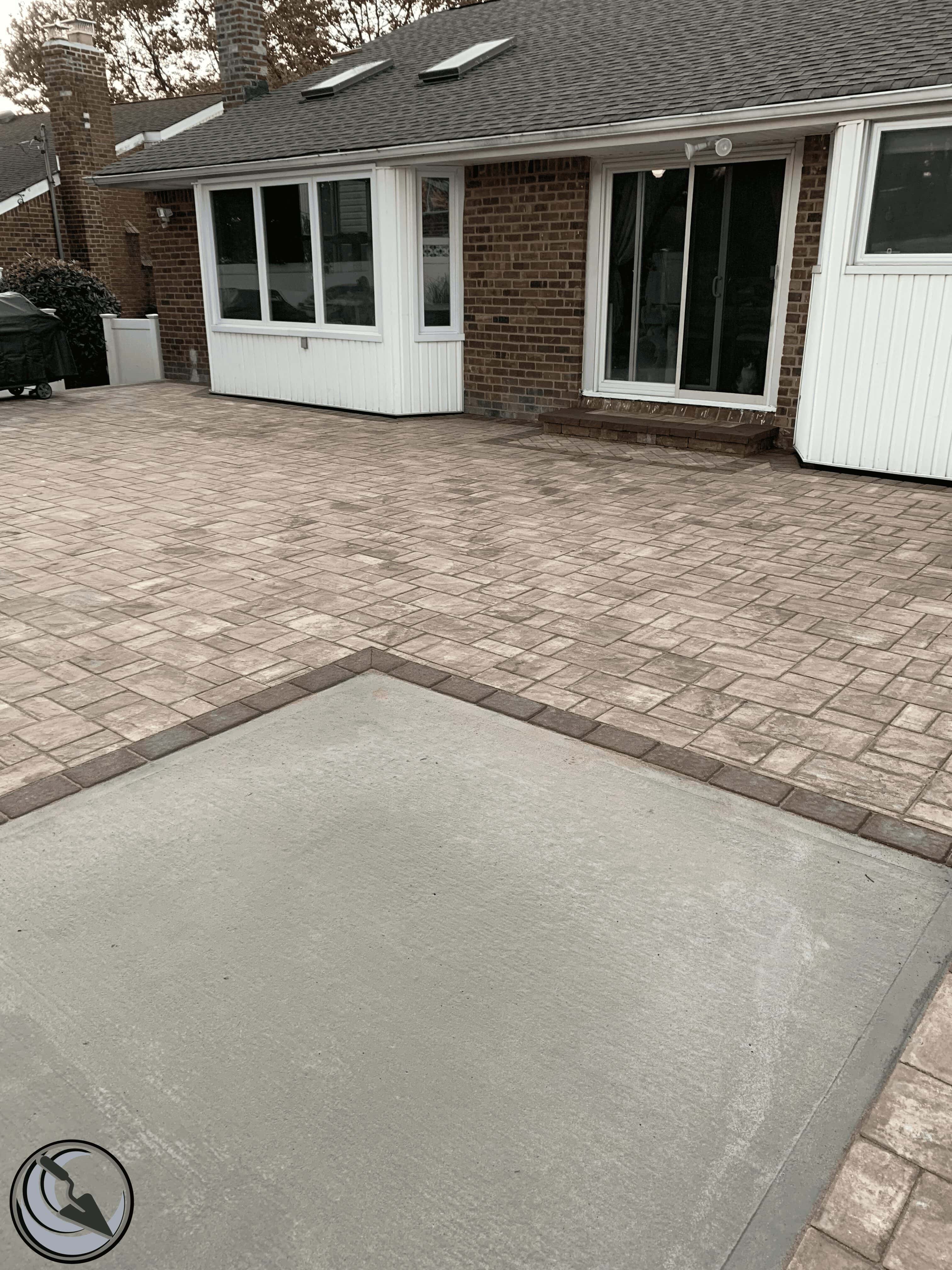
Paver installation demands precision in base preparation and edge restraint systems. Each paver must sit level and stable, with proper joint spacing for sand infiltration. The compaction process locks everything together into a unified surface that moves as individual units rather than a rigid slab.
Quality control continues throughout installation. We check compaction levels, verify proper slopes for drainage, and ensure all materials meet specifications. We understand that shortcuts during installation create expensive problems later.
Understanding driveway paving costs in Suffolk County requires looking beyond the initial price tag. Material costs, installation complexity, and long-term maintenance all factor into the true cost of ownership over the life of your driveway.
Asphalt driveway installation typically runs $5-8 per square foot in Suffolk County, making it the most budget-friendly option for most homeowners. A standard two-car driveway (600 square feet) costs $3,000-4,800 installed. However, asphalt requires regular maintenance including sealing every 2-3 years at $1-2 per square foot.
Paver driveways command premium pricing at $17-20 per square foot, putting that same 600-square-foot driveway at $10,200-12,000. The higher upfront cost reflects more labor-intensive installation and premium materials, but pavers require minimal maintenance over their 50+ year lifespan.
The return on investment makes driveway paving one of the smartest home improvements you can make. Real estate professionals report that quality driveway paving adds 5-10% to home value, with some properties seeing increases up to $20,000. In competitive Suffolk County markets, a professional driveway often makes the difference between selling quickly and sitting on the market.
Long-term cost analysis favors quality installation regardless of material choice. Cheap asphalt jobs that fail within 5-7 years cost more over time than premium installations that last decades. The key is working with contractors who understand local conditions and don’t cut corners on base preparation or materials.
Financing options make premium installations more accessible. Many contractors offer payment plans, and the increased home value often justifies the investment even if you’re not planning to sell immediately. A quality driveway improves daily life while building equity in your property.
The best driveway paving choice for your Suffolk County home depends on your budget, aesthetic preferences, and long-term plans. Both asphalt and pavers can perform well in our challenging climate when properly installed by contractors who understand local conditions.
Asphalt offers proven performance at budget-friendly prices, especially when you factor in the lower installation costs and widespread contractor availability. Regular maintenance keeps asphalt looking good and performing well for 15-20 years or more.
Pavers provide premium aesthetics and exceptional longevity, making them ideal for homeowners planning to stay long-term or those wanting maximum curb appeal. The higher upfront investment pays dividends through decades of low-maintenance performance.
Regardless of material choice, professional installation makes all the difference. Proper excavation, base preparation, and drainage integration are essential for success in Long Island’s challenging environment. When you’re ready to upgrade your driveway, we bring the local expertise and proven techniques needed to create a driveway that enhances your home’s value and withstands whatever Long Island weather brings your way.
Article details:
Share:
Continue learning: