Save thousands by understanding how proper footings prevent masonry disasters in Suffolk County's challenging soil conditions through engineered foundation solutions.
Share:
Summary:
Footings distribute structural loads across wider soil areas, preventing the concentrated pressure that causes settling and cracking in Suffolk County’s variable soil conditions. Stone Escapes Masonry calculates load-bearing requirements based on soil density tests and frost line depths that reach 42 inches below grade in Long Island’s climate zone. Concrete footings require 3,000-4,000 PSI compressive strength with steel reinforcement rated for ground contact to resist corrosion from soil moisture and road salt infiltration. Width calculations follow engineering standards with footings extending 6 inches beyond supported structures on each side to distribute loads properly. Depth requirements place footings below the frost line to prevent heaving that destroys masonry structures during freeze-thaw cycles. Drainage systems around footings include 4-inch perforated pipe with gravel backfill that prevents hydrostatic pressure buildup during heavy rainfall. Poor footing design causes 85% of premature masonry failures, while engineered foundations prevent structural problems for decades.
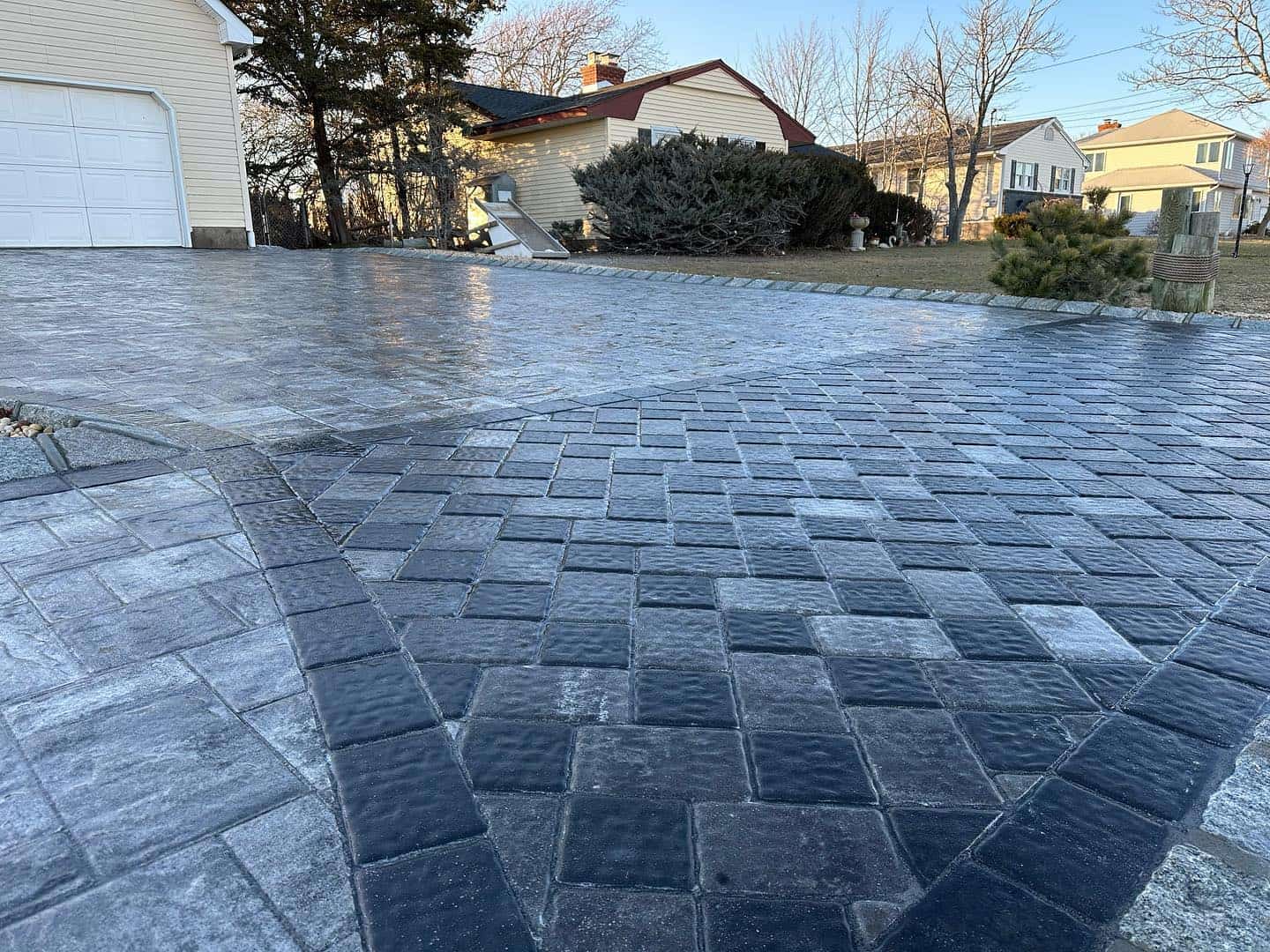
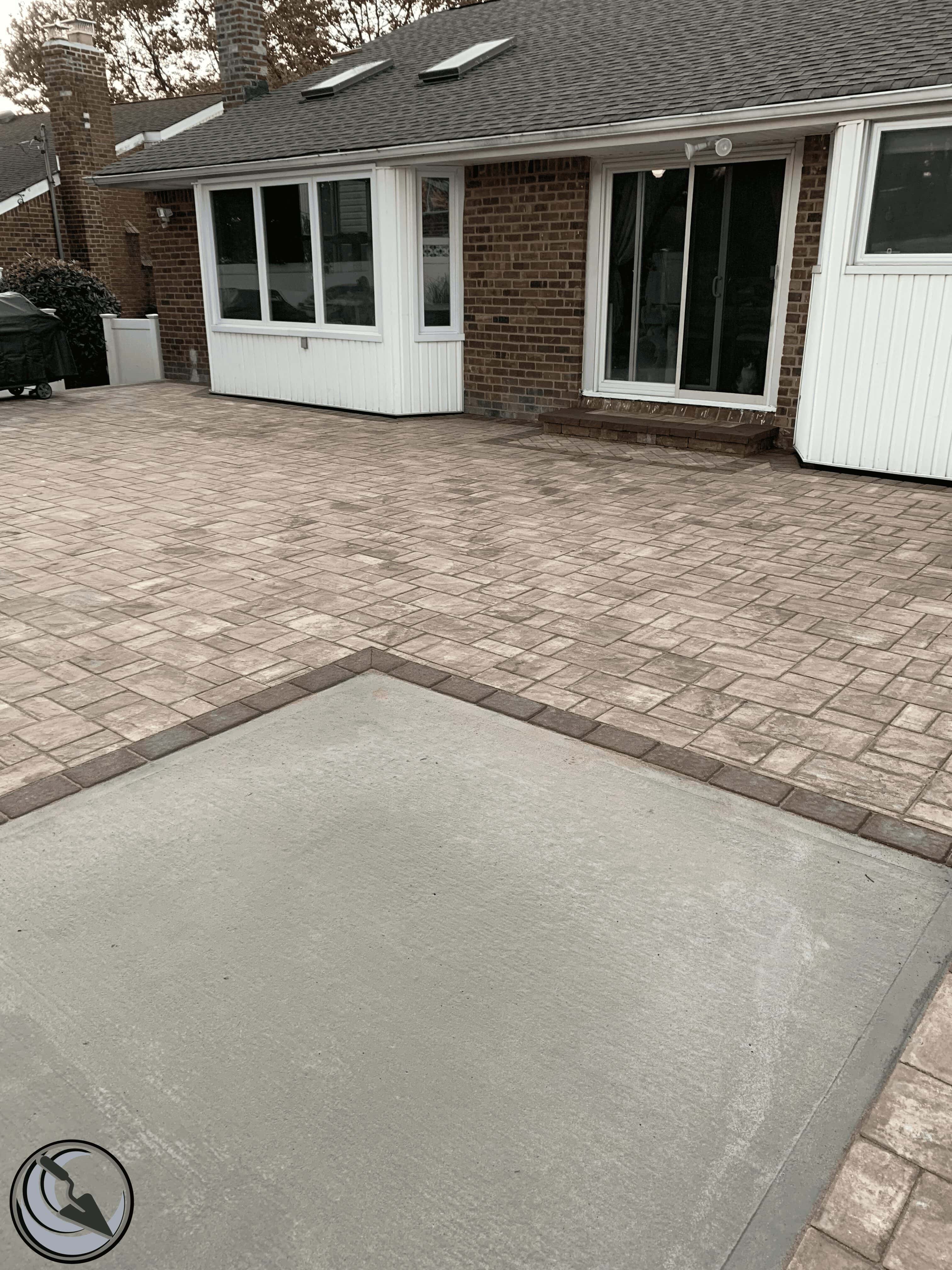
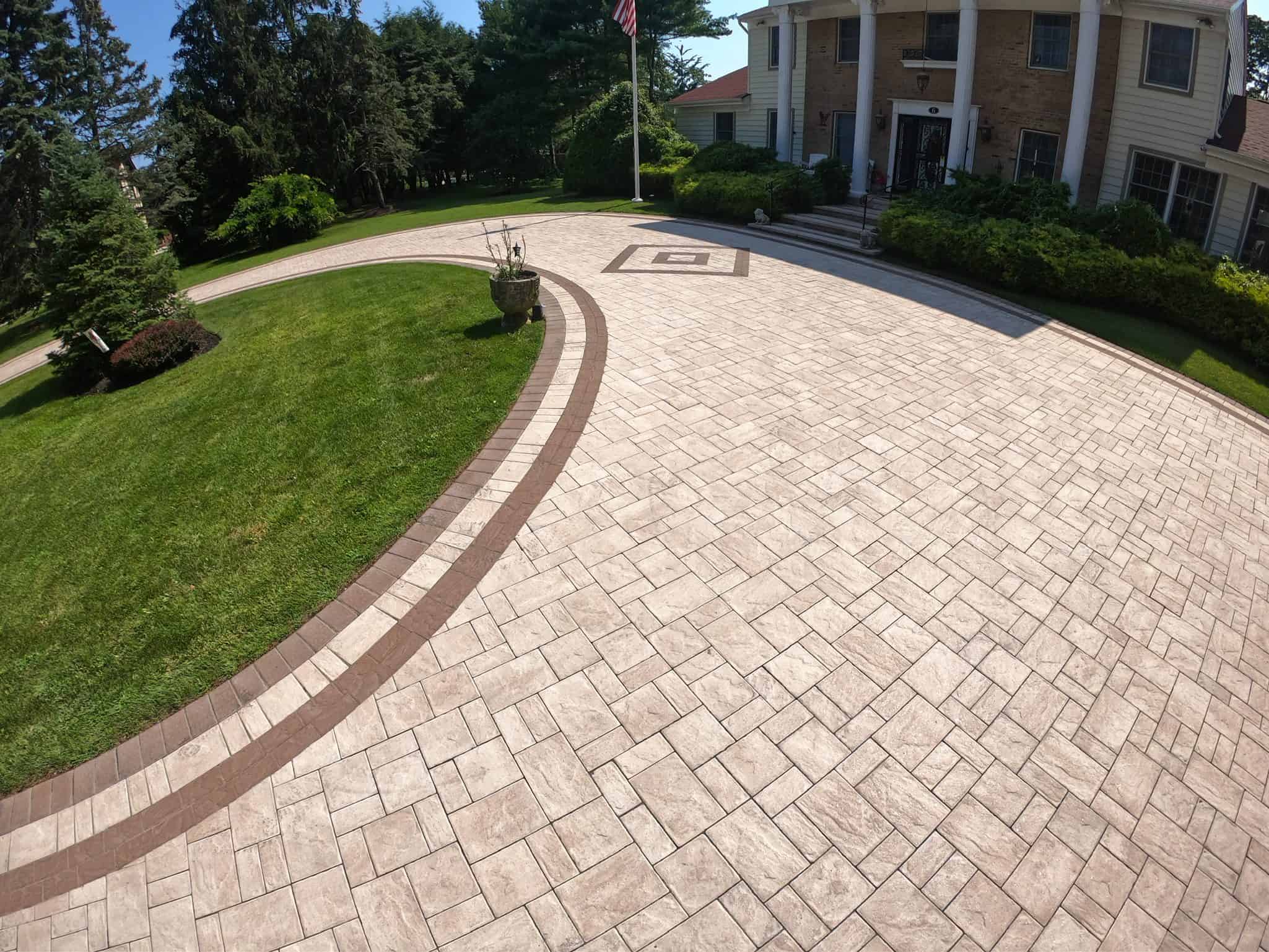
Driveway and walkway installations require aggregate base layers 8-12 inches thick with proper compaction to prevent the settling that creates dangerous trip hazards and expensive repairs. Stone Escapes Masonry uses mechanical compactors that achieve 95% density in base materials, preventing the 2-4 inch settling that destroys paving projects within the first winter season. Asphalt installations include tack coat applications that bond new surfaces to prepared bases, preventing delamination that causes pothole formation. Edge restraints use concrete or steel barriers that prevent lateral movement during temperature changes and traffic loads.
Driveway and walkway installations require aggregate base layers 8-12 inches thick with proper compaction to prevent the settling that creates dangerous trip hazards and expensive repairs. Stone Escapes Masonry uses mechanical compactors that achieve 95% density in base materials, preventing the 2-4 inch settling that destroys paving projects within the first winter season. Asphalt installations include tack coat applications that bond new surfaces to prepared bases, preventing delamination that causes pothole formation. Edge restraints use concrete or steel barriers that prevent lateral movement during temperature changes and traffic loads.
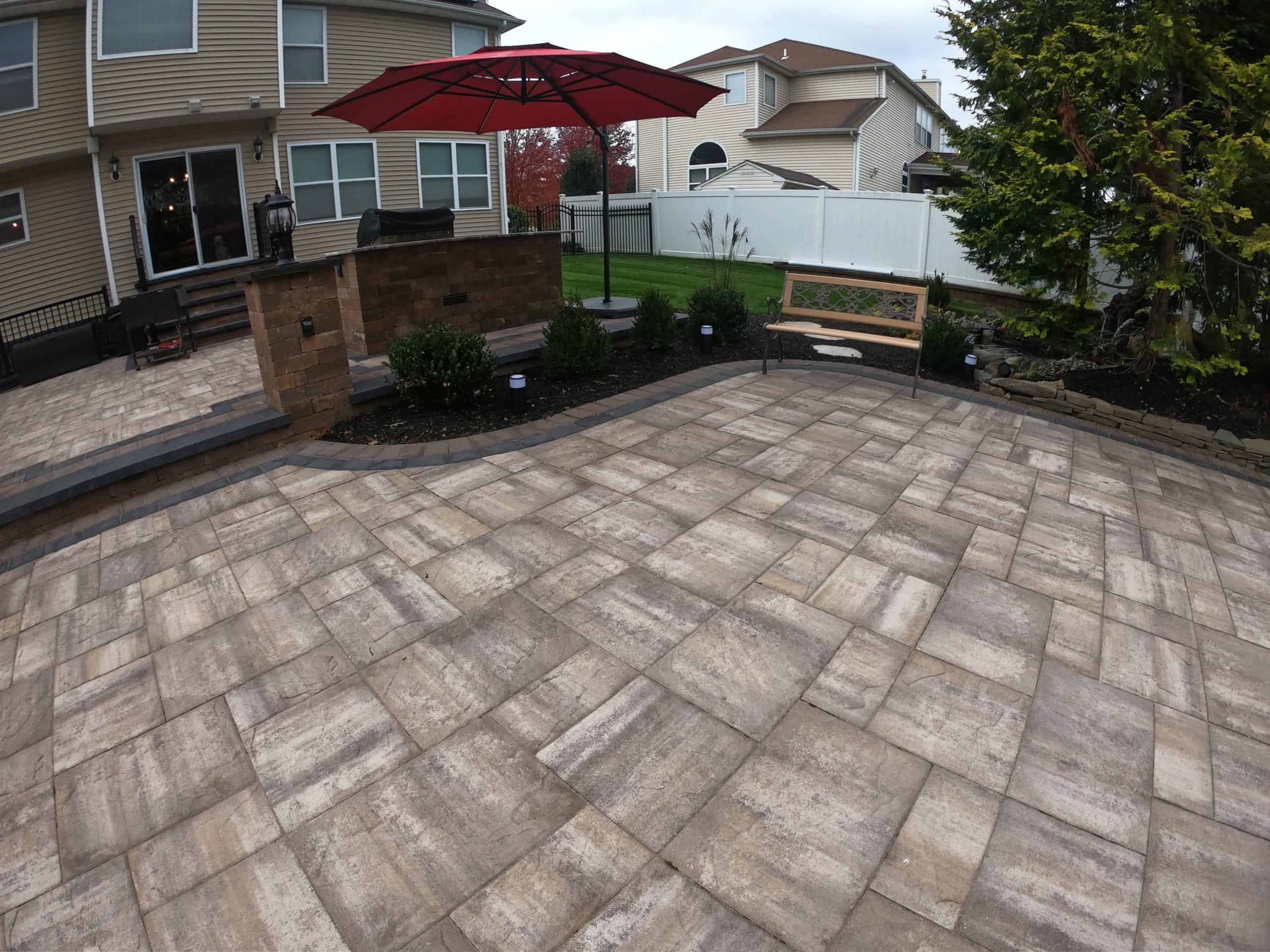
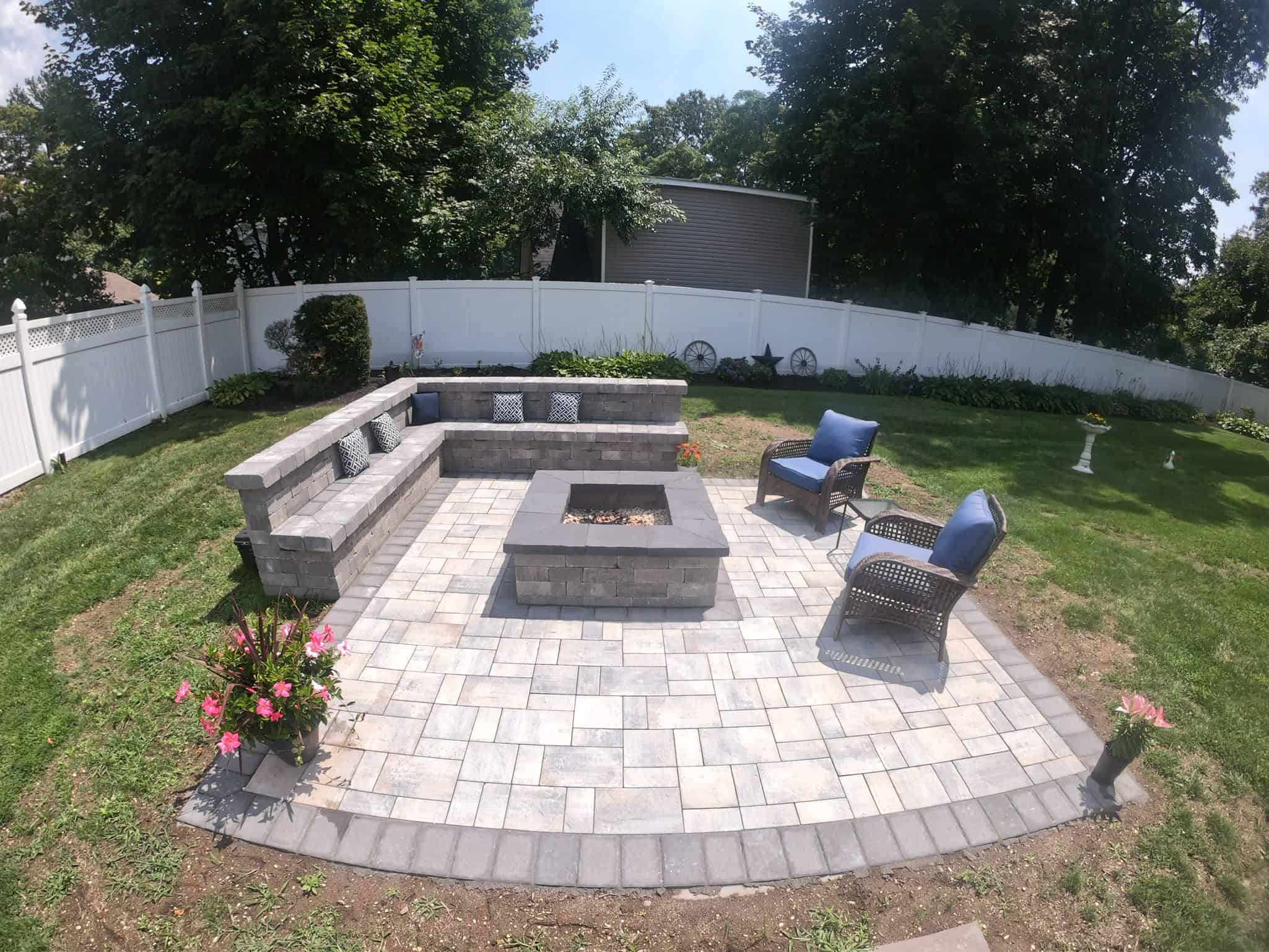
Outdoor living spaces require specialized footing systems that support concentrated loads from fire features, outdoor kitchens, and heavy furniture while managing water drainage around entertainment areas. Stone Escapes Masonry designs footings for fire pit installations that include refractory concrete bases rated for 2,000-degree temperatures and proper ventilation systems that prevent dangerous gas accumulation. Patio installations incorporate permeable base systems with 6-inch crushed stone layers that manage surface water while providing stable support for paver installations. Retaining wall footings include geogrid reinforcement systems rated for specific soil loads and include drainage systems that prevent the hydrostatic pressure responsible for 90% of wall failures. Custom outdoor kitchen foundations include utility trenches for gas, electrical, and water connections with proper backfill materials that prevent settling around service lines. Load calculations account for equipment weights, storage loads, and live loads from occupancy to prevent structural overload during use.
Properly engineered footings protect property values by preventing the structural failures that reduce home values by 8-15% when visible defects appear. Insurance claims for masonry failures rarely cover damage caused by inadequate construction, leaving homeowners responsible for $15,000-40,000 repair costs. Quality footings add 2-3% to initial project costs while preventing failures that cost 200-300% more to correct later. Stone Escapes Masonry’s engineered approach maintains structural integrity that preserves curb appeal and prevents liability issues from dangerous walkway conditions.
Licensed masonry contractors understand Suffolk County’s building codes and soil conditions that affect footing requirements for different applications. Stone Escapes Masonry follows engineering calculations that account for soil bearing capacity, frost protection, and load distribution based on actual site conditions rather than generic specifications. Quality control includes concrete testing, reinforcement placement verification, and drainage system inspection before backfilling operations. Professional installation prevents the 75% of masonry failures caused by inadequate footings installed by unqualified contractors who lack engineering knowledge.
Proper footings represent the difference between masonry projects that last decades and expensive failures that require complete reconstruction within years. Stone Escapes Masonry & Outdoor Design Inc’s engineering approach prevents the structural disasters that destroy inadequately supported masonry installations. Your Suffolk County property deserves foundations designed for local soil conditions and climate challenges rather than generic approaches that fail predictably. Contact Stone Escapes Masonry today to protect your investment through engineered footings that prevent costly failures while creating outdoor spaces built to last.
Article details:
Share:
Continue learning: