Creating lasting outdoor spaces through thoughtful masonry design and skilled installation techniques for Suffolk County homeowners.
Share:

Summary:
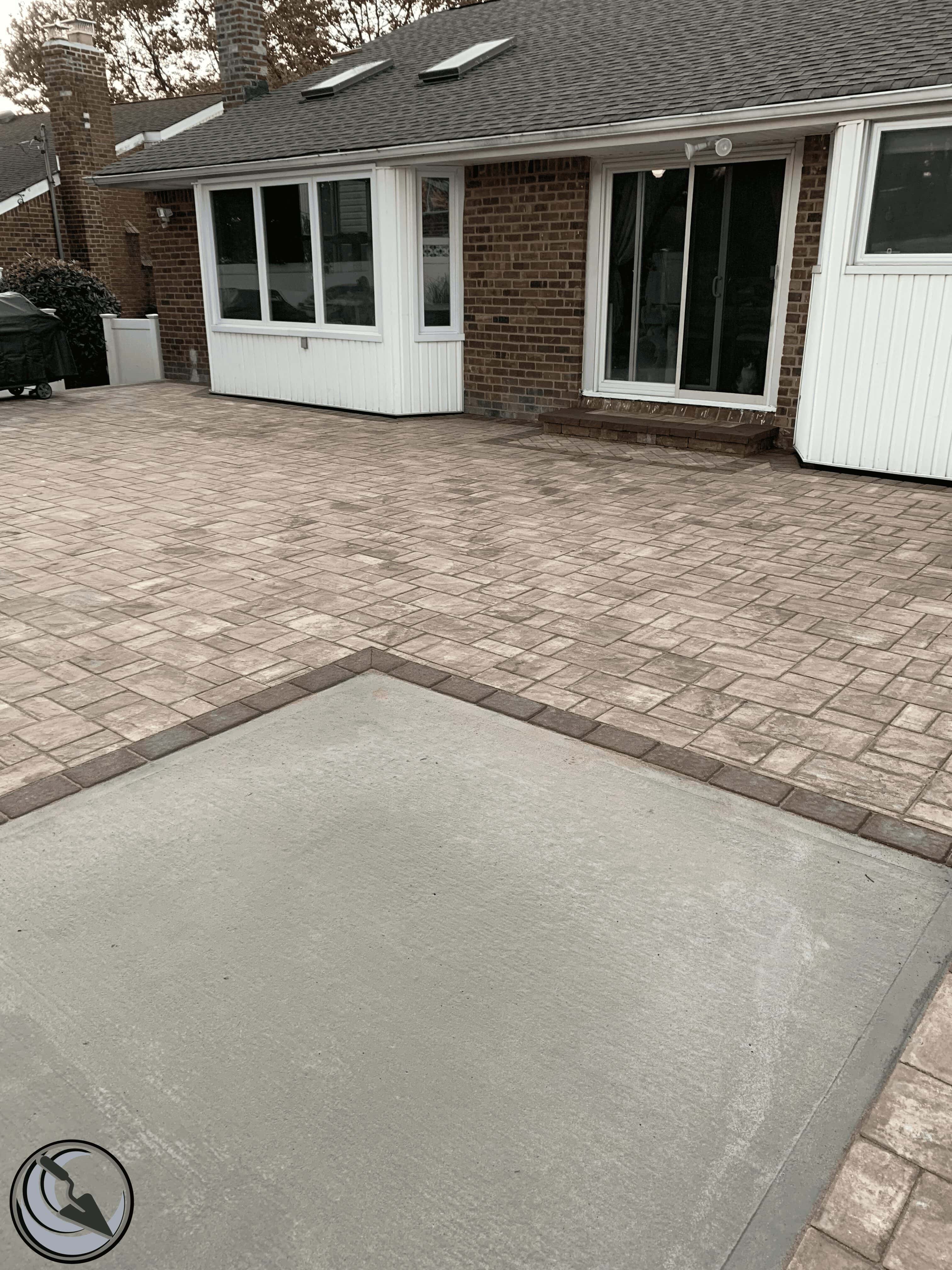
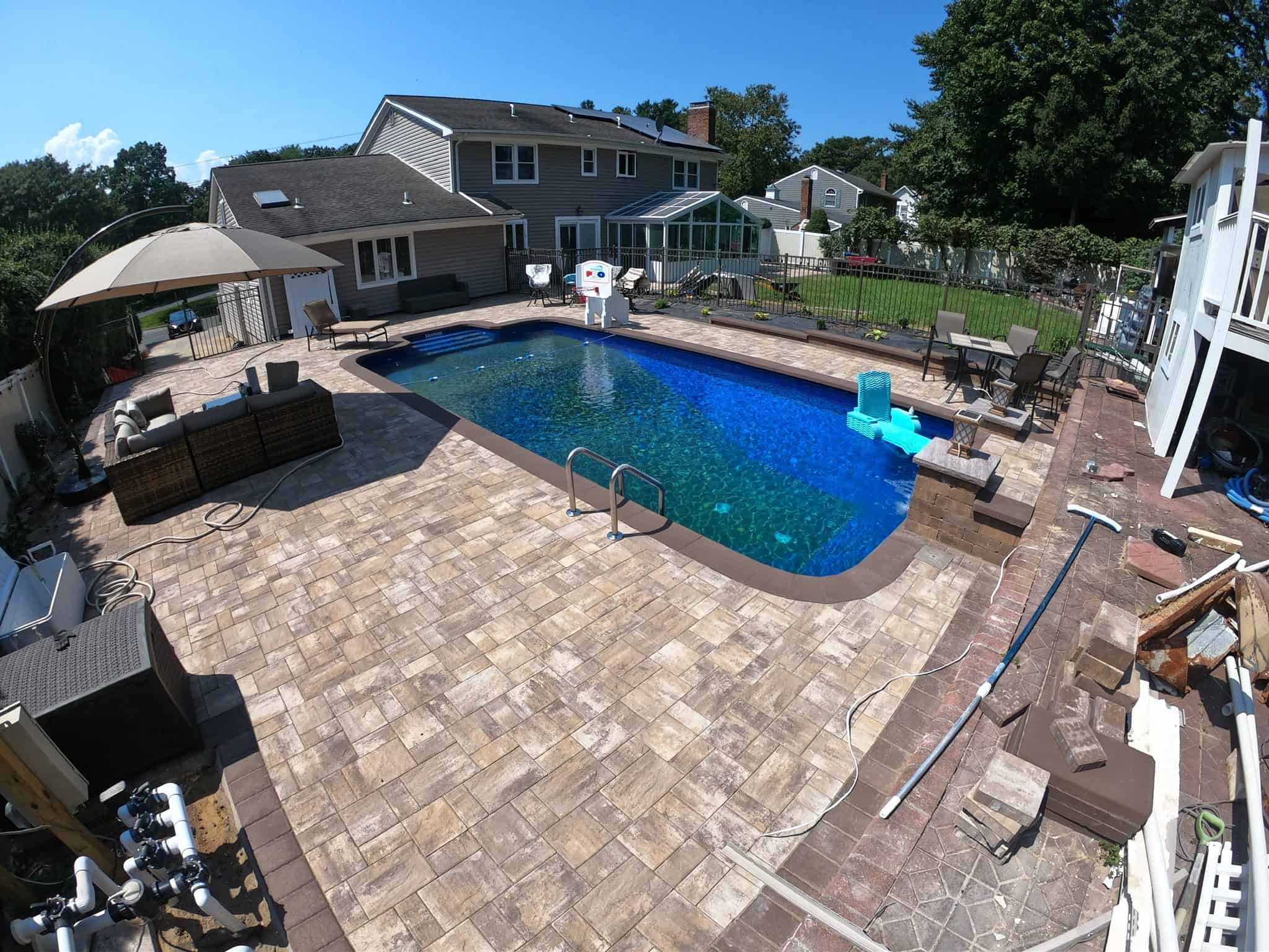
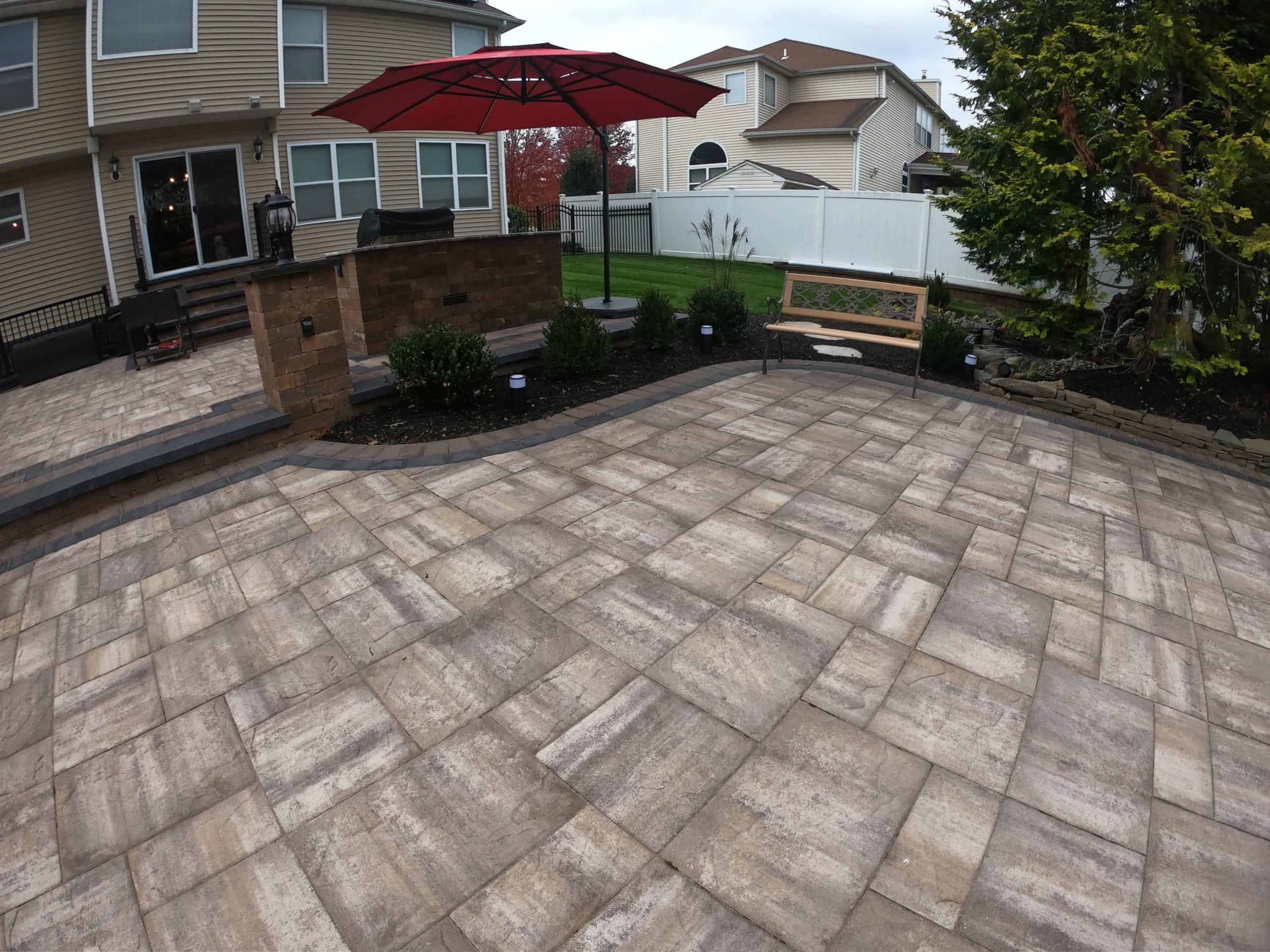
Building patios and walkways that survive Suffolk County’s climate demands understanding how materials respond to temperature fluctuations and moisture penetration. Brick masonry requires specific mortar compositions—typically a Type N mortar mix with 1 part portland cement, 1 part lime, and 6 parts sand—that flexes with seasonal movement without cracking. Concrete masonry achieves similar durability through air-entrained mixes containing 5-7% air bubbles that prevent freeze damage. Your project’s longevity depends on proper excavation depth, typically 8-10 inches for patios and 6-8 inches for walkways, allowing room for compacted stone bases that prevent settling. Stone Escapes Masonry & Outdoor Design Inc. matches these specifications to your soil conditions, creating stable platforms that resist the heaving common in clay-heavy Suffolk County soils.
Your material choice directly impacts maintenance costs and safety over time. Brick masonry using grade SW (severe weathering) bricks withstands Suffolk County’s moisture and freezing cycles better than standard-grade bricks that absorb water and crack. Concrete paving benefits from 4,000 PSI minimum compressive strength and low water-cement ratios that reduce permeability. These specifications prevent the surface deterioration that creates slip hazards and requires premature replacement.
Your material choice directly impacts maintenance costs and safety over time. Brick masonry using grade SW (severe weathering) bricks withstands Suffolk County’s moisture and freezing cycles better than standard-grade bricks that absorb water and crack. Concrete paving benefits from 4,000 PSI minimum compressive strength and low water-cement ratios that reduce permeability. These specifications prevent the surface deterioration that creates slip hazards and requires premature replacement.
Installation quality determines whether your patio develops problems within months or remains stable for decades. Mechanical soil compaction using vibratory plate compactors achieves 95% standard proctor density, creating bases that won’t settle under load. Joint spacing becomes critical—expansion joints every 10-12 feet in concrete surfaces accommodate thermal movement without cracking. For brick installations, a bed joint thickness of 3/8 inch filled with weather-resistant mortar prevents water infiltration that leads to freeze damage. Stone Escapes Masonry & Outdoor Design Inc. uses laser levels for grade control, maintaining proper slopes while creating level surfaces for furniture and foot traffic. These precision techniques prevent the ponding water and uneven settlement that compromise both safety and appearance.
Reinforcing your masonry prevents the cracking that starts small but spreads into major structural problems. Welded wire mesh or #4 rebar grids placed at mid-depth in concrete slabs distribute loads evenly and control crack formation. For brick applications, wall ties spaced every 16 inches vertically and 32 inches horizontally anchor masonry to backing materials, preventing separation during freeze-thaw cycles.
Surface treatments affect both aesthetics and functionality throughout Suffolk County’s seasons. Broom-finished concrete provides slip resistance during wet conditions while remaining smooth enough for comfortable walking. Sealed brick surfaces resist staining and moisture penetration, maintaining color consistency despite weather exposure. These finishing techniques prevent the surface deterioration that creates maintenance headaches and safety concerns.
Quality masonry construction protects your investment while creating outdoor spaces you’ll enjoy for years. Stone Escapes Masonry & Outdoor Design Inc combines proven materials with precise installation techniques, creating patios and walkways built for Suffolk County’s challenging conditions. Contact us today to discuss your project and receive a detailed consultation that addresses your specific site conditions and design preferences.
Article details:
Share:
Continue learning: