Choosing stone for your Long Island project? Understand the ideal types for outdoor durability and indoor beauty.
Share:
Summary:
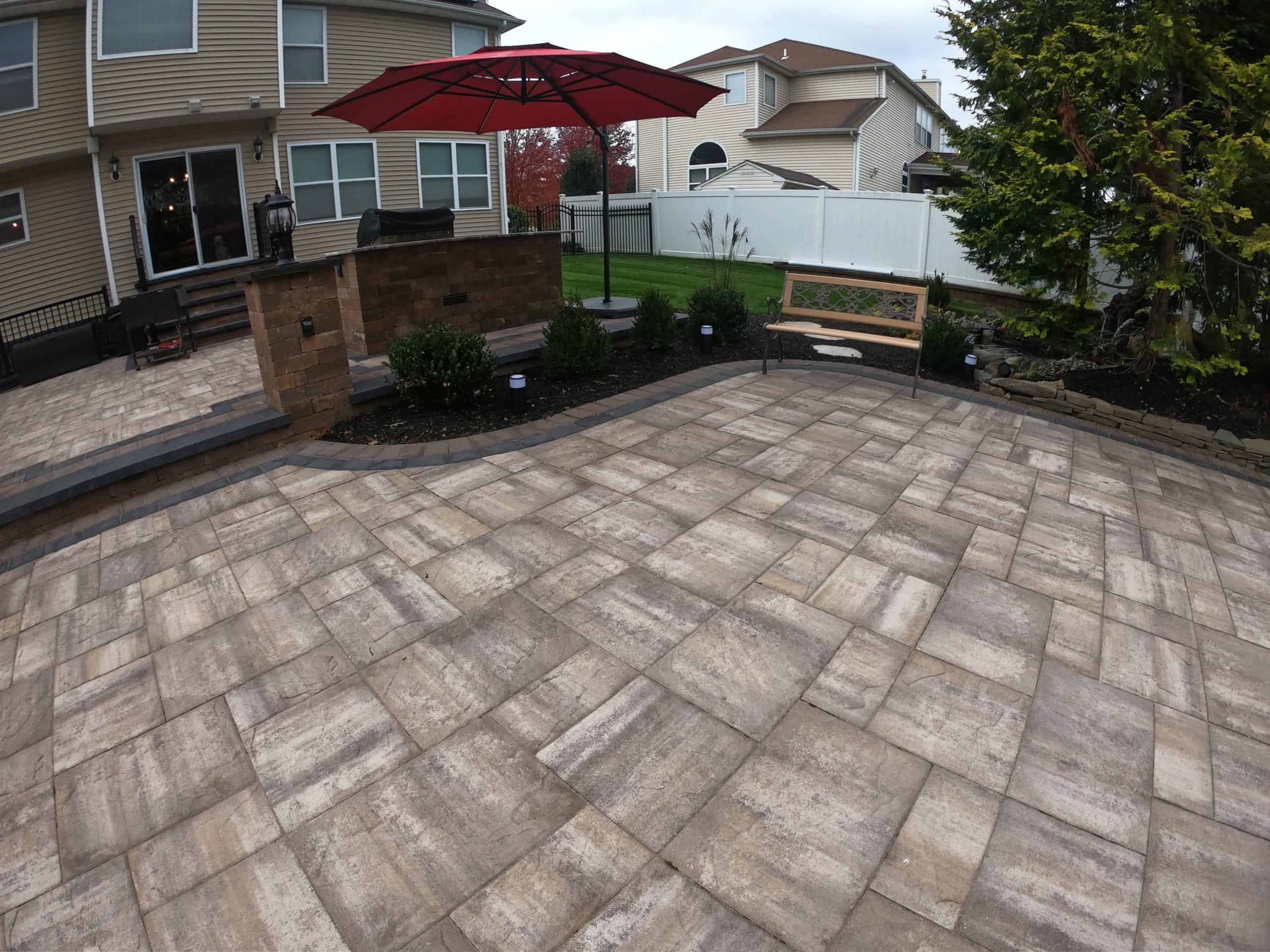
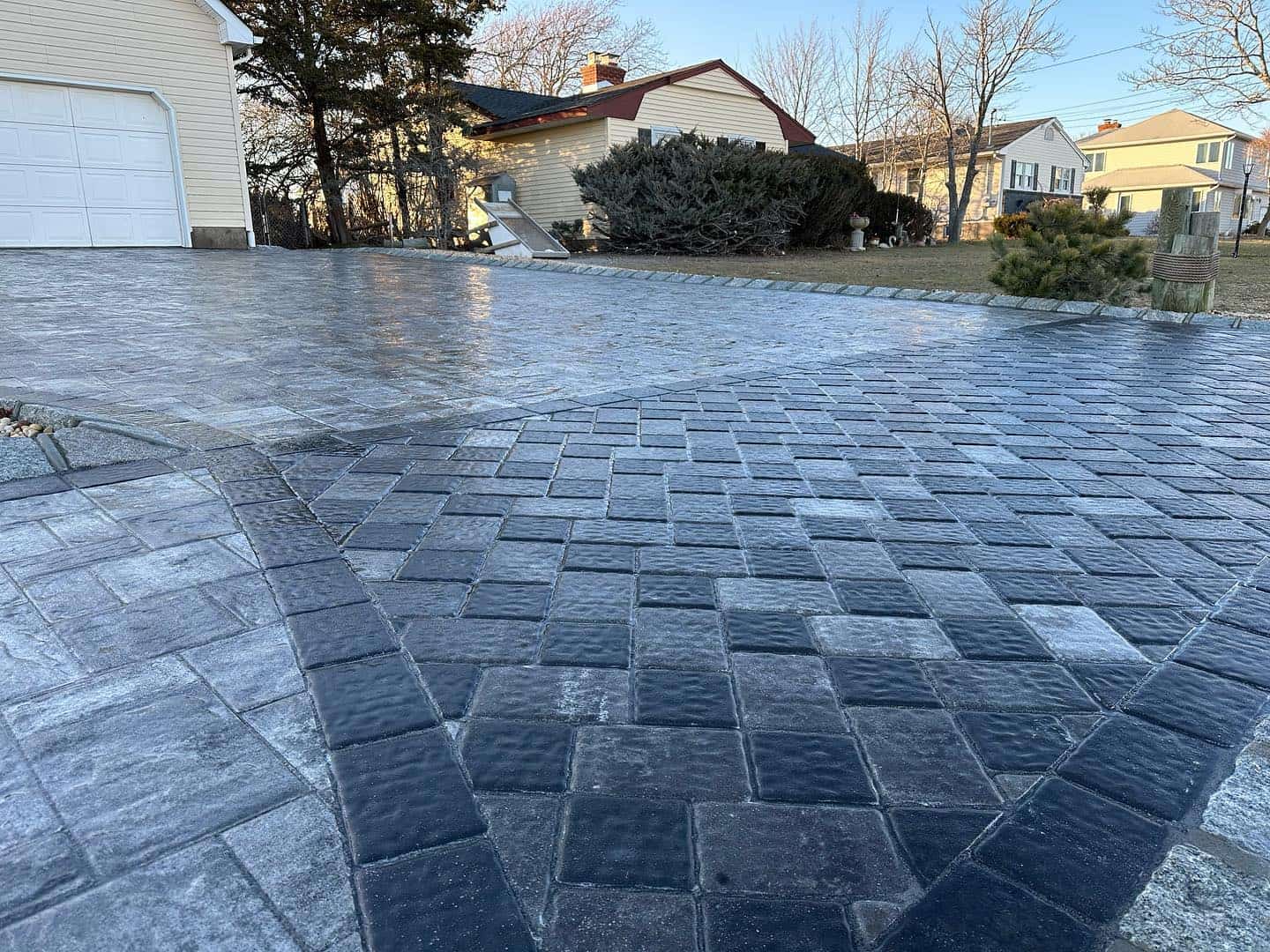
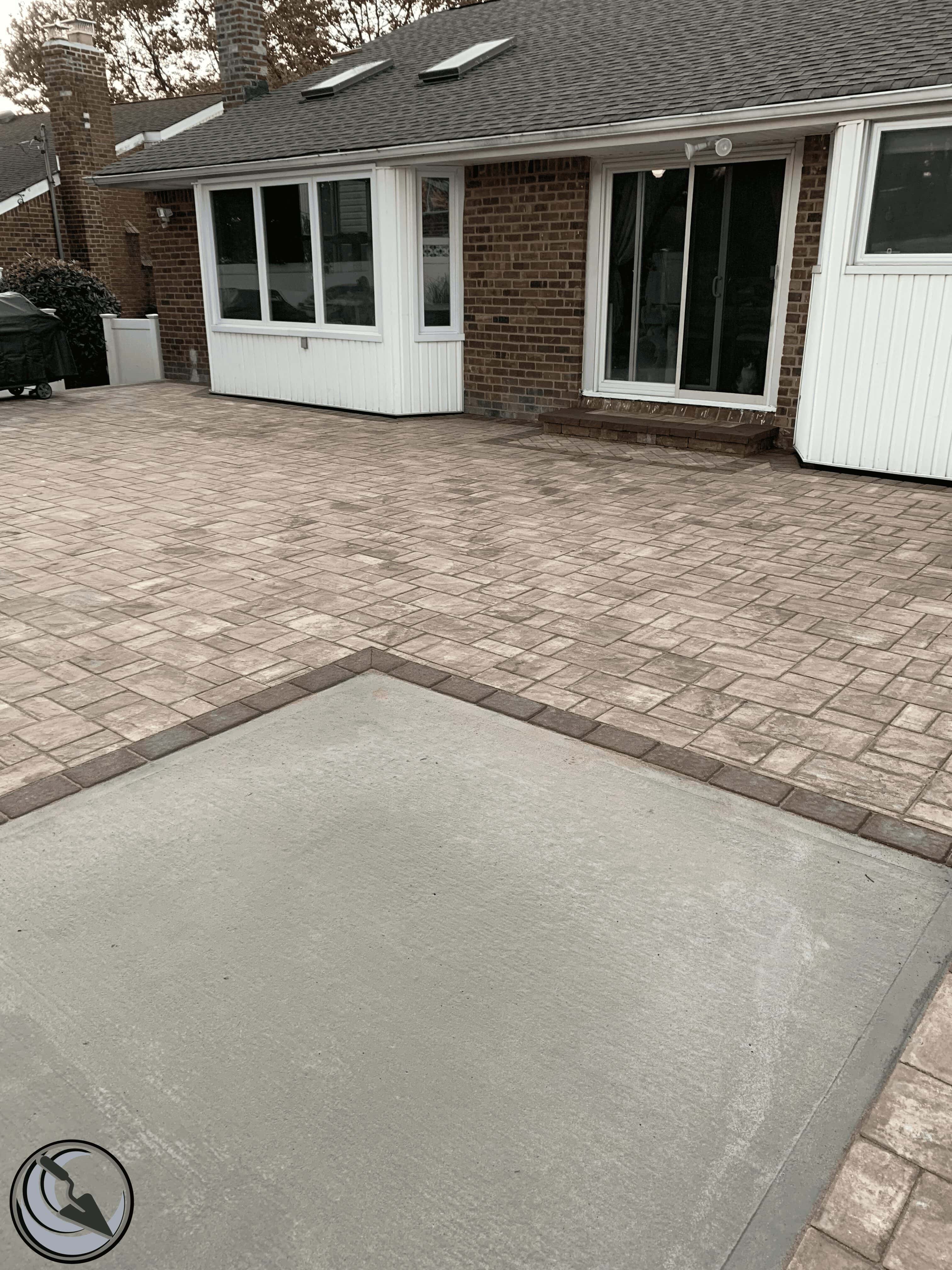
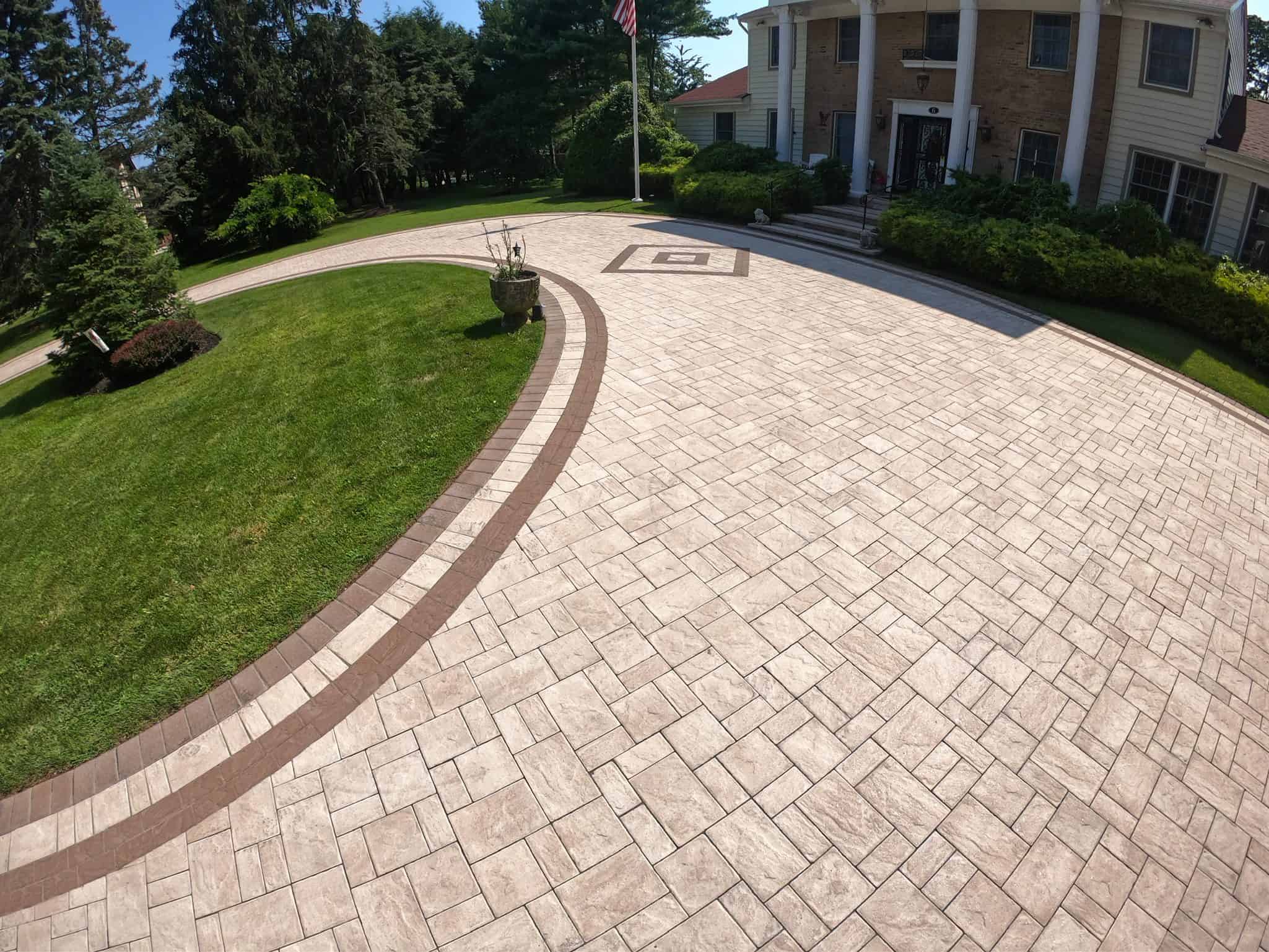
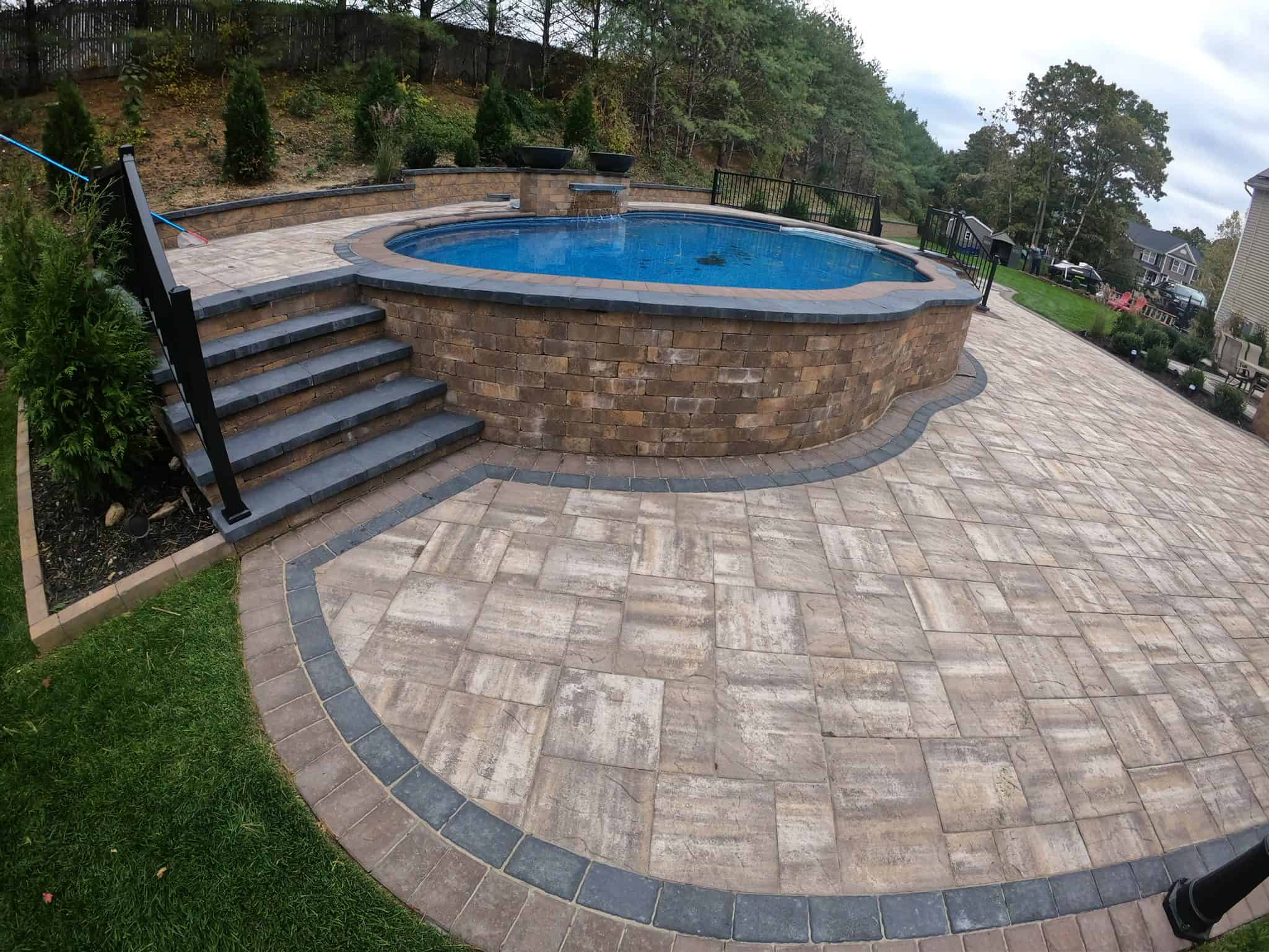
For exterior applications on Long Island, durability and resistance to the elements are top things to consider. Stones used for patios, walkways, driveways, and retaining walls must withstand temperature fluctuations, moisture, and wear. Granite, with its stellar hardness and resistance to weathering, is an excellent choice for high-traffic areas and load-bearing structures. Quartzite is another robust option, known for its strength and resistance to scratching and staining, making it suitable for walkways and pool decks. Bluestone, a popular choice for patios and walkways in the region, offers sustainability as well as a natural look. When consulting with masonry contractors for your outdoor projects, these stones are often recommended.
While technically manufactured, brick remains a widely used material for exterior applications, including walls, walkways, and even driveways. The process of bricklaying creates stabilized structures. Brick offers resistance when it comes to weathering and comes in a range of colors and textures, allowing for vast design options. For projects like foundation repair or building retaining walls, brick provides a structural foundation and a classic aesthetic that complements the Long Island landscape.
While technically manufactured, brick remains a widely used material for exterior applications, including walls, walkways, and even driveways. The process of bricklaying creates stabilized structures. Brick offers resistance when it comes to weathering and comes in a range of colors and textures, allowing for vast design options. For projects like foundation repair or building retaining walls, brick provides a structural foundation and a classic aesthetic that complements the Long Island landscape.
The selection of stone often involves balancing aesthetic preferences with functional requirements. For instance, a more durable quartzite might be a more practical choice for a kitchen countertop than a delicate marble, which is susceptible to staining. Similarly, for exterior walkways, a textured bluestone offers both appeal and slip resistance, an important safety factor. Experienced stone masonry professionals can assist you in choosing stones that meet both your design vision and the performance demands of the specific application.
Another factor to consider is the porosity of the stone. More porous stones, like some types of limestone and travertine, may require sealing to prevent staining and water damage, especially in areas prone to moisture. For exterior applications, resistance to water absorption is particularly important to prevent cracking during freeze-thaw cycles common on Long Island. Understanding the maintenance requirements of different stone types will help attain the long-term beauty and integrity of your masonry work.
While not a natural stone, concrete block work plays a role in many construction projects, both exterior and interior. Blocks provide a strong and cost-effective foundation for walls and other structures. They can be left exposed for an industrial look or faced with natural stone or brick for a more finished appearance. Structural capabilities of block work are essential for projects like foundation repair and building sturdy walls that can then be taken up to the next level with stone veneers.
Weighing the perfect stone for your Long Island home or business, be it for enduring outdoor installations or elegant interior accents, involves thoughtful consideration. By weighing factors such as resilience, reaction to the elements, visual charm, absorbency, and upkeep, you establish your project for good. Let the experience of Stone Escapes Masonry & Outdoor Design Inc. guide you in the ideal stone for your walkways, patios, interior walls, and beyond.
Article details:
Share:
Continue learning: