

Hear from Our Customers

You get outdoor spaces that handle Westhampton’s coastal conditions without the constant repairs. Your patio stays level through freeze-thaw cycles. Your retaining walls actually hold back soil instead of shifting after the first heavy rain.
When we excavate 8-10 inches deep and install proper drainage systems, water moves away from your foundation instead of pooling around it. You’re not dealing with cracked pavers or settling walkways two years down the road.
The difference shows in how your property looks and performs long-term. Neighbors notice. Property values reflect it. You actually enjoy your outdoor space instead of worrying about the next repair bill.
We’ve been serving Westhampton and Suffolk County homeowners who understand that coastal masonry requires specialized knowledge. Owner Iain Traynor brings union masonry experience and carpentry background to every project, staying involved from estimate through completion.
We’re licensed in Suffolk, Nassau, Southampton, and East Hampton because we know each area’s unique challenges. Westhampton’s sandy soil and coastal moisture demand specific techniques that generic contractors miss.
You work directly with our experienced crews who understand local building codes and soil conditions. No automated systems or project managers who’ve never held a trowel—just straightforward communication about what your property needs.
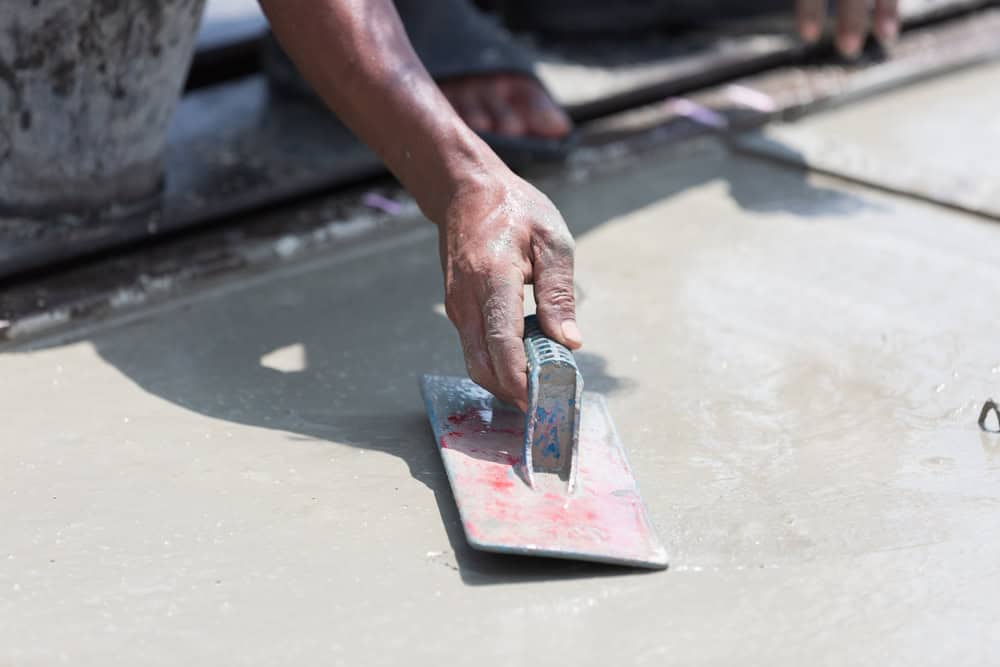
Every Westhampton project starts with Iain personally evaluating your property’s drainage patterns, soil conditions, and exposure to coastal elements. We’re looking at how water moves across your land and where problems develop during heavy rains.
Excavation goes 8-10 inches deep—deeper than many contractors dig—because Westhampton’s sandy soil requires proper base preparation. We install drainage systems before laying any stone or pavers, directing water away from structures and preventing the pooling that causes foundation issues.
Material selection considers salt air exposure and freeze-thaw cycles. We use manufacturer-certified techniques from Cambridge, Techo-Bloc, and Unilock because these systems are tested for coastal conditions. Edge restraint installation prevents shifting that destroys other installations within a few seasons.
Ready to get started?
Your masonry project includes proper site preparation designed for Westhampton’s coastal environment. We handle excavation, base layering, drainage planning, and edge restraint installation—the foundation work that determines whether your investment lasts five years or fifty.
Westhampton properties face unique challenges from sandy soil that drains quickly but can create concentrated water flow. Our drainage systems include French drains and proper gravel backfill designed for high water table conditions common near the coast.
Material certification from Cambridge, Techo-Bloc, Unilock, Nicolock, Eldorado, and Boral means your installation meets manufacturer standards for coastal applications. We source materials rated for salt air exposure and freeze-thaw resistance—requirements that matter when you’re this close to the water.
Project oversight stays direct and personal. Iain handles estimates and planning, consistent crews execute the work, and communication remains straightforward throughout. No project portals or automated updates—just real conversations about your property’s specific needs.

We excavate 8-10 inches deep for most masonry installations in Westhampton, which is deeper than many contractors dig but necessary for our coastal conditions. Westhampton’s sandy soil drains quickly but can shift without proper base preparation.
The excavation depth allows us to install adequate base material and drainage systems that handle water flow during heavy rains and storm surges. We also excavate below the frost line when required, typically 30-36 inches for retaining walls and foundations, preventing frost heave damage that destroys installations over time.
This deeper excavation costs more upfront but prevents the settling and shifting problems that require expensive repairs within a few years. Your investment stays stable through seasonal changes and severe weather events.
Every Westhampton project includes drainage planning because coastal properties face water management challenges that inland areas don’t experience. We install French drains, proper grading, and water diversion systems that direct runoff away from structures and prevent pooling.
Westhampton’s sandy soil creates unique drainage patterns where water moves quickly but can concentrate in problem areas, undermining foundations and causing erosion. Our systems include gravel backfill and weep holes designed for high water table conditions common near the coast.
The drainage work happens during excavation, before any stone or pavers are installed. This prevents water from getting trapped under your installation where it can cause frost damage and settling. Proper drainage extends the life of your masonry work and protects your property’s foundation.
Yes, we handle permit applications for masonry projects requiring approval in Westhampton and throughout Suffolk County. Our licensing in multiple jurisdictions means we understand local building codes and requirements that vary between townships.
Westhampton projects often require permits for retaining walls over certain heights, drainage work, and installations near property lines or wetlands. We know which projects need permits and handle the application process, including required drawings and specifications.
Working with a licensed contractor ensures your project meets local codes and passes inspections. This protects your investment and prevents problems when you sell your property. Unpermitted work can create legal and financial complications that cost far more than proper permitting upfront.
Natural stone like granite and bluestone performs exceptionally well in Westhampton’s coastal environment because of their low water absorption and resistance to salt air. These materials handle freeze-thaw cycles without cracking and maintain their appearance despite coastal exposure.
We also use manufacturer-certified pavers from Cambridge, Techo-Bloc, and Unilock that are specifically rated for coastal applications. These systems include materials designed for salt air exposure and installation techniques that prevent joint failure from freeze-thaw cycles.
Material selection depends on your project’s specific exposure and requirements. We avoid limestone and sandstone in high-exposure areas due to their porosity and susceptibility to acid damage from salt air. The right materials cost more initially but eliminate the replacement costs that cheaper alternatives require within a few years.
Properly installed masonry work in Westhampton typically lasts 25-50 years with minimal maintenance when we use appropriate materials and installation techniques for coastal conditions. The key factors are proper excavation, drainage systems, and materials rated for salt air exposure.
Westhampton’s coastal climate accelerates deterioration of substandard installations, but quality work actually performs well here because we design for the conditions. Proper base preparation and drainage prevent the water damage and frost heave that destroy other installations within 5-10 years.
Regular maintenance includes occasional joint sand replacement and sealing natural stone surfaces every few years. This minimal upkeep preserves your investment and prevents minor issues from becoming major problems. Quality installation eliminates the replacement cycles that cheaper work requires.
Excavation depth determines whether your masonry work stays stable through Westhampton’s seasonal changes and severe weather events. Shallow excavation saves money initially but creates foundation problems that require expensive repairs within a few years.
Westhampton’s sandy soil shifts easily without adequate base preparation. Eight to ten inches of excavation allows proper base material installation and drainage systems that handle water flow during heavy rains and storm surges common in coastal areas.
Deeper excavation also reaches below unstable surface soil to more solid base material. This prevents settling that causes uneven surfaces and cracked joints. The additional excavation cost is minimal compared to rebuilding installations that fail due to inadequate preparation.