

Hear from Our Customers

You’re tired of looking at that cracked patio or settling driveway. You want outdoor spaces that actually last through Long Island winters and look great doing it.
When we finish your project, you’ll have masonry work that stands up to freeze-thaw cycles, handles proper drainage, and gives you the outdoor living space you’ve been planning. No more worrying about water pooling around your foundation or pavers shifting every spring.
Your neighbors will notice the difference. More importantly, you’ll finally have the functional, beautiful outdoor space that works with your lifestyle instead of against Long Island’s challenging conditions.
Stone Escapes has been handling West Sayville masonry projects since our business started, and there’s a reason most of our work comes from referrals. Owner Iain Traynor learned the trade working with Local 1 Bricklayers Union in Manhattan before bringing that expertise to Long Island’s unique conditions.
We hold licenses in Suffolk County, Nassau County, and the Townships of Southampton and East Hampton. That’s not just paperwork – it means understanding local codes, soil conditions, and the specific challenges that West Sayville properties face with sandy soil and coastal weather.
Every estimate comes directly from Iain, and he stays involved throughout your project. No surprises, no subcontractors you’ve never met, no wondering who’s actually doing the work on your property.
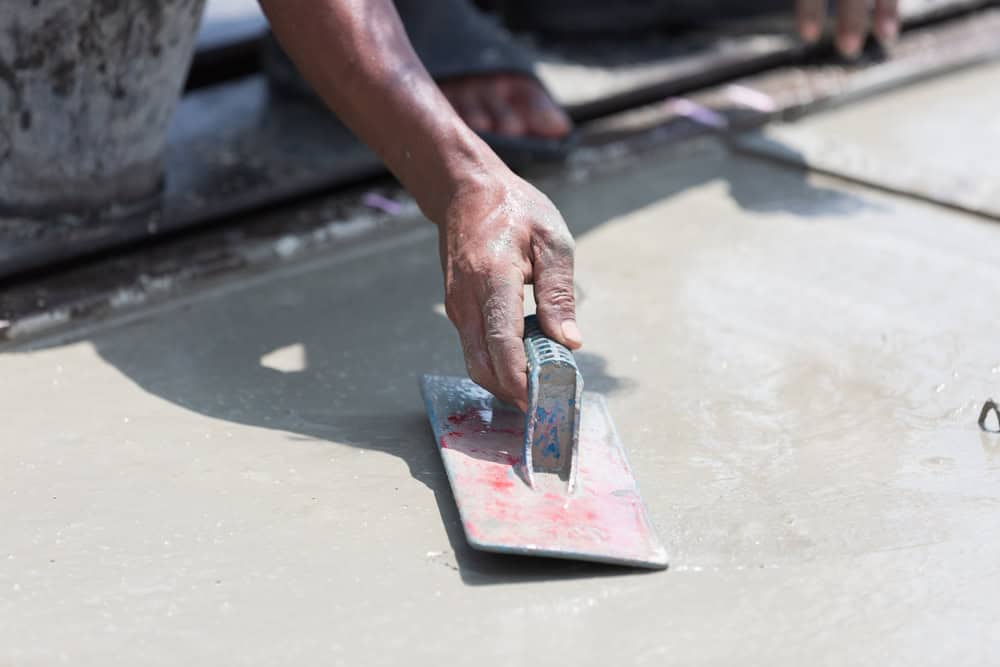
First, Iain comes to your West Sayville property for a detailed assessment. He’s looking at drainage patterns, soil conditions, and how your existing landscape affects the project. This isn’t a quick measurement – it’s understanding what your property needs to handle Long Island’s weather.
Next comes the real work. Every project starts with excavation to 8-10 inches, proper base layering, and drainage planning designed for West Sayville’s sandy soil conditions. This foundation work separates projects that last from ones that need repair in two years.
Installation follows manufacturer specifications for your chosen materials, whether that’s Cambridge pavers, Techo-Bloc, or natural stone. Edge restraints prevent shifting. Drainage systems handle Long Island’s freeze-thaw cycles. When the project’s complete, you get a walkthrough explaining maintenance and warranty coverage.
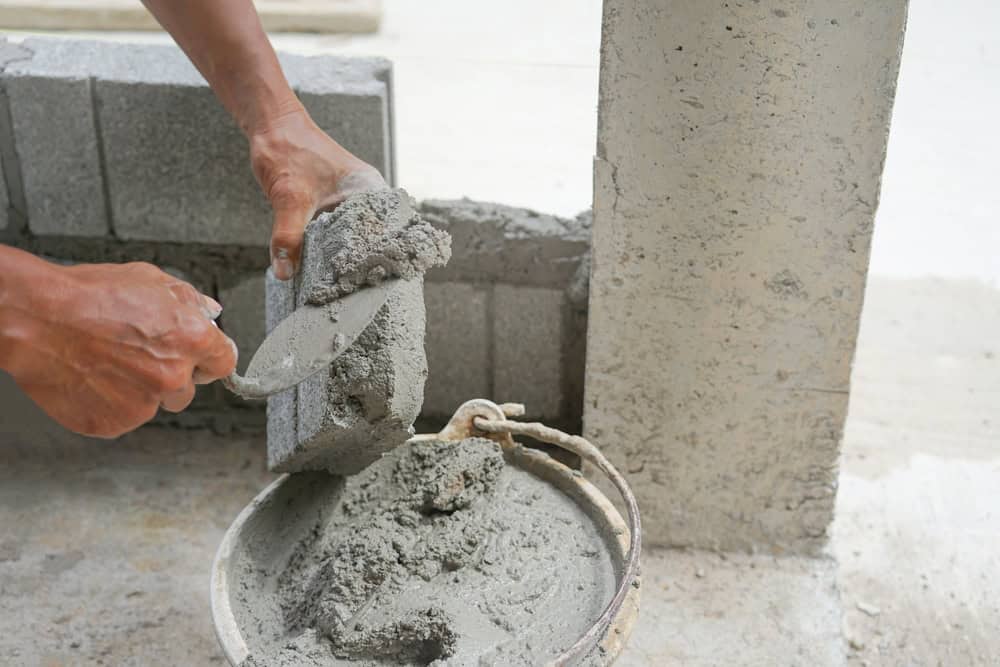
Ready to get started?
Every Stone Escapes project includes proper excavation, base preparation, and drainage planning designed specifically for West Sayville’s challenging conditions. We use certified materials from Cambridge, Techo-Bloc, Unilock, Nicolock, Eldorado, and Boral – manufacturers that understand northeastern weather demands.
Installation includes edge restraint systems to prevent shifting, proper compaction techniques for sandy Long Island soil, and integrated drainage solutions that direct water away from your home’s foundation. This prevents the pooling and freeze-thaw damage that destroys inferior installations throughout West Sayville.
West Sayville properties deal with coastal moisture, seasonal temperature swings, and soil that shifts with weather changes. We address these specific conditions in every project, from paver patios and driveways to retaining walls and outdoor kitchens. Your work comes with warranty coverage and maintenance guidance to protect your investment for decades.

West Sayville’s sandy soil requires specific preparation techniques that many contractors skip. We excavate to 8-10 inches and install proper base layers with compaction designed for these challenging sandy conditions.
Drainage planning happens during the design phase, not as an afterthought. We evaluate how water moves across your West Sayville property and integrate drainage solutions that prevent pooling around foundations and structures. This includes proper grading, drainage channels where needed, and ensuring water flows away from your home.
The combination of deep excavation, proper base preparation, and integrated drainage prevents the settling and water damage that destroys masonry projects in West Sayville’s challenging coastal environment.
Owner involvement on every project sets Stone Escapes apart from larger companies that send different crews and subcontractors. Iain Traynor handles every West Sayville estimate personally and stays involved throughout construction.
We hold certifications from major manufacturers like Cambridge, Techo-Bloc, and Unilock, which means access to premium materials and installation techniques that meet manufacturer warranty requirements. Not every masonry contractor has these certifications or understands how to install materials properly.
Experience with Long Island’s specific conditions matters. We’ve been solving drainage issues, handling sandy soil, and building masonry that survives freeze-thaw cycles for fifteen years. That local expertise shows in West Sayville projects that last decades instead of needing repairs in a few years.
Project timelines depend on scope, weather, and material availability, but most residential patio and driveway projects in West Sayville take 3-7 days once work begins. Larger projects with retaining walls or outdoor kitchens may take 1-2 weeks.
Weather affects masonry work, especially during West Sayville’s winter months. We don’t rush projects during poor conditions because proper curing and installation require appropriate temperatures and dry conditions for Long Island’s climate.
The timeline includes excavation, base preparation, material installation, and final cleanup. We provide realistic schedules during the estimate phase and keep you updated if weather or other factors affect timing. Quality installation takes the time it takes – rushing leads to problems later.
Yes, Stone Escapes provides warranty coverage on workmanship and stands behind the quality of materials used in every West Sayville project. Specific warranty terms depend on the project scope and materials chosen.
Manufacturer warranties apply to certified materials like Cambridge pavers, which often include lifetime warranties on structural integrity when installed according to specifications. Our installation techniques meet these manufacturer requirements for West Sayville’s challenging conditions.
The warranty covers workmanship defects and installation issues, but doesn’t cover damage from settling due to poor drainage or soil conditions that weren’t addressed during the original project. That’s why proper site preparation and drainage planning are so important for long-term performance in West Sayville.
Spring through fall offers the best conditions for masonry installation in West Sayville. April through October typically provides consistent temperatures and lower precipitation that allow for proper installation and curing in Long Island’s climate.
Winter projects are possible but weather-dependent. Freezing temperatures affect mortar curing and material installation, so we’re selective about winter work in West Sayville. Emergency repairs happen year-round, but new installations work best in favorable conditions.
Planning your West Sayville project for spring installation means materials can be ordered during winter months and work can begin as soon as conditions allow. This also gives you the full season to enjoy your new outdoor space before the next Long Island winter arrives.
Proper drainage is the primary defense against freeze-thaw damage in West Sayville’s challenging climate. We design systems that prevent water from pooling in or around masonry structures, which eliminates the source of freeze-thaw problems that plague Long Island properties.
Base preparation includes materials and techniques that allow water to drain away rather than collecting under pavers or against retaining walls. This prevents the expansion and contraction that cracks inferior installations throughout West Sayville neighborhoods.
Material selection also matters for West Sayville projects. We use freeze-thaw resistant materials appropriate for Long Island’s climate and install them according to manufacturer specifications designed for northeastern weather conditions. The combination of proper drainage, quality materials, and correct installation techniques prevents the damage that destroys other masonry work.