

Hear from Our Customers

You’re dealing with Long Island’s unique challenges every day. Sandy soil that shifts. Coastal moisture that seeps into everything. Freeze-thaw cycles that crack inferior work within a few seasons.
When you choose the right masonry contractor in West Hills, NY, those problems become strengths. Your patio stays level because we excavate 8-10 inches deep and install proper base layering. Your retaining walls don’t bow or crack because we engineer drainage systems specifically for Long Island’s high water table and rainfall patterns.
You get outdoor spaces designed to handle what nature throws at them. Not just this year, but for decades to come.
Stone Escapes has been solving Long Island’s toughest masonry challenges since day one. Owner Iain Traynor brings union masonry training from Local 1 Bricklayers in Manhattan, plus certifications from Cambridge, Techo-Bloc, Unilock, and other top manufacturers.
We’re licensed in Suffolk County, Nassau County, Southampton, and East Hampton. More importantly, we understand West Hills’ soil conditions, drainage patterns, and the coastal exposure that demands specific materials and techniques.
Every estimate comes directly from Iain. Every job site has him present throughout the entire project. That’s not typical for masonry contractors, but it’s how we ensure your project gets done right the first time.
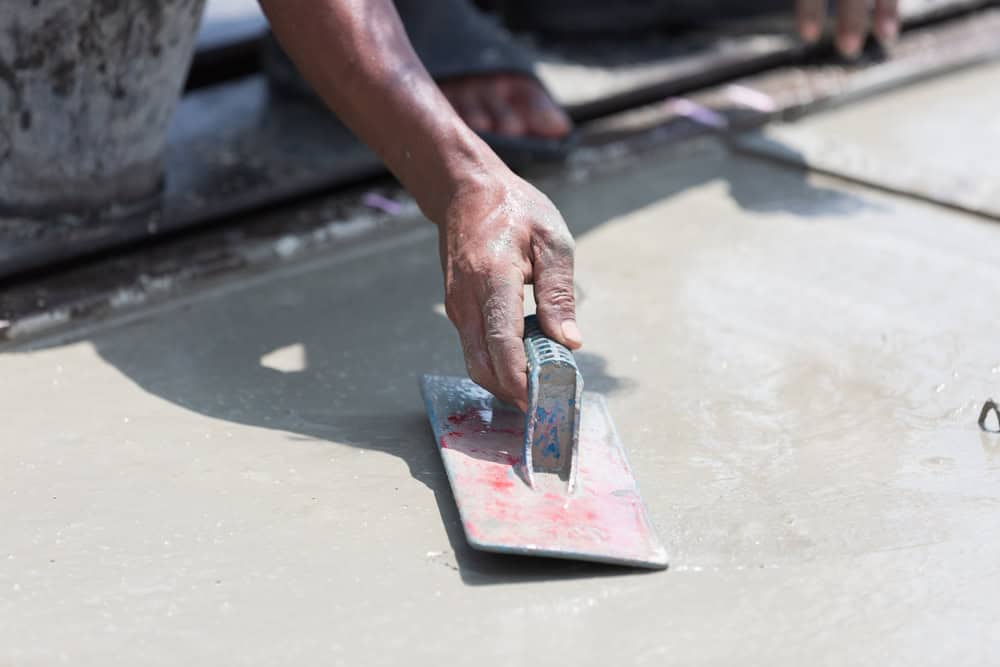
Your project starts with Iain personally evaluating your property’s specific soil conditions, drainage patterns, and grade requirements. We’re not guessing—we’re engineering solutions for Long Island conditions.
Excavation goes to proper depth, typically 8-10 inches, reaching below the frost line to prevent heaving. We install crushed stone base material with proper compaction, creating stable foundation support that accommodates sandy soil characteristics.
Drainage gets special attention. We integrate weep holes, gravel backfill, and water management systems designed for Long Island’s coastal climate and seasonal water level fluctuations. Your project gets completed with appropriate materials and final grading to ensure proper landscape integration.
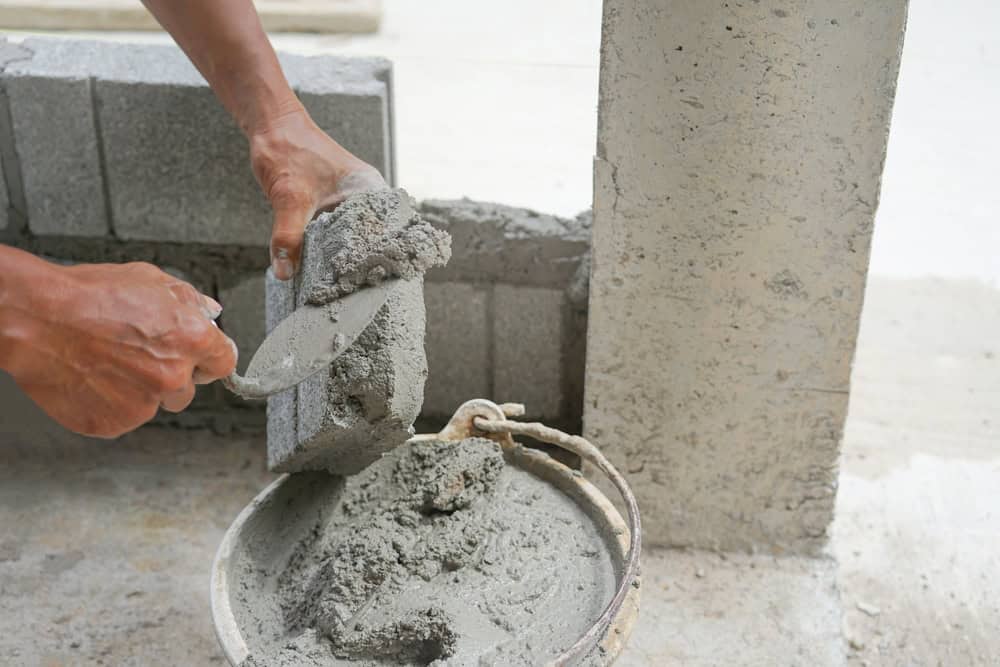
Ready to get started?
Your masonry project in West Hills faces specific challenges that generic contractors often miss. The sandy soil composition requires deeper foundations and specialized backfill materials. Coastal proximity creates high water tables and seasonal fluctuations that affect wall design requirements.
We use materials specifically chosen for Long Island’s freeze-thaw cycles and salt air exposure. Cambridge pavers, Techo-Bloc systems, and Unilock products that come with manufacturer warranties, installed with techniques that prevent the settling and cracking common to this area.
Every patio, walkway, and retaining wall gets engineered for Long Island’s unique conditions. That means proper drainage, frost-resistant materials, and foundation depth that meets local requirements. You get outdoor spaces that look great and perform reliably, year after year.

In West Hills and throughout Long Island, masonry foundations need to extend 30-36 inches deep to reach below the frost line and prevent frost heave damage. This is particularly critical given our sandy soil composition, which drains quickly but requires deeper foundations for long-term stability.
We excavate to proper depth for every project, then install crushed stone base material with proper compaction. This creates stable foundation support that accommodates Long Island’s soil characteristics and prevents the settling issues common with shallow installations.
The extra depth also allows us to integrate proper drainage systems, which are essential for managing Long Island’s coastal moisture and seasonal water level fluctuations.
Long Island’s high water table and coastal climate demand specialized drainage solutions. We install French drains with proper gravel backfill materials designed specifically for these conditions. Integrated weep holes in retaining walls prevent hydrostatic pressure buildup that causes wall failure.
Our drainage systems direct water away from structures and prevent pooling that can damage foundations. This is especially important in West Hills, where sandy soil drains quickly but can create concentrated water flow that undermines wall foundations without proper design.
Every drainage system gets engineered for Long Island’s rainfall patterns and coastal exposure. We’re not using generic solutions—we’re designing systems that handle the specific challenges of this area’s climate and soil conditions.
With proper installation techniques designed for Long Island conditions, quality masonry work should last decades without major issues. The key is using the right materials and installation methods for our unique coastal climate and sandy soil composition.
We use frost-resistant materials and proper foundation depth to prevent wall failure from freeze-thaw cycles. Our drainage systems are engineered to handle Long Island’s seasonal water level fluctuations and coastal moisture exposure. Quality manufacturers like Cambridge and Unilock provide lifetime warranties on their materials when properly installed.
The difference between masonry that lasts decades versus work that fails within a few seasons comes down to understanding local conditions and using appropriate techniques. That’s why we focus exclusively on Long Island projects and stay current with manufacturer certifications.
West Hills’ coastal exposure requires materials specifically chosen for salt air resistance and moisture tolerance. We use Cambridge pavers, Techo-Bloc systems, Unilock products, and other manufacturer-certified materials that come with warranties for coastal applications.
Natural stone selections need to be non-porous and freeze-resistant. Concrete products require specific mix designs that resist salt penetration and thermal cycling. Mortar and joint materials get selected for their ability to handle Long Island’s temperature fluctuations without cracking.
We also use specialized sealers and protective treatments designed for coastal environments. These aren’t standard materials—they’re products specifically engineered for the challenges of Long Island’s coastal climate and proven to perform in these conditions.
Most masonry failures on Long Island stem from inadequate drainage systems and improper foundation preparation for sandy soil conditions. Contractors who don’t understand local conditions often skip critical steps like proper excavation depth and drainage integration.
Shallow foundations lead to frost heave damage during winter months. Poor drainage allows hydrostatic pressure buildup behind retaining walls, causing bowing and eventual collapse. Using materials not designed for coastal exposure results in premature deterioration from salt air and moisture.
Generic installation techniques that work elsewhere often fail here because they don’t account for Long Island’s unique soil composition, high water table, and coastal climate. That’s why we focus exclusively on Long Island projects and use techniques specifically developed for these conditions.
Look for contractors licensed specifically in Nassau and Suffolk Counties who understand Long Island’s unique conditions. Verify they have manufacturer certifications from companies like Cambridge, Techo-Bloc, and Unilock, which require training on proper installation techniques.
Ask about their approach to drainage and foundation preparation. Contractors experienced with Long Island conditions will discuss excavation depth, base preparation, and drainage integration without prompting. They should explain how their methods address sandy soil and coastal moisture challenges.
Check that they carry proper licensing and insurance for your specific township. In West Hills, you want contractors familiar with local building codes and soil conditions, not generic contractors who treat every project the same way regardless of location.