

Hear from Our Customers

Your property deserves masonry work that won’t crack after the first winter or crumble from salt air. You get structures built specifically for Long Island’s challenging conditions—proper drainage, freeze-thaw resistant materials, and installation techniques that prevent the settling and shifting that destroy other contractors’ work.
Every project starts with understanding your property’s unique challenges. Sandy soil, coastal moisture, and temperature swings require different approaches than standard masonry techniques. You end up with patios, driveways, and outdoor living spaces that look great and perform reliably year after year.
The difference shows in the details: excavation depths that prevent settling, base materials that drain properly, and edge restraints that keep everything in place through multiple freeze-thaw cycles.
We’ve been serving Southold and the North Fork since gaining recognition through Cambridge Pavingstone publications. Owner Iain Traynor brings carpentry and union masonry experience to every project, staying directly involved in estimates, planning, and execution.
You work directly with us, not sales reps or project managers. Estimates happen in person, communication stays direct, and our experienced crews handle your project from start to finish.
We’re licensed in Suffolk, Nassau, and various Long Island townships, with certifications from Cambridge, Techo-Bloc, Unilock, Nicolock, Eldorado, and Boral. This isn’t just about having the right paperwork—it’s about understanding local codes, soil conditions, and building techniques that work specifically in Southold’s coastal environment.
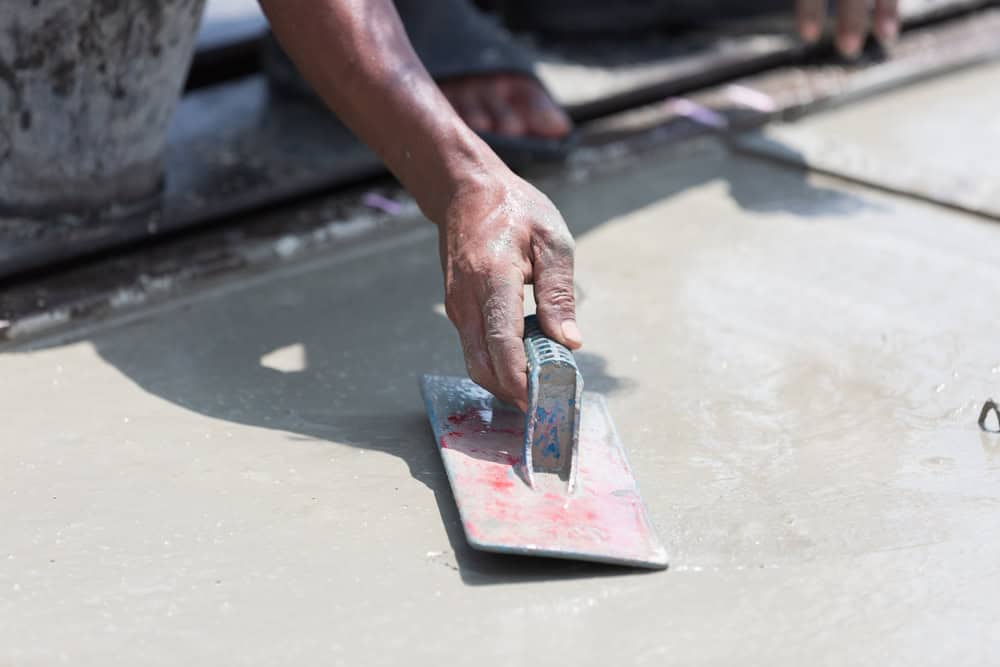
Your project starts with an in-person consultation where we assess your property’s specific conditions—soil type, drainage needs, and exposure factors that affect material selection and installation techniques. You get a complete breakdown of what’s involved, not vague estimates that change later.
Site preparation follows proven methods: excavation to 8-10 inches, proper base layering, and drainage planning designed for Long Island’s sandy soil and moisture conditions. Edge restraints go in to prevent shifting, and compaction happens at the right intervals to prevent settling.
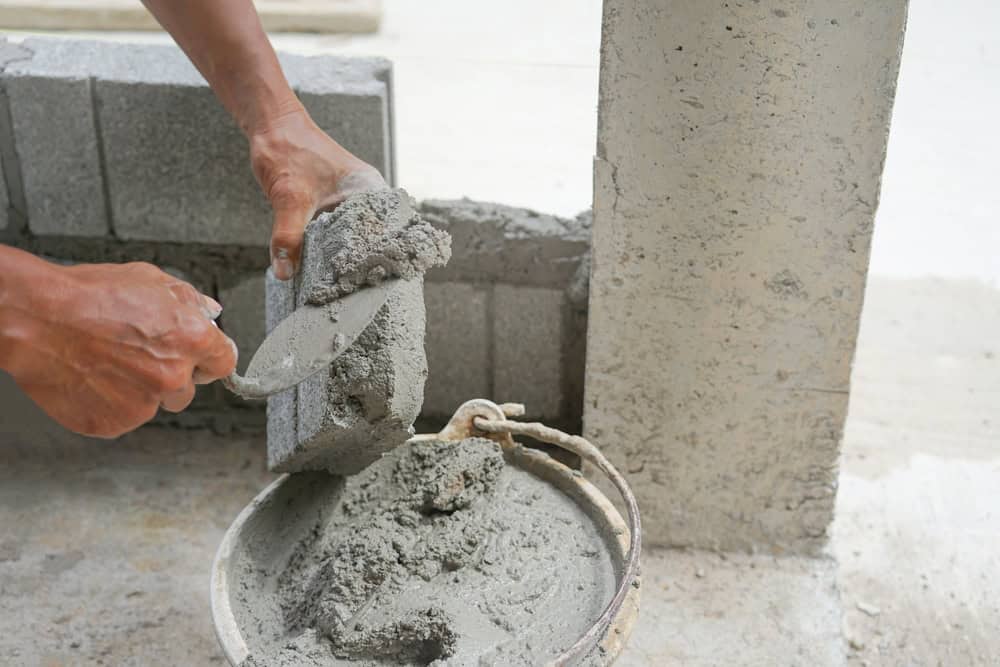
Construction uses materials specifically chosen for coastal conditions and freeze-thaw resistance. You see consistent crews who know your project, direct communication when questions arise, and work that meets manufacturer specifications for long-term performance.
Ready to get started?
Southold’s location on the North Fork creates specific challenges other Long Island areas don’t face. You’re dealing with more direct salt air exposure, sandy soil that requires careful compaction, and temperature fluctuations that happen multiple times each winter.
Your masonry work needs to handle these conditions without the cracking, settling, or deterioration that destroys standard installations. That means deeper excavation, specific base materials, proper drainage solutions, and materials selected for their resistance to salt air and freeze-thaw cycles.
We provide paver patios, driveways, walkways, retaining walls, outdoor kitchens, fire features, water features, and poolscape installations. Each project gets planned for your property’s specific soil conditions, drainage needs, and exposure factors that affect long-term performance in Southold’s coastal environment.

Southold’s North Fork location creates more challenging conditions than most Long Island areas face. You’re dealing with more direct salt air exposure from both the Long Island Sound and Atlantic Ocean, which can cause chemical reactions that weaken certain masonry materials over time.
The sandy soil common in Southold drains well but requires specific compaction techniques and base preparation to prevent settling. Standard installation depths that work elsewhere often aren’t sufficient here—proper excavation typically needs to go 8-10 inches deep with careful attention to base layering and edge restraints.
Temperature fluctuations also happen more frequently in coastal areas, creating repeated freeze-thaw cycles that can crack improperly installed masonry. Materials need to be selected specifically for their resistance to these conditions, not just their appearance or initial cost.
Settling and cracking usually happen because contractors skip proper site preparation or use installation techniques that work in other climates but fail in Long Island’s conditions. Proper prevention starts with understanding your specific soil conditions and planning accordingly.
Excavation depth matters more than most homeowners realize. Sandy soil requires deeper excavation—typically 8-10 inches—with specific base materials that provide both stability and drainage. The base gets installed in layers with proper compaction at each stage, not dumped in all at once like some contractors do.
Edge restraints prevent the lateral movement that causes pavers to shift over time. Drainage planning addresses water flow patterns specific to your property, preventing the water penetration that causes freeze-thaw damage. Using materials certified for coastal conditions ensures they can handle salt air exposure without deteriorating.
Your estimate happens in person, not over the phone or through photos. This allows proper assessment of your property’s soil conditions, drainage patterns, existing structures, and exposure factors that affect material selection and installation techniques.
You get a complete breakdown of what’s involved—excavation requirements, base preparation, material specifications, drainage solutions, and timeline expectations. No blank spaces in contracts or vague descriptions that lead to surprise charges later.
Our planning process includes discussing material options based on your specific conditions, not just showing you the cheapest or most expensive choices. You understand why certain materials work better in Southold’s coastal environment and what installation techniques prevent the problems you see with other contractors’ work.
Material selection for Southold needs to account for salt air exposure, freeze-thaw cycles, and sandy soil conditions that create different challenges than inland areas face. Not all masonry materials handle these conditions equally well.
Concrete pavers from manufacturers like Cambridge, Techo-Bloc, and Unilock typically perform well because they’re engineered for freeze-thaw resistance and have lower water absorption rates. Natural stone options like bluestone and granite also handle coastal conditions well, while softer stones like limestone can deteriorate from salt air exposure.
The key characteristics to look for include low water absorption, resistance to chemical damage from salt air, and the ability to handle repeated expansion and contraction without cracking. Premium materials often cost more upfront but prevent the replacement costs that come with using materials that aren’t designed for coastal conditions.
Project timelines in Southold can vary based on several factors specific to coastal areas—weather windows, soil conditions, and permit requirements that might be different from inland projects. Most residential projects take 3-7 days depending on size and complexity.
Weather affects coastal projects more than inland work because salt air and higher humidity can impact material curing times and working conditions. We schedule projects with realistic weather windows, not pushed through regardless of conditions that could affect quality.
Soil conditions also influence timeline—sandy soil typically allows faster excavation but requires more careful attention to base preparation and compaction. Complex drainage solutions or retaining wall work takes additional time but prevents the water damage problems that create expensive repairs later.
Properly installed masonry in Southold requires minimal maintenance when built with the right materials and techniques for coastal conditions. Most maintenance involves simple cleaning and occasional joint sand replacement for paver installations.
Annual cleaning removes salt buildup and organic matter that can stain surfaces or create slip hazards. Power washing works for most installations, though natural stone might require specific cleaning products to avoid damage. Joint sand in paver installations may need topping off every few years, especially in high-traffic areas.
Sealing recommendations vary by material—some concrete pavers benefit from sealing every 2-3 years to maintain appearance and stain resistance, while properly installed natural stone typically doesn’t require sealing. The key is using installation techniques that prevent water penetration and material movement, which eliminates most maintenance issues before they start.