

Hear from Our Customers

Your Long Island property faces conditions most contractors don’t understand. Sandy soil that shifts without proper base preparation. Freeze-thaw cycles that crack poorly installed patios. Coastal moisture that undermines foundations.
You need installations that work with these conditions, not against them. That means excavating to the right depth—8 to 10 inches minimum. Using proper base layering and drainage planning. Installing edge restraints that prevent shifting over time.
When it’s done right, you get outdoor spaces that enhance your property value and require minimal maintenance for decades. No callbacks for settling pavers or water pooling where it shouldn’t.
We’ve been serving Smithtown and Suffolk County with owner Iain Traynor directly involved in every project. His background in union masonry work and carpentry means understanding the technical details that prevent problems down the road.
We hold certifications from Cambridge, Techo-Bloc, Unilock, Nicolock, and other leading manufacturers. More importantly, we’re licensed in Suffolk, Nassau, and various Long Island townships—meaning we know local codes and requirements.
Every project we complete addresses Long Island-specific challenges: sandy soil conditions, coastal moisture, proper drainage for freeze-thaw cycles. Because what works in other regions doesn’t necessarily work here.
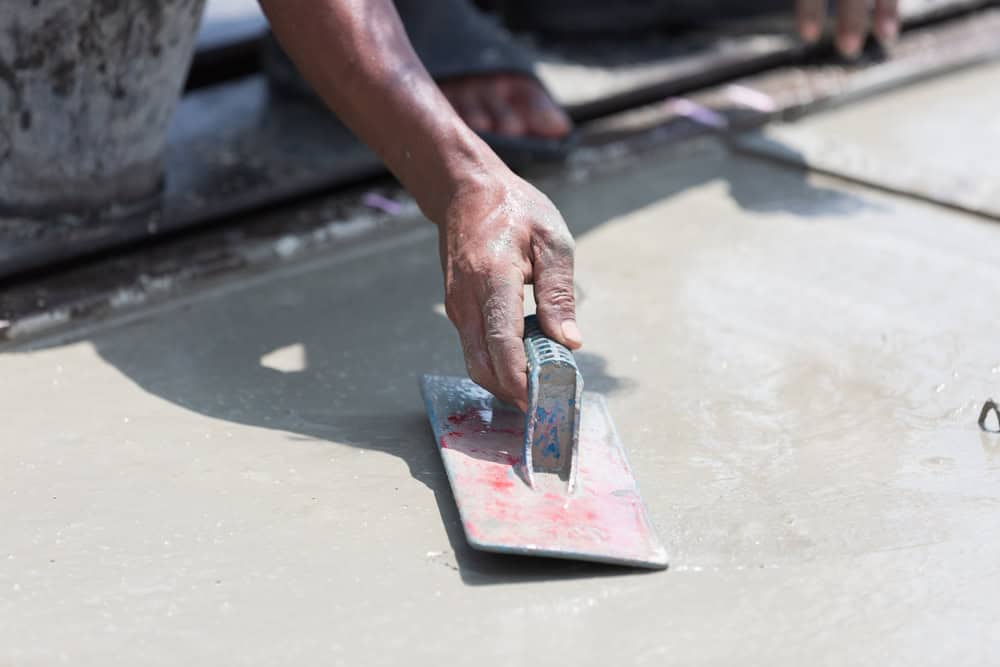
Our process starts with an in-person consultation where Iain evaluates your property’s specific conditions—soil type, drainage patterns, existing structures. No generic estimates or one-size-fits-all approaches.
Site preparation involves proper excavation depth, typically 8-10 inches depending on your project and local frost line requirements. Base materials are carefully selected and compacted using commercial-grade equipment. Drainage planning happens during this phase, not as an afterthought.
Installation follows manufacturer specifications with attention to edge restraints, joint spacing, and proper grading. The final result is an outdoor space engineered for Long Island conditions with consistent crews and direct project oversight throughout.
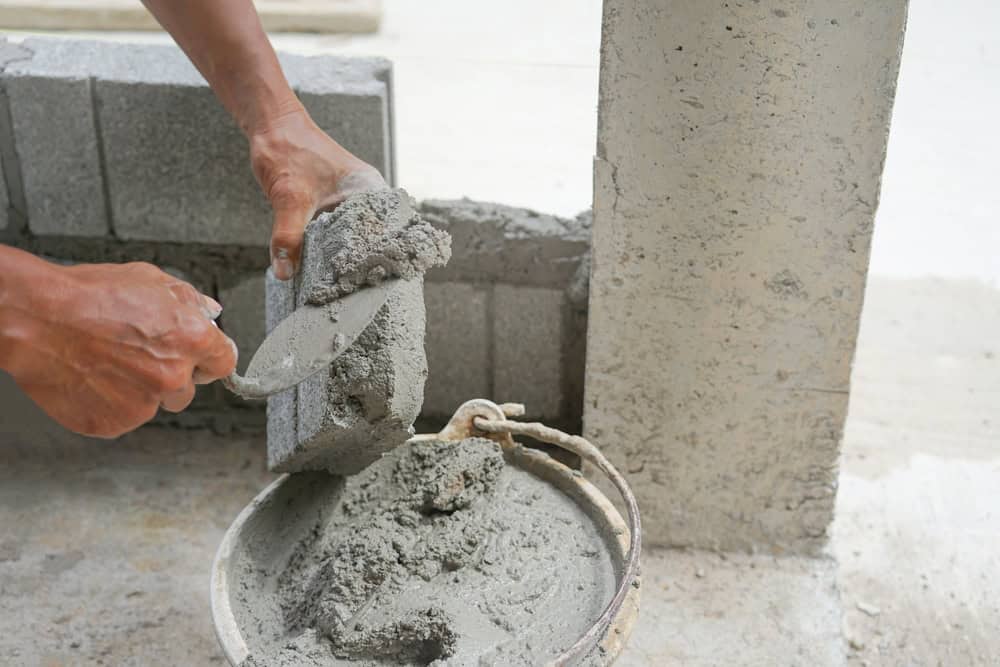
Ready to get started?
Our professional masonry service includes comprehensive site evaluation, proper excavation and base preparation, manufacturer-certified materials, and drainage solutions designed for Long Island conditions. Every installation addresses sandy soil characteristics and coastal weather exposure.
Projects typically include paver patios, driveways, walkways, retaining walls, outdoor kitchens, and fire features. Each installation uses proper base layering, edge restraint systems, and drainage planning to prevent the settling and water damage common with substandard work.
Smithtown properties benefit from understanding local soil conditions, building code requirements, and the specific challenges of coastal Long Island weather. Professional installation means no surprises, no scope creep, and outdoor spaces that perform reliably for decades.

Proper excavation depth in Smithtown typically ranges from 8-10 inches depending on your specific project and local frost line requirements. Long Island’s sandy soil drains well but can shift without adequate base preparation.
The excavation must account for base material thickness, paver or stone thickness, and proper grading for drainage. Professional contractors understand that Long Island’s freeze-thaw cycles require excavation below the frost line to prevent heaving and settling.
Cutting corners on excavation depth is the most common reason masonry projects fail within a few years. Proper depth ensures long-term stability and prevents costly repairs down the road.
Long Island’s sandy soil composition, coastal moisture, and freeze-thaw cycles create unique challenges that require specialized installation techniques. The sandy soil drains well but can shift if not properly compacted and contained with edge restraints.
Coastal conditions mean salt air exposure and storm surge considerations that demand corrosion-resistant materials and enhanced drainage systems. Freeze-thaw cycles require frost-resistant materials and proper foundation depth to prevent wall failure.
Professional masonry contractors understand these local conditions and design installations accordingly. What works in other regions often fails here without proper adaptation to Long Island’s specific environmental challenges.
Preventing water damage starts with proper grading—typically 1/4 inch per foot slope directing water away from structures and foundations. Professional installation includes comprehensive drainage planning, not just surface considerations.
Base preparation includes proper aggregate selection and compaction to prevent water pooling underneath installations. Edge restraints and joint sealing prevent water infiltration that can cause shifting and settling over time.
Long Island’s heavy rainfall and storm conditions require drainage solutions designed for local weather patterns. Professional contractors evaluate how water moves across your specific property and design systems that direct water safely away from masonry structures.
Licensed masonry contractors should hold proper licensing in Suffolk County, Nassau County, and relevant townships where they work. Manufacturer certifications from companies like Cambridge, Techo-Bloc, and Unilock demonstrate knowledge of proper installation techniques.
Insurance coverage including liability and workers’ compensation protects property owners from potential issues during construction. Bonding provides additional protection and demonstrates financial stability and accountability.
Local licensing ensures contractors understand building codes, permit requirements, and local conditions that affect masonry installation. Manufacturer certifications mean they’re trained in proper techniques and materials for lasting installations.
Professional masonry installations designed for Long Island conditions typically last 20-30 years or more with minimal maintenance. Proper base preparation, drainage design, and material selection are key factors in longevity.
Installations that address sandy soil conditions, freeze-thaw cycles, and coastal weather exposure perform significantly better than generic approaches. Quality materials from certified manufacturers combined with proper installation techniques ensure long-term performance.
The difference between professional and substandard installation becomes obvious within 3-5 years. Professional work maintains structural integrity and appearance while poor installation shows settling, cracking, and drainage problems that require costly repairs.
Professional masonry installation begins with detailed site evaluation and planning, followed by proper excavation and base preparation using commercial-grade equipment. Material delivery and installation proceed according to manufacturer specifications with consistent crews.
Project communication includes regular updates on progress, weather considerations, and any site-specific adjustments needed. We maintain clean work sites and respect your property throughout the installation process.
Completion includes final grading, cleanup, and walkthrough to ensure satisfaction with the finished project. Professional installation means no surprises, clear timelines, and outdoor spaces that perform as expected from day one.