Retaining Wall Contractor in Wading River, NY

Walls That Actually Work in Sandy Soil

No more failed retaining walls from contractors who don’t understand Long Island’s unique challenges—get proper drainage, deep foundations, and construction built for coastal conditions.
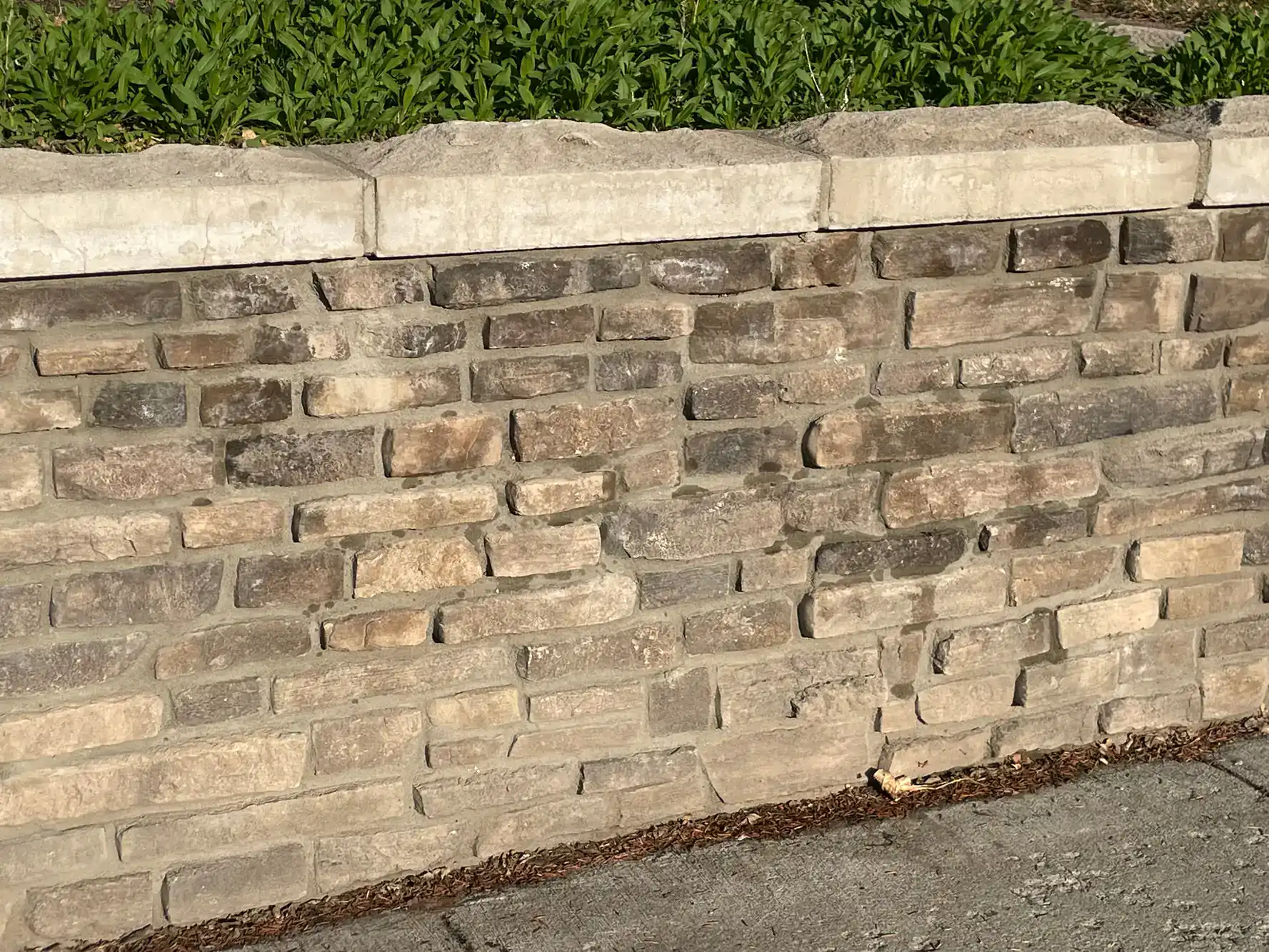
A stone retaining wall made of rectangular, tan and brown bricks supports a raised bed with green plants. Sunlight casts shadows on the textured wall and gray sidewalk below.

Hear from Our Customers

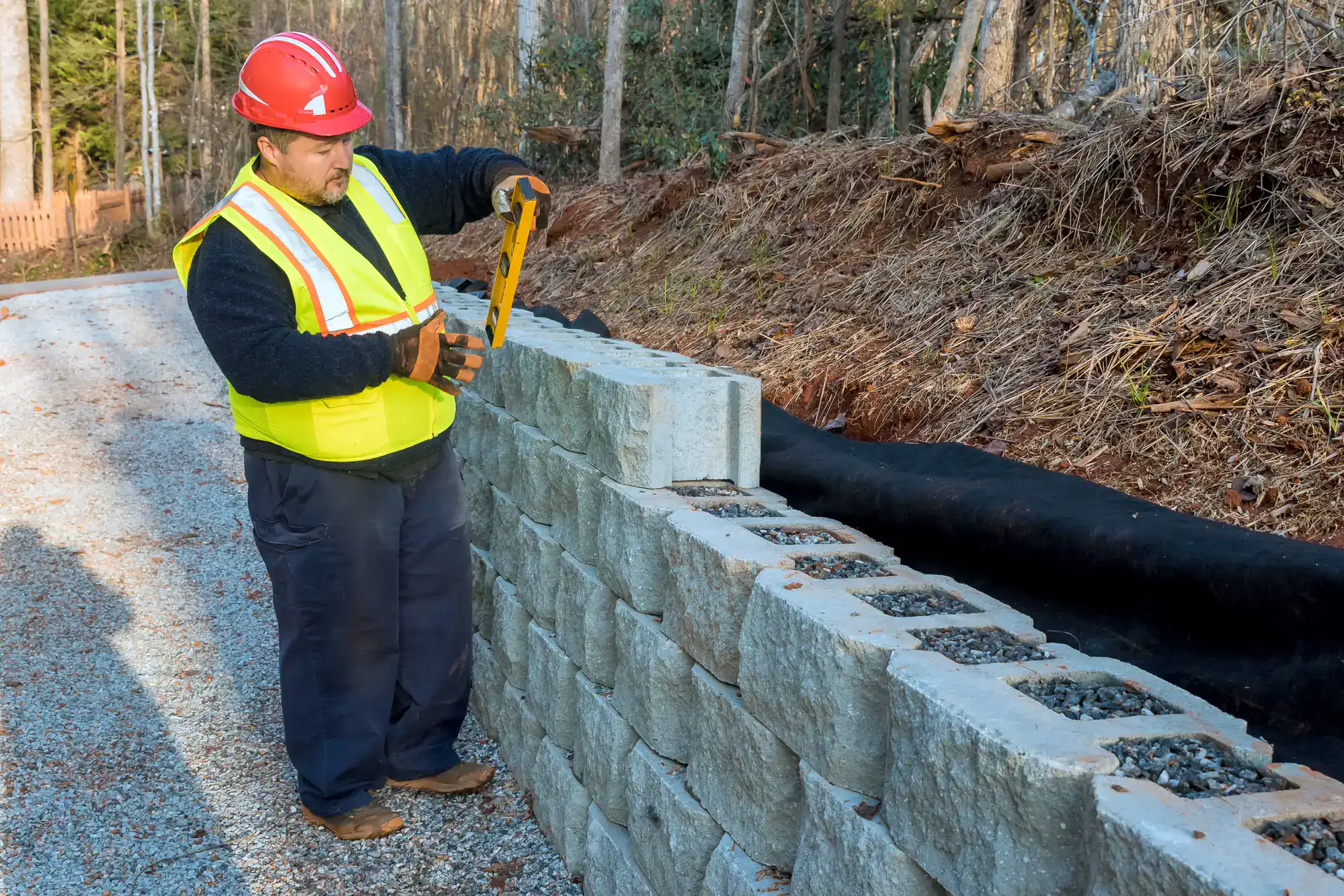
A construction worker in a yellow safety vest and red helmet uses a level to check concrete blocks while building a retaining wall next to a gravel road and a slope with trees.

Retaining Wall Installation Wading River, NY

Turn Problem Slopes Into Usable Space
You’re dealing with sloped areas that wash away every heavy rain, creating erosion problems and limiting how you can use your property. The right retaining wall transforms these challenging areas into stable, level ground you can actually build on or landscape. Sandy soil shifts easily, but proper construction techniques prevent the settling and movement that destroys cheaper installations. When your wall includes the correct foundation depth and drainage system, you get decades of reliable performance instead of expensive repairs. Your property value increases when you add functional outdoor space. Well-built retaining walls don’t just solve erosion problems—they create opportunities for patios, gardens, and other features that make your home more attractive to future buyers.

Stone Wall Installer Wading River, NY

Licensed Contractors Who Know Local Conditions
We’ve been handling Long Island’s challenging soil conditions for over 15 years. Owner Iain Traynor brings union masonry experience and stays involved in every project from estimate through completion. We hold licenses in Suffolk County, Nassau County, Southampton, and East Hampton because we understand the specific requirements each municipality demands. Our work earned recognition in Cambridge Pavingstone’s magazine during our first year—unusual for any contractor in the tri-state area. Wading River’s sandy soil and coastal moisture create unique challenges that generic contractors often mishandle. We excavate to proper depths, install specialized drainage systems, and use materials certified for Long Island’s freeze-thaw cycles.
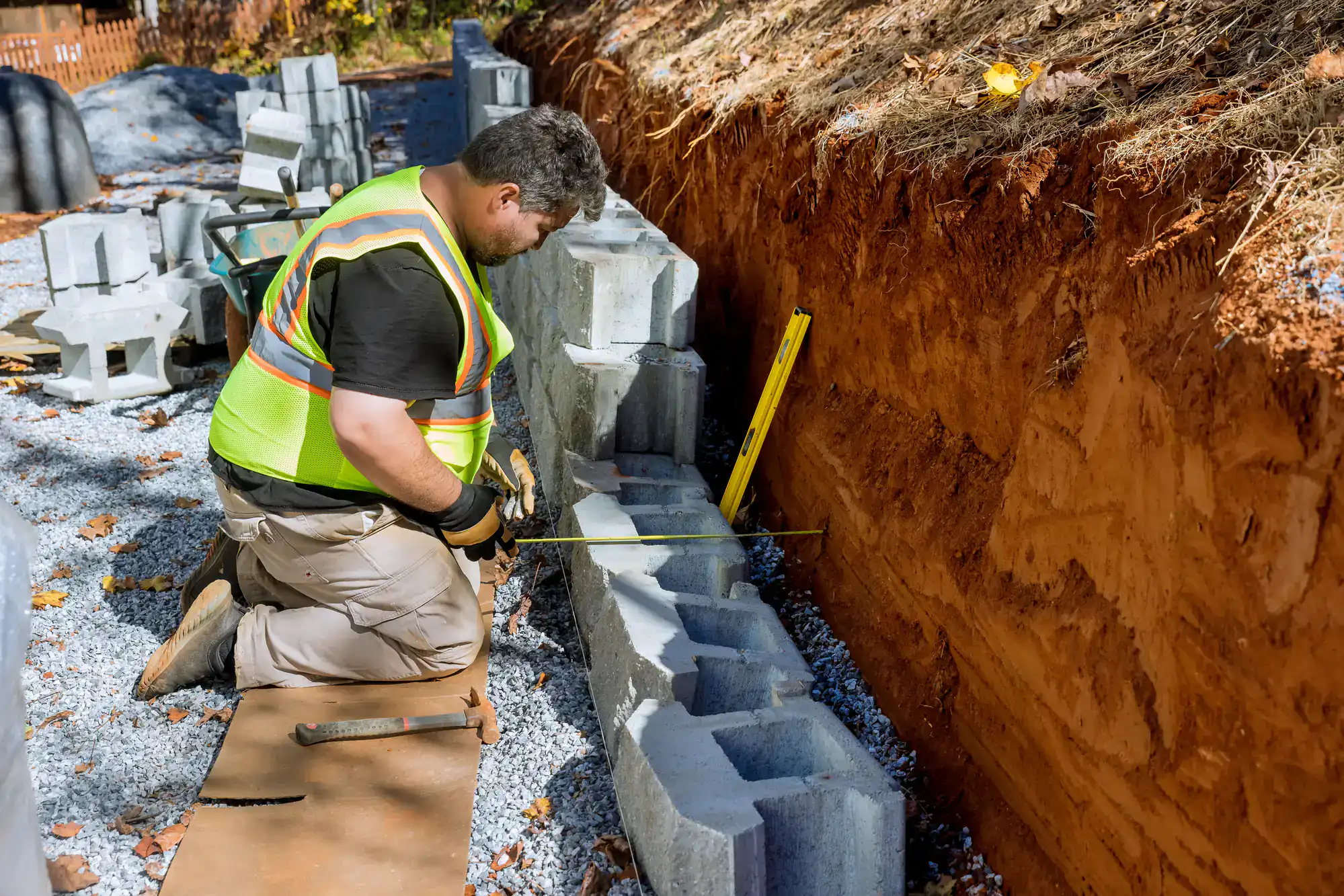
A construction worker in a safety vest kneels on gravel, measuring concrete blocks as he builds a retaining wall beside an exposed dirt slope. Tools and blocks are scattered around the worksite.

Retaining Wall Builder Wading River, NY

The Process That Prevents Future Problems
Every project starts with an on-site evaluation where we assess your soil conditions, drainage patterns, and grade requirements. You meet directly with the owner, not a sales representative, ensuring clear communication about your specific needs. Excavation goes 8-10 inches deep minimum, often deeper for Long Island’s frost line requirements. We install proper base layering with crushed stone, create drainage systems that handle coastal moisture, and use edge restraints that prevent shifting over time. Construction follows manufacturer specifications for your chosen materials, whether that’s interlocking blocks, natural stone, or engineered systems. Each installation includes the drainage planning that prevents the hydrostatic pressure buildup responsible for most wall failures in this area.
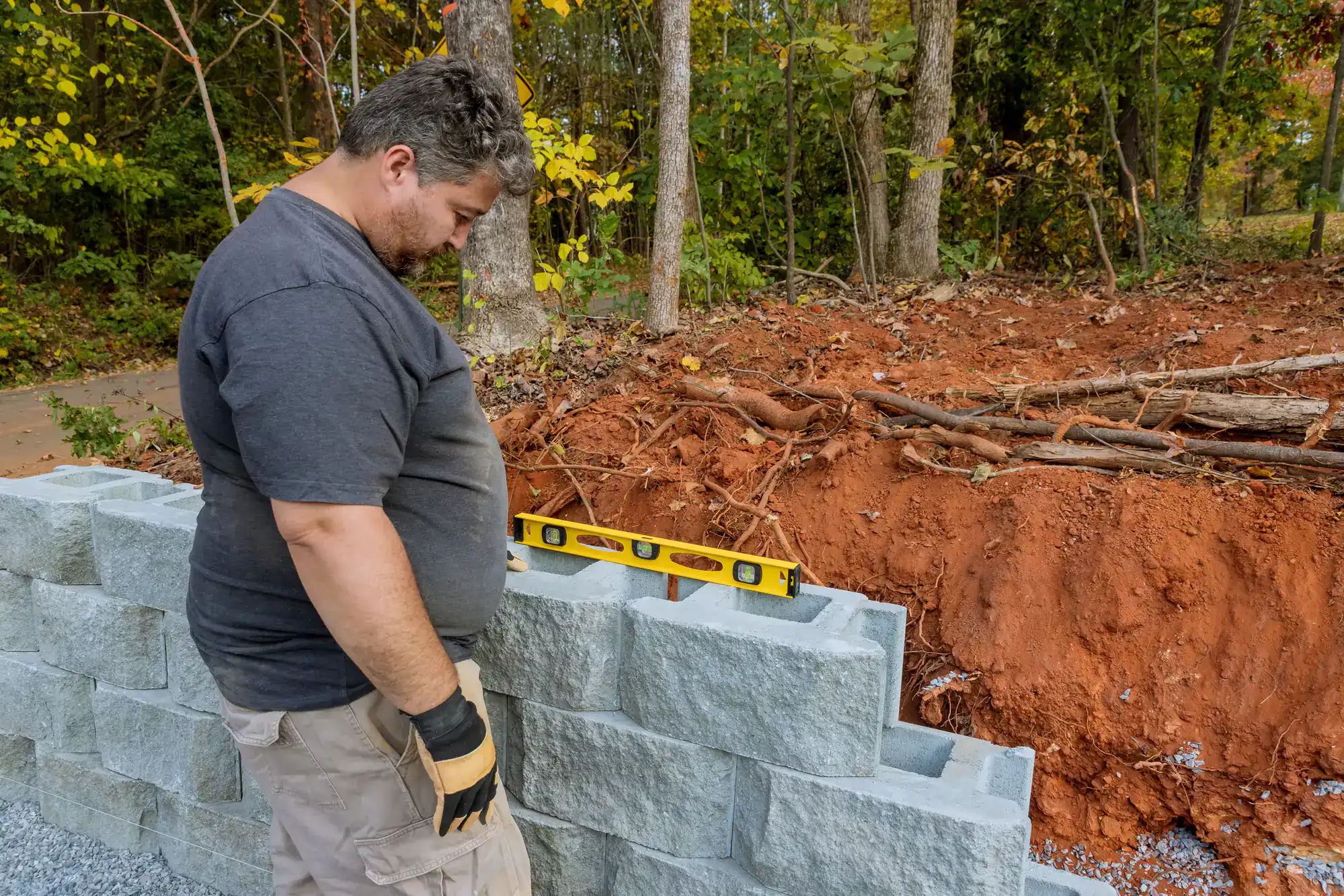
A man wearing gloves checks the level of a gray stone retaining wall with a yellow spirit level, next to a dirt embankment and forested area.

Ready to get started?

Explore More Services

About Stone Escapes Masonry & Outdoor Design

Get a Free Consultation

Retaining Wall Specialist Wading River, NY

What's Included in Professional Installation
Your retaining wall project includes site preparation, proper excavation, base installation, drainage systems, and material installation using certified techniques. We handle permit applications when required and coordinate with local building departments. Wading River properties face specific challenges from sandy soil that drains quickly but shifts easily during heavy rains. Our installations account for these conditions with deeper foundations and specialized backfill materials that maintain stability. All work includes manufacturer certifications from Cambridge, Techo-Bloc, Unilock, Nicolock, Eldorado, and Boral. You get direct communication with the owner throughout the project, consistent crews, and the warranty coverage that protects your investment for years ahead.

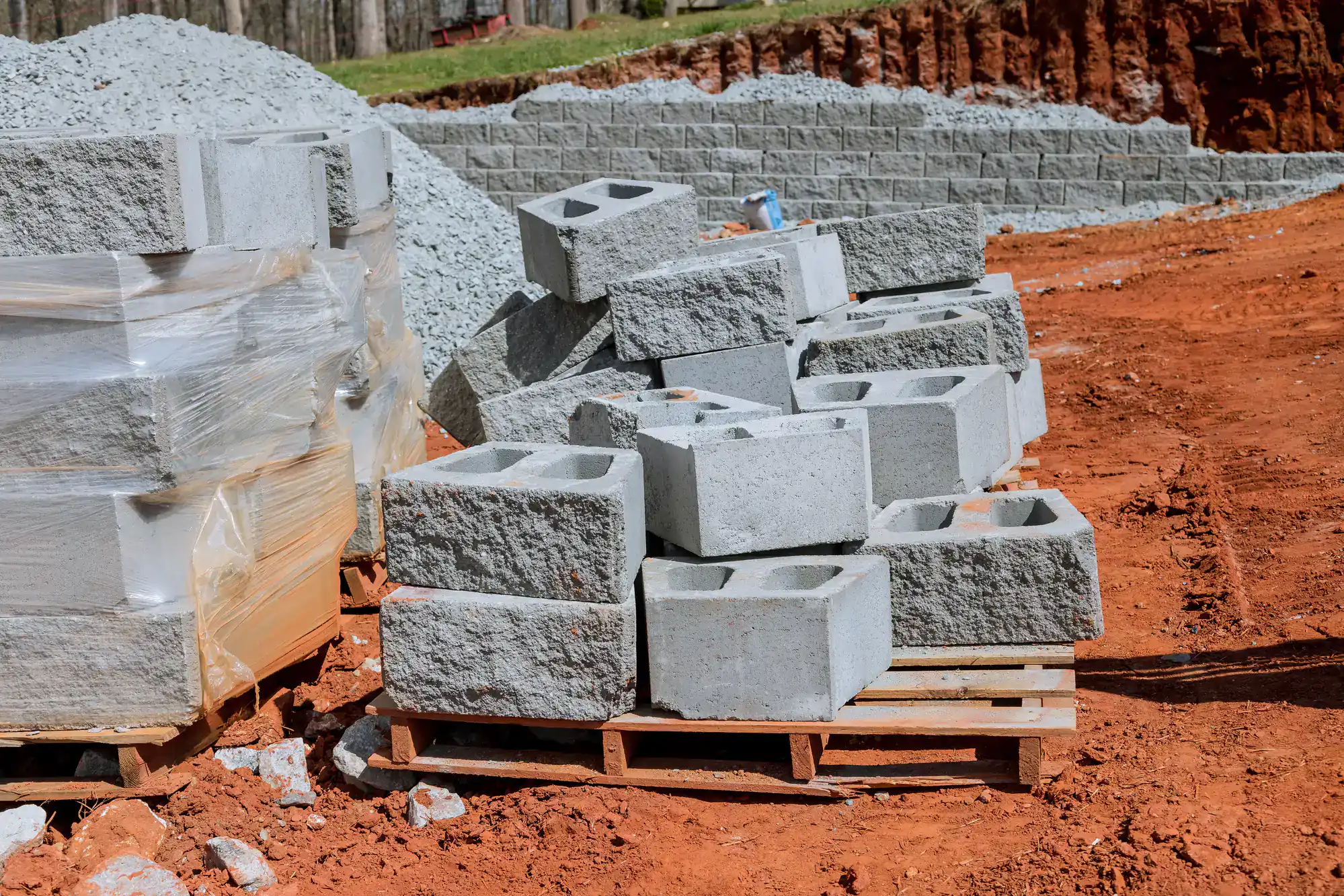
A stack of concrete cinder blocks is arranged on wooden pallets at a construction site with red soil and gravel. Wrapped blocks and a partially built stone retaining wall are visible in the background.

How deep do retaining wall foundations need to be in Wading River?

Foundation depth depends on wall height and local soil conditions, but Long Island typically requires 30-36 inches to reach below the frost line. Sandy soil in Wading River needs deeper foundations than other soil types because it shifts more easily. We excavate to the proper depth for your specific situation, then install a compacted crushed stone base that provides stable support. Shallow foundations are the leading cause of wall failure in coastal areas like Wading River. The extra excavation costs more upfront but prevents the expensive repairs and rebuilds that result from inadequate foundation preparation.
Poor drainage causes most retaining wall failures because water buildup creates hydrostatic pressure that can crack, lean, or collapse the structure. Long Island’s high water tables and heavy rainfall make proper drainage systems essential. Many contractors skip drainage installation to reduce costs, but water always finds a way behind retaining walls. Without proper weep holes, French drains, or gravel backfill, even well-built walls eventually fail. Sandy soil compounds drainage problems because it allows water to move quickly, creating pressure against walls during storms. Professional installation includes drainage systems designed for local conditions.
Interlocking concrete blocks perform well in sandy soil because they’re engineered for drainage and flexibility. Natural stone works when properly installed with adequate drainage, but requires more careful foundation preparation. Coastal moisture and salt air exposure eliminate some material options that work fine inland. We use corrosion-resistant materials and avoid products that deteriorate quickly in marine environments. Material choice depends on your specific site conditions, height requirements, and aesthetic preferences. We’ll recommend options that balance performance, appearance, and budget for your particular situation.
Costs range from $25-60 per square foot depending on materials, site conditions, and wall height. A typical 50-foot residential wall costs $4,000-10,000 including proper drainage and foundation preparation. Sandy soil sometimes increases excavation costs but reduces the heavy equipment time needed for harder soils. Permit fees, material delivery, and site access all affect final pricing. We provide detailed estimates that break down all costs so you understand exactly what’s included. Every estimate includes the drainage systems essential for Long Island conditions.
Most municipalities require permits for walls over 3-4 feet tall, and some require permits for any structural retaining wall regardless of height. Suffolk County has specific requirements that vary by township. Permit applications include engineering drawings for taller walls and proof of proper drainage design. We handle permit applications and coordinate inspections to ensure code compliance. Skipping permits creates liability issues and problems when you sell your property. Proper permitting protects your investment and ensures the work meets local safety standards.
Well-constructed retaining walls with proper drainage systems typically last 20-50 years depending on materials and maintenance. Interlocking block systems often outlast natural stone in coastal environments. Long Island’s freeze-thaw cycles and coastal moisture create challenging conditions, but proper installation techniques account for these factors. Regular inspection and minor maintenance extend wall life significantly. The key factors for longevity are adequate foundation depth, proper drainage, and using materials rated for local conditions. Cheap installations fail within 5-10 years, requiring expensive rebuilds.