Retaining Wall Contractor in St. James, NY

Stop Erosion. Create Usable Space.

Professional retaining wall installation designed for St. James, NY soil conditions and coastal challenges.
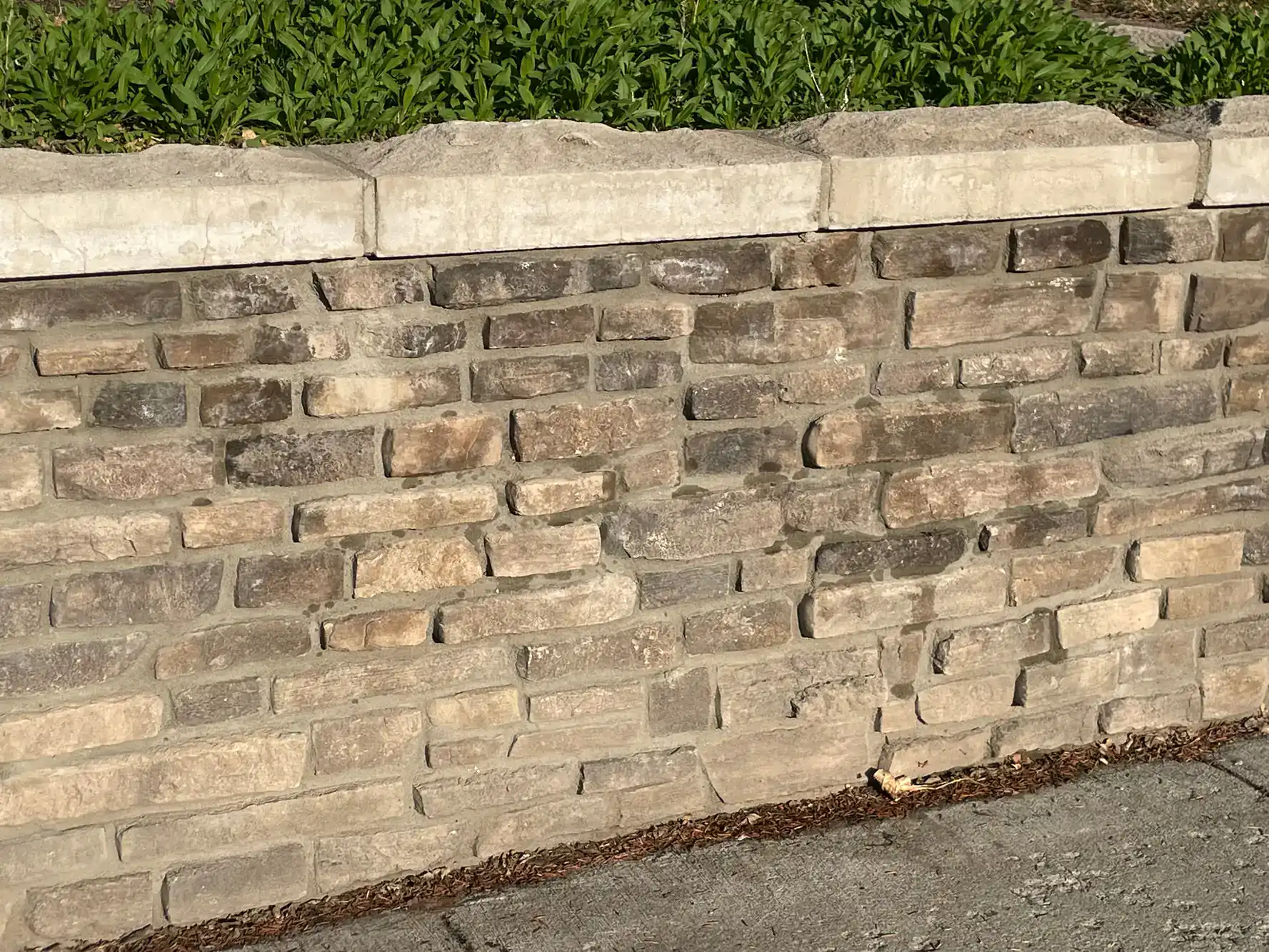
A stone retaining wall made of rectangular, tan and brown bricks supports a raised bed with green plants. Sunlight casts shadows on the textured wall and gray sidewalk below.

Hear from Our Customers

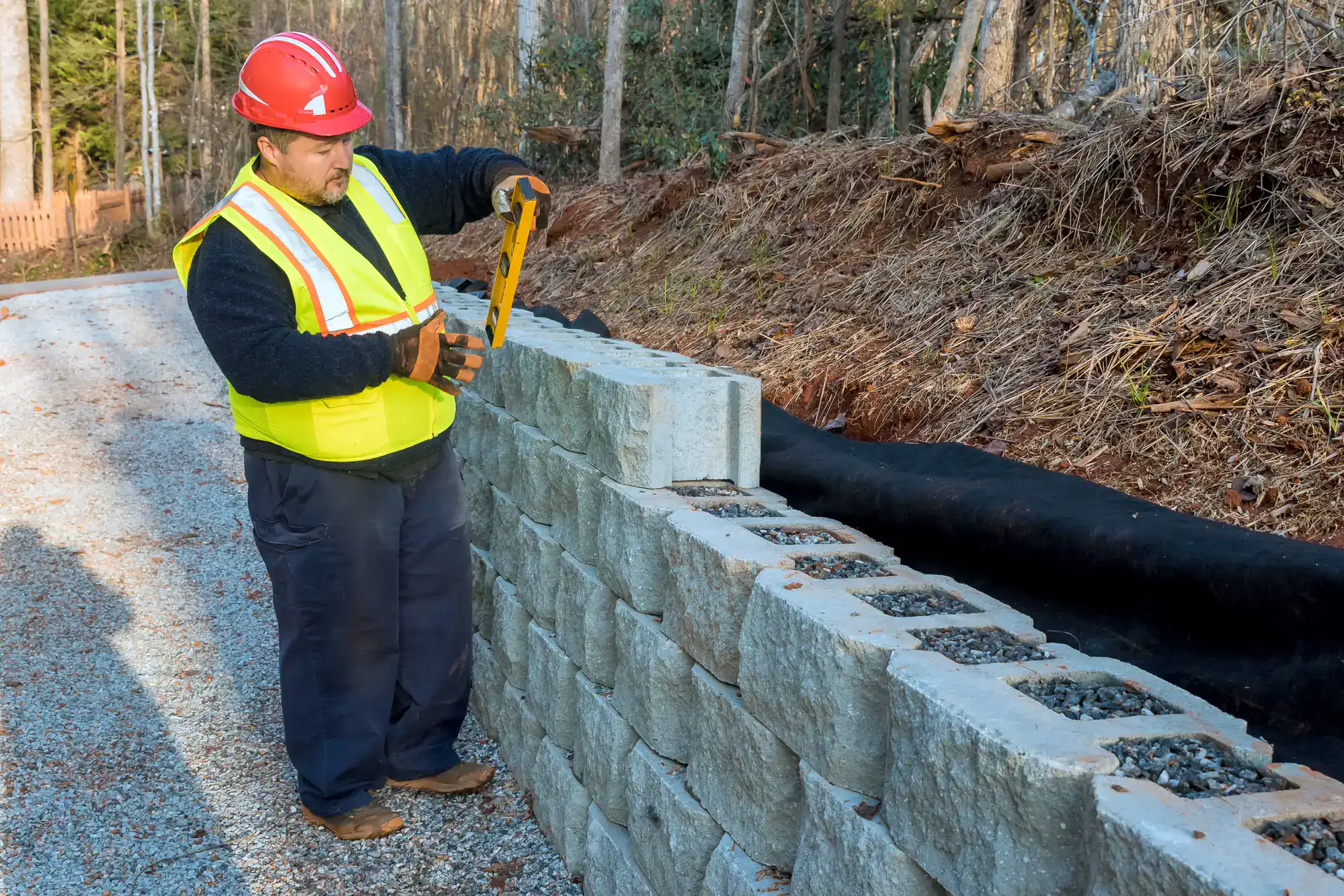
A construction worker in a yellow safety vest and red helmet uses a level to check concrete blocks while building a retaining wall next to a gravel road and a slope with trees.

St. James Retaining Wall Installation

Transform Slopes Into Functional Outdoor Space
Your sloped yard doesn’t have to limit how you use your property. A properly built retaining wall creates level areas where you can actually enjoy your outdoor space—whether that’s for entertaining, gardening, or simply having stable ground for your landscaping investments. Beyond creating usable space, you get real protection against Long Island’s unique challenges. Sandy soil and coastal weather can wreak havoc on unprotected slopes, washing away landscaping and threatening your property’s foundation. The right wall system stops erosion before it becomes a costly problem. When you work with a retaining wall specialist who understands St. James, NY conditions, you stop worrying about drainage issues and start enjoying outdoor space that actually works for your lifestyle. That’s the difference between a quick fix and a long-term solution.

Stone Wall Installer St. James

Long Island Masonry Expertise Since Day One
Stone Escapes has been serving St. James, NY and Suffolk County with specialized masonry solutions designed for Long Island’s unique conditions. Owner Iain Traynor brings union masonry experience and carpentry background to every project, staying directly involved in estimates, planning, and execution—not handing your project off to whoever’s available. What sets us apart is understanding that Long Island isn’t like anywhere else. Sandy soil, coastal moisture, and freeze-thaw cycles demand specific approaches that many contractors miss. We address these challenges with proper foundation depth, specialized drainage systems, and materials certified by manufacturers like Cambridge, Techo-Bloc, and Unilock. Licensed and insured in Suffolk County, Nassau County, and local townships, we maintain consistent crews and direct oversight throughout each project. This isn’t about cutting corners or rushing through jobs—it’s about building retaining walls that protect your investment for decades.

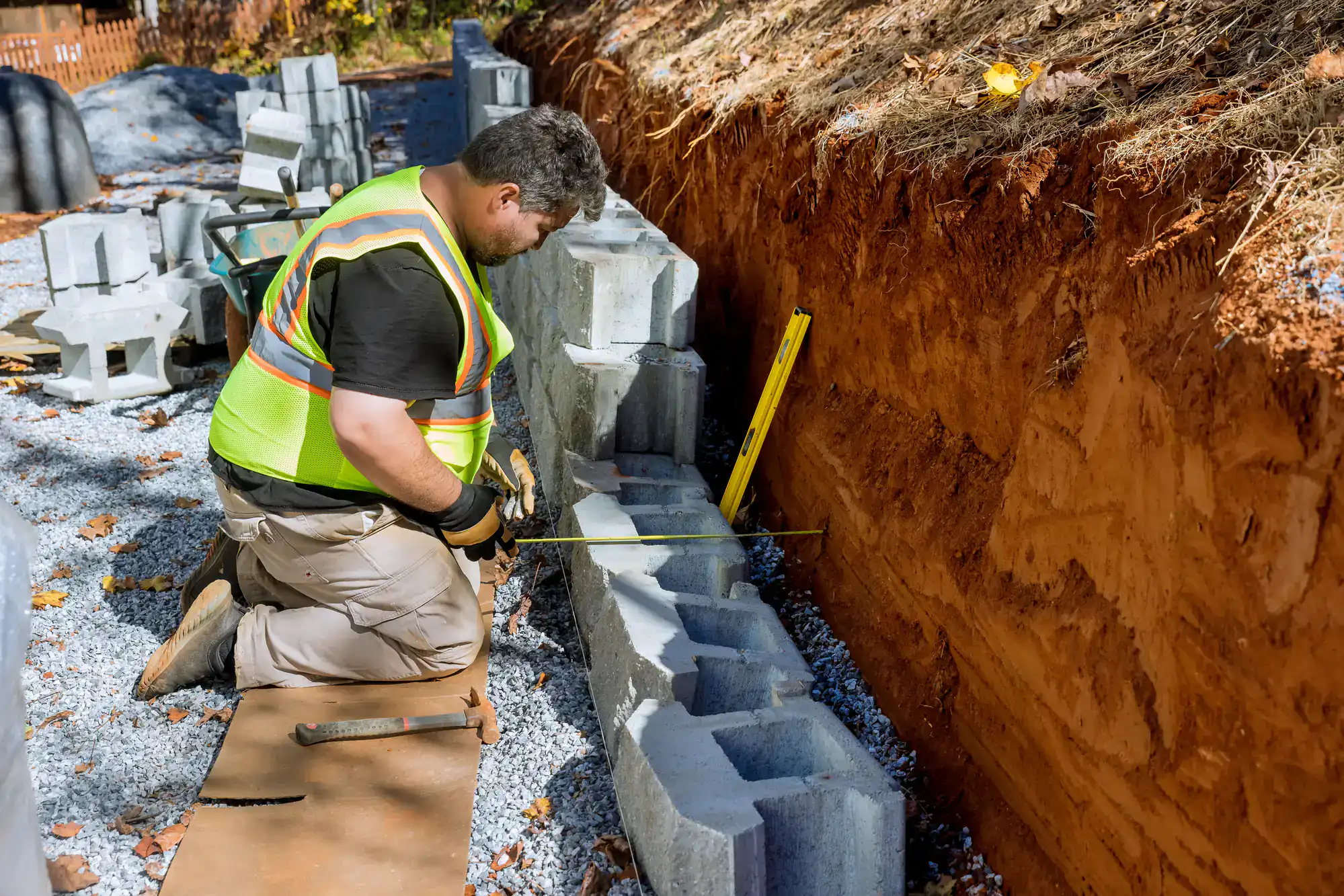
A construction worker in a safety vest kneels on gravel, measuring concrete blocks as he builds a retaining wall beside an exposed dirt slope. Tools and blocks are scattered around the worksite.

Retaining Wall Builder St. James Process

Built Right From Foundation to Finish
Every retaining wall project starts with understanding your specific site conditions. We evaluate soil composition, drainage patterns, and slope requirements to engineer the right solution for your St. James, NY property. This isn’t guesswork—it’s based on years of experience with Long Island’s sandy soil and coastal challenges. Foundation work goes deeper than most contractors realize is necessary. We excavate 30-36 inches below ground to reach below the frost line, preventing the freeze-thaw damage that destroys improperly built walls. The foundation uses compacted gravel or crushed stone, creating proper drainage while providing stable support that handles Long Island’s soil conditions. Installation follows manufacturer specifications with attention to drainage systems that prevent water buildup behind the wall. This includes proper backfill materials, drainage pipes, and gravel systems that channel water away from the structure. Each component works together to create a wall system that handles St. James weather patterns and soil conditions for the long term.
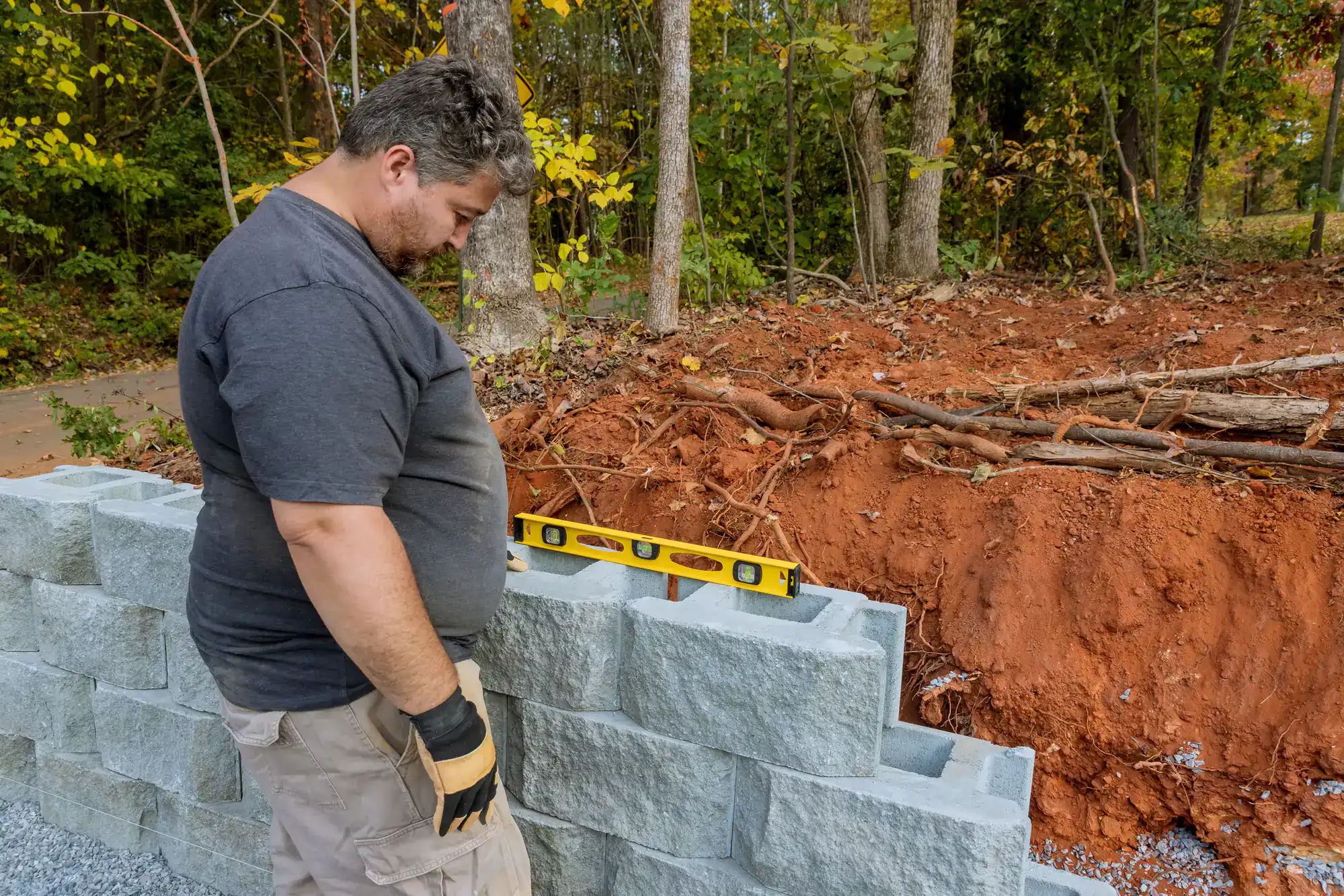
A man wearing gloves checks the level of a gray stone retaining wall with a yellow spirit level, next to a dirt embankment and forested area.

Ready to get started?

Explore More Services

About Stone Escapes Masonry & Outdoor Design

Get a Free Consultation

Retaining Wall Specialist St. James Solutions

Designed for Long Island Conditions
St. James, NY properties face specific challenges that generic retaining wall approaches can’t handle. The area’s sandy soil provides excellent drainage but requires deeper foundations and specialized backfill materials. Coastal proximity creates high water tables and seasonal fluctuations that affect wall design requirements—factors that many contractors don’t even consider. We address these local conditions with proven solutions developed specifically for Long Island properties. Foundation systems extend below the frost line to prevent heaving. Drainage systems manage heavy rains and high water tables that are common in coastal areas. Material selection considers salt air exposure and storm potential that comes with living near the water. Our certifications from major manufacturers ensure access to materials specifically designed for challenging conditions. Whether it’s Cambridge pavers, Techo-Bloc systems, or Unilock products, each material choice considers durability requirements that protect your investment against Long Island’s unique environmental factors. You get the peace of mind that comes with knowing your wall was built to last.
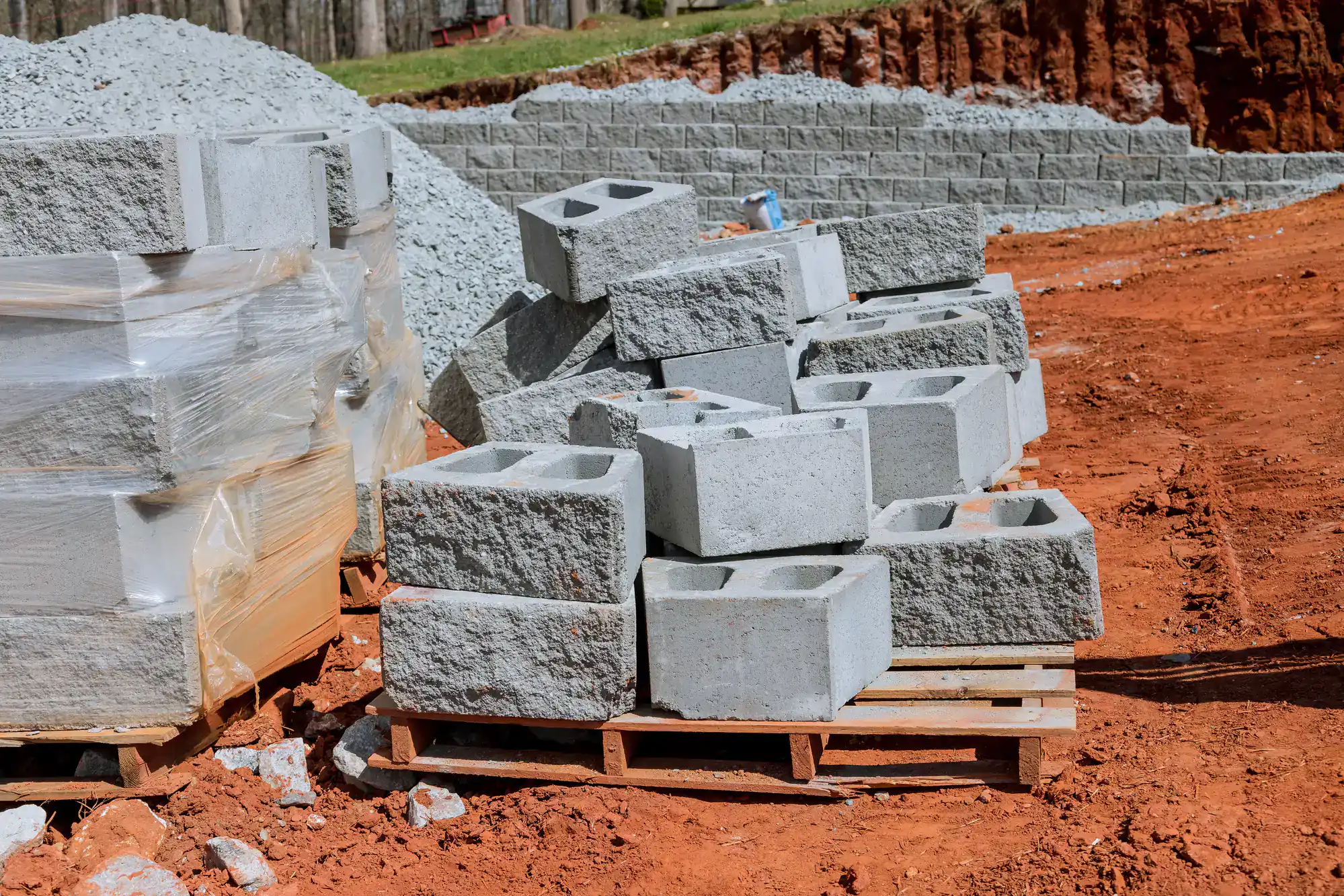
A stack of concrete cinder blocks is arranged on wooden pallets at a construction site with red soil and gravel. Wrapped blocks and a partially built stone retaining wall are visible in the background.

How deep do retaining wall foundations need to be in St. James, NY?

Retaining wall foundations in St. James, NY need to extend 30-36 inches below ground to reach below the frost line. This depth prevents frost heave that can cause wall failure during Long Island’s freeze-thaw cycles. Many contractors cut corners on foundation depth, but this leads to problems within a few years. Sandy soil in the St. James area drains well, but it also shifts more easily than clay soils. Proper foundation depth, combined with compacted gravel base material, creates the stable support your wall needs to last decades rather than failing when the ground freezes and thaws. The extra cost of proper excavation pays for itself by preventing the much higher costs of rebuilding a failed wall. When you see retaining walls that are leaning or cracking after just a few years, inadequate foundation depth is usually the culprit.
Every retaining wall in St. James, NY needs a comprehensive drainage system to prevent water buildup behind the structure. This includes perforated drainage pipes at the wall’s base, gravel backfill instead of native soil, and proper grading to direct water away from the wall. Long Island’s heavy rains and high water tables create hydrostatic pressure that can cause walls to bow, crack, or collapse without proper drainage. The system needs to handle both surface water and groundwater, channeling it away from the wall foundation. Filter fabric prevents soil from clogging the drainage system, ensuring long-term effectiveness. Without proper drainage, even the strongest wall materials will eventually fail. Water is the enemy of any retaining wall, and Long Island’s coastal climate makes drainage planning even more critical than in inland areas.
Retaining wall costs in St. James, NY typically range from $54-$58 per square foot, with total project costs averaging $3,500-$9,000 depending on wall height, length, and site conditions. Factors affecting cost include material selection, foundation requirements, drainage complexity, and site accessibility. Walls over 3-4 feet require permits and engineering, adding $500-$2,000 to project costs. However, proper engineering prevents costly failures that can cost far more to repair. The investment in doing it right the first time protects your property value and eliminates ongoing maintenance headaches. Remember that the cheapest quote usually means corners will be cut somewhere—often in foundation depth or drainage systems. These shortcuts lead to expensive repairs down the road that cost much more than doing it right initially.
The best materials for St. James, NY retaining walls are engineered concrete blocks from manufacturers like Cambridge, Techo-Bloc, and Unilock. These systems are designed to handle Long Island’s coastal conditions and provide built-in features for proper alignment and stability. Natural stone offers beauty but requires experienced installation to handle properly. Timber works for smaller walls but doesn’t last as long in coastal environments. The key is matching material selection to your specific site conditions, wall height requirements, and Long Island’s salt air exposure. Our manufacturer certifications ensure we have access to materials specifically tested for coastal conditions. This isn’t just about aesthetics—it’s about choosing materials that will perform reliably in St. James weather conditions for decades, not just look good for the first few years.
Most retaining walls over 3-4 feet in height require permits in St. James, NY and Suffolk County. Permit costs range from $50-$450 depending on wall size and complexity. Walls requiring permits also typically need structural engineering to ensure safety and code compliance. While permits add upfront costs, they’re essential for preventing dangerous failures and protecting your property investment. We handle permit applications and ensure all work meets local building codes. Skipping permits can create liability issues and problems when selling your property. The permit process also ensures your wall is properly engineered for local soil conditions and building codes. This isn’t bureaucratic red tape—it’s protection for your safety and investment.
Properly built retaining walls in St. James, NY can last 50+ years when constructed with appropriate materials and drainage systems. The key factors are foundation depth below the frost line, proper drainage management, and materials designed for coastal conditions. Long Island’s sandy soil, salt air, and freeze-thaw cycles can shorten wall lifespan if not addressed during construction. Walls built without proper drainage typically fail within 5-10 years due to hydrostatic pressure. Quality materials and construction techniques that address local conditions ensure your investment provides decades of reliable service. The difference between a 10-year wall and a 50-year wall comes down to understanding local conditions and building accordingly. When you invest in proper construction from the start, you avoid the much higher costs of rebuilding failed walls later.