Retaining Wall Contractor in Southampton, NY

Walls That Actually Hold Up

Built for Long Island’s sandy soil and coastal conditions – no surprises, no failures, just solid results.
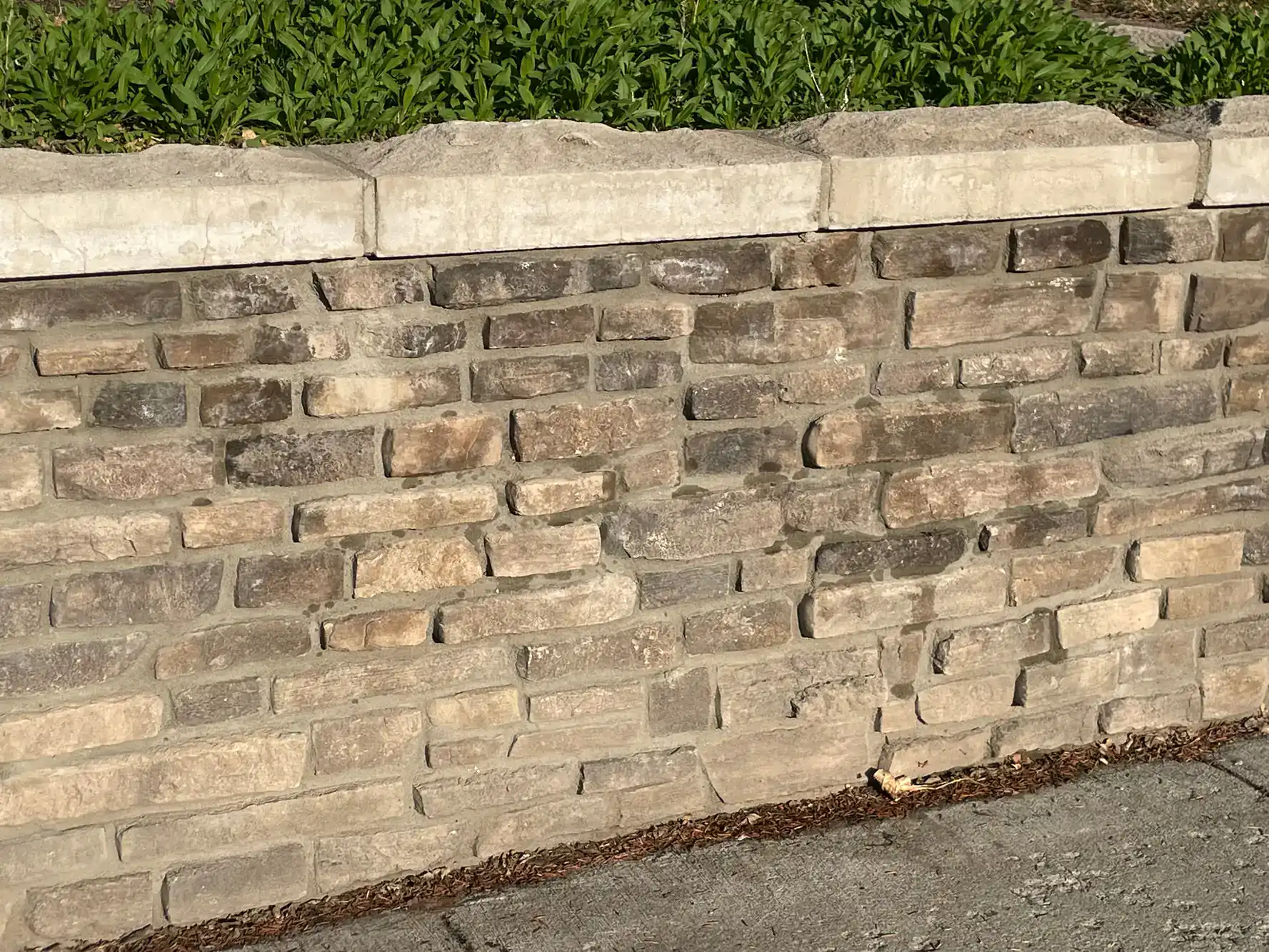
A stone retaining wall made of rectangular, tan and brown bricks supports a raised bed with green plants. Sunlight casts shadows on the textured wall and gray sidewalk below.

Hear from Our Customers

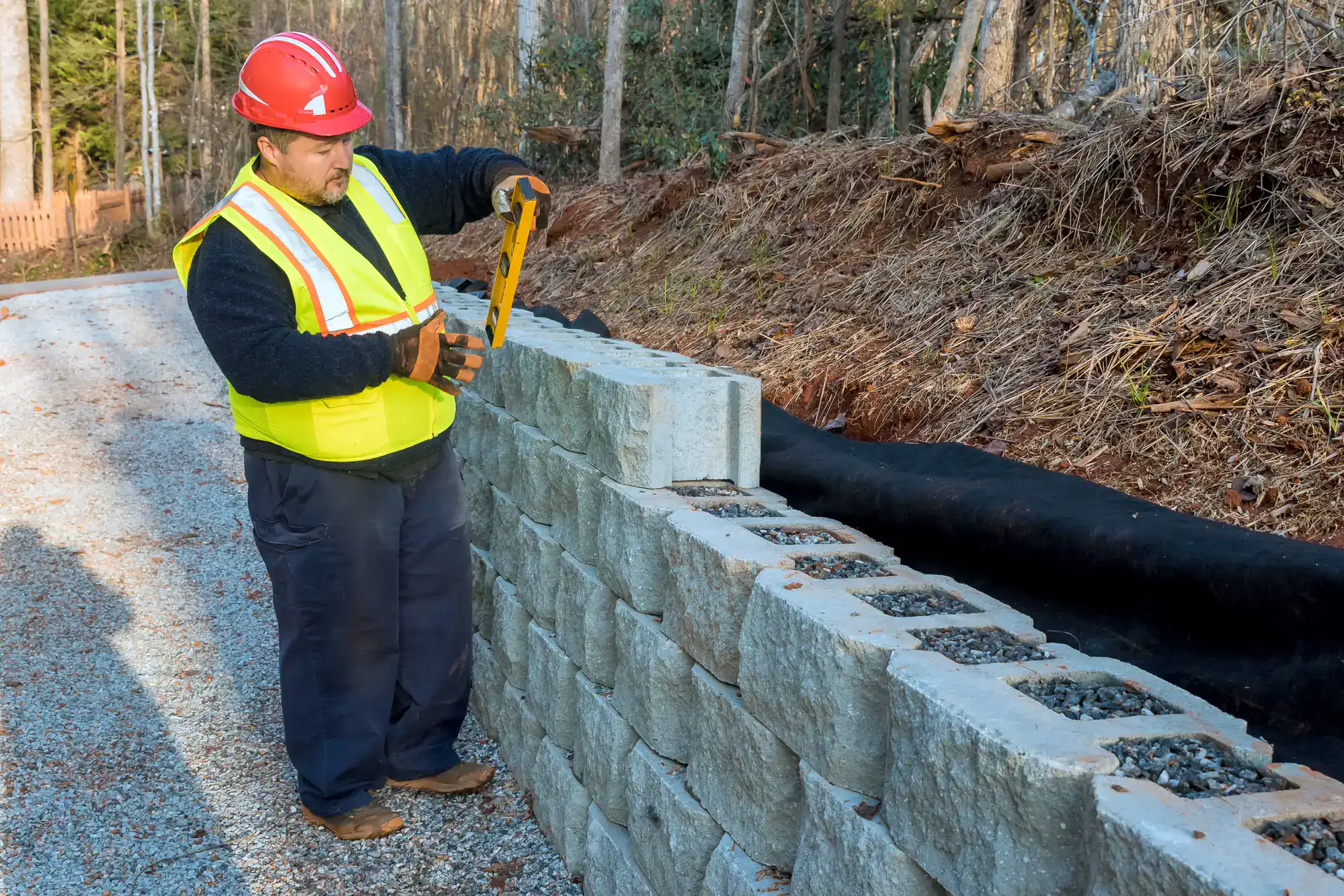
A construction worker in a yellow safety vest and red helmet uses a level to check concrete blocks while building a retaining wall next to a gravel road and a slope with trees.

Southampton Retaining Wall Installation

Your Property Protected for Decades
You’re not just getting a wall – you’re getting peace of mind. No more watching soil wash away after every storm. No more unusable sloped areas that you can’t landscape or enjoy. When we finish, you’ll have stable ground that stays put, proper drainage that actually works, and usable space where there used to be erosion problems. Your property value goes up, your maintenance headaches go down, and you finally have the outdoor space you’ve been wanting. The difference is in the details that matter for Southampton’s unique conditions – deeper foundations below the frost line, drainage systems designed for our high water table, and materials that handle coastal weather without failing.

Licensed Southampton Retaining Wall Specialists

We Know Southampton's Soil Conditions
We’ve been building retaining walls throughout Southampton and Long Island for over 15 years. Owner Iain Traynor learned masonry in the Local 1 Bricklayers Union in Manhattan and brings that level of craftsmanship to every Southampton project. We’re licensed in Southampton Township, Suffolk County, and Nassau County because we understand the specific challenges of building in coastal Long Island. Sandy soil, high water tables, freeze-thaw cycles – these aren’t problems for us, they’re just part of doing the job right. Most of our new clients come from referrals because word gets around when walls actually hold up. We were even featured in Cambridge Pavingstone’s magazine in our first year – recognition that speaks to the quality we bring to every Southampton retaining wall project.
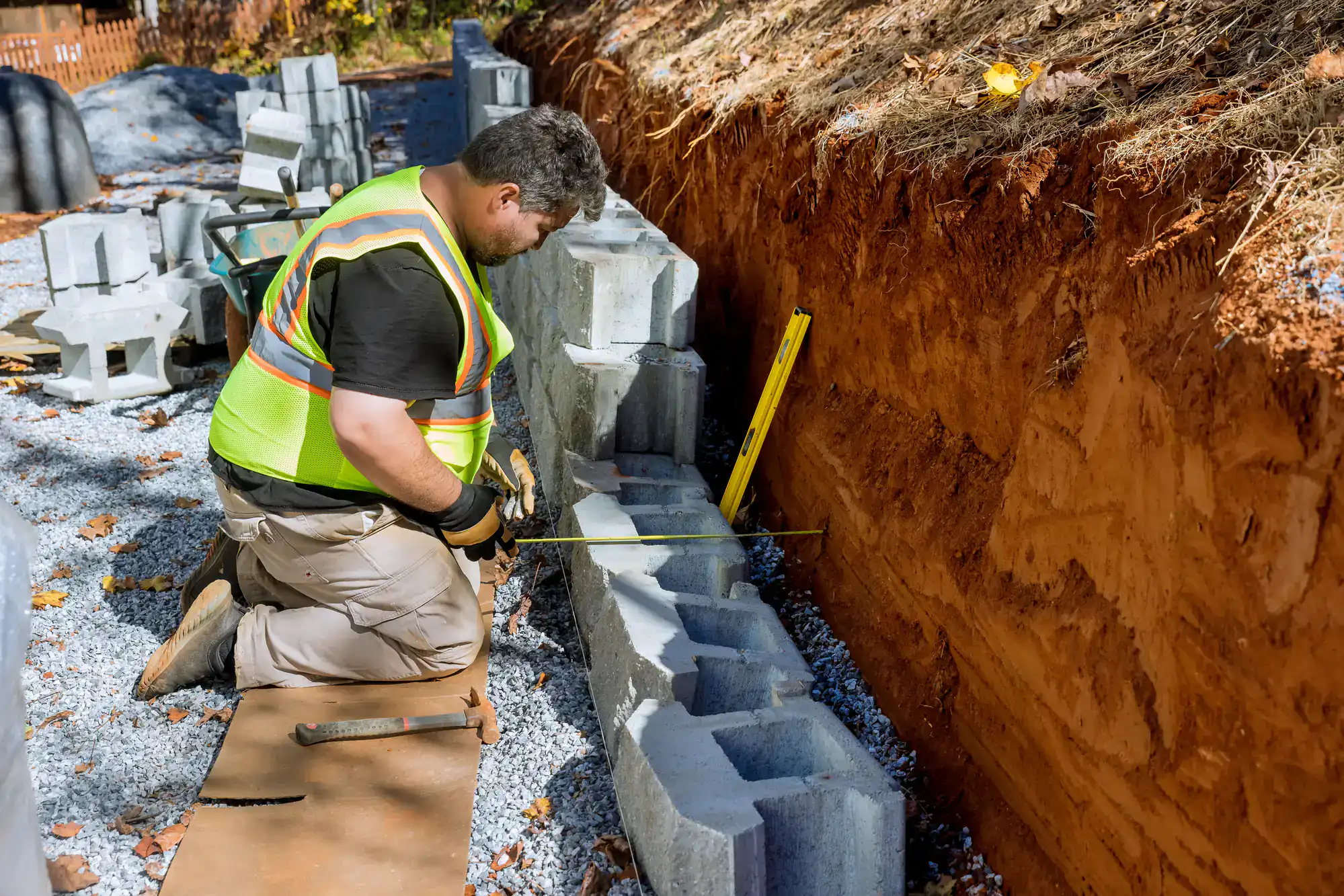
A construction worker in a safety vest kneels on gravel, measuring concrete blocks as he builds a retaining wall beside an exposed dirt slope. Tools and blocks are scattered around the worksite.

Retaining Wall Construction Process Southampton

Built Right From the Ground Up
Every Southampton retaining wall project starts with Iain personally evaluating your property’s soil conditions, drainage patterns, and specific challenges. We’re not estimating over the phone – we need to see what we’re working with. Next comes proper excavation to 30-36 inches below grade to get below Southampton’s frost line. This isn’t optional when you’re dealing with freeze-thaw cycles. We install a crushed stone base with proper compaction, then build the wall with appropriate materials for coastal conditions. The critical step most contractors skip is the drainage system. We install French drains and proper gravel backfill designed specifically for Long Island’s high water table. Without this, even the best-built wall will fail when water pressure builds up behind it. Final grading ensures water flows away from the wall, and we clean up completely. You get a wall that’s engineered for Southampton’s conditions, not just thrown together and hoped for the best.
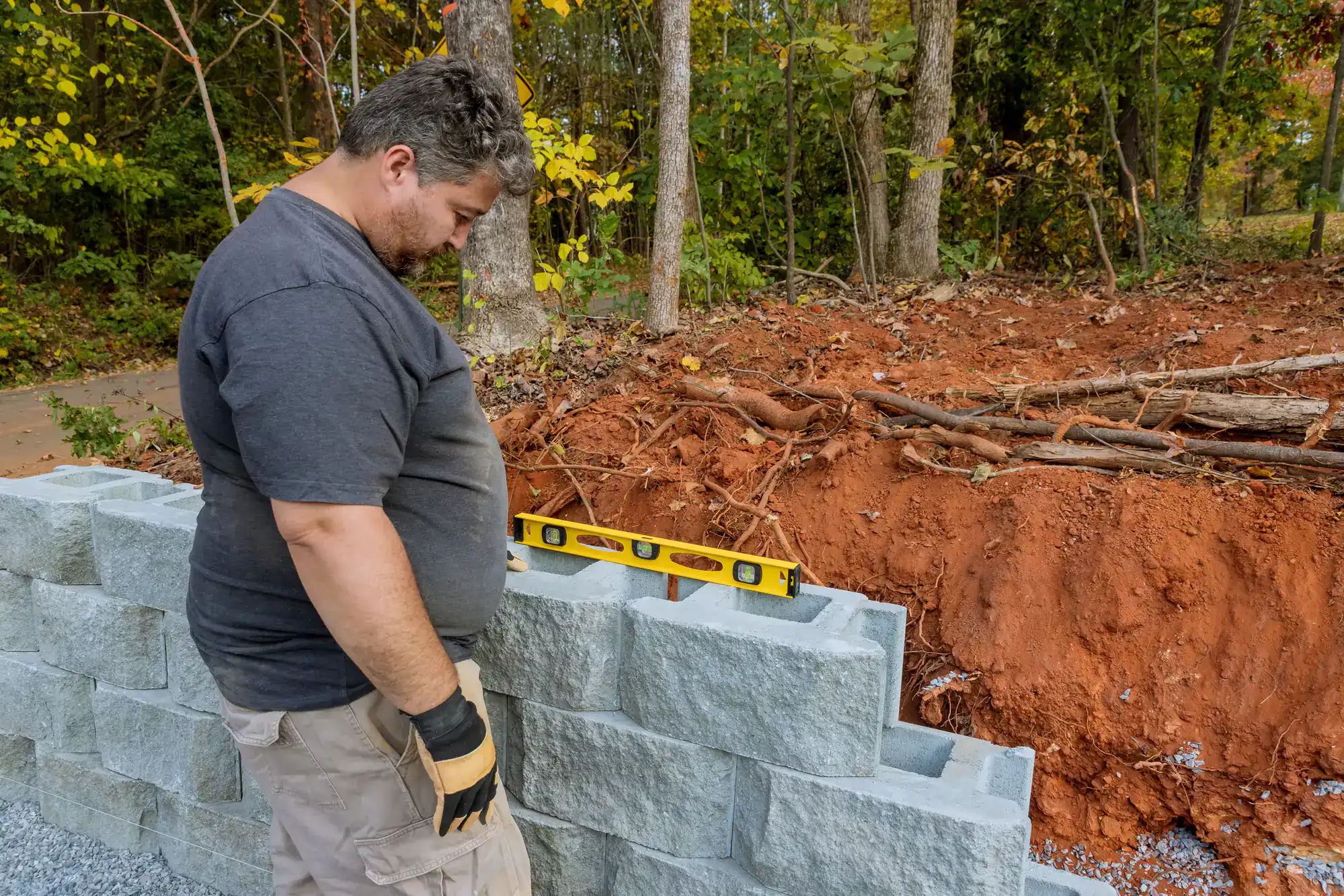
A man wearing gloves checks the level of a gray stone retaining wall with a yellow spirit level, next to a dirt embankment and forested area.

Ready to get started?

Explore More Services

About Stone Escapes Masonry & Outdoor Design

Get a Free Consultation

Southampton Retaining Wall Materials

Materials That Handle Coastal Conditions
Not every material works in Southampton’s coastal environment. We use granite, limestone, and high-quality concrete blocks that can handle salt air, freeze-thaw cycles, and the moisture that comes with being near the water. Our drainage systems include perforated pipes, proper gravel selection, and weep holes positioned correctly for Long Island’s sandy soil conditions. We’re certified with Cambridge, Techo-Bloc, Unilock, Nicolock, Eldorado, and Boral – manufacturers who understand what it takes to build lasting structures in coastal environments. Every Southampton retaining wall includes proper foundation preparation with crushed stone base, edge restraints to prevent shifting, and backfill materials selected for drainage and stability. We don’t cut corners on the parts you can’t see because those are what determine whether your wall lasts 5 years or 50 years.

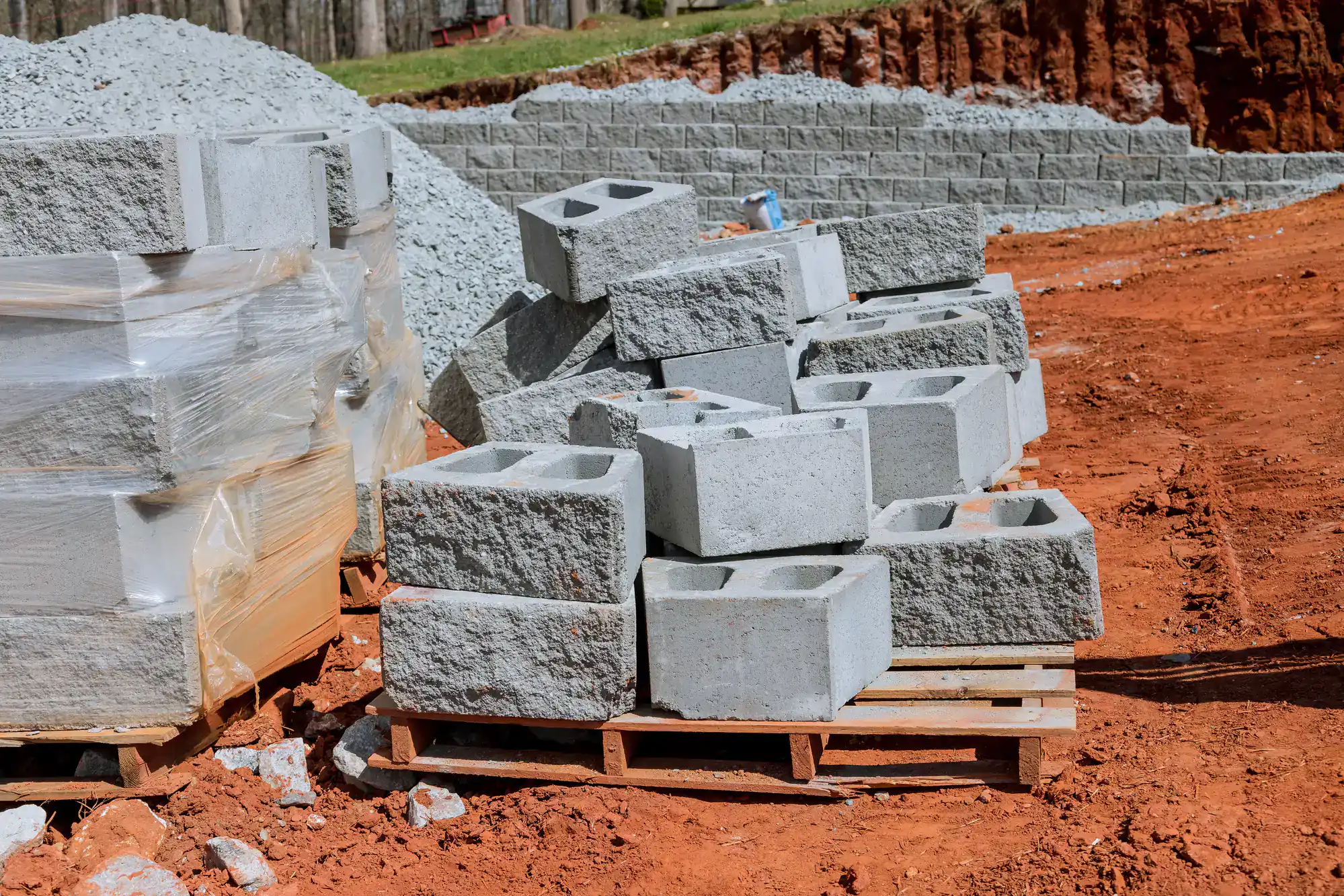
A stack of concrete cinder blocks is arranged on wooden pallets at a construction site with red soil and gravel. Wrapped blocks and a partially built stone retaining wall are visible in the background.

Why do retaining walls fail in Southampton's sandy soil conditions?

The number one cause of retaining wall failure in Southampton is poor drainage, not the sandy soil itself. When water builds up behind a wall with nowhere to go, it creates hydrostatic pressure that can crack, bow, or completely collapse the structure. Southampton’s sandy soil actually drains well, but it can create concentrated water flow that undermines wall foundations if not properly managed. That’s why we install enhanced drainage systems with French drains and proper gravel backfill designed specifically for Long Island’s high water table conditions. The other common failure point is insufficient foundation depth. Southampton’s freeze-thaw cycles require foundations 30-36 inches deep to get below the frost line. Contractors who don’t understand local conditions often build too shallow, leading to frost heave and wall failure within a few years.
In Southampton, retaining wall foundations must go 30-36 inches deep to get below the frost line. This isn’t negotiable if you want a wall that survives Long Island’s freeze-thaw cycles without heaving or shifting. The sandy soil conditions in Southampton actually make proper foundation depth even more critical. While sandy soil drains well, it doesn’t provide the same lateral support as clay or loam soils. A deeper foundation with proper crushed stone base and compaction is essential for long-term stability. Many contractors try to save time and money by going shallower, but this is where most wall failures start. Frost heave pushes walls out of alignment, creating cracks and instability that only get worse over time. We excavate to proper depth on every Southampton project because fixing a failed wall costs far more than building it right the first time.
Every Southampton retaining wall needs a comprehensive drainage system designed for Long Island’s high water table and coastal conditions. This includes perforated drainage pipes at the wall’s base, proper gravel backfill behind the wall, and weep holes to channel water away from the structure. For Southampton’s conditions, we typically install French drains that extend beyond the wall length to ensure water has somewhere to go during heavy rains and storm surges. The gravel backfill isn’t just any stone – it’s specifically graded material that allows water to flow freely while providing structural support. Without proper drainage, even walls built with the best materials and deepest foundations will fail. Water pressure buildup is relentless, and Southampton’s coastal location means you’re dealing with both groundwater and surface water from storms. The drainage system is what keeps that water from becoming destructive pressure against your wall.
Retaining walls in Southampton typically cost $35-65 per square foot for professional installation, with the total project ranging from $3,500 to $15,000 depending on size, materials, and site conditions. Southampton’s coastal location and soil conditions require specialized construction techniques that affect pricing. Factors that influence cost include wall height (taller walls need more engineering), drainage requirements (essential for Long Island conditions), material selection (natural stone costs more than concrete blocks), and site accessibility. Permits are required for walls over 4 feet, adding $200-500 to the project cost. The key is understanding what’s included in the price. Cheap quotes often skip critical elements like proper drainage systems, adequate foundation depth, or appropriate materials for coastal conditions. A wall that costs 20% less upfront but fails in 5 years isn’t a bargain – it’s an expensive mistake that costs far more to fix than building it right initially.
Yes, Southampton Township requires permits for retaining walls over 4 feet in height. Walls between 3-4 feet may also need permits depending on their location relative to property lines, utilities, or drainage systems. The permit process typically costs $200-500 and takes 2-4 weeks for approval. For walls over 4 feet, you’ll also need engineering drawings to ensure the structure meets safety codes and can handle soil pressure loads. This adds $500-2000 to the project cost but is essential for preventing dangerous failures. We handle all permit applications and work with local engineers familiar with Southampton’s requirements. The permit process isn’t just bureaucracy – it ensures your wall is built to handle Long Island’s specific conditions including soil types, frost depth requirements, and drainage considerations. Skipping permits might save money initially, but unpermitted walls can create problems when selling your property or filing insurance claims if something goes wrong.
For Southampton’s coastal conditions, we recommend natural stone, high-quality concrete blocks, or engineered stone systems that can handle salt air, moisture, and freeze-thaw cycles. Materials like granite and limestone are naturally resistant to coastal weathering and provide excellent longevity. Avoid materials that don’t handle moisture well, like untreated wood or basic concrete blocks without proper sealing. Southampton’s proximity to the ocean means higher humidity, salt air exposure, and more severe weather conditions than inland areas. Your retaining wall material needs to be selected with these factors in mind. The material choice also affects drainage requirements and installation methods. Natural stone walls can incorporate better drainage features, while concrete systems offer more consistent performance. We’re certified with Cambridge, Techo-Bloc, Unilock, and other manufacturers who engineer their products specifically for coastal installations like those common in Southampton.