Retaining Wall Contractor in Sayville, NY

Walls That Actually Handle Long Island Weather

Your slopes keep washing away, and you need a retaining wall contractor in Sayville, NY who builds for our sandy soil and coastal storms.
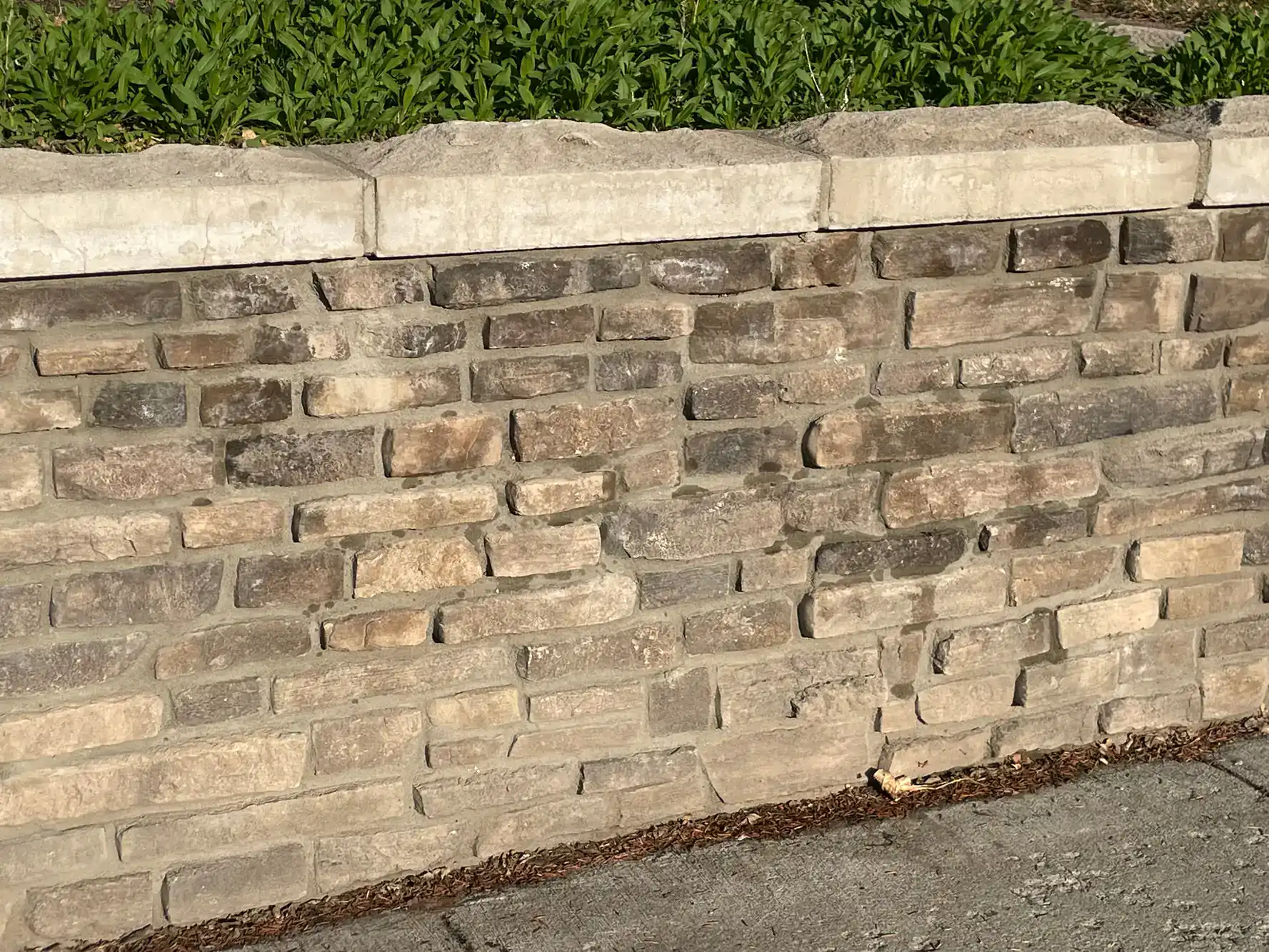
A stone retaining wall made of rectangular, tan and brown bricks supports a raised bed with green plants. Sunlight casts shadows on the textured wall and gray sidewalk below.

Hear from Our Customers

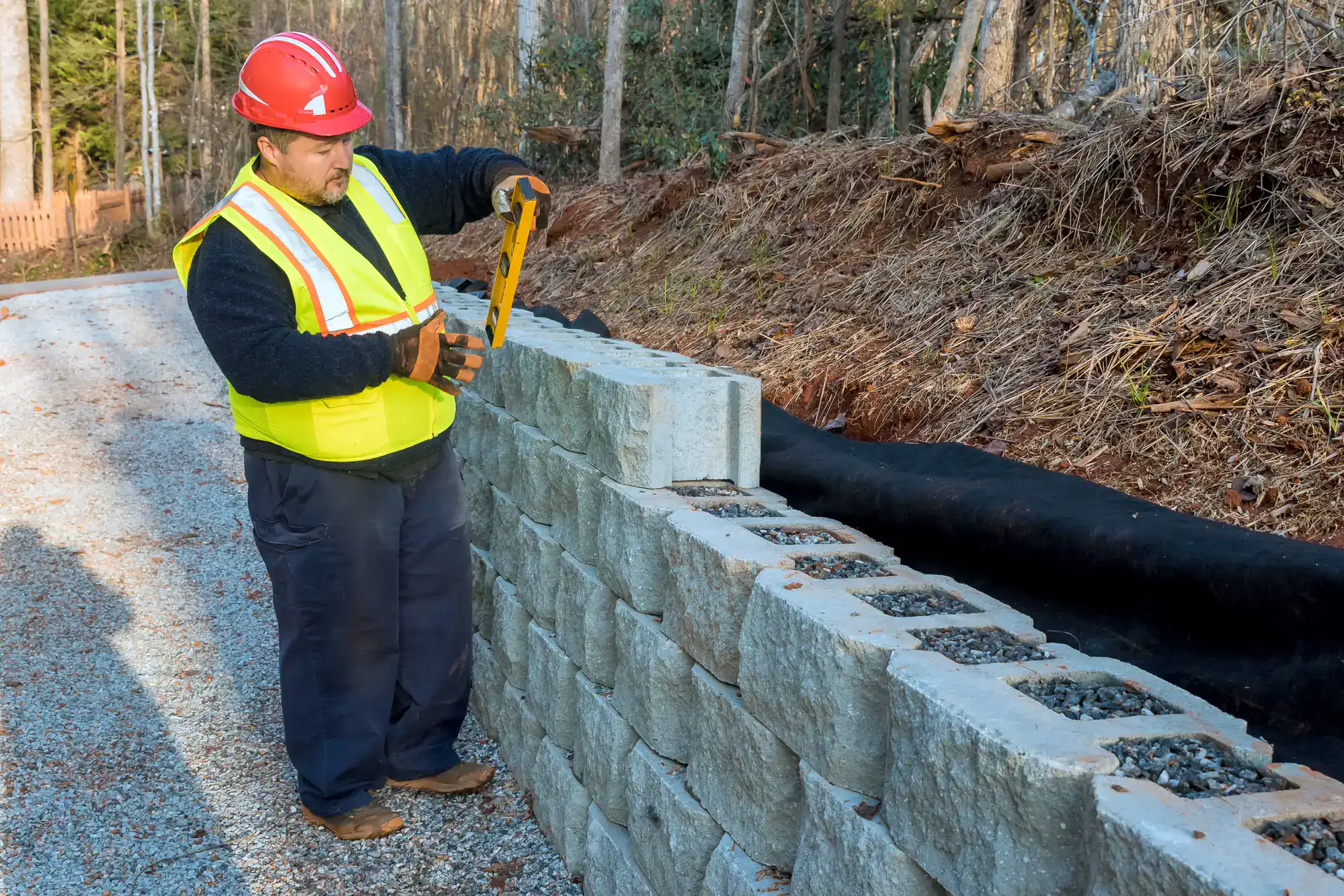
A construction worker in a yellow safety vest and red helmet uses a level to check concrete blocks while building a retaining wall next to a gravel road and a slope with trees.

Professional Retaining Wall Installation Sayville

Stop Watching Your Property Wash Away
Every heavy rain turns your sloped yard into a muddy mess. Water carves new channels where you don’t want them. Those “level” areas keep shifting and settling, making your outdoor space basically unusable. Here’s what happens when you get a properly built retaining wall: Your property stays put during storms. Those problem slopes become level ground you can actually use for patios, gardens, or just walking around safely. Water flows where it should instead of pooling against your foundation or washing away your landscaping. You stop worrying every time the weather forecast shows rain. Your investment in your property is protected instead of literally washing down the street.

Licensed Retaining Wall Builder Sayville

We've Been Dealing With Sandy Soil for 15+ Years
Stone Escapes has built retaining walls across Suffolk County since we started, and we’re licensed and insured with certifications from Cambridge, Techo-Bloc, Unilock, and other major manufacturers you’ve probably seen around Long Island. What matters more is that we understand why retaining walls fail here. Sayville’s sandy soil drains fast but shifts when it gets saturated. The coastal moisture creates different challenges than inland properties face. Freeze-thaw cycles destroy walls that aren’t built deep enough. We’ve seen the aftermath when contractors from other areas try to build here using standard methods. Those walls crack, lean, or collapse because they don’t account for our specific conditions. Every wall we build addresses Long Island’s unique environment from day one.

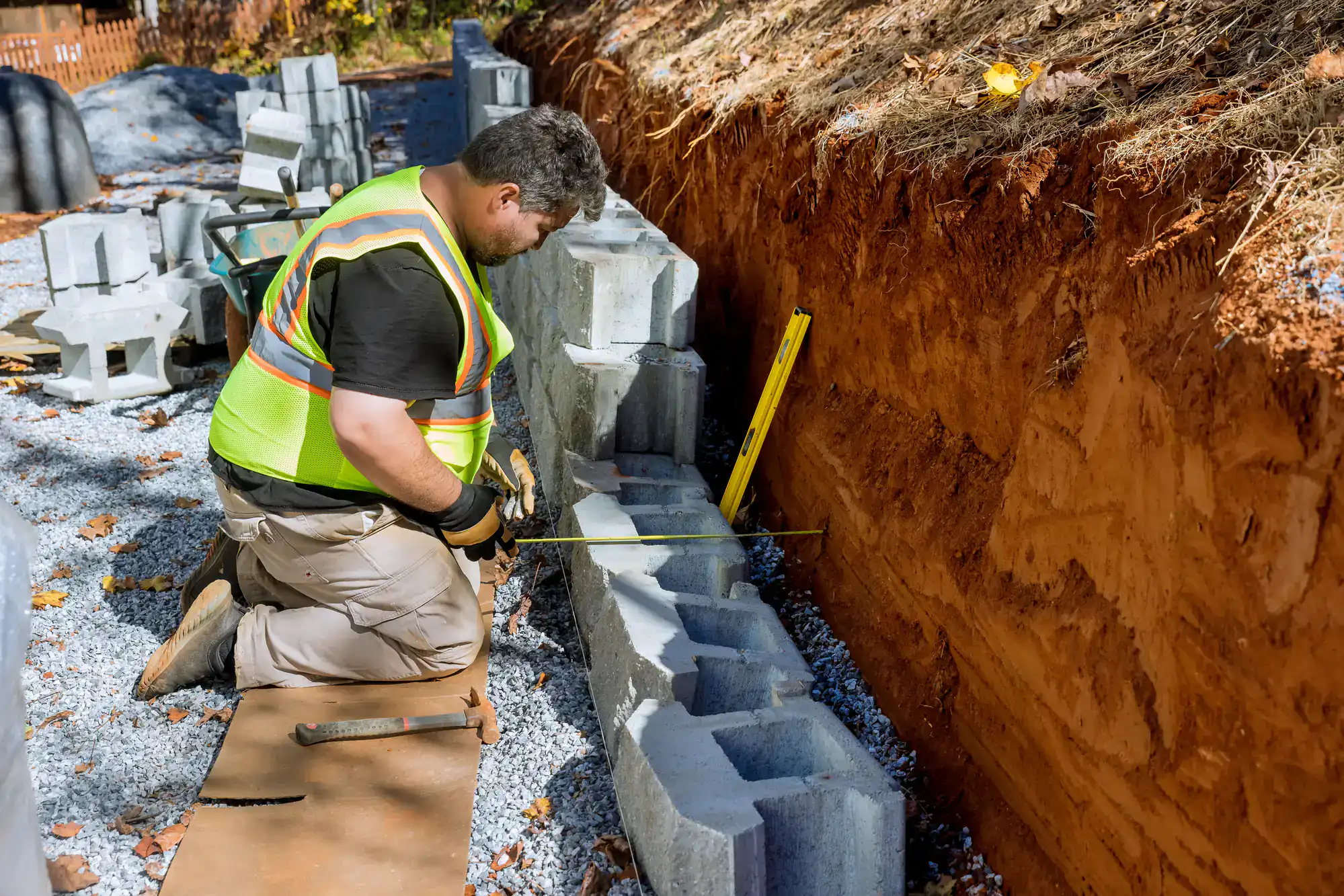
A construction worker in a safety vest kneels on gravel, measuring concrete blocks as he builds a retaining wall beside an exposed dirt slope. Tools and blocks are scattered around the worksite.

Retaining Wall Installation Process Sayville

How We Build Walls That Last Decades
We start by understanding your specific site conditions—soil type, how water moves across your property, and what kind of grade changes you’re dealing with. This isn’t a cookie-cutter process because every Sayville property has different challenges. Excavation goes deep enough to matter. We dig 8-10 inches minimum, but often go 30-36 inches to get below the frost line. This sounds like overkill until you see what happens to shallow walls after a few Long Island winters. The foundation gets proper base layering with crushed stone, drainage systems designed for our coastal water tables, and edge restraints that prevent shifting in sandy soil. We use interlocking block systems that can handle slight movement without cracking or failing. Backfilling uses specialized materials that drain properly while providing stability. The final step is making sure water flows away from your wall, not behind it where it can cause problems later.
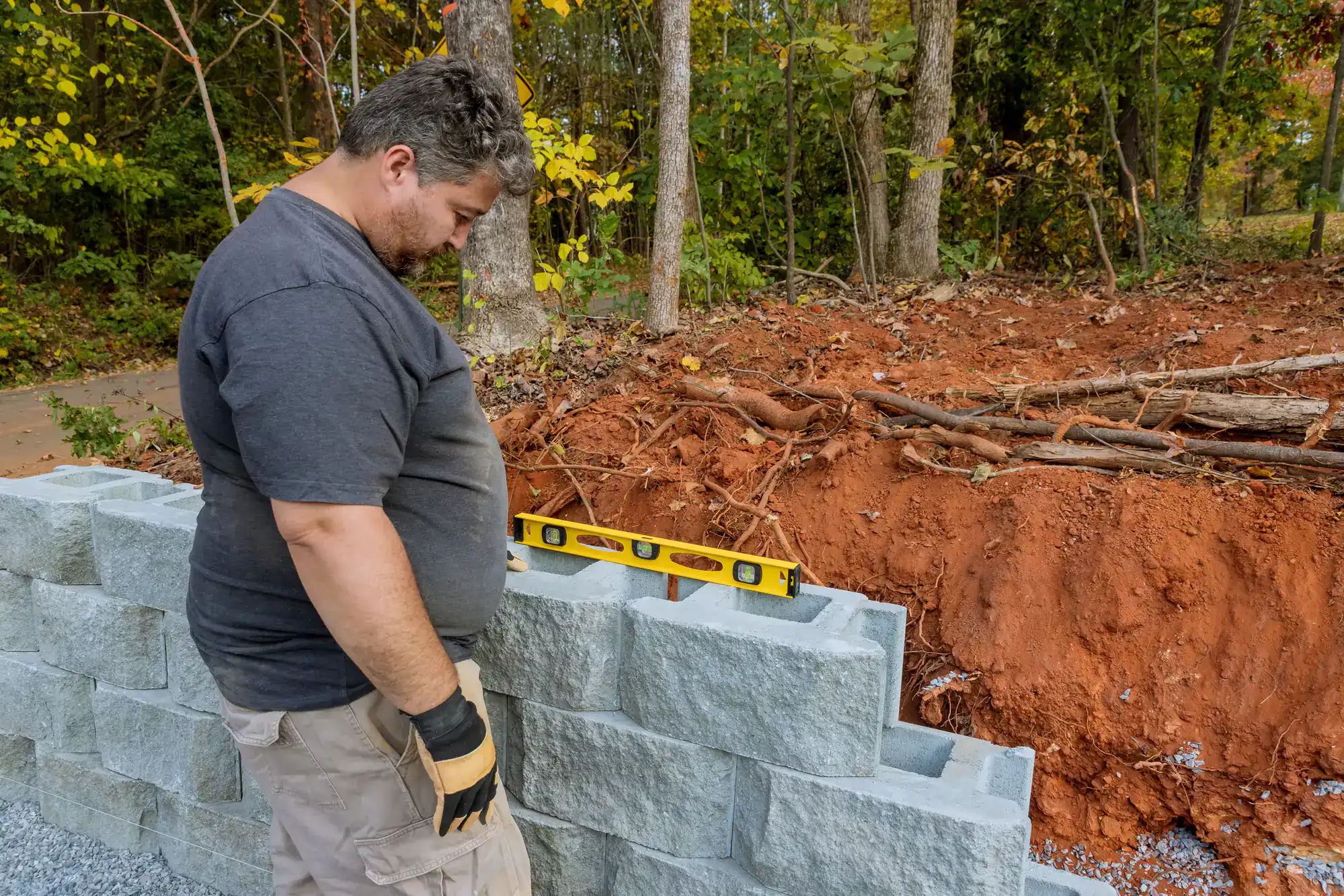
A man wearing gloves checks the level of a gray stone retaining wall with a yellow spirit level, next to a dirt embankment and forested area.

Ready to get started?

Explore More Services

About Stone Escapes Masonry & Outdoor Design

Get a Free Consultation

Sayville Stone Wall Installation Options

Materials Built for Coastal Long Island
Sayville properties need retaining wall materials that handle salt air, freeze-thaw cycles, and sandy soil conditions that shift during storms. We primarily use segmental block systems because they work with Long Island’s soil instead of fighting it. These interlocking concrete systems come in colors and textures that match your home’s style while giving you the structural performance you need. For higher-end projects, natural stone options use local fieldstone and cut stone that complement traditional Long Island architecture. Every material choice considers what Sayville weather throws at it. Salt air corrodes standard materials over time. High water tables create different drainage demands than inland properties. Storm surge and nor’easters test walls in ways that don’t happen everywhere else. The goal is a wall that looks great and performs reliably for decades, not something that starts failing after the first few winters.
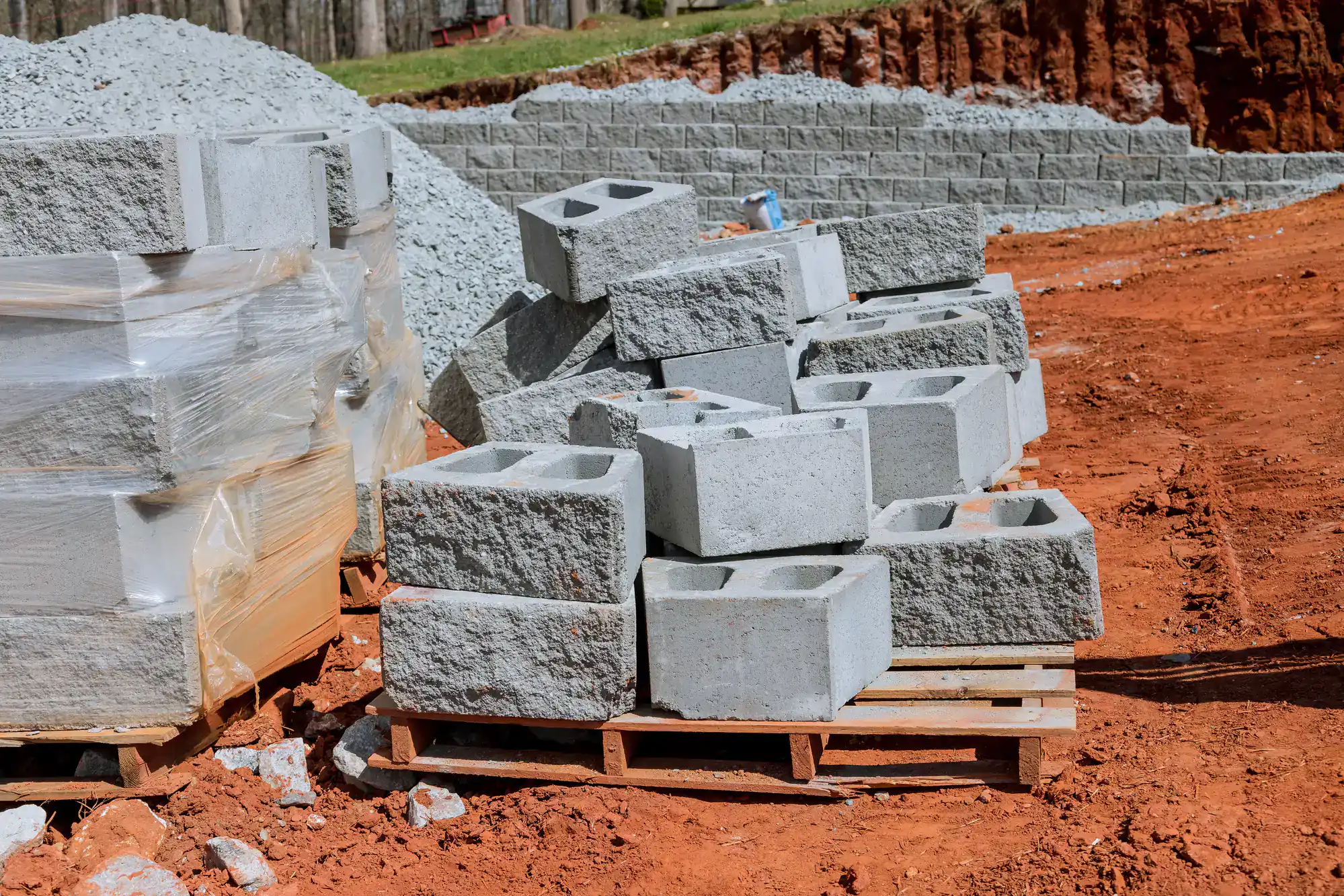
A stack of concrete cinder blocks is arranged on wooden pallets at a construction site with red soil and gravel. Wrapped blocks and a partially built stone retaining wall are visible in the background.

How Much Does a Retaining Wall Cost in Sayville, NY?

Professional retaining wall installation in Sayville typically runs $25-45 per square foot for segmental block systems, with natural stone options costing more. Your final price depends on wall height, how easy it is to access your property, drainage requirements, and material choices. Long Island projects often cost more than inland areas because of what’s required to build properly here. Walls need deeper foundations to get below the frost line and enhanced drainage systems to handle high water tables. These aren’t upgrades—they’re necessities for long-term performance in sandy soil and coastal climate. We break down material, labor, and site preparation costs in our estimates so you understand exactly what you’re paying for and why it’s necessary for your specific property.
Poor drainage causes most retaining wall failures on Long Island. When water builds up behind your wall with nowhere to go, it creates pressure that cracks, tilts, or collapses the structure completely. Sandy soil makes this worse because it shifts easily when saturated. Contractors who don’t understand Long Island conditions often skip proper drainage installation or don’t dig foundations deep enough. Walls built without reaching below the 30-36 inch frost line shift during freeze-thaw cycles. Coastal exposure adds salt air corrosion and storm surge considerations that many contractors ignore. We address these challenges with robust drainage systems, corrosion-resistant materials, and foundation depths that prevent frost damage before it starts.
Properly built retaining walls in Sayville last for decades when constructed with appropriate materials and methods. Segmental block systems typically perform reliably for 50+ years when installed correctly with proper drainage and foundation depth. The difference is using materials and techniques designed for coastal conditions. Walls built with generic methods often fail within 5-10 years due to salt air exposure, freeze-thaw damage, and inadequate drainage for high water tables. We use corrosion-resistant components, enhanced drainage systems, and frost-resistant materials specifically because Sayville’s climate demands more than standard construction. Simple maintenance like clearing drainage outlets and removing vegetation growth extends wall life even further.
Most retaining walls over 3-4 feet tall require permits in Sayville, with costs ranging from $50-450 depending on wall size and location. Properties in flood zones or with significant elevation changes often have additional requirements you need to meet. Local regulations frequently require engineered retaining walls for properties with drainage challenges or proximity to neighboring structures. Walls over 4 feet typically need structural engineer design to ensure safety and code compliance. We handle permit applications as part of our service and know local requirements specific to Suffolk County and Sayville. This includes setback requirements, height restrictions, and drainage specifications that vary by neighborhood and property type.
Long Island’s sandy soil, coastal climate, and high water tables require specialized construction approaches that work completely differently from inland methods. The glacial deposit soil drains well but shifts easily, demanding deeper foundations and specialized backfill materials. Coastal proximity creates salt air exposure and storm surge considerations that require corrosion-resistant materials and enhanced drainage systems. Freeze-thaw cycles near the coast are more severe, requiring foundations 30-36 inches deep to prevent frost damage. Standard retaining wall techniques used in other regions fail here within a few years. We use interlocking concrete systems that accommodate soil movement, robust drainage for high water tables, and materials rated for coastal exposure because Long Island conditions demand this specialization.
Sandy soil drainage requires a completely different approach than clay or rocky conditions. While sandy soil drains quickly, it also shifts easily when water levels fluctuate, making proper drainage design critical for wall stability. We install drainage systems that manage both surface water and groundwater, using perforated pipes, gravel backfill, and outlet systems designed for Long Island’s high water tables. The goal is controlling water flow without allowing pressure buildup behind your wall. Coastal areas like Sayville face additional challenges with storm surge and seasonal water level changes. Our drainage systems account for these conditions using materials and methods that prevent clogging and maintain function even during the heavy weather events that hit Long Island regularly.