Retaining Wall Contractor Port Jefferson

Walls Built Right the First Time

No more worrying about erosion, drainage problems, or unstable slopes threatening your Port Jefferson property.
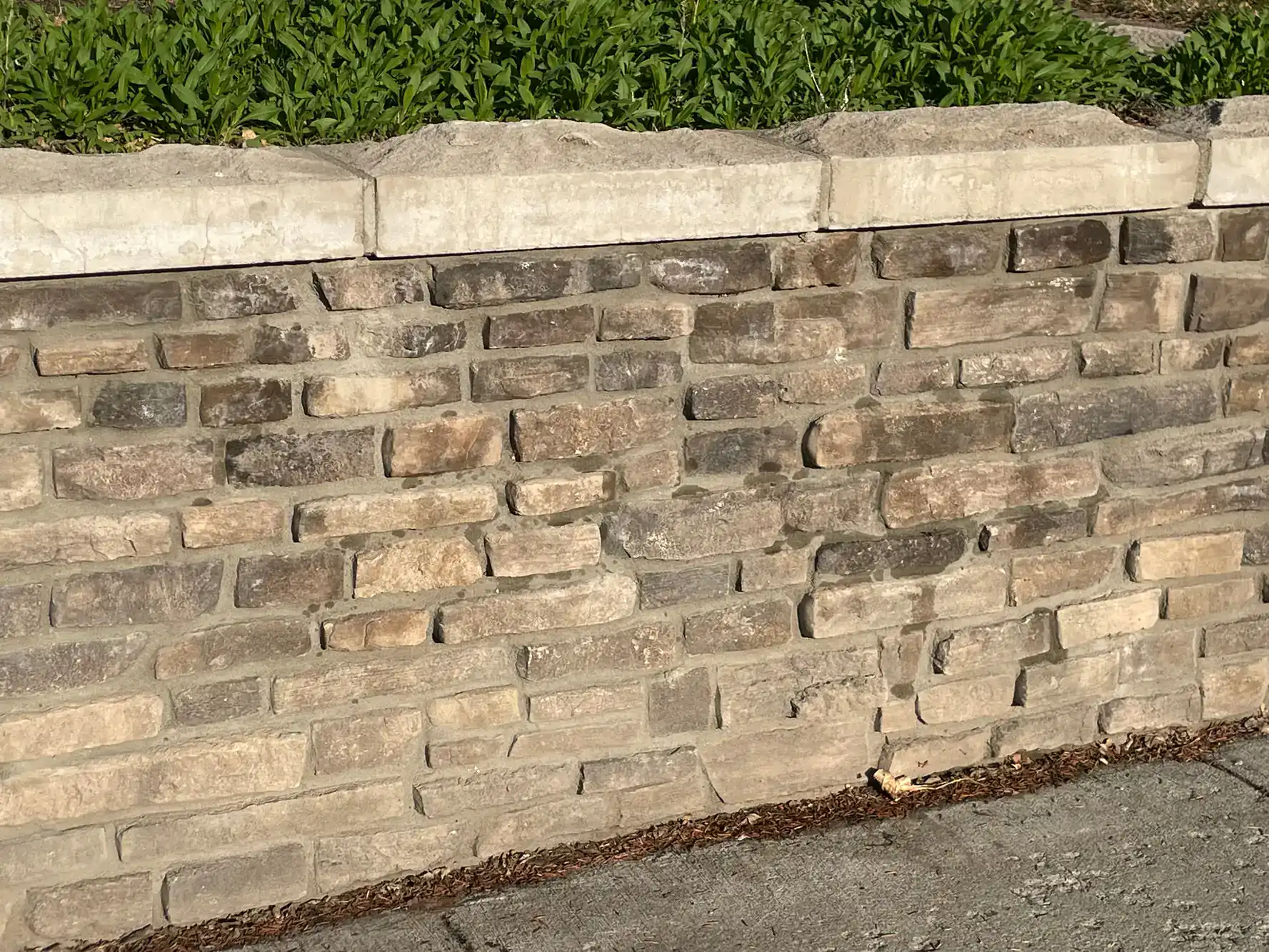
A stone retaining wall made of rectangular, tan and brown bricks supports a raised bed with green plants. Sunlight casts shadows on the textured wall and gray sidewalk below.

Hear from Our Customers

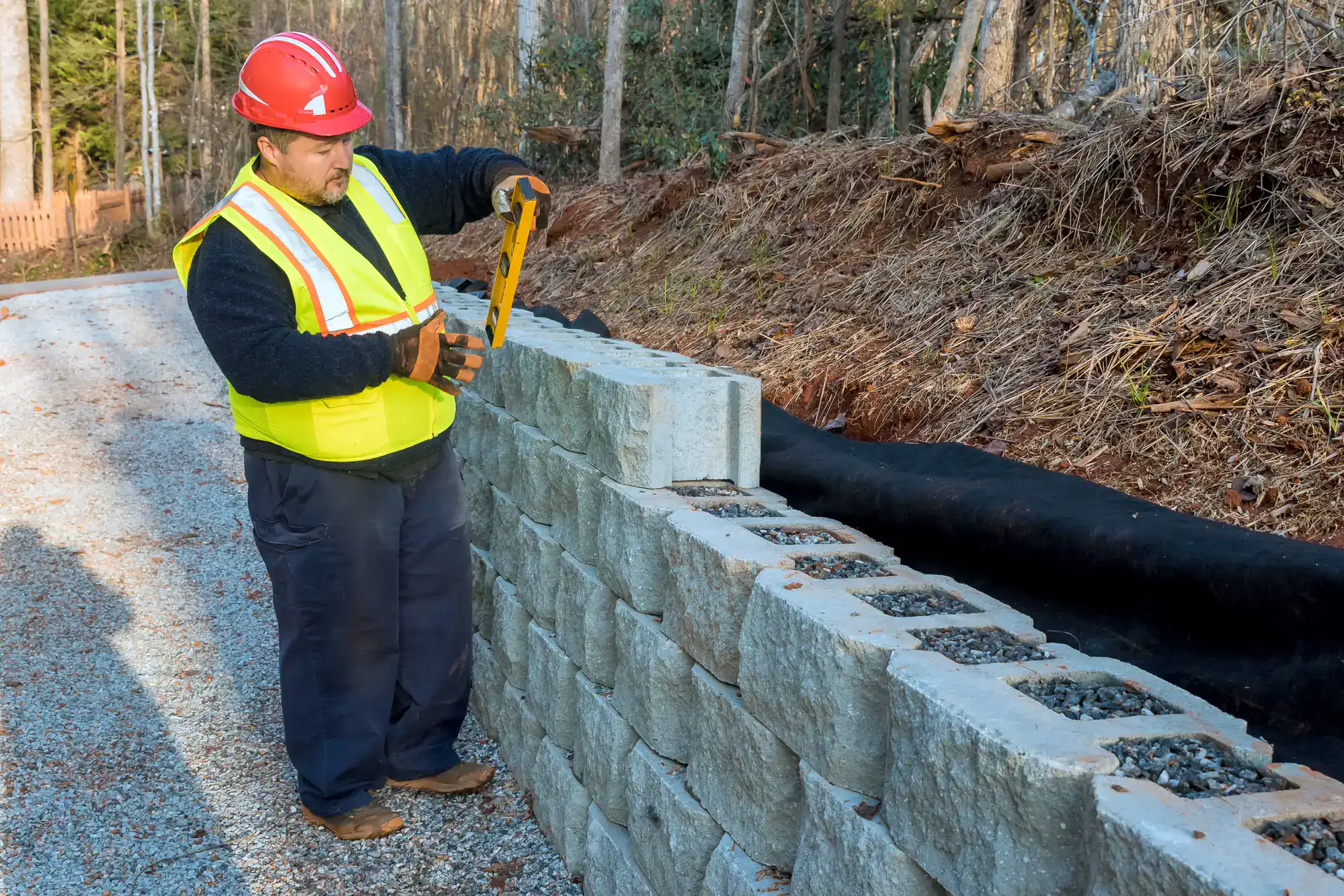
A construction worker in a yellow safety vest and red helmet uses a level to check concrete blocks while building a retaining wall next to a gravel road and a slope with trees.

Port Jefferson Retaining Wall Installation

Your Property Protected and Enhanced
You get a retaining wall that actually handles Long Island’s challenges. Sandy soil that drains too fast in summer, then freezes and shifts in winter. Coastal moisture that eats through cheap materials. High water tables that build pressure behind poorly designed walls. Your finished wall prevents soil erosion while creating usable space where slopes used to limit your options. No more watching topsoil wash away during heavy rains or dealing with water pooling where it shouldn’t. The difference shows immediately. Clean lines that define your landscape. Stable ground that stays put through freeze-thaw cycles. Proper drainage that directs water away from your foundation instead of letting it build up behind the wall.

Licensed Port Jefferson Stone Wall Installer

Long Island Expertise That Shows
Stone Escapes has been handling Port Jefferson’s unique masonry challenges for over 15 years. We’re licensed and insured in Suffolk County, with the certifications from Cambridge, Techo-Bloc, and Unilock that matter when you’re building something permanent. Owner Iain Traynor brings union masonry experience to every project. He still does estimates personally and stays involved through completion because he knows Long Island conditions require specific approaches that generic contractors miss. We excavate 8-10 inches deep as standard, not the shallow shortcuts others take. We plan drainage from day one, not as an afterthought. We use proper base layering and edge restraints because we’ve seen what happens to walls built without them.
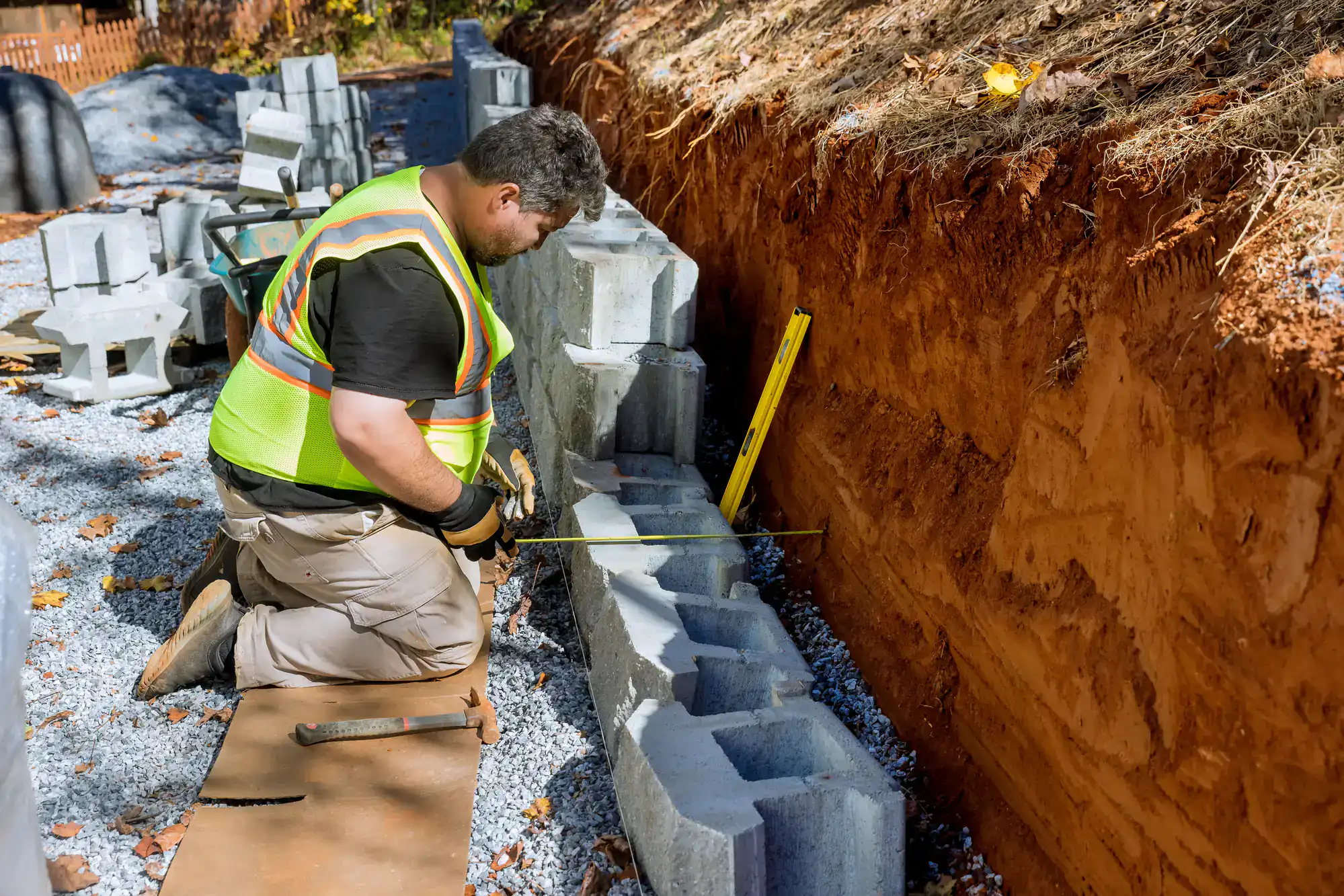
A construction worker in a safety vest kneels on gravel, measuring concrete blocks as he builds a retaining wall beside an exposed dirt slope. Tools and blocks are scattered around the worksite.

Retaining Wall Specialist Port Jefferson Process

How We Handle Your Wall Right
First, we assess your specific site conditions. Port Jefferson’s sandy soil and coastal exposure create different challenges than inland properties face. We measure slopes, check drainage patterns, and identify any underground utilities before we touch a shovel. Next comes proper excavation and foundation prep. We dig below the frost line – typically 30-36 inches deep in our area – and install the compacted gravel base that prevents settling. This isn’t where you want shortcuts. Then we build with the right materials for your situation. Interlocking concrete blocks for most residential projects, natural stone when aesthetics matter most, or engineered solutions for challenging sites. We install drainage systems as we go, not after the fact. Final step is backfilling with proper materials and grading that directs water where it should go. We clean up completely and walk you through maintenance basics that keep your investment protected.
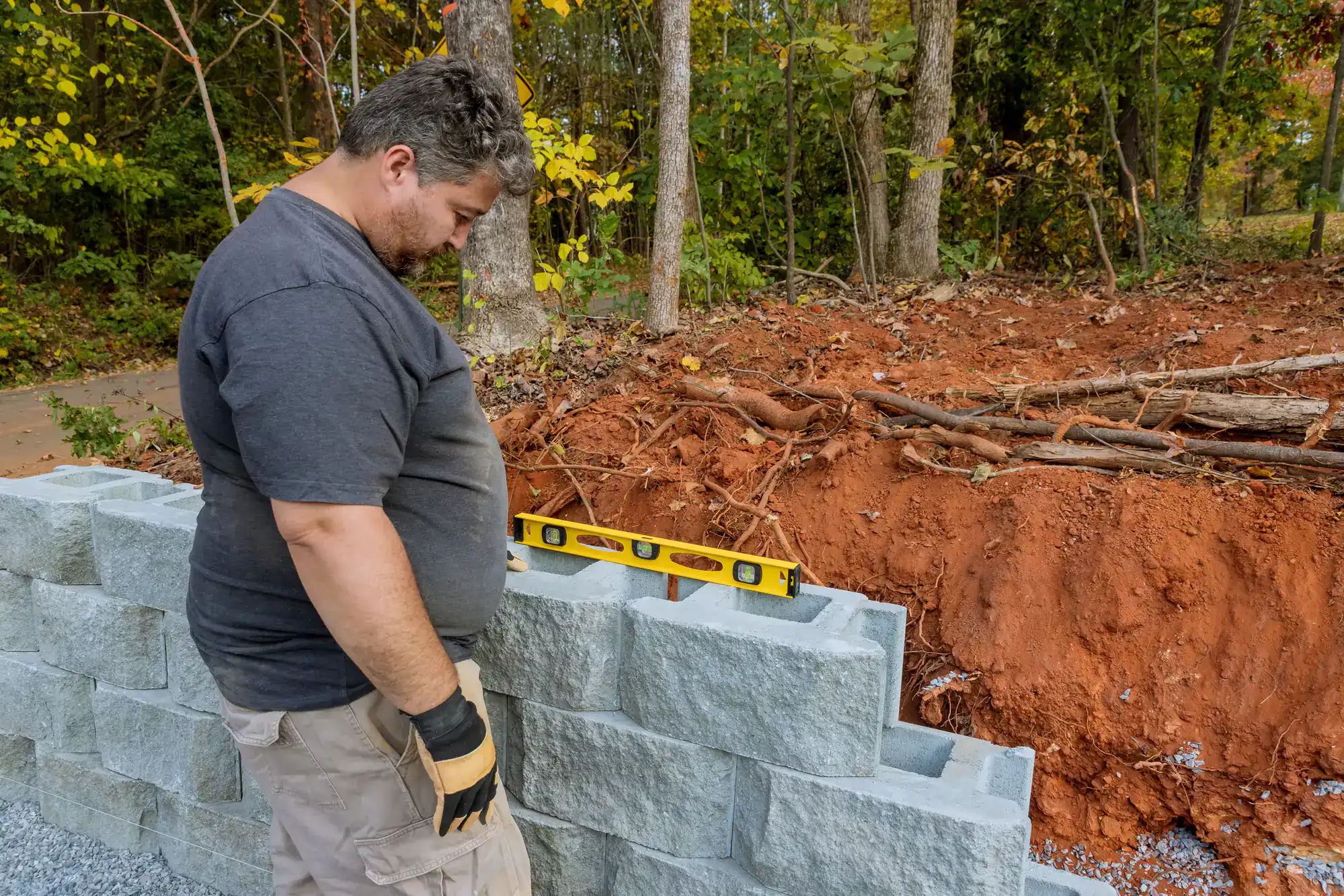
A man wearing gloves checks the level of a gray stone retaining wall with a yellow spirit level, next to a dirt embankment and forested area.

Ready to get started?

Explore More Services

About Stone Escapes Masonry & Outdoor Design

Get a Free Consultation

Port Jefferson Retaining Wall Builder Services

What Your Project Includes
Every retaining wall installation includes proper foundation preparation, drainage planning, and material selection specific to Port Jefferson conditions. We handle permits when required and coordinate with local building departments. You get materials from established manufacturers we’re certified with – Cambridge, Techo-Bloc, Unilock, Nicolock. These aren’t the cheapest options, but they’re engineered for Long Island’s freeze-thaw cycles and coastal moisture exposure. Our standard process includes excavation to proper depth, compacted base installation, filter fabric placement, and perforated drain pipe where needed. We backfill with clean stone, not whatever dirt happens to be around. Edge restraints prevent shifting that causes problems years later. Port Jefferson properties often deal with high water tables and seasonal drainage challenges. We address these with French drain systems when necessary and always grade final surfaces to direct water away from structures. Your wall protects your property instead of creating new problems.
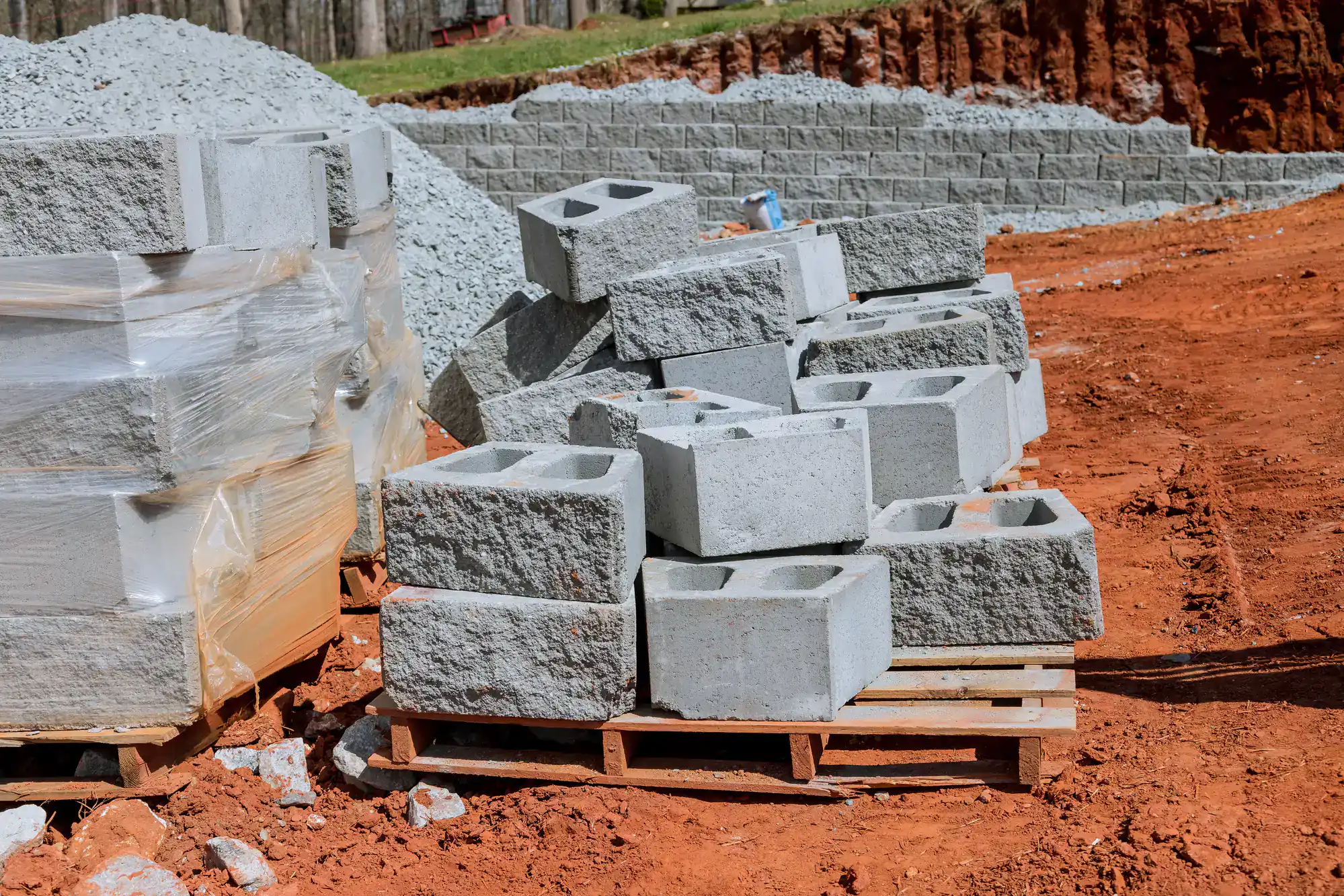
A stack of concrete cinder blocks is arranged on wooden pallets at a construction site with red soil and gravel. Wrapped blocks and a partially built stone retaining wall are visible in the background.

How deep do retaining walls need to be in Port Jefferson?

Foundation depth depends on wall height and Port Jefferson’s frost line requirements. We typically excavate 30-36 inches deep to get below the frost line and prevent heaving during freeze-thaw cycles. For walls over 4 feet, we go deeper and may require engineered specifications. Long Island’s sandy soil drains well but needs deeper foundations than clay soils for stability. We also install 18-24 inches of drainage stone behind taller walls to handle groundwater pressure. The extra depth costs more upfront but prevents the expensive failures we see with shallow foundations. Walls that heave or settle require complete rebuilding, not just repairs.
Proper drainage prevents the hydrostatic pressure that causes 90% of retaining wall failures. We install perforated drain pipes at the base, surrounded by clean gravel and wrapped in filter fabric to prevent soil infiltration. For Port Jefferson’s high water table conditions, we often add French drain systems that intercept groundwater before it reaches the wall. These connect to existing drainage or daylight at lower elevations on your property. We use minimum 12 inches of drainage stone behind residential walls, extending 18-24 inches for taller installations. The stone allows water to flow freely instead of building pressure. Weep holes at regular intervals provide additional drainage paths when needed.
Retaining wall costs in Port Jefferson typically range from $35-65 per square foot, depending on height, materials, and site conditions. A standard 4-foot high, 25-foot long wall usually runs $3,500-6,500 including proper drainage. Factors affecting cost include excavation requirements, drainage complexity, material choice, and permit needs. Walls over 4 feet often require engineering, adding $500-2,000 to project cost. Sandy soil conditions sometimes require deeper excavation than other areas. We provide detailed estimates after site evaluation because every property has different challenges. Coastal exposure, existing utilities, access limitations, and drainage requirements all impact final pricing. Quality installation costs more initially but prevents expensive rebuilds.

Interlocking concrete blocks handle Long Island’s freeze-thaw cycles and coastal moisture better than most alternatives. We use Cambridge, Techo-Bloc, and Unilock systems that are engineered for our climate conditions. Natural stone works well but requires expert installation and proper drainage. Limestone and granite resist weathering, while softer stones may deteriorate faster in coastal environments. We avoid materials that absorb moisture or lack freeze-thaw ratings. Avoid wood retaining walls in coastal areas – salt air and moisture cause rapid deterioration. Steel requires special coatings to prevent corrosion. We recommend materials with proven performance records in similar conditions rather than experimenting with your investment.
Port Jefferson typically requires permits for retaining walls over 4 feet high or within setback areas. We handle permit applications and coordinate with local building departments as part of our service. Even shorter walls may need permits if they’re near property lines, utilities, or affect drainage patterns. Suffolk County has specific requirements for coastal areas that affect foundation depth and drainage design. We recommend checking requirements early in planning since permit approval affects project timing. Engineering may be required for taller walls or challenging sites, adding time to the approval process. Our experience with local requirements helps avoid delays and ensures compliance.
Well-constructed retaining walls with proper drainage typically last 50-75 years in Port Jefferson conditions. The key factors are foundation depth below frost line, adequate drainage systems, and materials rated for coastal exposure. Walls that fail early usually have drainage problems or insufficient foundations. Poor backfill materials, inadequate compaction, or missing edge restraints cause premature failure. We see 20-year-old walls needing replacement when shortcuts were taken during installation. Regular maintenance extends wall life significantly. This includes keeping drainage clear, checking for settlement or movement, and addressing minor issues before they become major problems. Properly built walls require minimal maintenance beyond periodic inspection and drainage cleaning.