Retaining Wall Contractor in Oakdale, NY

Walls Built Right the First Time

No more worrying about soil washing away after every storm—get a retaining wall contractor in Oakdale, NY who understands Long Island’s sandy soil and drainage challenges.
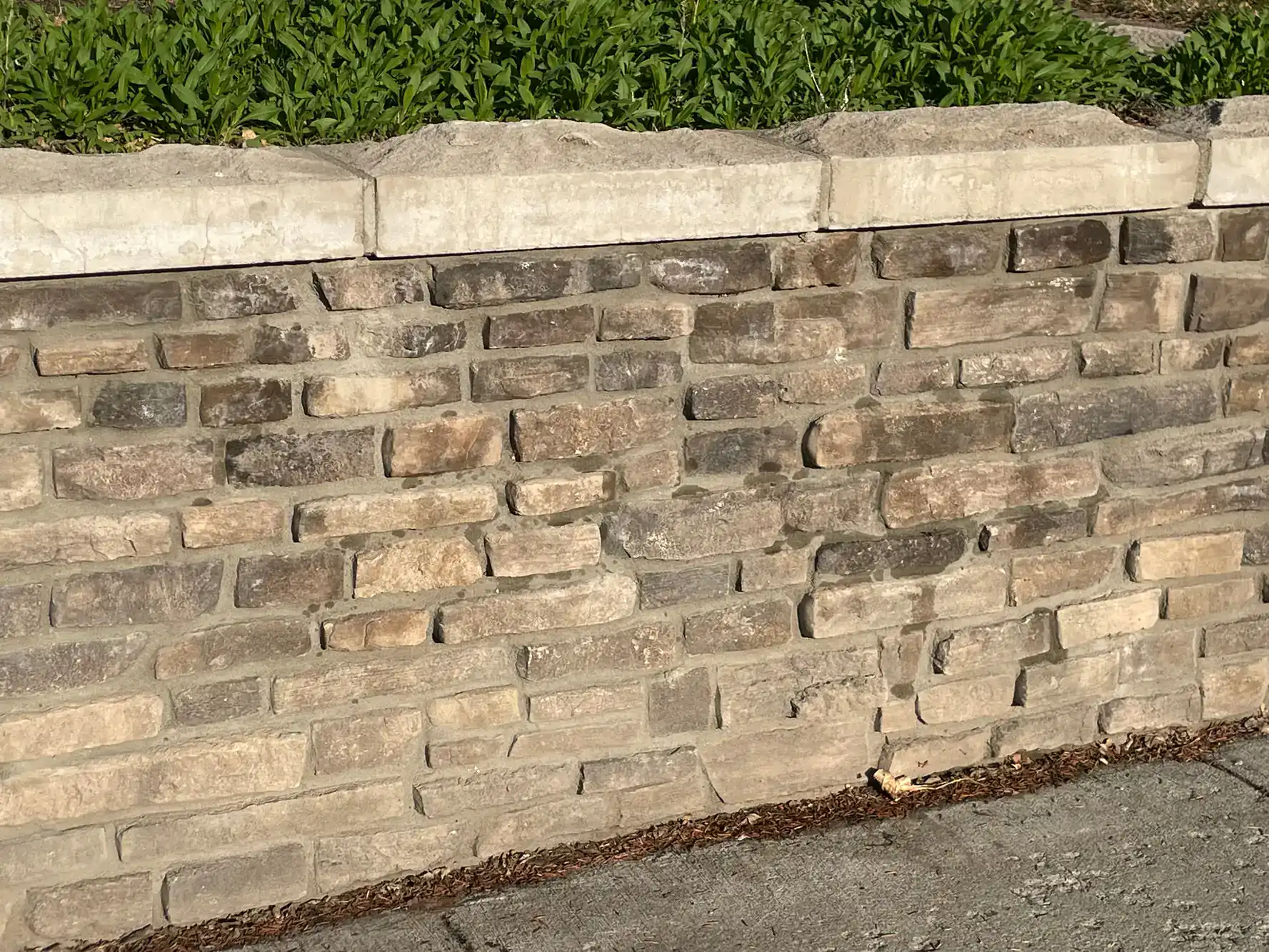
A stone retaining wall made of rectangular, tan and brown bricks supports a raised bed with green plants. Sunlight casts shadows on the textured wall and gray sidewalk below.

Hear from Our Customers

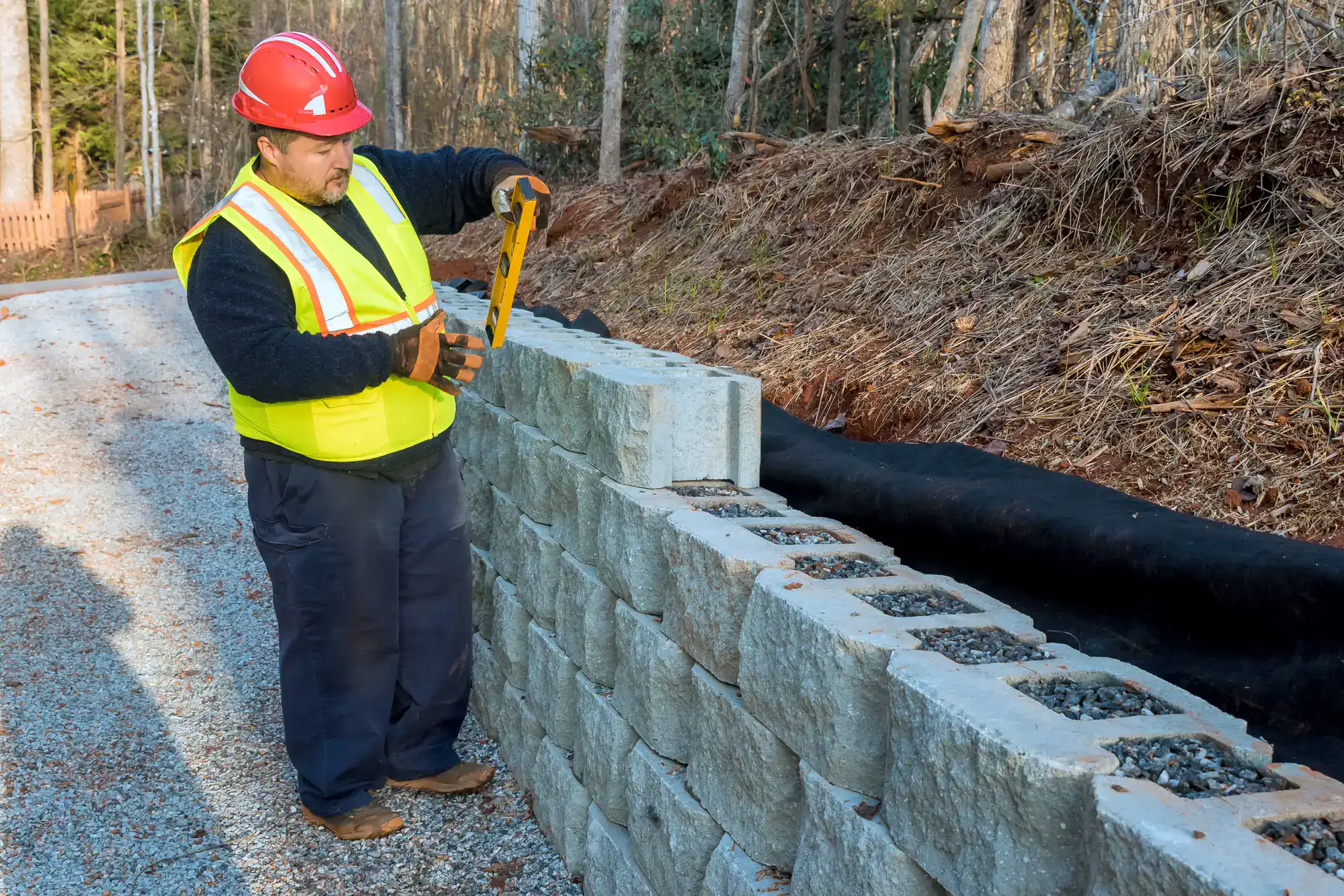
A construction worker in a yellow safety vest and red helmet uses a level to check concrete blocks while building a retaining wall next to a gravel road and a slope with trees.

Retaining Wall Installation Oakdale NY

Your Property Protected for Decades
You’ll finally have peace of mind knowing your landscape is secure. Your sloped yard becomes usable space for gardens, patios, or play areas instead of an erosion headache. Water damage from runoff becomes a thing of the past. Your retaining wall manages stormwater properly, directing it away from your foundation and protecting your most valuable investment. The constant worry about soil loss disappears. You get a wall built specifically for Long Island’s coastal conditions—one that handles our freeze-thaw cycles, sandy soil, and high water tables without failing.

Licensed Retaining Wall Builder Oakdale

Local Expertise That Makes the Difference
We’ve been solving Oakdale’s unique masonry challenges for over 15 years. Owner Iain Traynor brings union masonry training and carpenter experience to every project, personally handling estimates and staying on-site throughout construction. We’re licensed in Suffolk County, Nassau County, Southampton, and East Hampton—plus we’re certified by Cambridge, Techo-Bloc, Unilock, Nicolock, Eldorado, and Boral. That’s not just paperwork—it’s proof we know the materials and methods that work in our coastal climate. Unlike contractors who disappear after the estimate, you’ll work directly with Iain and manager Meagan throughout your entire project. No middlemen, no confusion, just clear communication from people who care about getting it right.

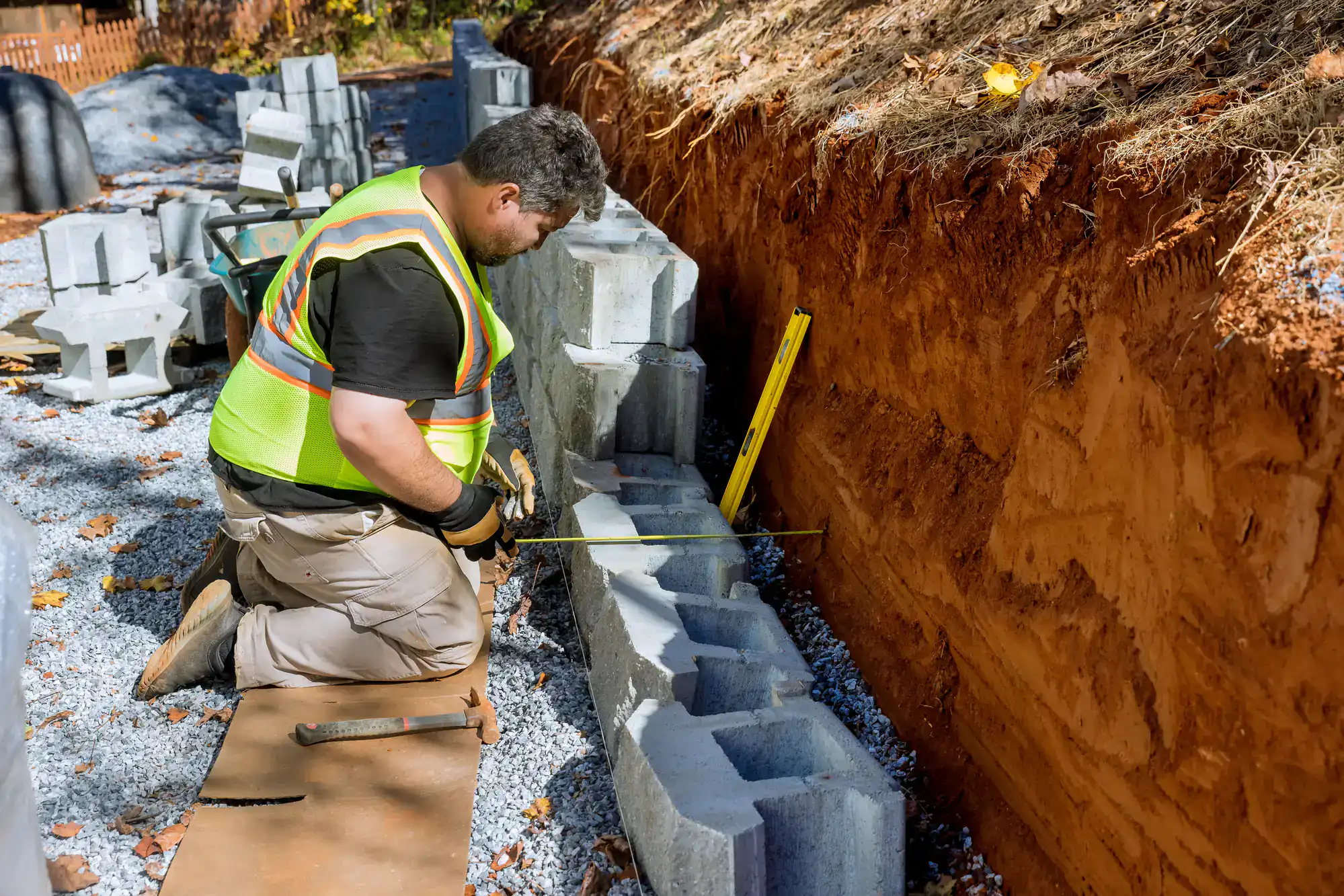
A construction worker in a safety vest kneels on gravel, measuring concrete blocks as he builds a retaining wall beside an exposed dirt slope. Tools and blocks are scattered around the worksite.

Retaining Wall Construction Process Oakdale

How We Build Walls That Last
First, Iain personally visits your property to assess soil conditions, drainage patterns, and design requirements. We measure everything, discuss your goals, and explain exactly what your specific site needs—no guesswork involved. Next comes proper excavation to 8-10 inches depth, reaching below Long Island’s frost line to prevent heaving. We install the correct base materials, drainage systems, and edge restraints that prevent shifting over time. During construction, we use manufacturer-certified installation techniques with materials designed for coastal conditions. Every course gets checked for level and proper alignment. We handle drainage behind the wall, proper backfill, and finishing work that protects your investment for decades.
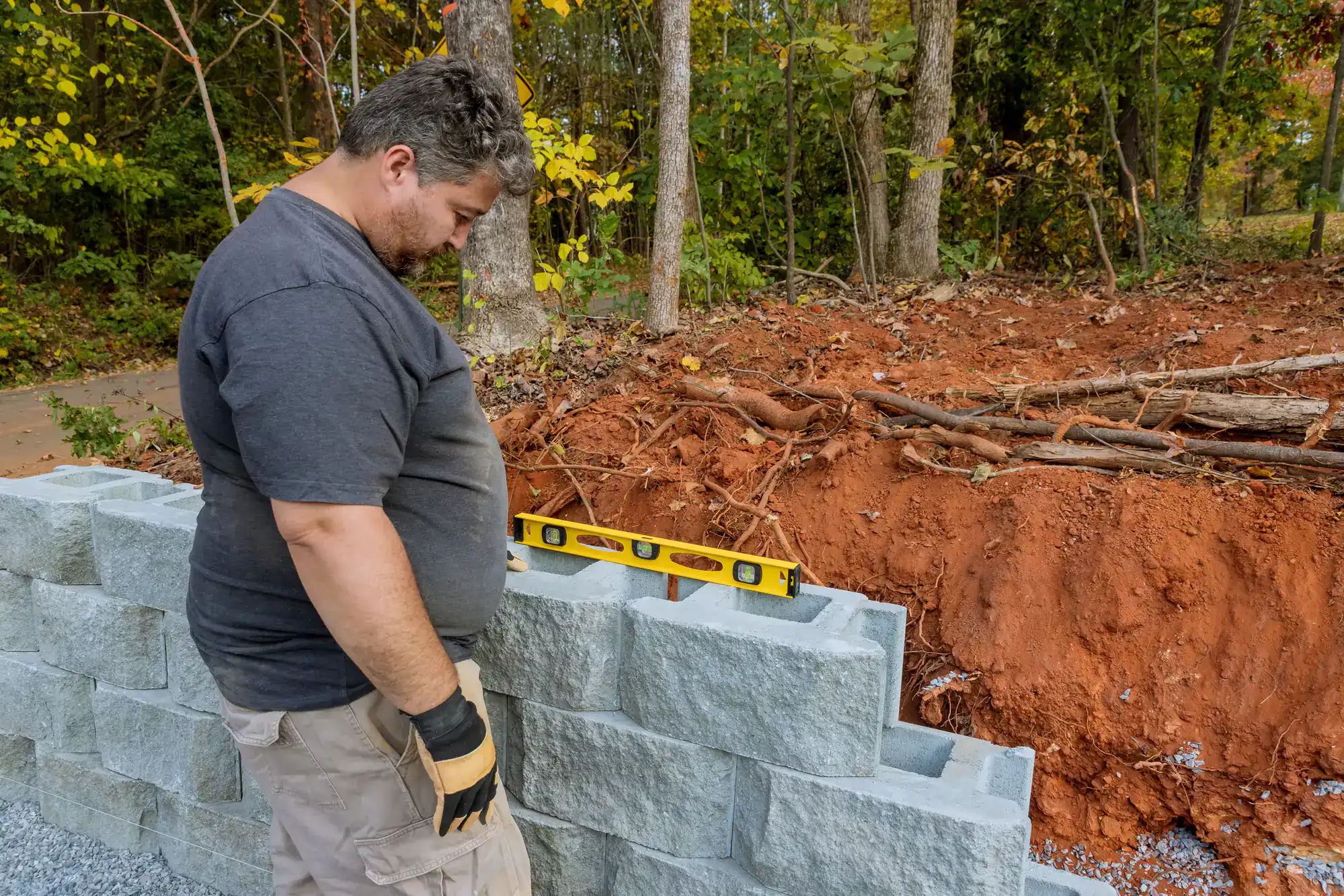
A man wearing gloves checks the level of a gray stone retaining wall with a yellow spirit level, next to a dirt embankment and forested area.

Ready to get started?

Explore More Services

About Stone Escapes Masonry & Outdoor Design

Get a Free Consultation

Stone Wall Specialist Oakdale NY

What Your Retaining Wall Project Includes
Your retaining wall gets built with Long Island’s challenging conditions in mind. We excavate to proper depths for our frost line, install drainage systems that handle our high water tables, and use materials certified for coastal exposure. Every wall includes proper base preparation with compacted gravel, perforated drainage pipe wrapped in filter fabric, and backfill materials that allow water to flow freely. We don’t cut corners on the foundation work that determines whether your wall lasts 5 years or 50. In Oakdale’s sandy soil conditions, we adjust our techniques to ensure stability. That means deeper foundations, specialized backfill materials, and drainage solutions that account for seasonal water level changes common in our area.
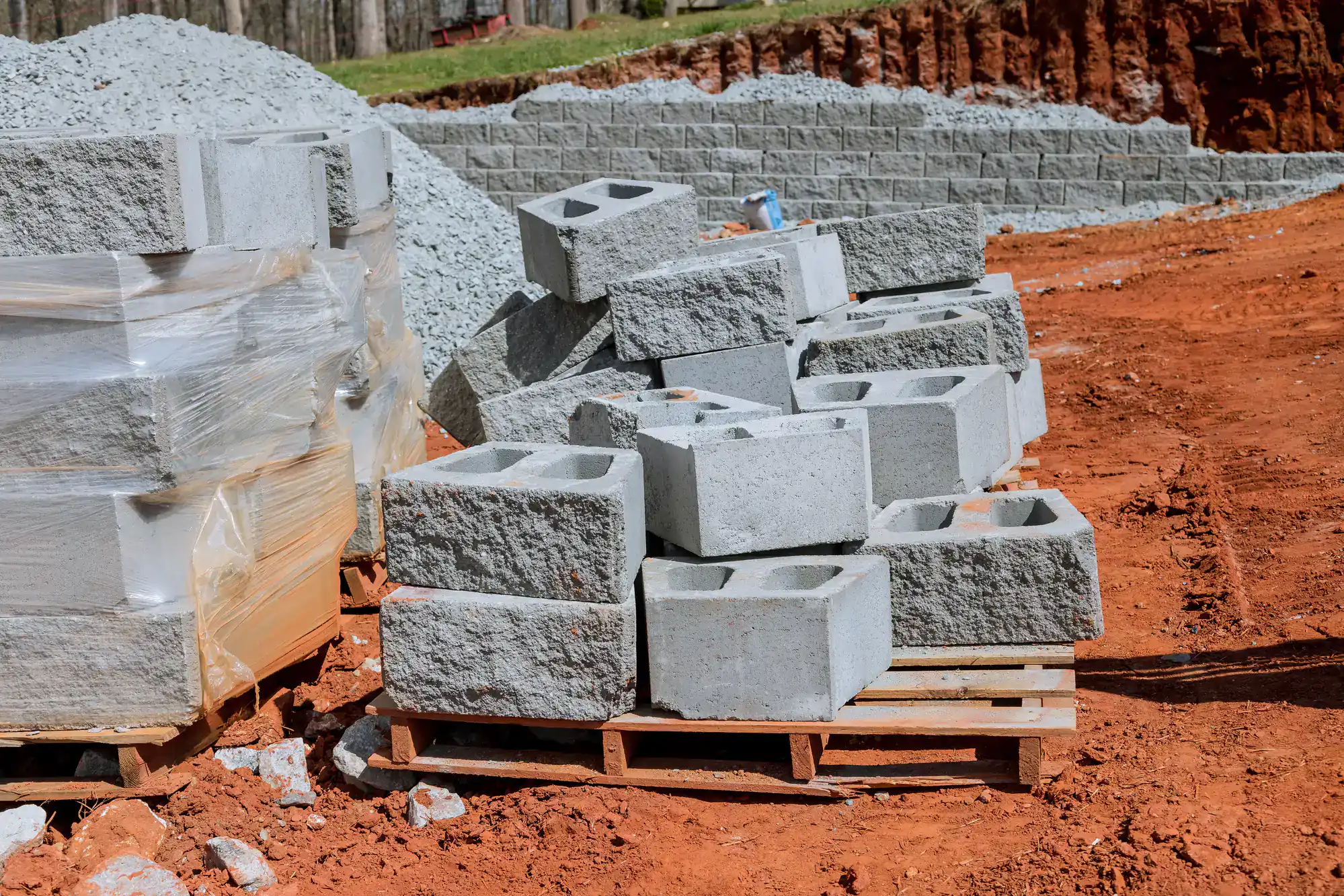
A stack of concrete cinder blocks is arranged on wooden pallets at a construction site with red soil and gravel. Wrapped blocks and a partially built stone retaining wall are visible in the background.

How deep should retaining wall foundations be in Oakdale NY?

In Oakdale’s climate, retaining wall foundations need to reach 30-36 inches deep to get below the frost line. This prevents the heaving and cracking that happens when foundations are too shallow. Long Island’s freeze-thaw cycles can destroy improperly built walls within a few years. We excavate to the correct depth every time, then install compacted gravel base materials that provide stable, well-draining support. Shallow foundations are one of the biggest mistakes we see from other contractors. The extra excavation costs more upfront but saves you from expensive rebuilds later when walls built on inadequate foundations fail.
Poor drainage is the number one cause of retaining wall failure anywhere, but it’s especially critical in Long Island’s sandy soil with high water tables. Water builds up behind walls without proper drainage systems, creating pressure that cracks or collapses the structure. Sandy soil drains well naturally, but it also shifts more than clay soils. Walls need deeper foundations and specialized backfill materials to stay stable in our soil conditions over time. We install perforated drainage pipes, proper gravel backfill, and filter fabric to manage water flow. These aren’t optional extras—they’re essential components that prevent the hydrostatic pressure buildup that destroys walls.
Retaining wall costs in Oakdale typically range from $25-45 per square foot for segmental block walls, depending on height, site access, and material selection. Natural stone walls cost more due to material and labor requirements. Total project costs depend on wall size, drainage complexity, and site conditions. A typical residential retaining wall project ranges from $4,000-$15,000, but we provide detailed estimates after evaluating your specific situation. The cheapest bid usually means corners will be cut on foundation depth, drainage systems, or material quality. Proper installation costs more upfront but prevents expensive failures that require complete rebuilds within a few years.
Segmental concrete blocks work exceptionally well in Oakdale’s sandy soil because they’re designed to handle slight movement without cracking. We’re certified to install Cambridge, Techo-Bloc, Unilock, and other manufacturer systems. Natural stone provides premium aesthetics and longevity but requires more skilled installation. Both materials need proper drainage and foundation work to perform well in our coastal climate with salt air exposure. The key isn’t just material choice—it’s using installation techniques designed for Long Island conditions. We select materials based on your specific site requirements, aesthetic preferences, and budget while ensuring long-term performance.
Most municipalities require permits for retaining walls over 3-4 feet tall, and Suffolk County has specific requirements for structural walls. We handle permit applications and ensure compliance with local building codes. Walls over 4 feet typically need structural engineering to ensure safety and code compliance. Engineering fees add to project costs but they’re required by law and essential for preventing dangerous failures. Skipping permits might save money initially, but unpermitted work can cause problems when you sell your property. We make sure everything is done legally and safely from the start.
Properly built retaining walls in Long Island can last 20-50 years or more with minimal maintenance. The key is using correct installation techniques for our specific climate conditions including freeze-thaw cycles and coastal moisture. Walls that fail early usually have drainage problems, inadequate foundations, or poor material choices for our environment. We build walls to handle Long Island’s weather challenges from day one. Regular inspection and keeping drainage systems clear helps maximize lifespan. Most maintenance involves clearing debris from drainage outlets and checking for any settling or movement after severe weather events.