
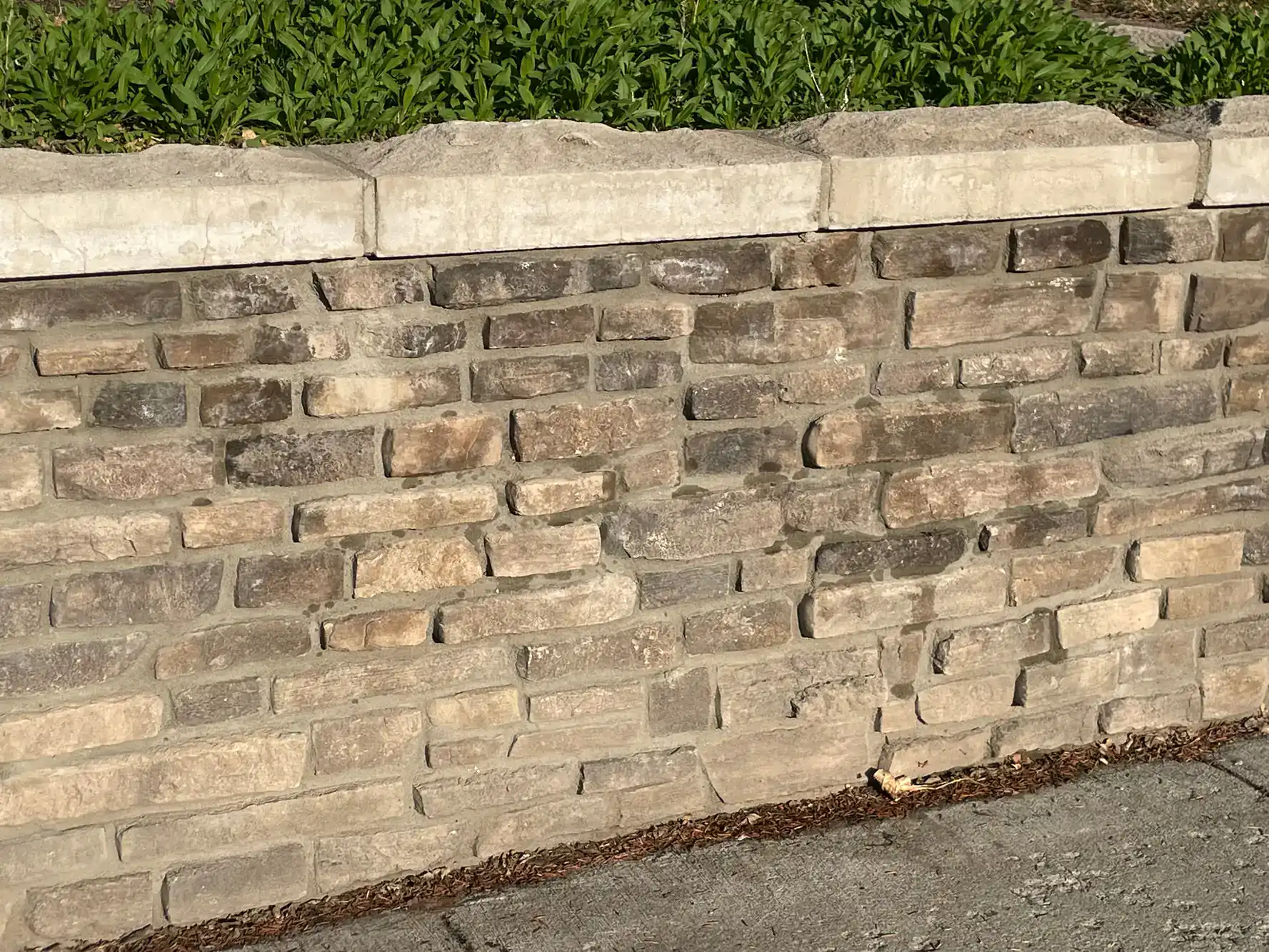
Hear from Our Customers
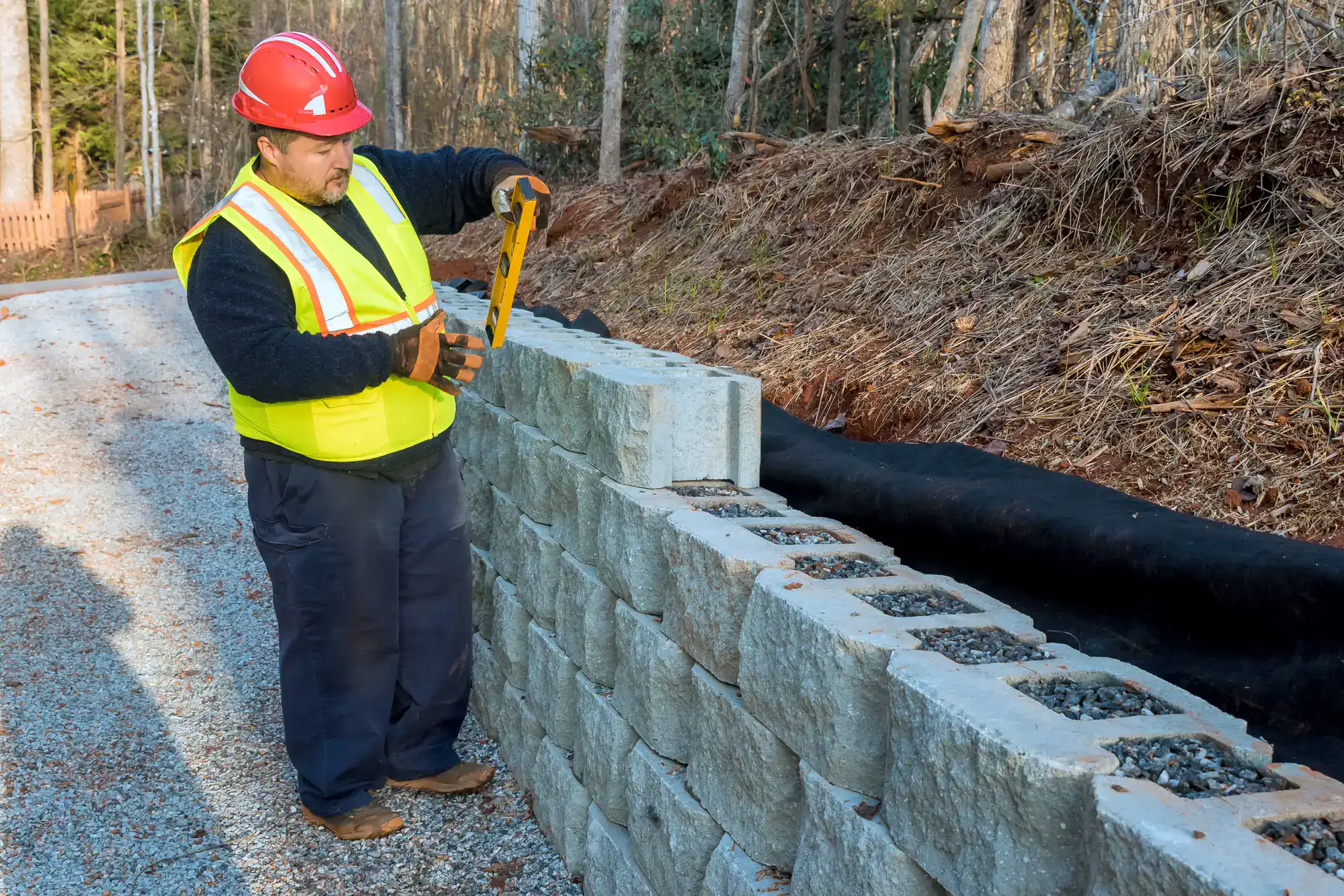
You’re tired of looking at that slope that’s either eroding away or just sitting there unusable. Maybe water runs off and pools where you don’t want it. Or you’re losing soil every time it rains hard, watching your investment literally wash down the street.
A properly built retaining wall changes all of that. You get flat, usable space where there was once a problem slope. Water gets directed where it should go instead of causing headaches. Your property value goes up because you’ve actually solved the underlying issue, not just covered it up.
The difference is in the details—proper excavation depth, the right drainage system, and materials that can handle Long Island’s sandy soil and coastal weather. When it’s done right, you don’t think about it again. You just enjoy the space you gained.
We’ve been handling masonry and outdoor construction across Suffolk and Nassau Counties, including Northport and the surrounding North Shore communities. Owner Iain Traynor brings a background in union masonry work and remains directly involved in every project—from the initial estimate through completion.
We hold certifications from Cambridge, Techo-Bloc, Unilock, Nicolock, Eldorado, and Boral. More importantly, every project addresses Long Island’s specific challenges: sandy soil, coastal moisture, drainage issues, and freeze-thaw cycles that can destroy poorly planned installations.
You work directly with the people doing the work. No automated systems or project portals—just straightforward communication and consistent crews who understand what they’re building and why it needs to last in Northport’s coastal environment.
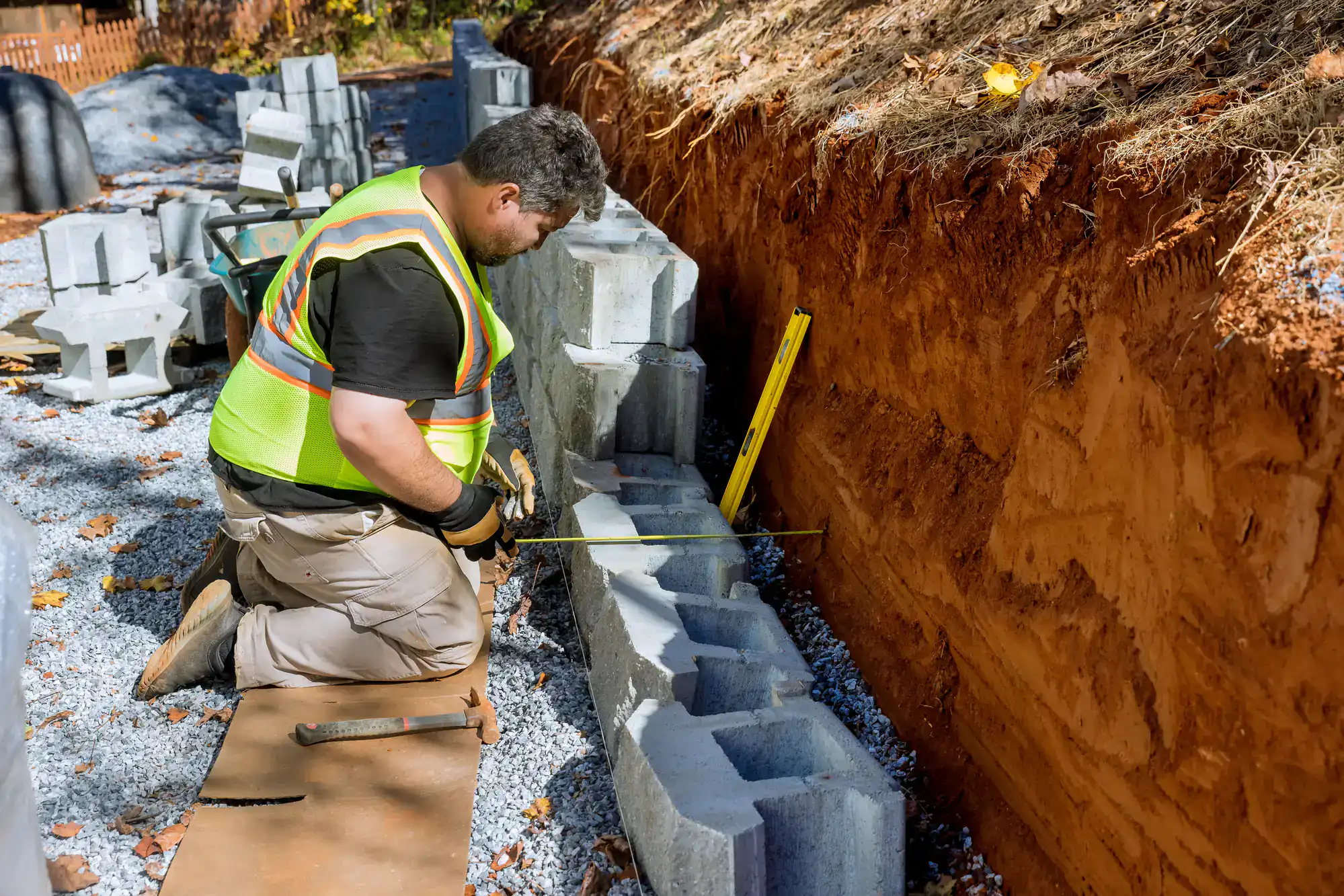
First, we assess your specific site conditions—soil type, drainage patterns, slope angles, and any existing issues. This isn’t a quick look-over. It’s understanding what’s causing your problem and what it’ll take to fix it permanently in Northport’s unique conditions.
Excavation goes 8-10 inches deep, sometimes more depending on your wall height and soil conditions. We’re getting below the frost line (30-36 inches in this area) so freeze-thaw cycles don’t shift your wall later. Proper base layering follows, with crushed stone and materials selected for drainage and stability in sandy soil.
The wall goes up with attention to drainage planning and edge restraint installation. This prevents shifting and cracking over time. Every step addresses the specific conditions we found during the assessment—not some generic approach that might work somewhere else but fails here.
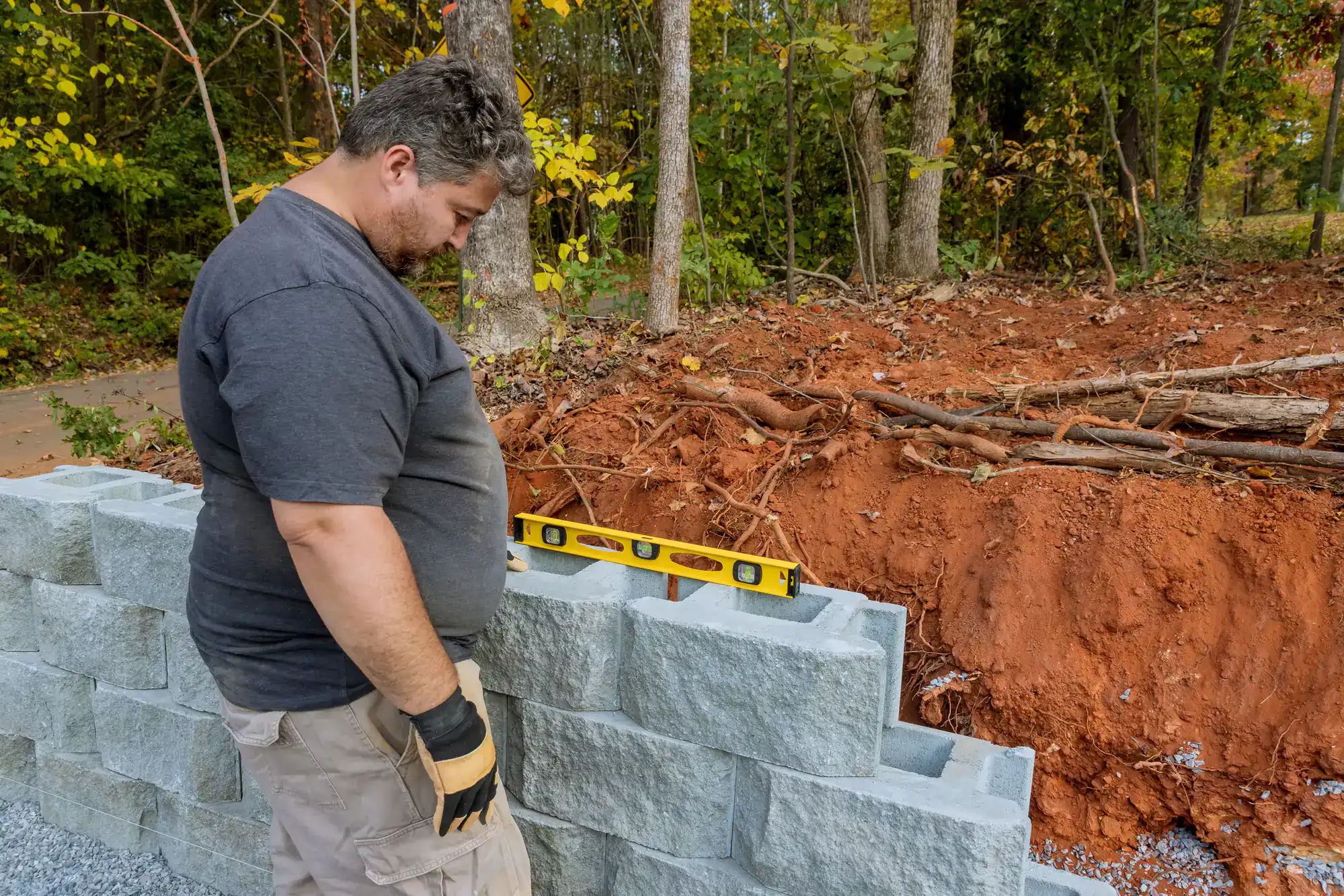
Ready to get started?
Northport’s location along Long Island’s North Shore creates specific challenges that many contractors don’t understand. The sandy soil drains quickly but lacks the strength for heavy loads. Coastal weather brings salt air and storm surges that demand corrosion-resistant materials and enhanced drainage systems.
Our installations account for these conditions from day one. Foundation depth goes below the frost line to prevent heaving during winter freeze-thaw cycles. Drainage systems handle both regular rainfall and the heavy downpours that come with nor’easters and coastal storms that regularly impact this area.
Material selection focuses on what actually works in Northport—not what looks good in a catalog. Interlocking concrete systems perform well in sandy soil while providing the structural integrity needed for Long Island’s weather patterns. The result is a wall that handles decades of coastal exposure without the maintenance headaches that come with shortcuts.
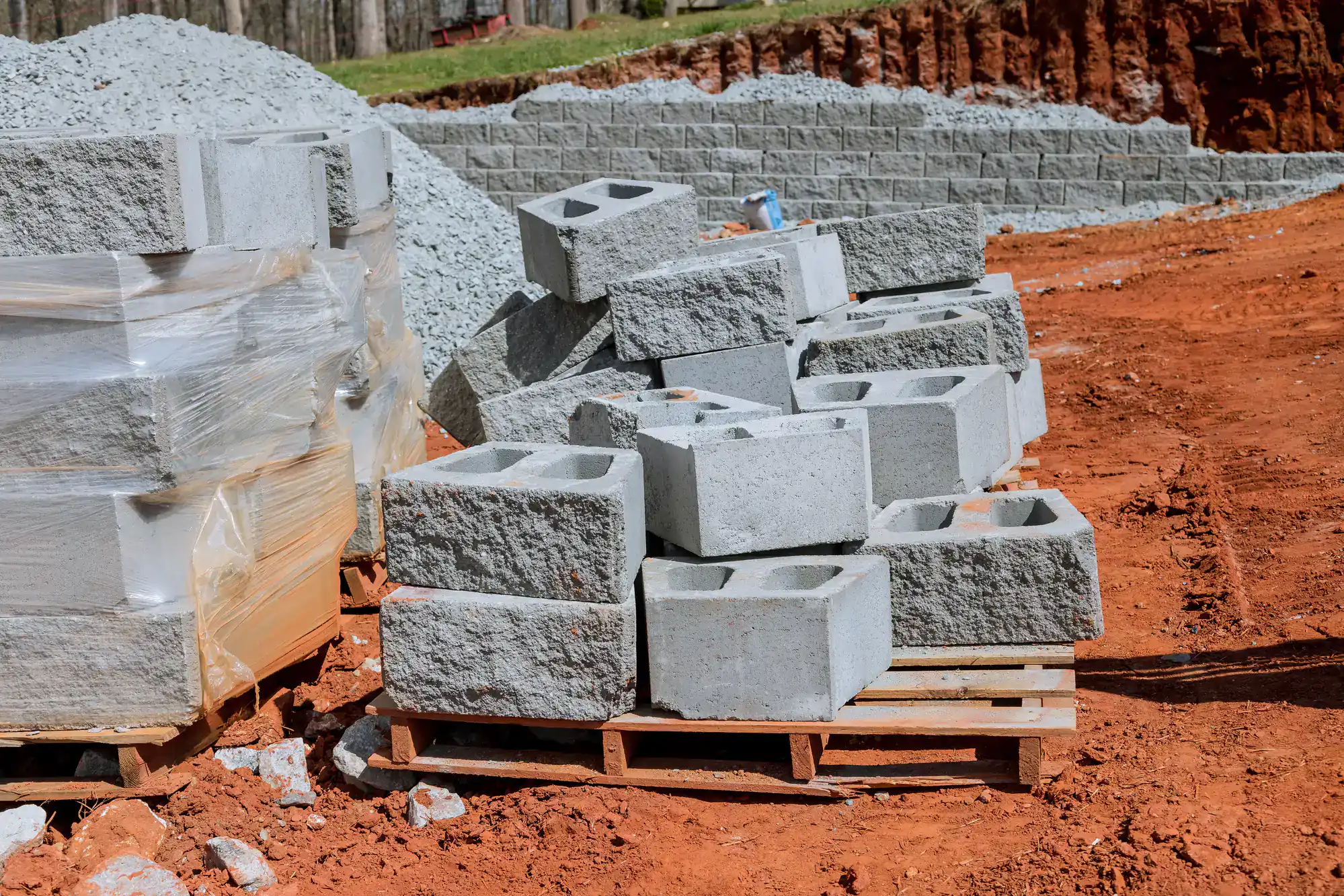
Retaining wall costs in the Long Island area typically run $54-58 per square foot, but your actual cost depends on several factors specific to your project. Wall height makes the biggest difference—a 2-foot wall costs significantly less per linear foot than a 4-foot wall that requires permits and engineering.
Material choice affects cost too. Segmental block systems usually run $25-45 per square foot installed, while natural stone costs more but offers premium aesthetics that complement Northport’s historic character. Site conditions matter as well—if we need to clear trees, deal with poor drainage, or work on steep slopes, that adds to the project cost.
The best approach is an on-site assessment where we can give you an accurate estimate based on your specific conditions, not generic pricing that may not apply to your situation.
Most municipalities require permits for retaining walls over 3-4 feet tall, and Northport follows similar guidelines. Permit costs typically range from $50-450 depending on the wall size and complexity. Walls over 4 feet usually need structural engineering as well, which adds $500-2000+ to the project.
We handle permit applications as part of our service, so you don’t need to navigate the municipal requirements yourself. During the initial assessment, we’ll determine what permits are needed and factor those costs into your estimate upfront.
It’s worth doing this right from the start. Unpermitted walls can create problems when you sell your property, and they often don’t meet the structural requirements needed for Long Island’s soil and weather conditions.
Well-built retaining walls can last decades with proper installation and minimal maintenance, but the key phrase is “well-built.” Long Island’s sandy soil, coastal weather, and freeze-thaw cycles are tough on any structure that isn’t designed for these specific conditions.
The biggest factors in longevity are proper drainage and foundation depth. Walls that don’t drain properly fail within a few years due to water pressure buildup. Shallow foundations heave during freeze-thaw cycles, causing cracks and shifts that compromise the entire structure.
Our installations address these issues upfront with drainage systems integrated into the design and excavation that goes below the frost line. With proper construction, you’re looking at 30+ years of reliable performance with just occasional inspection and debris clearing.
For Northport’s coastal location, interlocking concrete systems and natural stone perform best long-term. These materials handle salt air exposure, storm surges, and the moisture fluctuations that come with coastal weather. They’re also designed to accommodate slight movement in sandy soil without losing structural integrity.
Wood can work for shorter walls in protected areas, but Long Island’s damp climate causes rot issues that require frequent replacement. Steel looks modern but can corrode quickly in salt air unless you invest in specialized coatings that significantly increase cost.
We typically recommend segmental block systems for most residential projects. They offer the right balance of durability, cost-effectiveness, and design flexibility while handling the specific challenges of coastal Long Island properties.
The three main causes of retaining wall failure on Long Island are inadequate drainage, improper foundation depth, and using materials not suited for local conditions. Poor drainage causes water buildup behind the wall, creating pressure that eventually pushes the wall outward or causes it to bow.
Shallow foundations are another common problem. If the foundation doesn’t go below the frost line (30-36 inches in this area), freeze-thaw cycles cause the wall to heave and shift. This creates cracks that let in more water, accelerating the failure process.
Using the wrong materials for sandy soil conditions also causes problems. Some wall systems work fine in clay or rocky soil but don’t provide adequate stability in the sandy conditions common throughout Long Island. Proper installation addresses all these issues from the start.
Drainage is critical for retaining wall success, especially with Long Island’s sandy soil and coastal weather patterns. Every installation includes a drainage system designed for your specific site conditions—not a one-size-fits-all approach that might work elsewhere.
The system typically includes perforated pipes at the wall’s base, proper gravel backfill, and weep holes to channel water away from the structure. For taller walls or areas with known drainage challenges, we may recommend French drains or other enhanced systems to handle heavy rainfall and storm runoff.
The key is planning the drainage system during the design phase, not trying to add it later. Water management gets built into the wall structure itself, ensuring it can handle both regular rainfall and the heavy downpours that come with coastal storms that regularly impact the Northport area.