
Hear from Our Customers
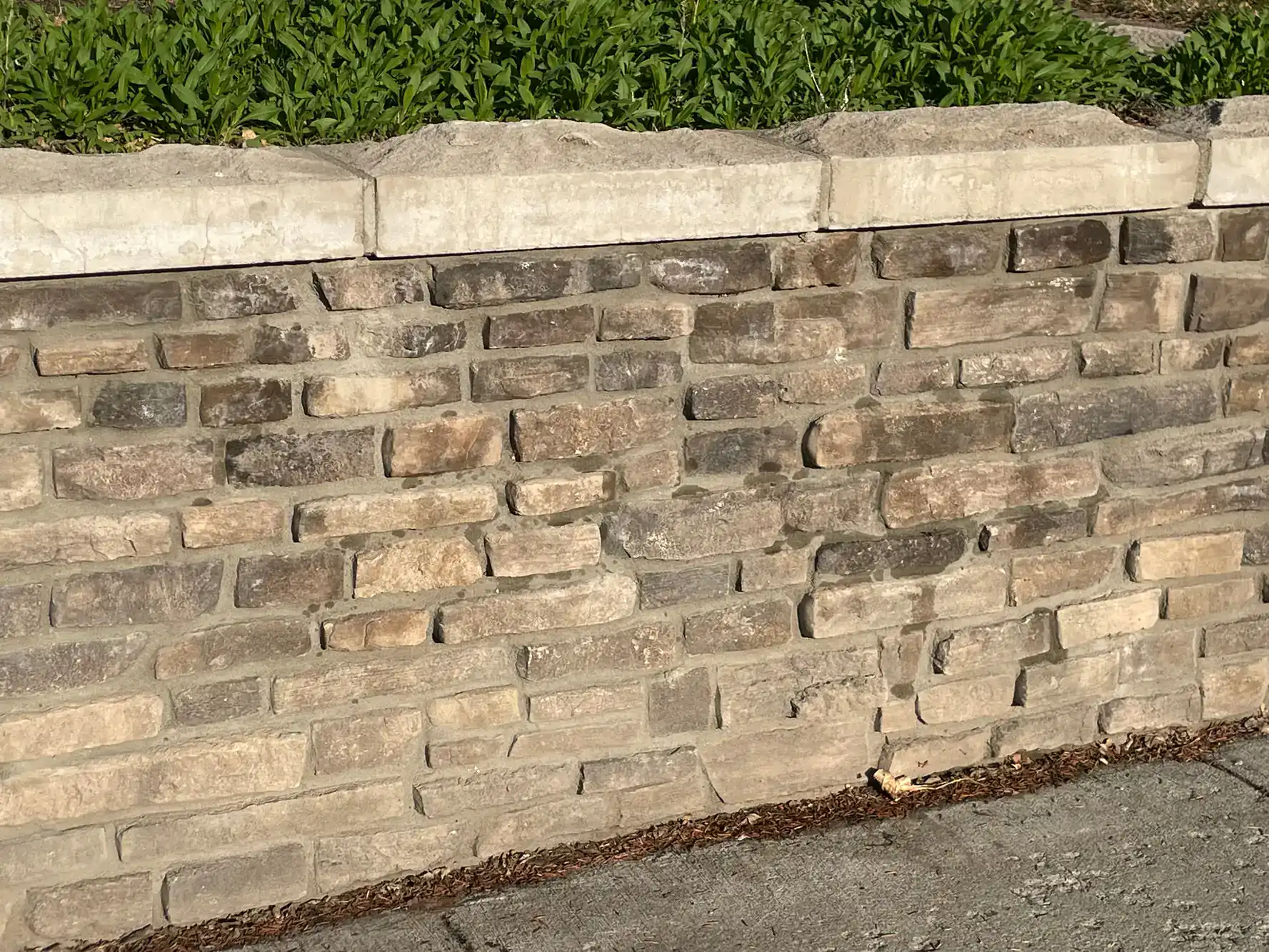
Your retaining wall isn’t just holding back dirt—it’s protecting your biggest investment. When we’re done, you’ll have stable ground that stays put through Long Island’s freeze-thaw cycles, coastal storms, and whatever drainage challenges your property throws at it.
No more watching soil wash away after every heavy rain. No more unusable sloped areas that you can’t do anything with. Just solid, level ground that works the way it should and looks good doing it.
The difference shows up immediately, but the real payoff comes years later when your neighbors are dealing with erosion problems and you’re not.
Stone Escapes has been handling North Patchogue’s unique soil conditions since day one. Owner Iain Traynor brings union masonry experience and stays involved in every estimate and project—no handoffs to inexperienced crews.
We’re licensed in Suffolk County and certified by Cambridge, Techo-Bloc, Unilock, Nicolock, Eldorado, and Boral. That’s not just paperwork—it means we know exactly how these materials perform in coastal conditions and sandy soil.
When you’re dealing with Long Island’s combination of sandy soil, high water tables, and salt air, experience matters. We’ve seen what works and what fails, and we build accordingly.
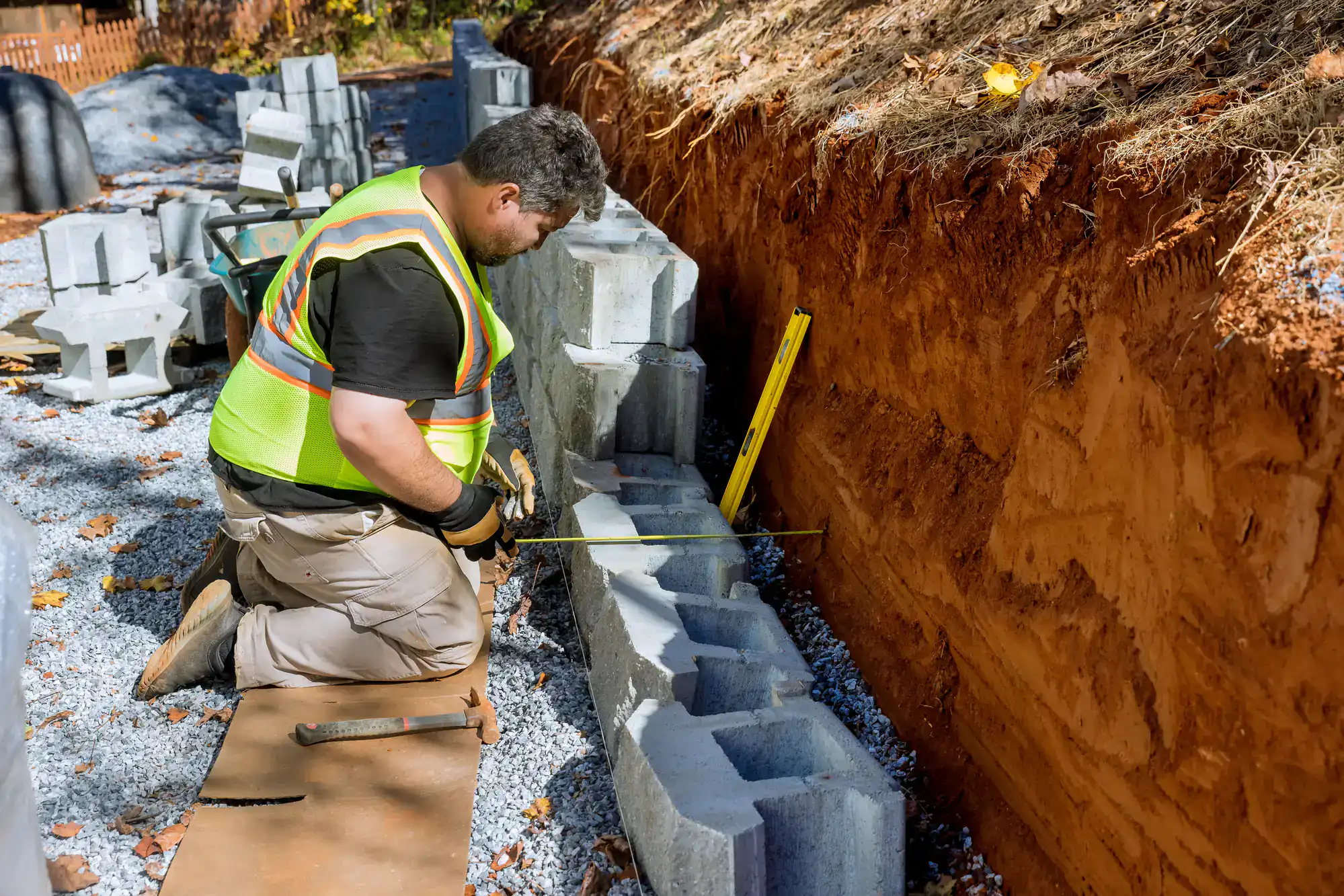
We start with proper excavation—8 to 10 inches down, sometimes deeper depending on your soil conditions. Long Island properties typically need foundations 30 to 36 inches deep to get below the frost line and prevent heaving.
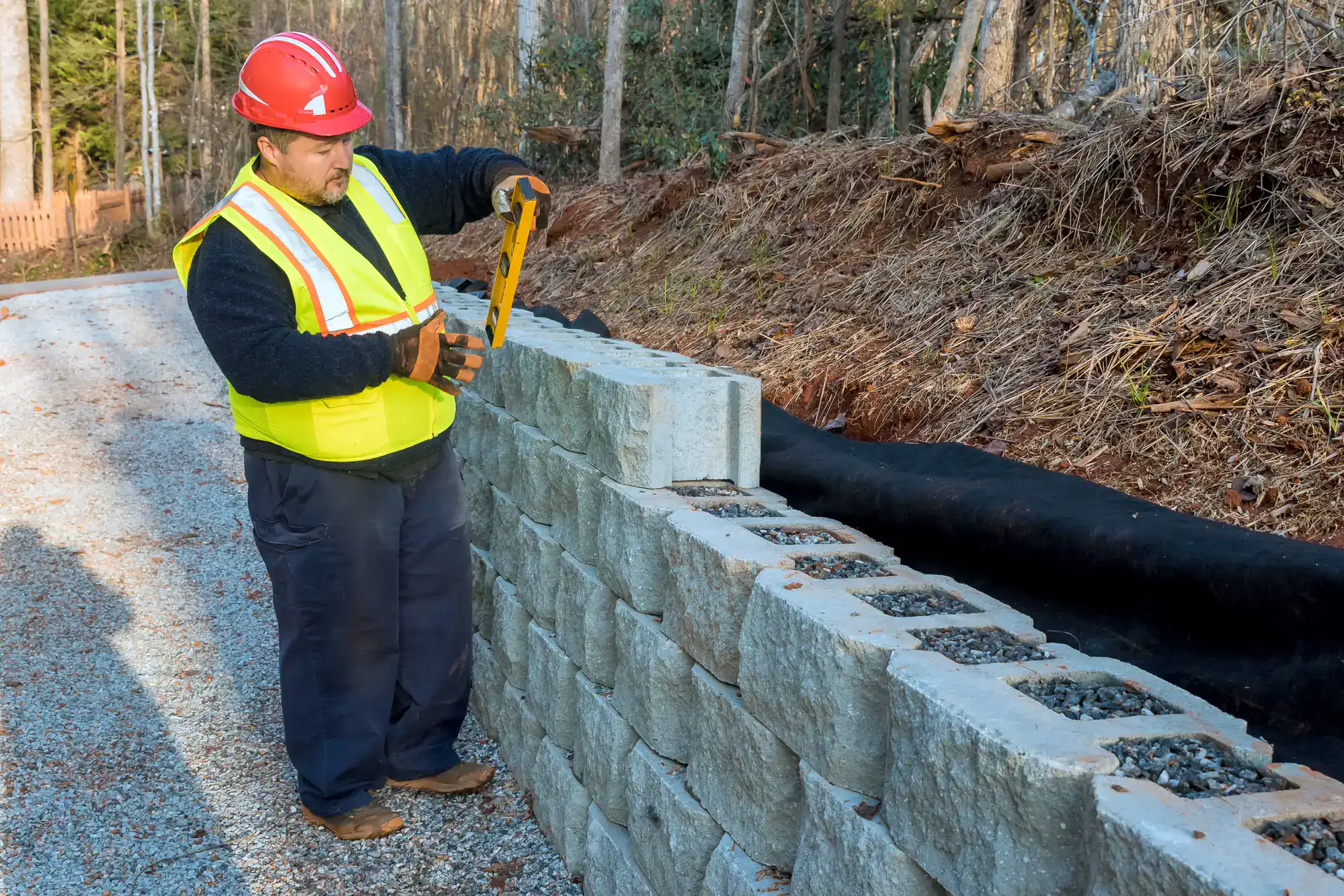
Next comes the base preparation with proper compaction and drainage planning. This isn’t where you cut corners if you want a wall that lasts. We install drainage systems that actually work, not just gravel behind the wall.
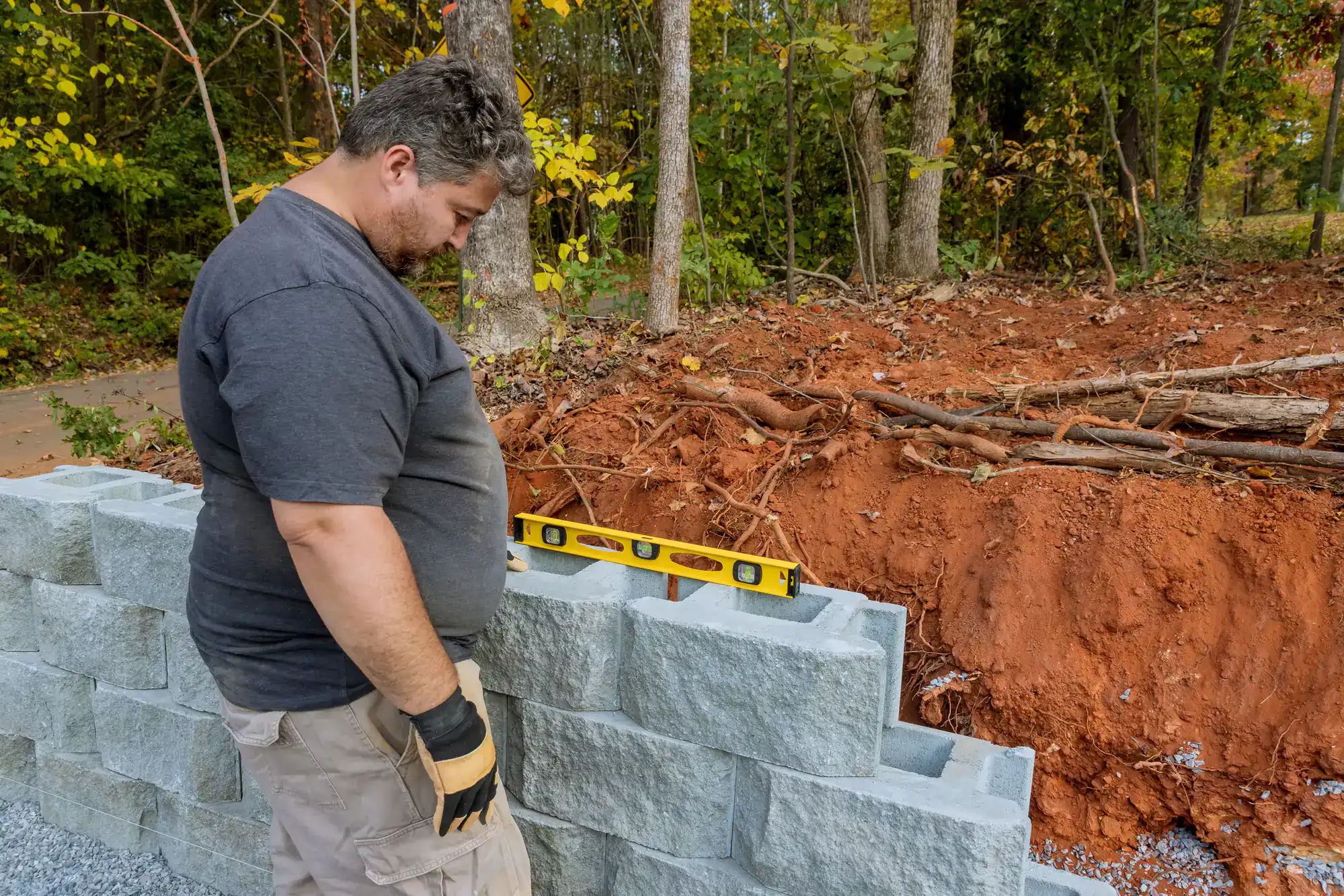
Then we build with consistent crews who know what they’re doing. Edge restraint installation, proper backfill, and attention to the details that prevent shifting and cracking down the road. When we’re done, you’ll have a wall that handles Long Island weather without the headaches.
Ready to get started?
Every retaining wall project includes proper drainage systems designed for Long Island conditions. We’re not just stacking blocks—we’re solving the water management problems that cause most wall failures.
You get materials that can handle coastal weather and freeze-thaw cycles. Stone, concrete, and interlocking systems that are proven to work in Suffolk County conditions, not just look good in a catalog.
North Patchogue sits in an area where sandy soil and drainage challenges are the norm, not the exception. We account for that in our material selection and construction methods. Your wall gets built to handle what Long Island throws at it, including the coastal storms and ground conditions that catch other contractors off guard.
Long Island retaining walls typically run $35 to $65 per square foot, but the real number depends on your specific site conditions and material choice. Sandy soil and drainage issues can affect the foundation requirements, which impacts cost.
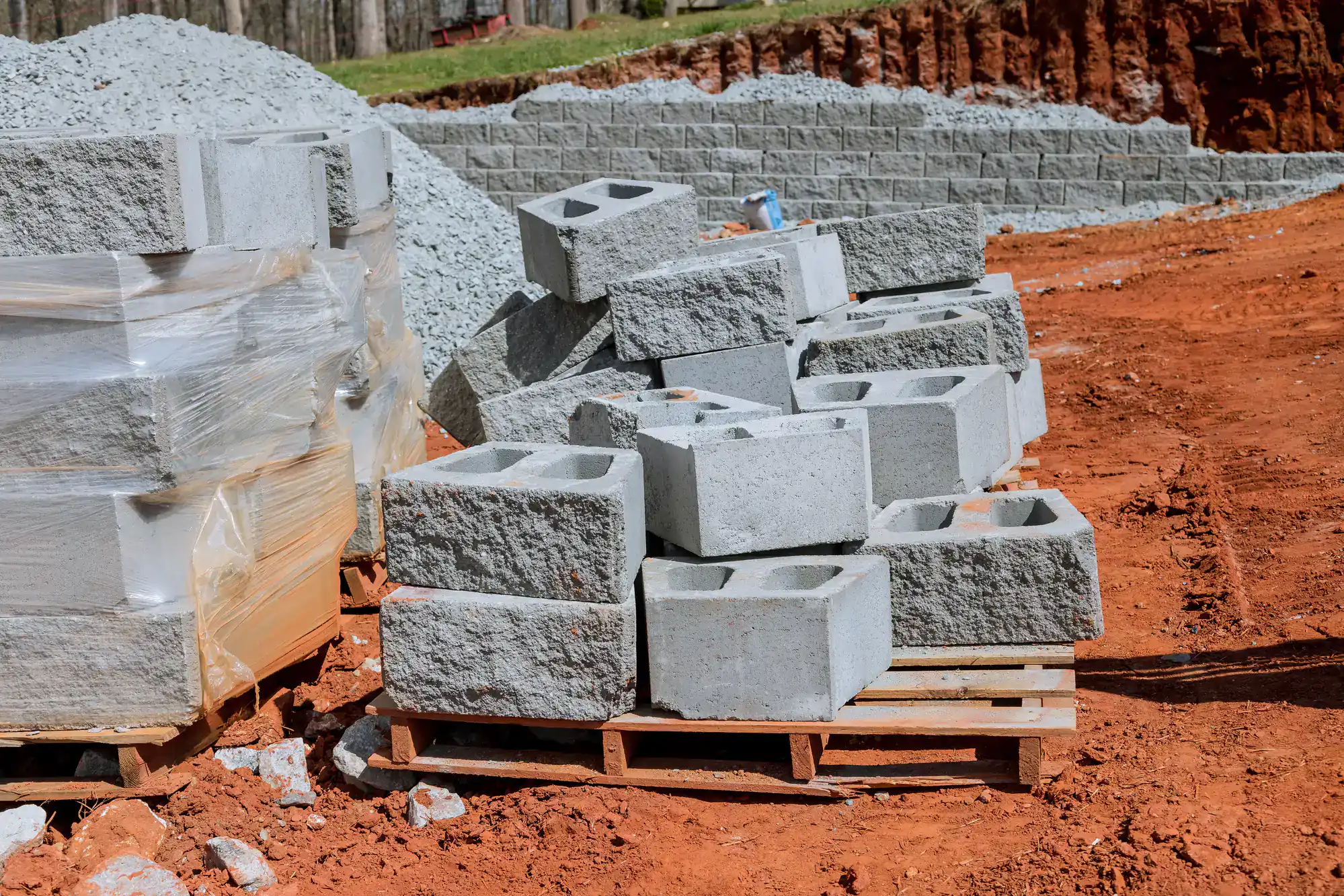
For a typical residential project, you’re looking at anywhere from $4,000 to $10,000 for a 50-foot wall. Stone walls cost more upfront but last longer in coastal conditions. Concrete block systems offer good value for most applications.
We provide detailed estimates that break down material and labor costs so you know exactly what you’re paying for. No surprises, no change orders for things that should have been included from the start.
Most walls over 3 to 4 feet high require permits in Suffolk County, and the fees typically run $50 to $450 depending on the wall size and complexity. We handle the permit applications as part of our service.
For walls over 4 feet, you’ll also need a structural engineer’s design to meet code requirements. Engineering fees run $500 to $2,000 depending on the project complexity, but it’s required for safety and code compliance.
We know the local requirements and work with engineers regularly, so we can guide you through the process without the runaround. Getting permits right the first time saves time and headaches later.
A properly built retaining wall should last 30 to 50 years or more, but that depends heavily on the installation quality and drainage design. Long Island’s coastal conditions and freeze-thaw cycles are hard on poorly built walls.
The key factors are proper foundation depth below the frost line, adequate drainage systems, and materials that can handle salt air and weather extremes. Cheap installations fail in 5 to 10 years, while quality construction lasts decades.
We build for Long Island conditions specifically—proper excavation depth, drainage that actually works, and materials proven to perform in coastal environments. That’s the difference between a wall that lasts and one that becomes a problem.
For Long Island conditions, we typically recommend stone, concrete block, or interlocking concrete systems. These materials handle freeze-thaw cycles and salt air exposure better than wood or basic masonry.
Natural stone offers the best longevity and looks great, but costs more upfront. Interlocking concrete block systems provide excellent value and performance for most residential applications. They’re engineered for stability and easy to work with.
Wood retaining walls are cheaper initially but require regular maintenance and replacement in coastal conditions. The salt air and moisture accelerate deterioration, making stone or concrete better long-term investments.
In Suffolk County, retaining wall foundations need to extend 30 to 36 inches deep to get below the frost line and prevent heaving. Sandy soil conditions may require different foundation approaches than inland areas.
The exact depth depends on wall height, soil conditions, and drainage requirements. Taller walls need deeper foundations, and areas with drainage issues may need additional excavation for proper base preparation.
We assess each site individually because North Patchogue’s soil conditions vary significantly even within the same neighborhood. Proper foundation depth is critical for long-term stability and prevents the shifting and cracking that plague poorly installed walls.
Retaining walls can definitely help with drainage issues, but they need to be designed with proper drainage systems from the start. Just building a wall without addressing water flow often makes drainage problems worse.
We install French drains, weep holes, and proper backfill materials that direct water away from the wall and your property. The goal is to control water flow, not just block it, which prevents the pressure buildup that causes wall failures.
Long Island’s sandy soil and coastal conditions create unique drainage challenges. We design drainage solutions that work with your property’s natural water flow patterns and handle the heavy rains and storm conditions common in Suffolk County.