Retaining Wall Contractor North Lindenhurst

Walls That Actually Work in North Lindenhurst

Built for Long Island’s sandy soil, drainage challenges, and freeze-thaw cycles by a retaining wall contractor who understands what fails here and why.
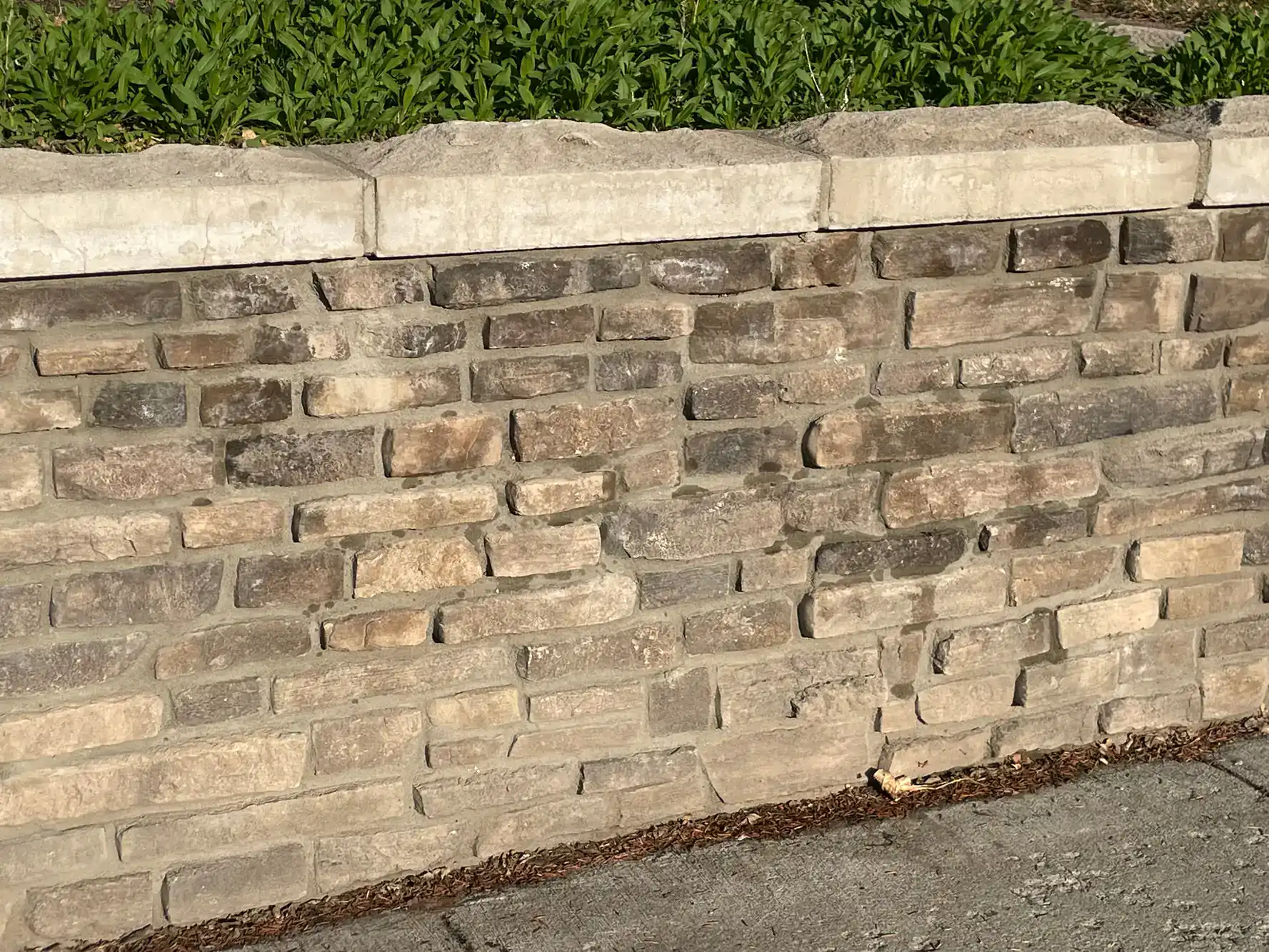
A stone retaining wall made of rectangular, tan and brown bricks supports a raised bed with green plants. Sunlight casts shadows on the textured wall and gray sidewalk below.

Hear from Our Customers

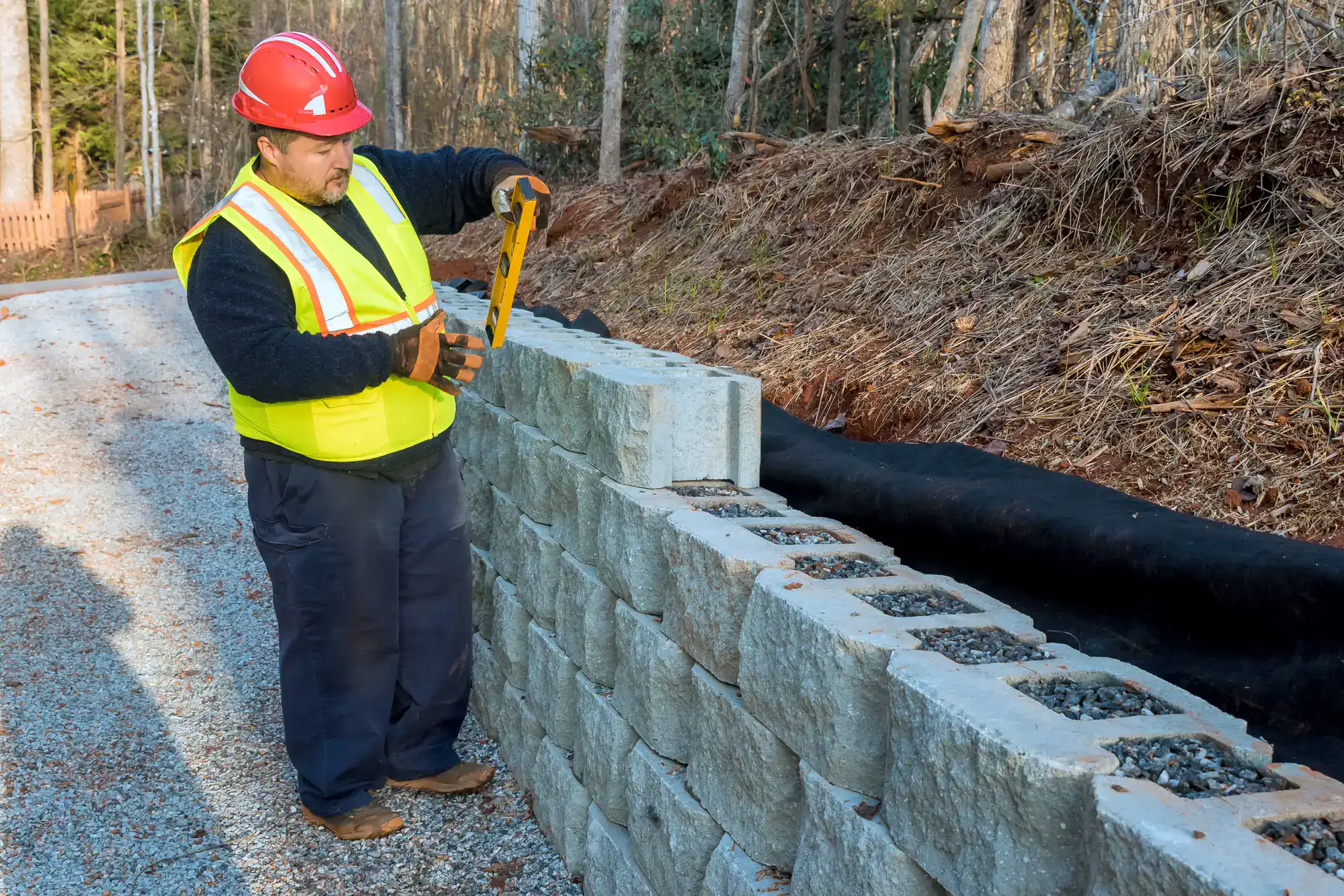
A construction worker in a yellow safety vest and red helmet uses a level to check concrete blocks while building a retaining wall next to a gravel road and a slope with trees.

Retaining Wall Installation North Lindenhurst

Stop Watching Your Property Wash Away
You’re dealing with sloped terrain that turns into a muddy mess every time it rains. Your landscaping keeps sliding downhill, and you’re tired of replanting the same areas year after year. A properly built retaining wall stops all of that. You get stable, usable space where there used to be erosion problems. Your property value goes up instead of washing away with the next storm. The difference is in the details that matter for North Lindenhurst—proper drainage systems, foundations that go below our 36-inch frost line, and materials that handle coastal moisture without falling apart in five years.

Stone Wall Installer North Lindenhurst

We Know What Breaks Walls Here
Stone Escapes has been building retaining walls throughout North Lindenhurst and Suffolk County for over 15 years. Owner Iain Traynor personally handles every estimate and stays involved through completion—no handoffs to crews who’ve never seen your property. We’re licensed in Suffolk County and certified by Cambridge, Techo-Bloc, Unilock, and other major manufacturers. That means we know their installation specs inside and out, not just the basic requirements. Most of our new clients come from referrals because we handle the Long Island-specific challenges that cause other walls to fail. Sandy soil, high water tables, freeze-thaw cycles, and coastal moisture don’t surprise us—we plan for them from day one.
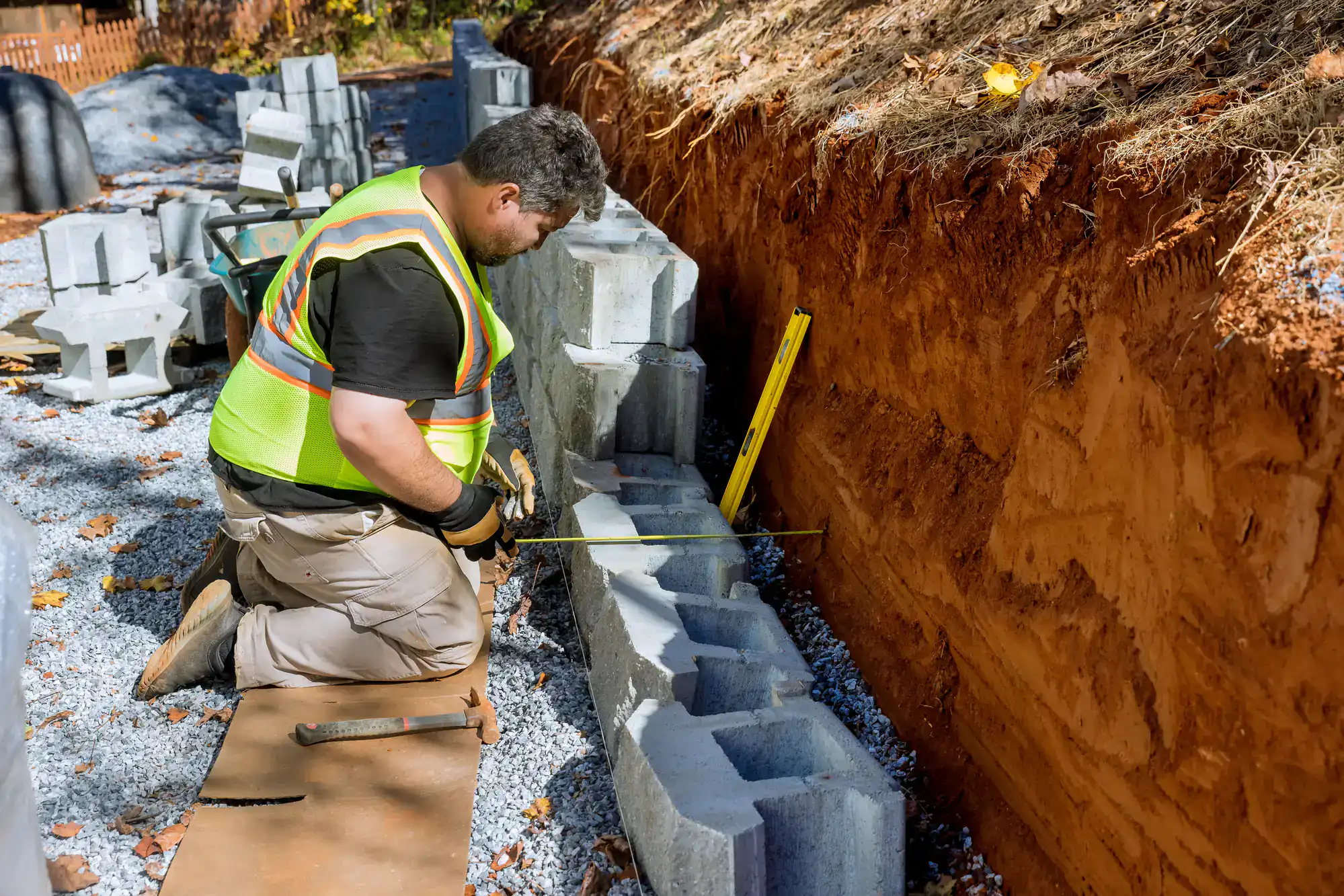
A construction worker in a safety vest kneels on gravel, measuring concrete blocks as he builds a retaining wall beside an exposed dirt slope. Tools and blocks are scattered around the worksite.

Retaining Wall Builder North Lindenhurst

How We Build Walls That Last
First, we evaluate your specific site conditions—soil type, drainage patterns, and slope requirements. This isn’t a cookie-cutter process because every North Lindenhurst property has different challenges. Next comes excavation to the proper depth. We go 30-36 inches down to get below the frost line, then install a crushed stone base with proper compaction. This foundation work is what separates walls that last from ones that shift and crack within a few years. During construction, we install drainage systems behind the wall—perforated pipes, gravel backfill, and filter fabric to prevent water buildup. Poor drainage is the number one reason retaining walls fail, so we don’t skip this step to save a few dollars. The final result is a wall that handles North Lindenhurst’s weather conditions, from winter freeze-thaw cycles to heavy spring runoff, without the bulging, cracking, or settling that happens with rushed installations.

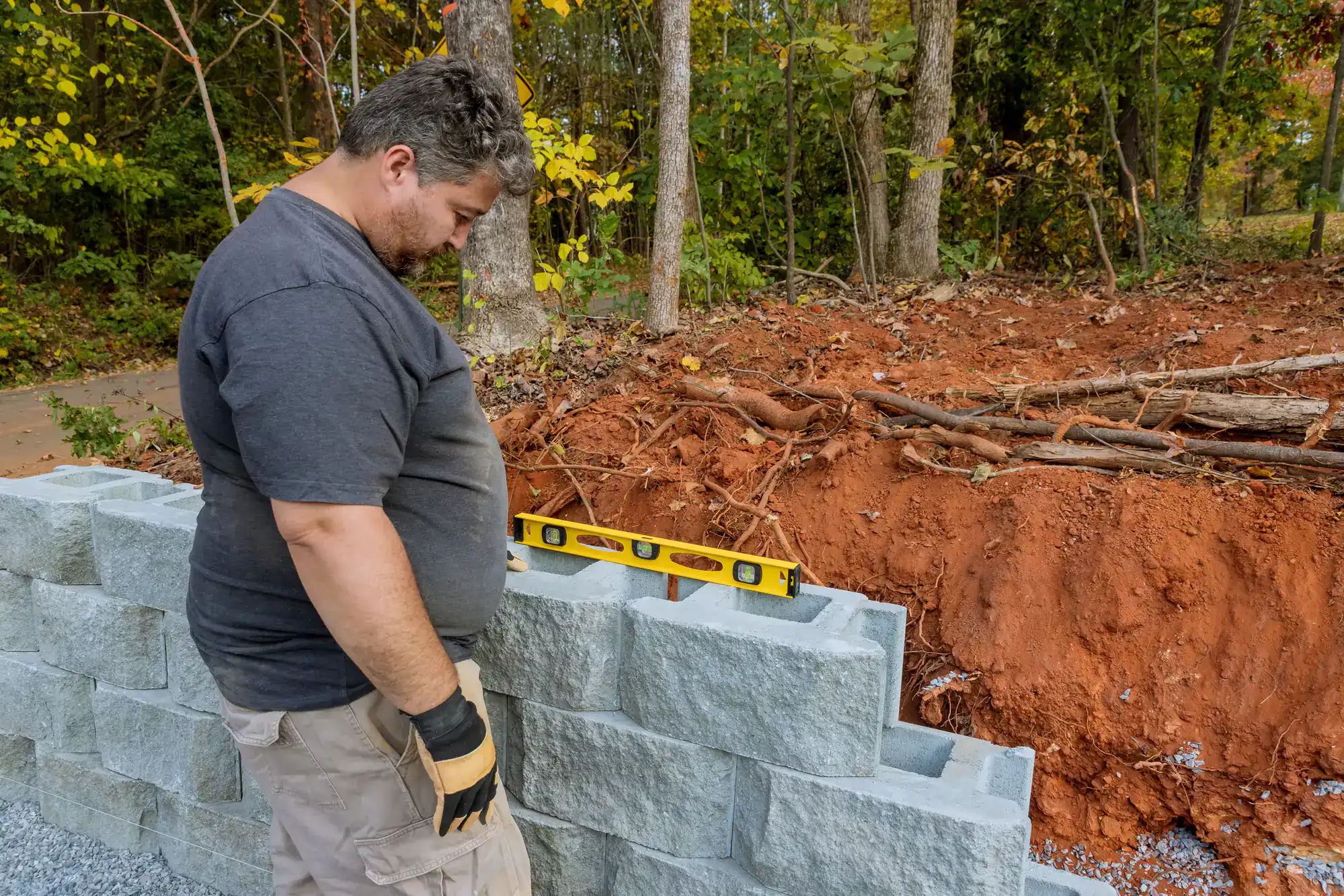
A man wearing gloves checks the level of a gray stone retaining wall with a yellow spirit level, next to a dirt embankment and forested area.

Ready to get started?

Explore More Services

About Stone Escapes Masonry & Outdoor Design

Get a Free Consultation

Retaining Wall Specialist North Lindenhurst

What You Get With Our Installation
Every retaining wall installation includes proper excavation to below the frost line, engineered base preparation with crushed stone, and complete drainage systems with perforated pipes and gravel backfill. We don’t cut corners on the foundation work that determines whether your wall lasts 5 years or 50. You also get materials designed for Long Island conditions. We use frost-resistant blocks, corrosion-resistant hardware, and proper edge restraints to prevent shifting. Our manufacturer certifications from Cambridge, Unilock, and Techo-Bloc mean we follow their engineering specifications, not generic installation methods. In North Lindenhurst, we see a lot of walls that were built without considering the coastal moisture and salt air exposure. Our installations include protective measures like proper cap installation and waterproofing barriers where needed to prevent deterioration from the inside out. The work comes with direct communication with the owner throughout the project. No project managers or subcontractors—when you call with questions, you talk to the person who knows your specific installation details.
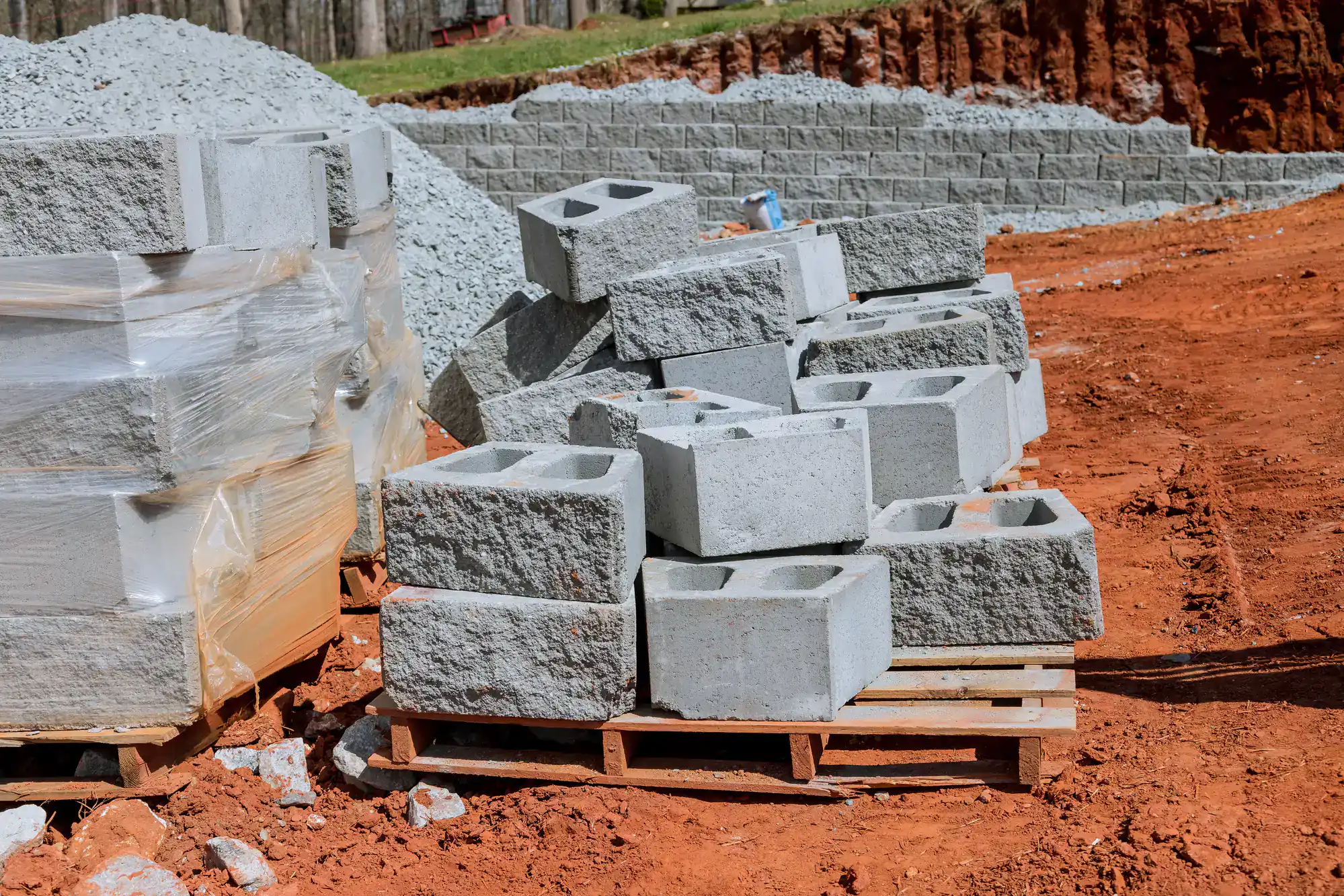
A stack of concrete cinder blocks is arranged on wooden pallets at a construction site with red soil and gravel. Wrapped blocks and a partially built stone retaining wall are visible in the background.

How deep do retaining wall foundations need to be in North Lindenhurst?

In North Lindenhurst and throughout Suffolk County, retaining wall foundations must extend 30-36 inches below ground level to get below the frost line. This prevents frost heave during winter freeze-thaw cycles that can shift or crack the wall structure. The exact depth depends on your wall height and soil conditions, but we never go less than 30 inches for any permanent installation. Shallow foundations are the most common cause of wall failure in our area because they can’t handle the seasonal ground movement. We excavate to the proper depth, then install a crushed stone base with proper compaction before setting the first course of blocks. This foundation work takes extra time upfront but prevents expensive repairs later.
Poor drainage is the number one cause of retaining wall failure on Long Island. Water builds up behind the wall, creating hydrostatic pressure that can crack, bulge, or collapse the structure over time. The second major cause is foundations that don’t go below the frost line. When water in the soil freezes and expands during winter, it pushes against walls with shallow foundations, causing them to shift forward or develop cracks. Long Island’s sandy soil and coastal conditions create additional challenges. Without proper base preparation and drainage systems, walls can settle unevenly or deteriorate from salt air exposure. That’s why we use manufacturer-specified installation methods rather than generic approaches that don’t account for local conditions.
Most residential retaining wall installations in North Lindenhurst take 3-7 days, depending on wall height, length, and site conditions. This includes proper excavation, foundation preparation, drainage system installation, and wall construction. We don’t rush installations to meet artificial deadlines. The foundation work and drainage systems require proper curing time and compaction, which can’t be hurried without compromising the final result. Weather can affect the timeline, especially during winter months when freeze-thaw conditions make proper installation difficult. We’d rather wait for appropriate conditions than install a wall that won’t perform correctly in Long Island’s climate.
Retaining walls over 4 feet in height typically require permits and engineering in North Lindenhurst and Suffolk County. Walls supporting additional loads like driveways, patios, or other structures may also need permits regardless of height. Even shorter walls may require permits if they’re close to property lines or affect drainage patterns. The permit process ensures the wall meets local building codes and won’t create problems for neighboring properties. We handle permit applications as part of our service and work with local engineers when required. This upfront coordination prevents delays and ensures your installation meets all local requirements from the start.
Segmental concrete blocks from manufacturers like Cambridge, Unilock, and Techo-Bloc perform best in North Lindenhurst’s coastal climate. These materials resist freeze-thaw damage and salt air exposure while providing the structural strength needed for our soil conditions. Natural stone can work well but requires more careful selection to ensure frost resistance. We avoid materials like untreated wood or basic concrete blocks that deteriorate quickly in our humid, salt-air environment. The key is matching materials to your specific site conditions and intended use. A decorative garden wall has different requirements than a structural wall supporting a driveway. We select materials based on engineering requirements, not just appearance or initial cost.
Retaining wall costs in North Lindenhurst typically range from $25-60 per square foot, depending on wall height, materials, drainage requirements, and site conditions. Taller walls requiring engineering and permits cost more due to additional foundation work and structural requirements. The price includes proper excavation, foundation preparation, drainage systems, and materials—not just the visible wall blocks. Cheaper installations that skip drainage or foundation work often require expensive repairs within a few years. We provide detailed estimates that break down all costs including permits, materials, labor, and any required engineering. This upfront transparency helps you understand what you’re paying for and avoid surprise costs during construction.