Retaining Wall Contractor North Bellport

Built Right for Long Island Conditions

Proper foundations, drainage systems, and materials that handle North Bellport’s sandy soil and coastal weather.
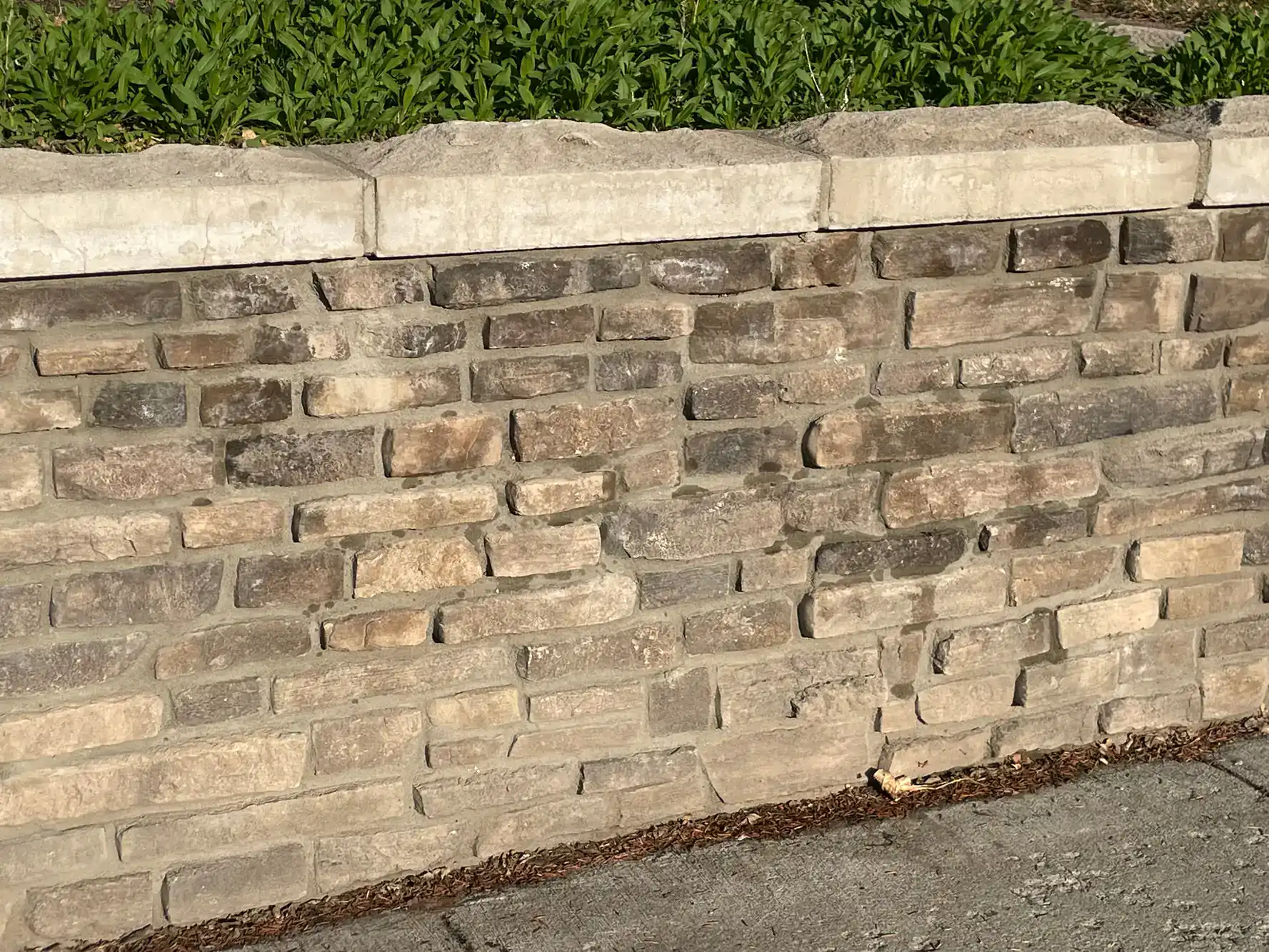
A stone retaining wall made of rectangular, tan and brown bricks supports a raised bed with green plants. Sunlight casts shadows on the textured wall and gray sidewalk below.

Hear from Our Customers

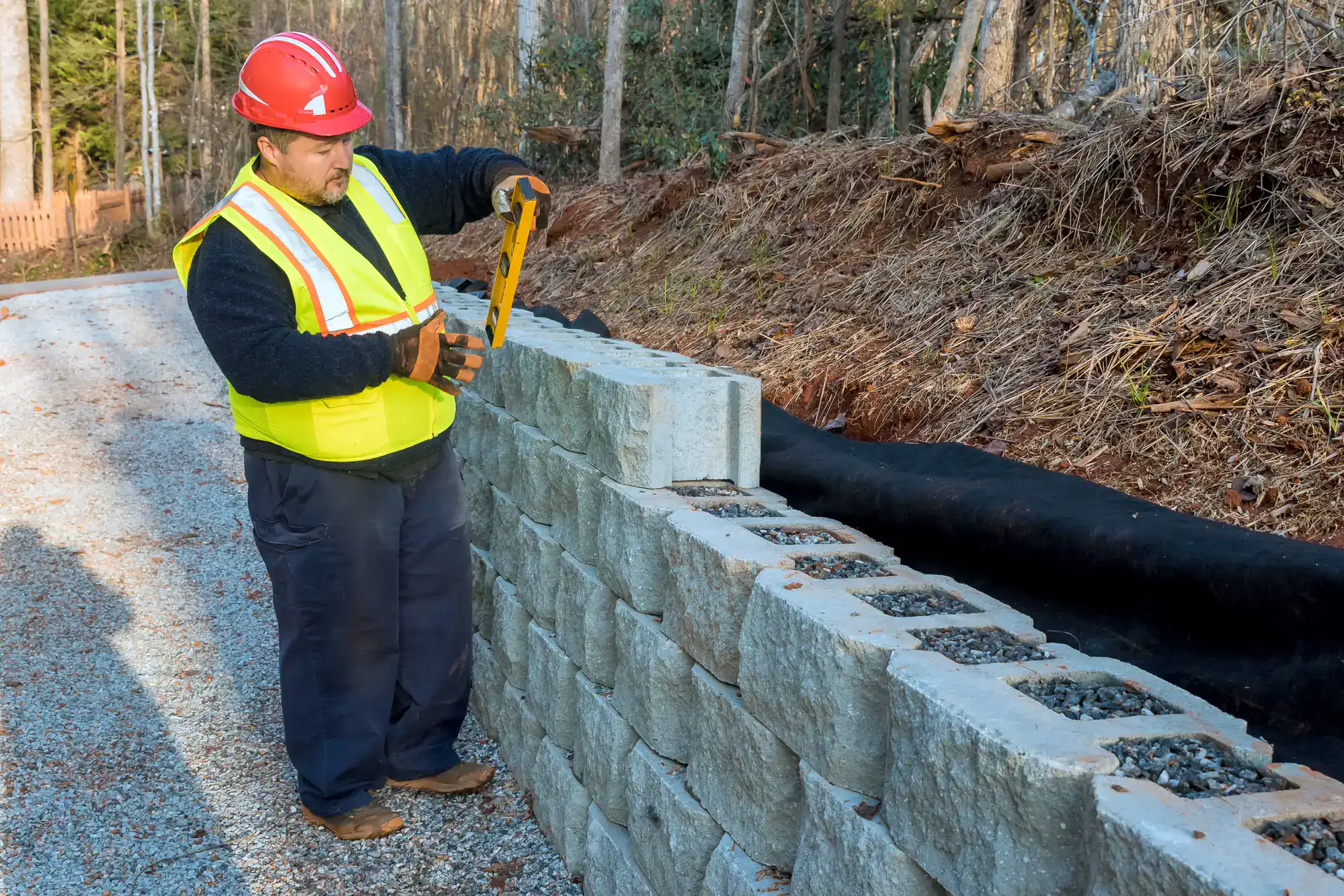
A construction worker in a yellow safety vest and red helmet uses a level to check concrete blocks while building a retaining wall next to a gravel road and a slope with trees.

Retaining Wall Installation North Bellport

Transform Slopes Into Usable Space
Your sloped yard becomes level, functional outdoor space that actually stays put. No more watching soil wash away after every storm or dealing with unusable areas that can’t support anything meaningful. Long Island’s sandy soil and coastal conditions demand specific installation techniques that most contractors skip. When your retaining wall is built with proper excavation depth, drainage systems, and foundation preparation, you get decades of stability instead of expensive repairs. You’ll have outdoor space that works for your family—level areas for patios, gardens, or simply safe walking areas that don’t shift or settle over time.

Licensed Masonry Contractor North Bellport

Long Island Soil Expertise Since Day One
Stone Escapes understands what makes retaining walls fail on Long Island—and more importantly, what makes them last. Owner Iain Traynor brings union masonry experience and specialized knowledge of Suffolk County’s challenging soil conditions. We hold certifications from Cambridge, Techo-Bloc, Unilock, and other leading manufacturers, ensuring your wall meets or exceeds industry standards. Licensed throughout Suffolk and Nassau Counties, we’ve spent years learning how North Bellport’s sandy soil, high water tables, and coastal weather affect outdoor construction. Every project gets direct owner involvement from estimate through completion, with consistent crews who understand local building requirements and soil challenges.

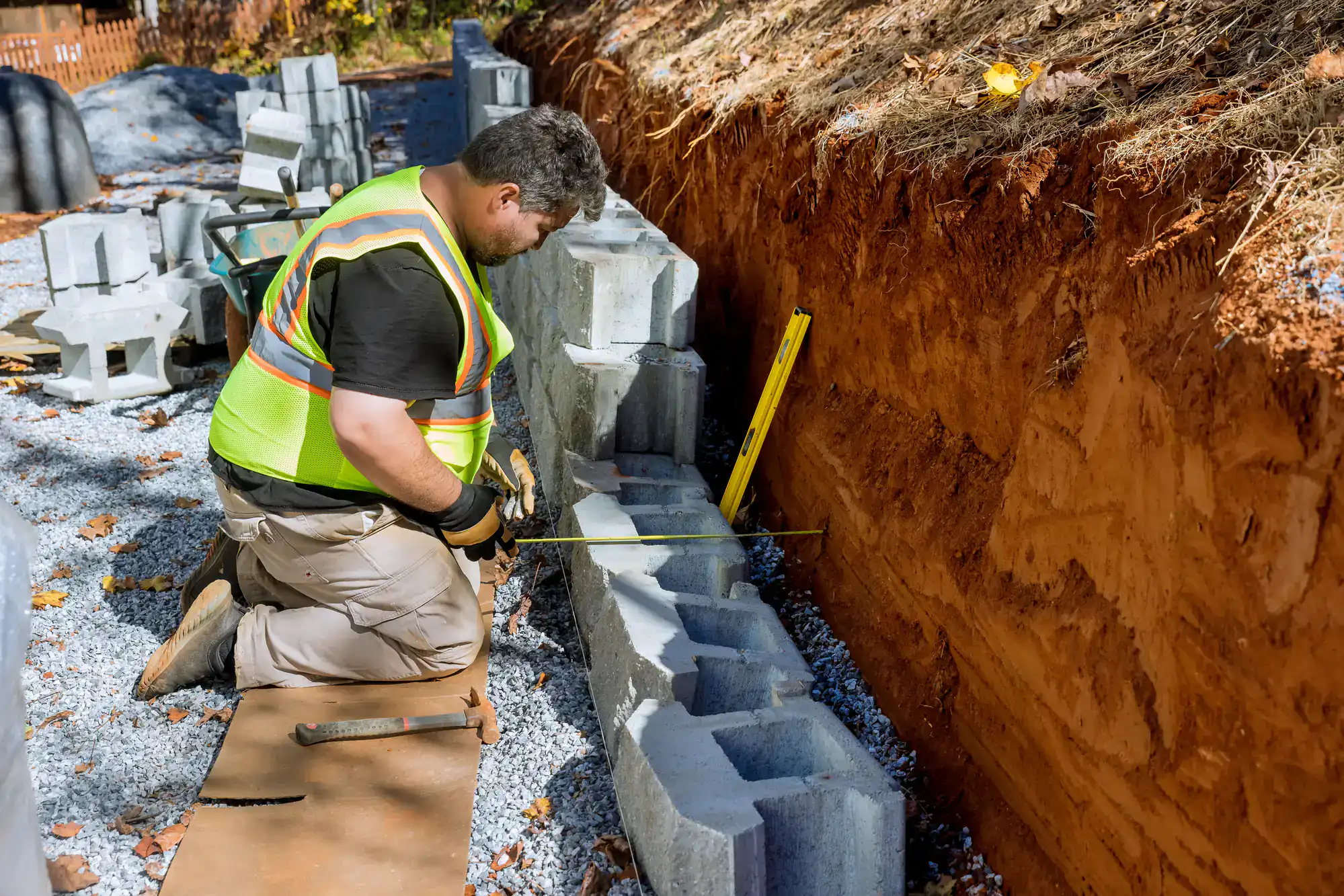
A construction worker in a safety vest kneels on gravel, measuring concrete blocks as he builds a retaining wall beside an exposed dirt slope. Tools and blocks are scattered around the worksite.

Retaining Wall Process North Bellport

Built Deep, Built Right, Built to Last
Your project starts with proper excavation—typically 8 to 10 inches deep to reach stable soil beneath North Bellport’s sandy surface layers. This isn’t negotiable when you’re dealing with Long Island’s soil conditions. Foundation preparation includes reaching below the frost line (30-36 inches in Suffolk County) to prevent freeze-thaw damage that destroys walls over time. Proper base material gets installed and compacted to create the stable foundation your wall needs. Drainage systems go in during construction, not as an afterthought. This includes proper backfill materials and drainage outlets that handle North Bellport’s high water table and seasonal water level changes. Your wall gets built to handle the pressure, not just look good for the first few years.
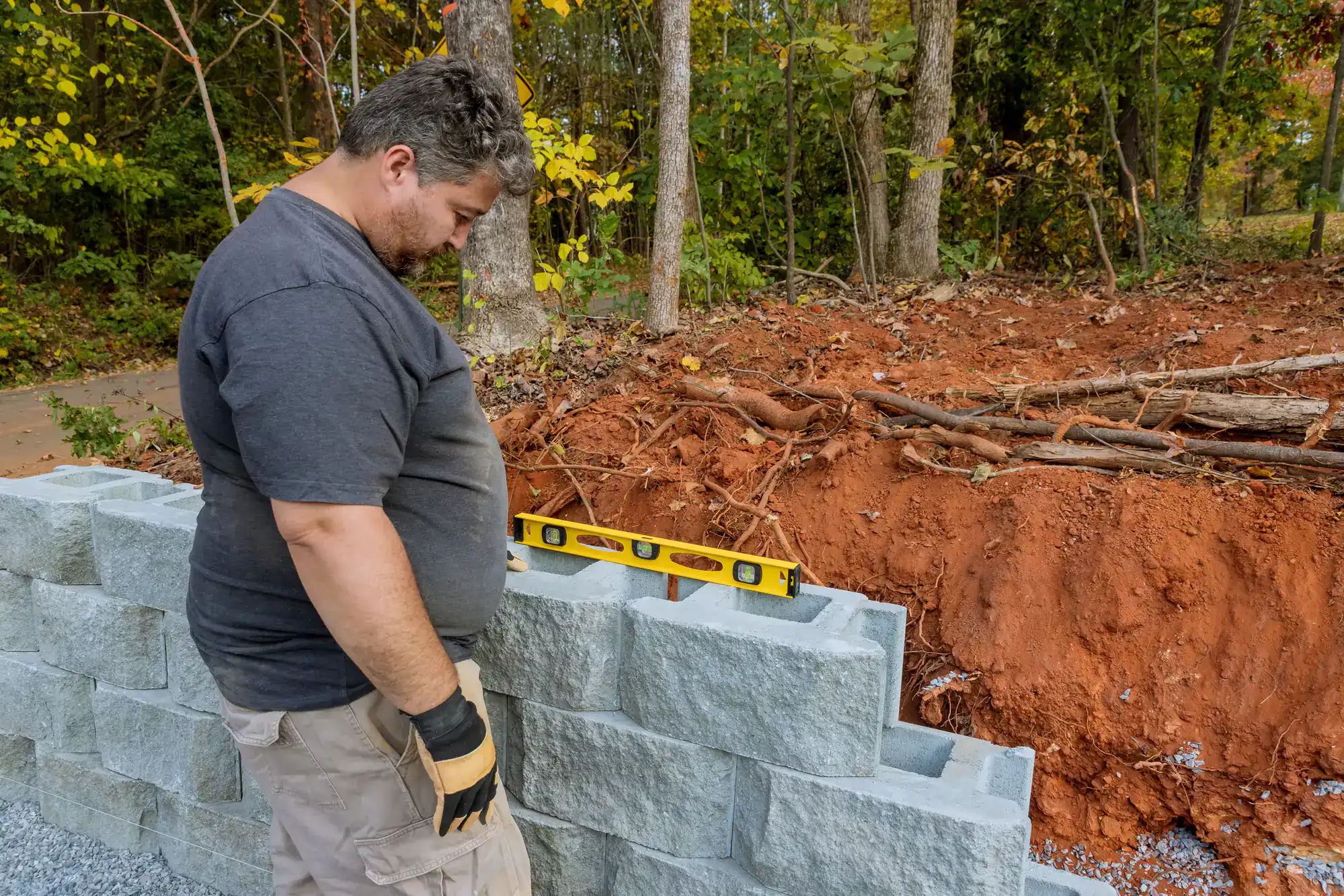
A man wearing gloves checks the level of a gray stone retaining wall with a yellow spirit level, next to a dirt embankment and forested area.

Ready to get started?

Explore More Services

About Stone Escapes Masonry & Outdoor Design

Get a Free Consultation

Stone Wall Installation North Bellport

Materials That Handle Coastal Conditions
North Bellport’s location brings specific challenges that affect material selection and installation techniques. Salt air, coastal moisture, and sandy soil conditions require materials and methods that work with the environment, not against it. We use manufacturer-certified materials from Cambridge, Techo-Bloc, and Unilock—companies that engineer their products for Long Island’s conditions. These aren’t generic materials that might work; they’re specifically designed for coastal environments with proper drainage integration. Your retaining wall gets proper edge restraint installation to prevent the shifting and settling that’s common with Long Island’s sandy soil. Our installation process accounts for seasonal water level fluctuations and includes drainage planning that directs water away from your foundation and landscaping.
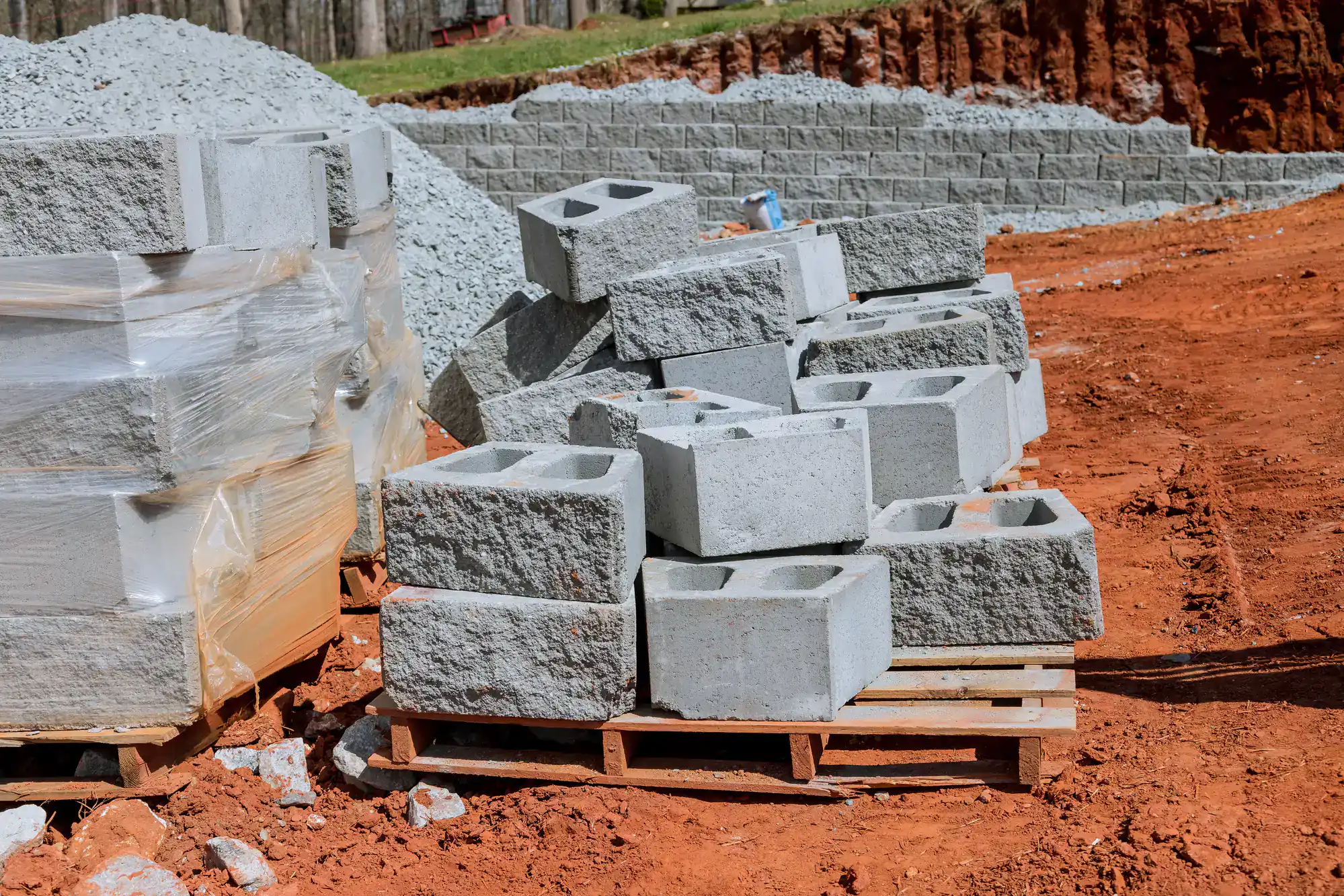
A stack of concrete cinder blocks is arranged on wooden pallets at a construction site with red soil and gravel. Wrapped blocks and a partially built stone retaining wall are visible in the background.

How deep do retaining wall foundations need to be in North Bellport?

Retaining wall foundations in North Bellport need to extend 30-36 inches below ground to reach below Suffolk County’s frost line. This prevents freeze-thaw damage that causes walls to shift, crack, or fail over time. Our excavation typically goes 8-10 inches deep for the base preparation, then foundation work extends much deeper depending on wall height and soil conditions. North Bellport’s sandy soil drains well but doesn’t provide the stability that other soil types offer, making proper foundation depth critical for long-term performance. Skipping proper foundation depth is the most common reason retaining walls fail on Long Island. The upfront investment in proper excavation and foundation work prevents expensive rebuilds later.
Long Island retaining walls need integrated drainage systems that handle both surface water and groundwater pressure from the region’s high water table. This typically includes drainage pipe behind the wall, proper backfill materials, and outlet systems. We install the drainage system during construction, with drainage pipe placed at the proper elevation to collect water before it builds pressure behind the wall. Filter fabric prevents North Bellport’s sandy soil from clogging the drainage system over time. Outlet systems direct collected water away from your property’s foundation and landscaping. Without proper drainage, even well-built walls fail when water pressure builds up behind them during Long Island’s heavy rain periods.
Properly installed retaining walls using quality materials can last 50+ years on Long Island when built to handle local soil and weather conditions. The key is proper installation techniques that account for sandy soil, coastal moisture, and freeze-thaw cycles. Walls built with proper foundation depth, drainage systems, and manufacturer-certified materials resist the shifting and settling that’s common with Long Island’s challenging conditions. Regular maintenance like checking drainage outlets and cleaning debris extends wall life even further. Walls that fail early usually have foundation or drainage problems that could have been prevented with proper installation. The investment in doing it right the first time pays off in decades of reliable performance.
Most retaining walls over 3-4 feet tall require permits in Suffolk County, including North Bellport. Permit requirements vary based on wall height, location relative to property lines, and proximity to structures or utilities. We handle permit applications and ensure your wall meets local building codes and setback requirements. This includes proper engineering calculations for taller walls and compliance with drainage requirements that protect neighboring properties. Permit costs typically range from $50-$450 depending on wall size and complexity. Working with us ensures your project meets all requirements and passes inspections without delays or costly revisions.
Long Island’s predominantly sandy soil drains quickly but shifts easily, creating stability challenges for retaining walls. The soil lacks the natural cohesion that clay or loam soils provide, making proper foundation work and drainage critical. Coastal proximity creates high water tables and seasonal water level fluctuations that put additional pressure on retaining walls. Salt air and moisture also affect material selection, requiring corrosion-resistant materials and proper protective measures. Freeze-thaw cycles cause soil movement that can damage improperly installed walls. Sandy soil also allows water to move quickly, which is good for drainage but requires proper backfill materials and drainage systems to prevent erosion behind the wall.
Retaining wall costs in North Bellport typically range from $35-$65 per square foot for professional installation, depending on materials, wall height, and site conditions. Long Island’s challenging soil conditions often require additional foundation work and drainage systems that affect total project cost. Factors affecting cost include excavation requirements, permit fees, material selection, and site accessibility. Taller walls over 4 feet may require engineering, adding $500-$2,000 to project costs but ensuring structural integrity and code compliance. The investment in proper installation techniques for Long Island conditions prevents costly repairs or rebuilds later. Quality materials and proper installation typically provide better long-term value than cheaper alternatives that don’t handle local conditions properly.