
Hear from Our Customers
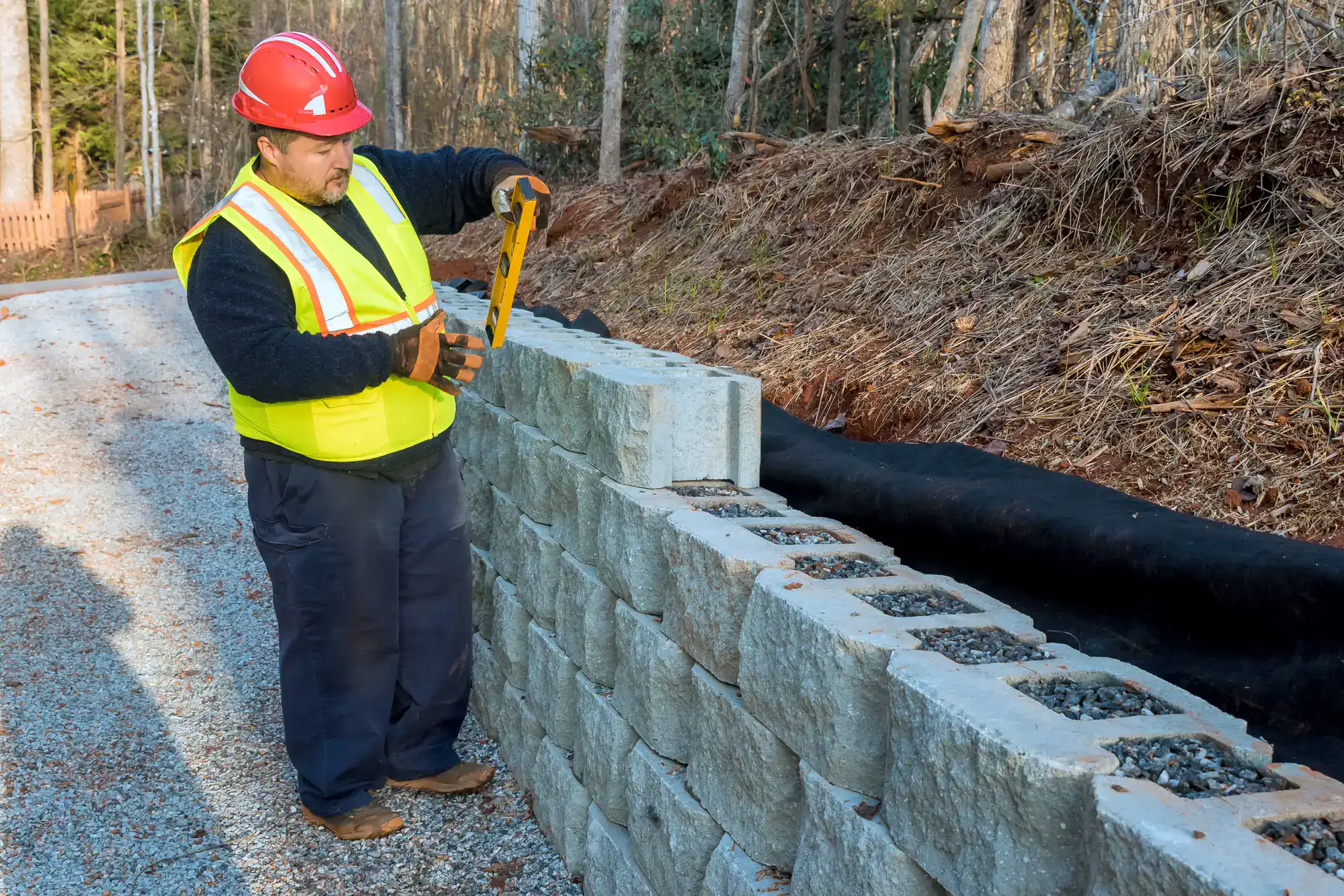
Your sloped yard doesn’t have to limit what you can do with your property. A properly installed retaining wall transforms unusable terrain into level areas perfect for patios, gardens, or play spaces while protecting your home from soil erosion.
Long Island’s sandy soil and coastal weather create specific challenges that require specialized construction techniques. Our retaining walls are designed to handle seasonal water level changes, freeze-thaw cycles, and the unique drainage needs of North Babylon properties.
You get a structure that not only solves your slope problem but adds lasting value to your home. No more watching topsoil wash away during heavy rains or dealing with water pooling where you don’t want it.
Stone Escapes Masonry & Outdoor Design has been serving North Babylon and Suffolk County with professional retaining wall installation for years. Owner Iain Traynor brings union masonry training and hands-on experience to every project, personally overseeing estimates and construction.
We hold licenses in Suffolk County, Nassau County, and the Townships of Southampton and East Hampton. Our BBB accreditation and manufacturer certifications from Cambridge, Techo-Bloc, Unilock, Nicolock, Eldorado, and Boral demonstrate our commitment to quality workmanship.
North Babylon’s tree-lined neighborhoods and proximity to beaches create unique construction challenges that require local expertise. We understand how coastal moisture, sandy soil, and seasonal weather patterns affect retaining wall performance, ensuring your investment lasts for decades.
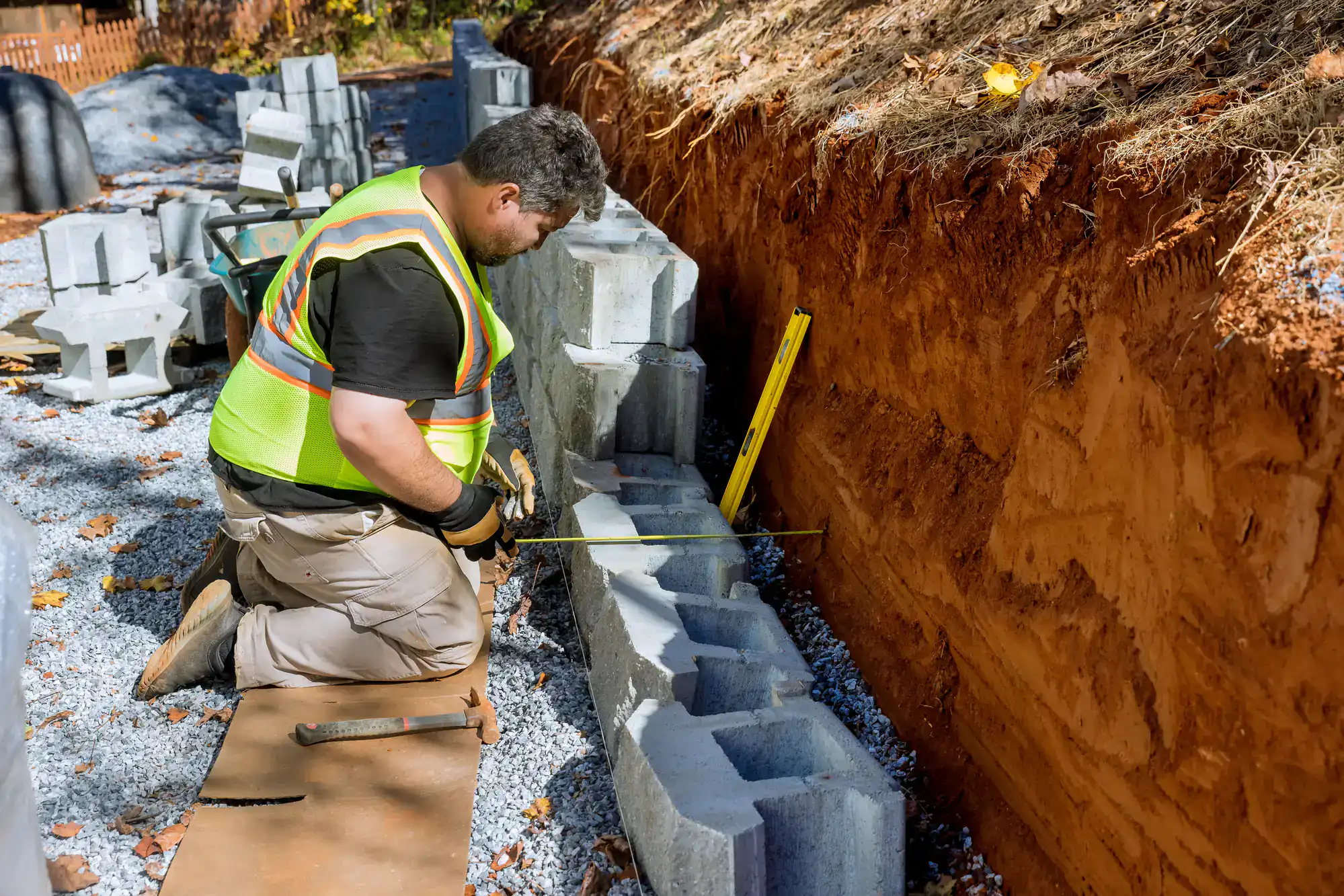
Every retaining wall project starts with an in-person consultation where we assess your property’s specific soil conditions, drainage patterns, and grade requirements. We examine how water moves across your land and identify the best approach for Long Island’s challenging environment.
Excavation goes deep—typically 8-10 inches with foundations extending 30-36 inches below the frost line to prevent freeze-thaw damage. We install proper base layering with crushed stone, create comprehensive drainage systems with perforated pipes and gravel backfill, and use edge restraint installation to prevent shifting over time.
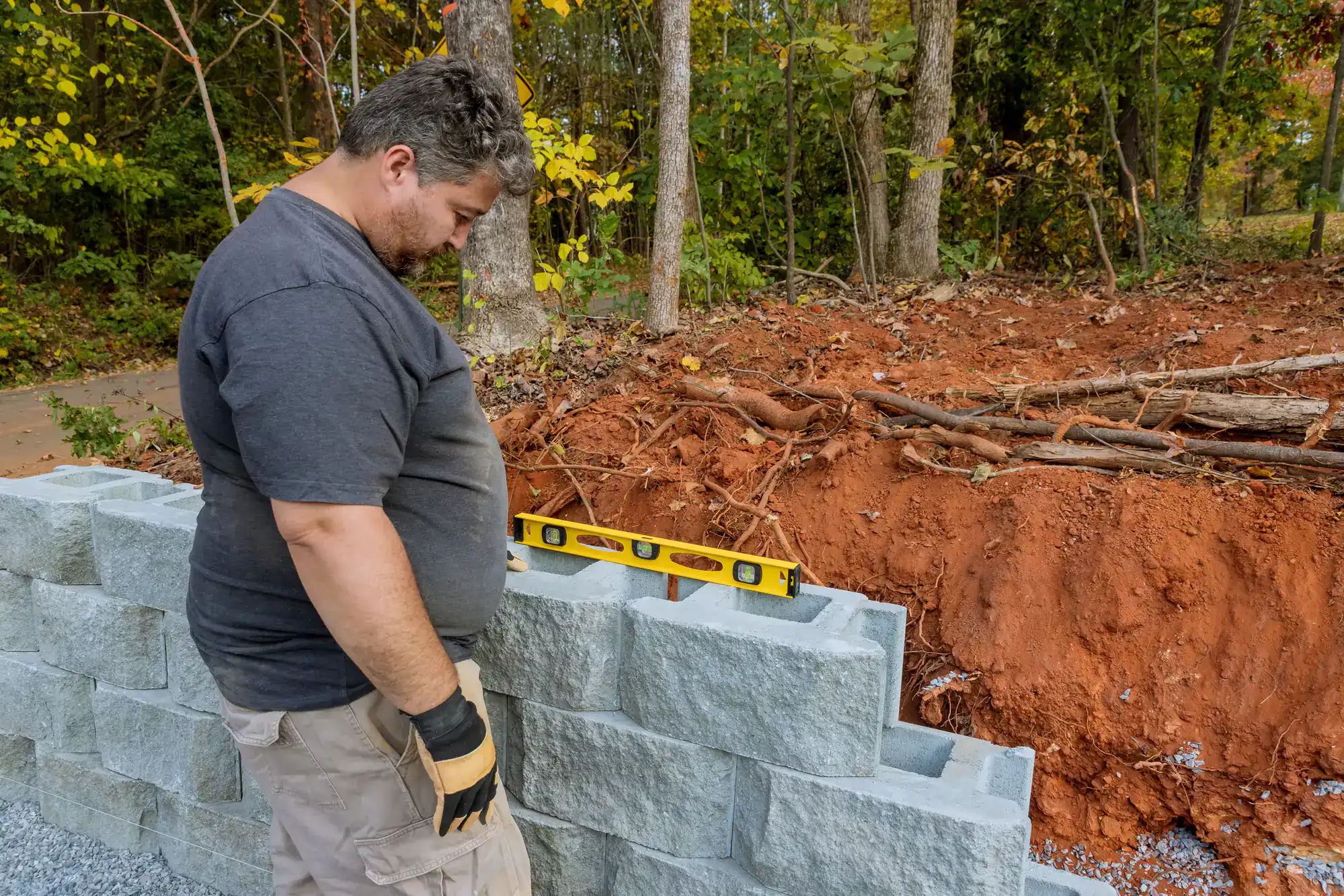
Material selection depends on your specific needs and aesthetic preferences, but every wall includes the drainage infrastructure that prevents the hydrostatic pressure buildup that causes most retaining wall failures. You’ll work directly with the owner throughout the entire process, ensuring consistent communication and quality control from start to finish.
Ready to get started?
Your retaining wall installation includes comprehensive site preparation, proper excavation to below frost line depth, and installation of a crushed stone foundation designed for Long Island’s sandy soil conditions. We install French drain systems with perforated pipes and gravel backfill to prevent water buildup behind the wall.
All materials come from certified manufacturers including Cambridge, Techo-Bloc, Unilock, Nicolock, Eldorado, and Boral, ensuring you get products designed to withstand coastal weather and freeze-thaw cycles. Edge restraint systems prevent shifting, and proper compaction techniques create a stable base that accommodates slight soil movement without structural failure.
North Babylon’s location near Belmont Lake State Park and proximity to South Shore beaches means your retaining wall must handle both seasonal moisture changes and salt air exposure. Our installation process accounts for these local environmental factors, using corrosion-resistant materials and enhanced drainage systems where needed.
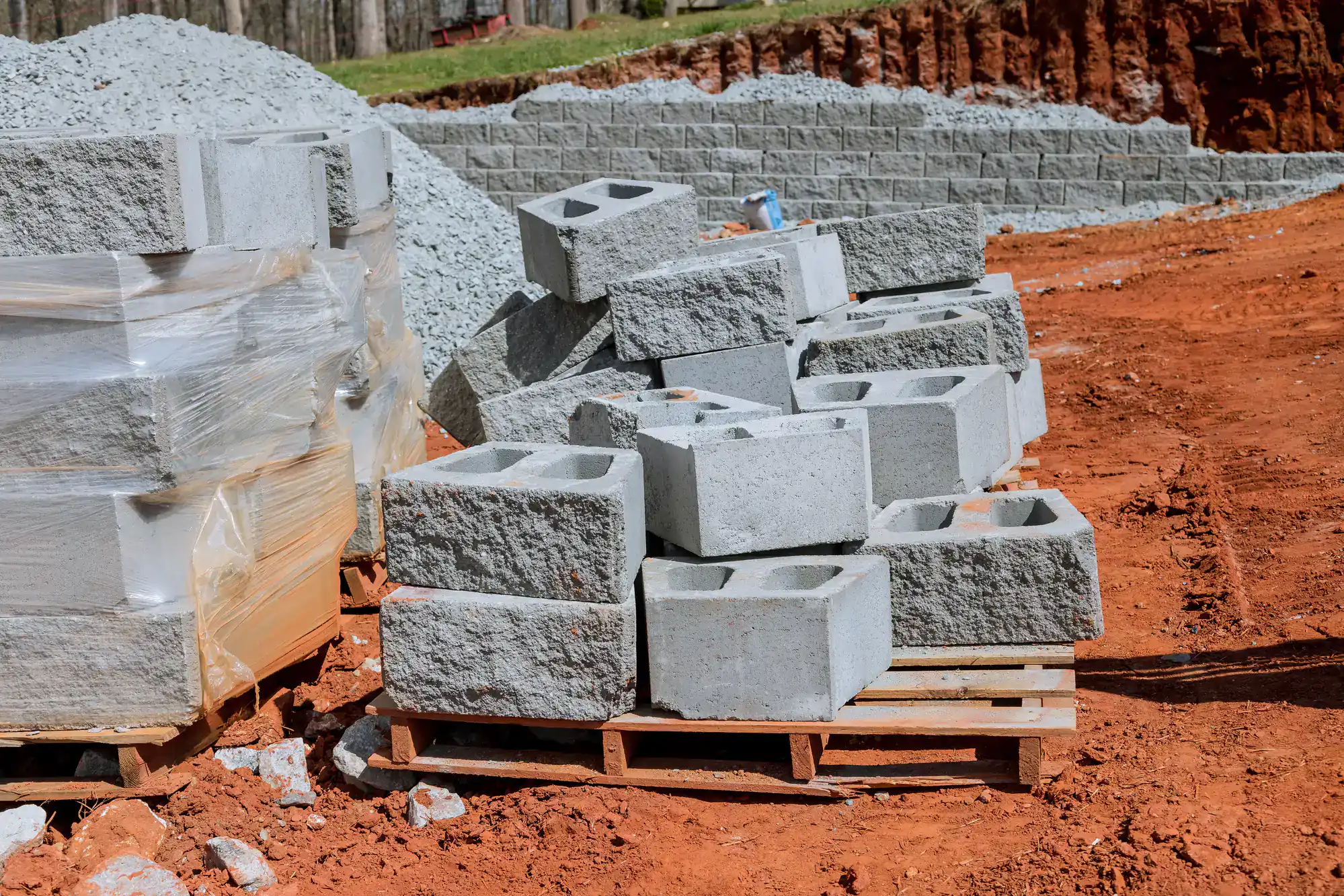
Retaining wall costs in North Babylon typically range from $25-45 per square foot for professional installation, depending on height, materials, and site conditions. A basic segmental block wall for a typical residential project might cost $3,000-6,000, while larger or more complex installations can reach $8,000-12,000 or more.
Several factors affect pricing including wall height (taller walls require more engineering and materials), site accessibility, soil conditions, and drainage requirements. Long Island’s sandy soil often requires deeper foundations and specialized backfill materials, which can add to costs but ensures long-term stability.
We provide detailed written estimates that break down all costs including excavation, materials, drainage systems, and labor. No surprises or hidden fees—you’ll know exactly what you’re investing in before work begins.
Segmental concrete block walls perform exceptionally well in Long Island’s sandy soil conditions because they can accommodate slight movement without cracking or failing. These interlocking systems distribute weight evenly and work with the natural drainage characteristics of sandy soil rather than fighting against them.
Natural stone walls also work well but require more specialized installation techniques to ensure proper drainage and stability. Poured concrete walls can be effective but need careful attention to drainage systems and frost protection given our freeze-thaw cycles.
The key isn’t just the wall material—it’s the foundation preparation and drainage system. Long Island’s high water tables and seasonal moisture changes require comprehensive French drain systems with perforated pipes and proper gravel backfill to prevent hydrostatic pressure buildup that causes wall failure.
Retaining wall foundations in North Babylon must extend 30-36 inches deep to reach below the frost line and prevent freeze-thaw damage. This depth requirement is critical for Long Island’s climate where winter temperatures can cause significant frost heave if foundations aren’t properly installed.
The foundation width typically equals one-third of the wall height, so a 3-foot wall needs a foundation approximately 12 inches wide. We excavate an additional 8-10 inches for proper base preparation with crushed stone that provides drainage and creates a stable platform for the wall structure.
Sandy soil conditions common in North Babylon actually help with drainage but require careful compaction techniques during foundation preparation. We use mechanical compactors and proper base materials to create a foundation that won’t settle or shift over time, ensuring your wall remains stable for decades.
Most retaining walls over 3-4 feet in height require permits in North Babylon, and walls supporting driveways, structures, or significant loads may need permits regardless of height. Suffolk County has specific requirements for retaining wall construction that must be followed to ensure safety and code compliance.
Permit costs typically range from $50-450 depending on wall size and complexity. Walls requiring structural engineering (usually those over 4 feet) need professional design stamps, which can add $500-2,000 to project costs but ensure the wall meets all safety requirements.
We handle permit applications as part of our service and ensure all work meets local building codes and safety requirements. This protects you from potential issues during home sales or insurance claims and ensures your retaining wall is built to last safely for decades.
Properly installed retaining walls in North Babylon typically last 50-75 years with minimal maintenance when built with quality materials and proper drainage systems. The key to longevity is addressing Long Island’s specific environmental challenges including sandy soil, coastal moisture, and freeze-thaw cycles.
Segmental block walls with manufacturer warranties can last 50+ years, while natural stone walls often exceed 75 years with proper installation. The drainage system is critical—walls with inadequate drainage may fail within 10-15 years due to hydrostatic pressure buildup and freeze-thaw damage.
Regular maintenance includes clearing drainage outlets, checking for settlement or movement, and addressing minor repairs promptly. We use materials from certified manufacturers like Cambridge, Techo-Bloc, and Unilock that are specifically designed for northeastern climate conditions and provide long-term performance warranties.
Poor drainage is the leading cause of retaining wall failure in North Babylon, accounting for over 80% of structural problems. When water builds up behind walls without proper drainage outlets, it creates hydrostatic pressure that can cause walls to bow, crack, or completely collapse during freeze-thaw cycles.
Inadequate foundation depth is another common issue, especially with DIY installations that don’t reach below the frost line. Long Island’s winter conditions can cause significant frost heave that shifts or tilts walls that aren’t properly anchored below the 30-36 inch frost line depth.
Using inappropriate materials or installation techniques for sandy soil conditions also leads to premature failure. Walls need proper base preparation, edge restraints, and backfill materials that work with Long Island’s soil characteristics rather than fighting against them. Professional installation addresses all these factors to ensure long-term performance.