Retaining Wall Contractor in Mattituck

Walls Built Right for North Fork Conditions

Professional retaining wall installation designed for Mattituck’s sandy soil and coastal weather—preventing erosion while creating usable outdoor space.
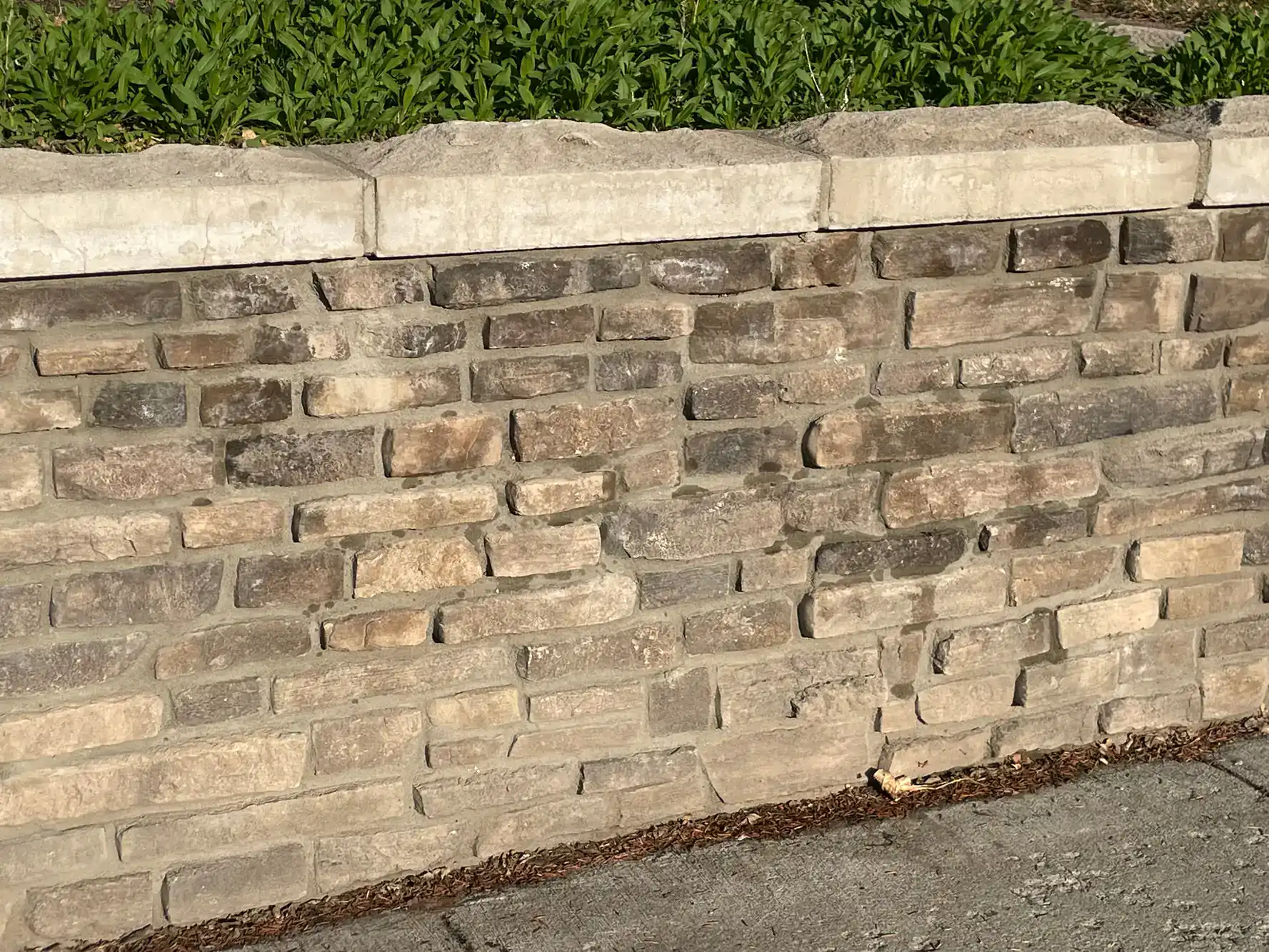
A stone retaining wall made of rectangular, tan and brown bricks supports a raised bed with green plants. Sunlight casts shadows on the textured wall and gray sidewalk below.

Hear from Our Customers

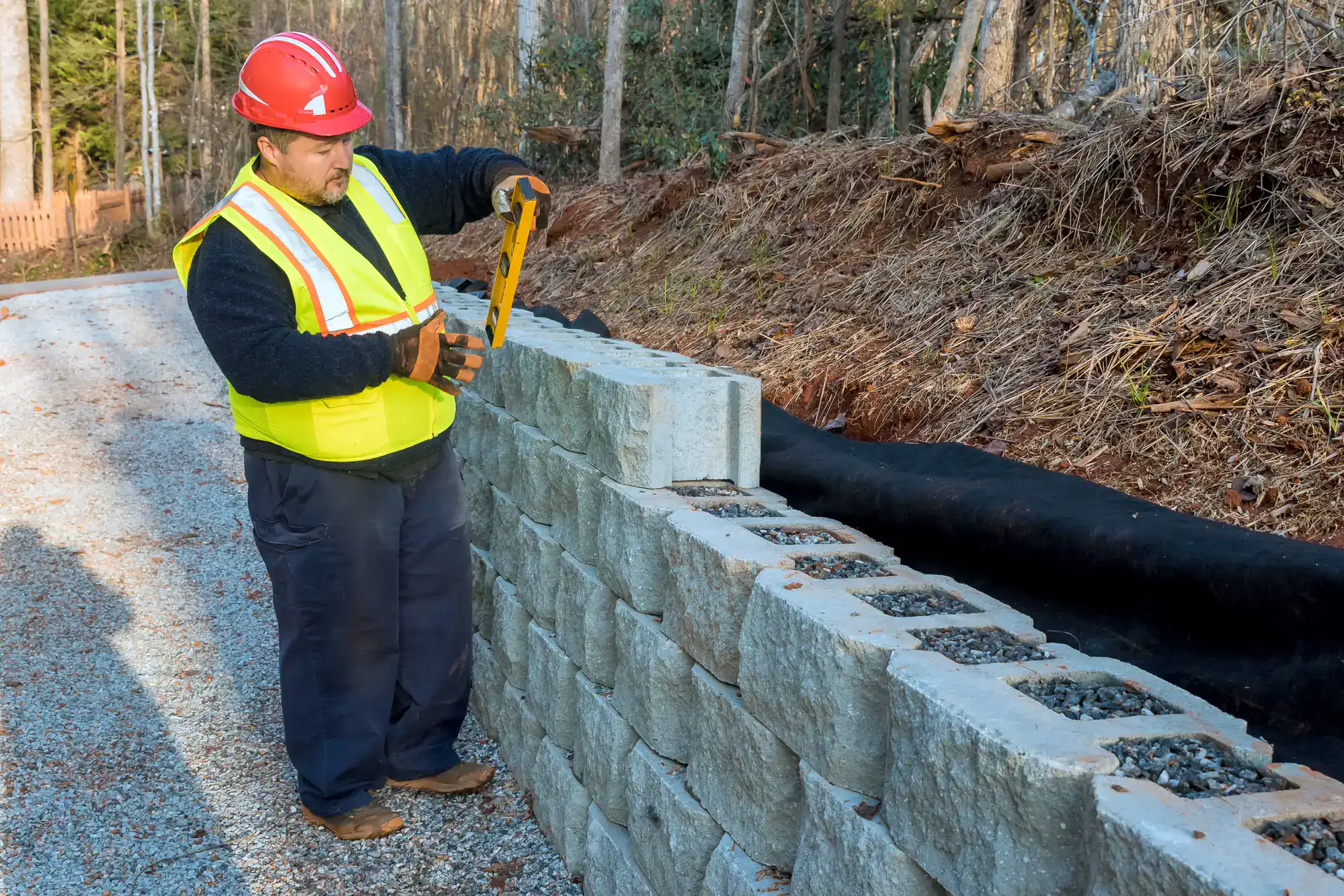
A construction worker in a yellow safety vest and red helmet uses a level to check concrete blocks while building a retaining wall next to a gravel road and a slope with trees.

Retaining Wall Installation Mattituck NY

Turn Problem Slopes Into Functional Space
Your sloped yard doesn’t have to stay unusable. A properly built retaining wall stops soil erosion, manages drainage, and creates level areas where you can actually enjoy your property. No more watching topsoil wash away after every storm or dealing with water pooling in the wrong places. When you choose the right contractor, you get a wall that works with Mattituck’s sandy North Fork soil instead of fighting against it. The result is stable ground that stays put, better water management, and outdoor space you can finally use the way you want. Your property value increases, maintenance headaches decrease, and you gain peace of mind knowing your landscape is protected for the long term.

Stone Wall Installer Suffolk County

Local Expertise for Long Island Conditions
We understand what makes North Fork retaining walls different. Owner Iain Traynor brings union masonry experience and carpentry background to every project, staying involved from estimate through completion. We’re licensed in Suffolk County and certified by Cambridge, Techo-Bloc, Unilock, Nicolock, Eldorado, and Boral. Our installation process addresses Mattituck’s specific challenges—sandy soil that drains fast, coastal moisture, and freeze-thaw cycles that can damage improperly built walls. Every project starts with proper excavation to 8-10 inches, includes drainage planning, and uses edge restraints to prevent shifting. We’ve been featured in Cambridge Pavingstone’s magazine and maintain direct communication throughout your project—no middlemen or project managers you can’t reach.
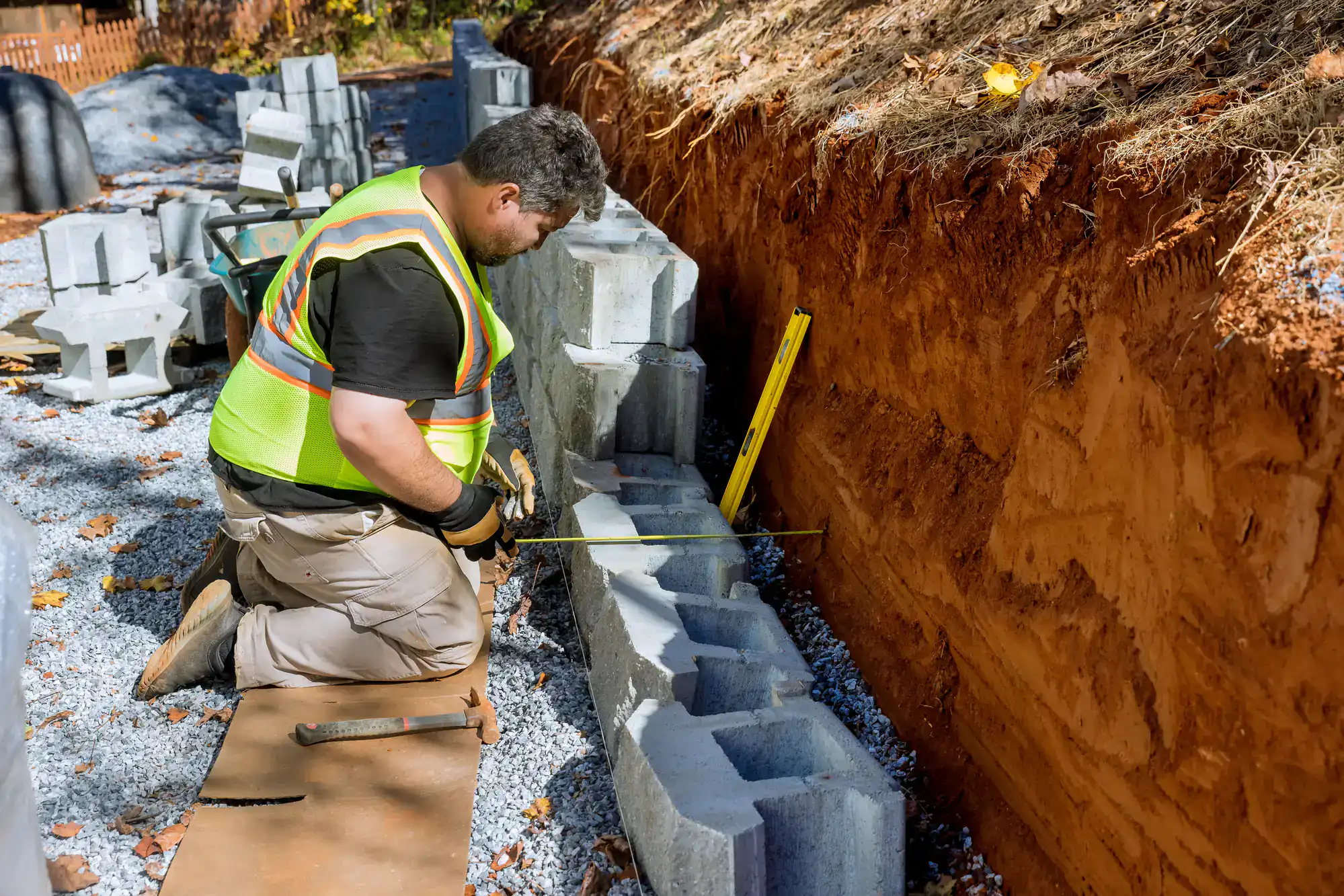
A construction worker in a safety vest kneels on gravel, measuring concrete blocks as he builds a retaining wall beside an exposed dirt slope. Tools and blocks are scattered around the worksite.

Retaining Wall Builder Near Mattituck

The Right Process for Lasting Results
We start with an on-site assessment where Iain evaluates your slope, soil conditions, and drainage patterns. This determines the foundation depth needed—typically 30-36 inches on Long Island to get below the frost line—and identifies any drainage solutions required. Next comes excavation and base preparation. We dig to proper depth, install crushed stone base material, and compact everything to manufacturer specifications. For walls over certain heights, we add geo-grid reinforcement and install drainage systems with exit points at correct intervals. Wall construction follows strict industry standards. Each course gets properly aligned and secured, with backfill material placed and compacted as we build up. We finish with final grading and cleanup, leaving you with a wall that’s built to handle North Fork conditions for decades. You stay informed throughout the process, with direct access to our team and clear communication about timeline and progress.
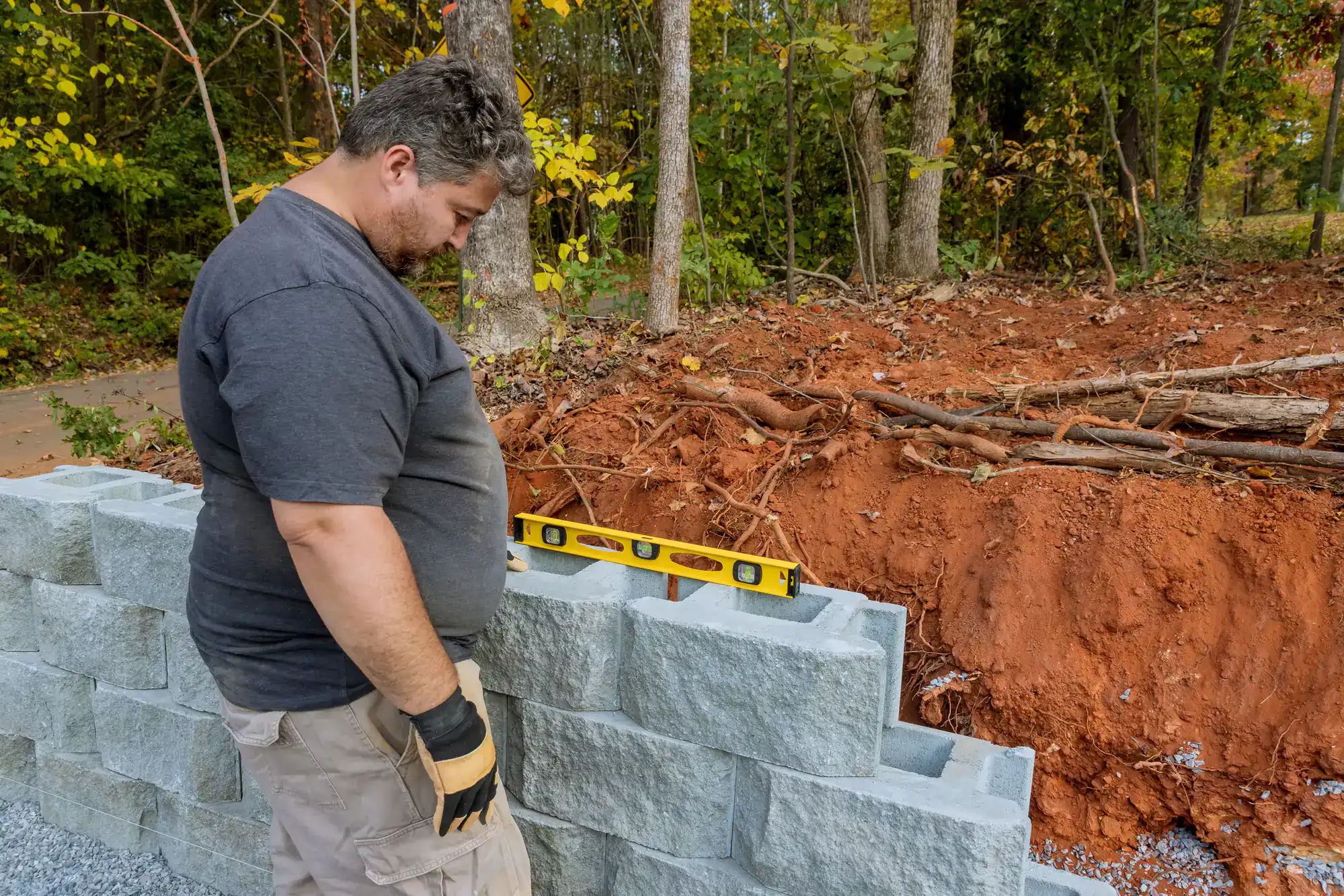
A man wearing gloves checks the level of a gray stone retaining wall with a yellow spirit level, next to a dirt embankment and forested area.

Ready to get started?

Explore More Services

About Stone Escapes Masonry & Outdoor Design

Get a Free Consultation

Retaining Wall Specialist Mattituck NY

What's Included in Professional Installation
Your retaining wall project includes complete site preparation, proper foundation work, and drainage systems designed for Long Island’s conditions. We handle permit requirements, use manufacturer-approved materials, and follow engineering standards for walls requiring structural support. In Mattituck’s sandy North Fork soil, we adjust our approach based on local conditions. The well-draining Carver-Plymouth-Riverhead soil association common in this area requires deeper foundations and specialized backfill to ensure stability. We account for coastal weather exposure with corrosion-resistant materials and enhanced weatherproofing. Material options include segmental concrete blocks, natural stone, and engineered systems from our certified manufacturers. Each option gets evaluated based on your specific site conditions, height requirements, and aesthetic preferences. Installation includes proper drainage behind the wall, landscape fabric where needed, and final grading that directs water away from your foundation. Every project comes with our quality guarantee and direct owner involvement from start to finish.

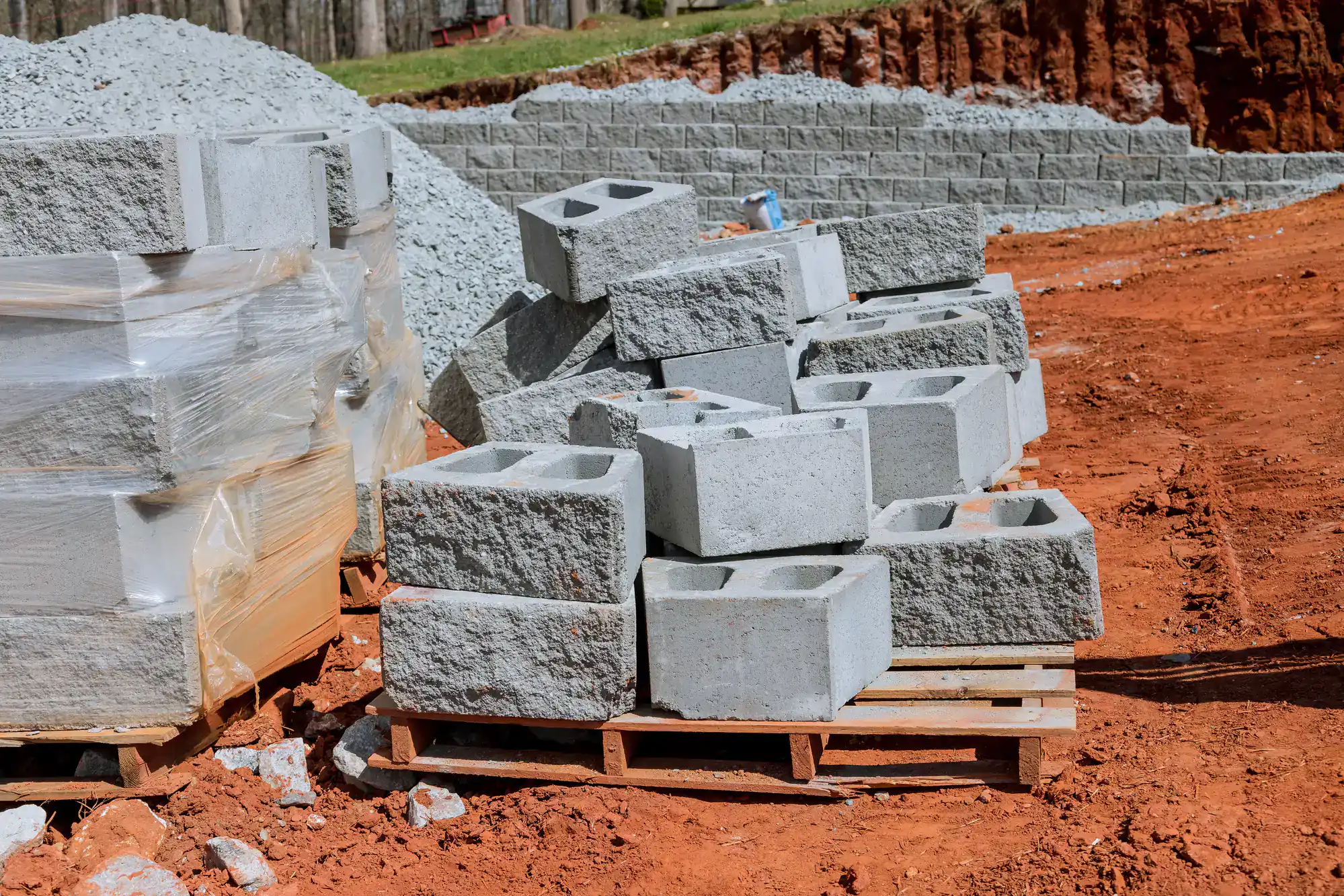
A stack of concrete cinder blocks is arranged on wooden pallets at a construction site with red soil and gravel. Wrapped blocks and a partially built stone retaining wall are visible in the background.

How deep does a retaining wall foundation need to be in Mattituck?

In Mattituck and throughout Long Island, retaining wall foundations typically need to extend 30-36 inches deep to get below the frost line. This prevents frost heave, which occurs when water in the soil freezes and expands, pushing up the wall and causing cracks or misalignment. The North Fork’s sandy soil actually helps with drainage but requires deeper foundations for stability. We excavate to proper depth, install a compacted stone base, and often use concrete footings for walls over 3 feet tall. The exact depth depends on your wall height, soil conditions, and local building codes. Proper foundation depth is critical for long-term performance. Shallow foundations lead to wall failure, especially during freeze-thaw cycles common in our area.
Poor drainage causes most retaining wall failures on Long Island. When water builds up behind the wall with nowhere to go, it creates pressure that can crack, lean, or collapse the structure. This is especially problematic during heavy rains or snowmelt. We prevent failure by installing proper drainage systems with every wall. This includes drainage pipes, exit spouts at correct heights, and backfill materials that allow water to flow away from the wall. We also use landscape fabric to prevent soil from clogging the drainage system. Other common failure causes include insufficient foundation depth, wrong materials for local conditions, and improper backfilling. Our installation process addresses each of these factors using manufacturer specifications and industry best practices.
Coastal Long Island requires materials that handle salt air, moisture, and temperature fluctuations. Segmental concrete block systems work exceptionally well here because they accommodate slight movement in sandy soil while maintaining structural integrity. Natural stone provides excellent durability and aesthetic appeal but requires proper installation techniques for coastal conditions. We also use engineered systems from Cambridge, Techo-Bloc, and Unilock that are specifically designed for harsh weather environments. The key is selecting materials rated for coastal exposure and using proper installation techniques. This includes corrosion-resistant reinforcement, enhanced drainage systems, and weatherproofing measures that protect against decades of salt air and storm exposure.
Most residential retaining wall projects in Mattituck take 3-7 days, depending on wall length, height, and site conditions. Smaller garden walls might complete in 2-3 days, while larger structural walls requiring permits and engineering can take 1-2 weeks. Timeline factors include excavation requirements, drainage complexity, and material type. Sandy North Fork soil generally excavates easily, but we may encounter rocky areas that slow progress. Weather conditions also affect scheduling, especially during concrete work. We provide realistic timelines during your estimate and keep you updated throughout the project. Iain stays on-site throughout construction, so you always know project status and can address any questions immediately.
Permit requirements depend on wall height and location. Generally, walls over 4 feet tall require permits in Suffolk County, and walls near property lines may need permits regardless of height. Structural walls supporting driveways or buildings typically require engineering and permits. We help navigate the permitting process and ensure your project complies with local regulations. This includes submitting proper plans, coordinating inspections, and meeting setback requirements from property lines and septic systems. Starting construction without required permits can result in fines and forced removal. We handle permit applications as part of our service, ensuring your project meets all code requirements from the start.
Professional retaining wall installation in Suffolk County typically costs $25-45 per square foot for segmental block systems, with natural stone running higher. Total project costs depend on wall height, length, site access, and drainage requirements. Factors affecting cost include excavation complexity, foundation requirements, and material selection. Walls requiring permits, engineering, or difficult site access increase costs. However, proper installation prevents expensive repairs and rebuilds down the road. We provide detailed estimates that break down all costs, so you understand exactly what you’re paying for. Our goal is delivering long-term value through quality installation that lasts decades, not just the lowest upfront price.