Retaining Wall Contractor in Mastic, NY

Walls That Actually Work in Mastic

Built for Long Island’s sandy soil, drainage challenges, and coastal weather—not just to look good.
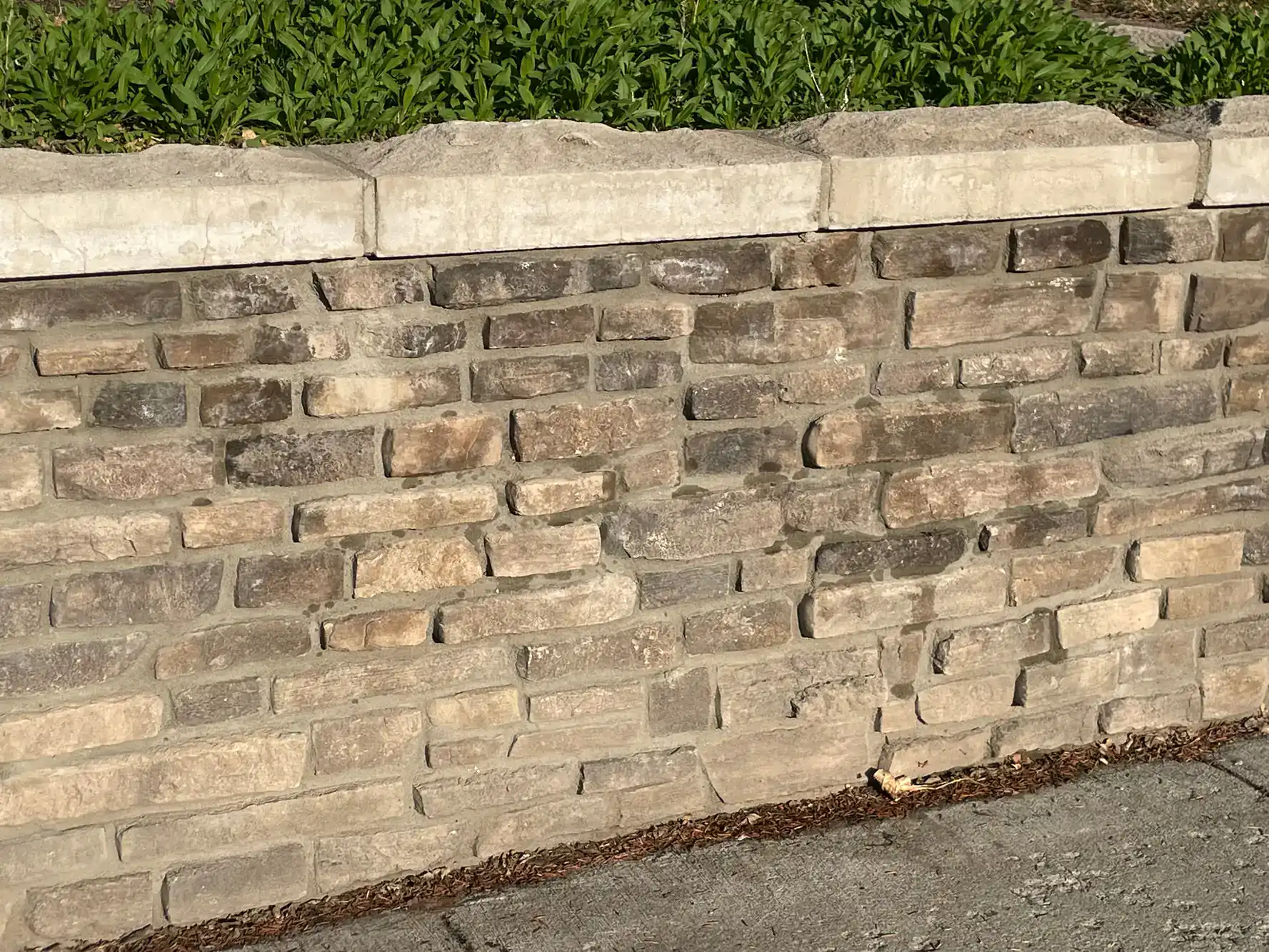
A stone retaining wall made of rectangular, tan and brown bricks supports a raised bed with green plants. Sunlight casts shadows on the textured wall and gray sidewalk below.

Hear from Our Customers

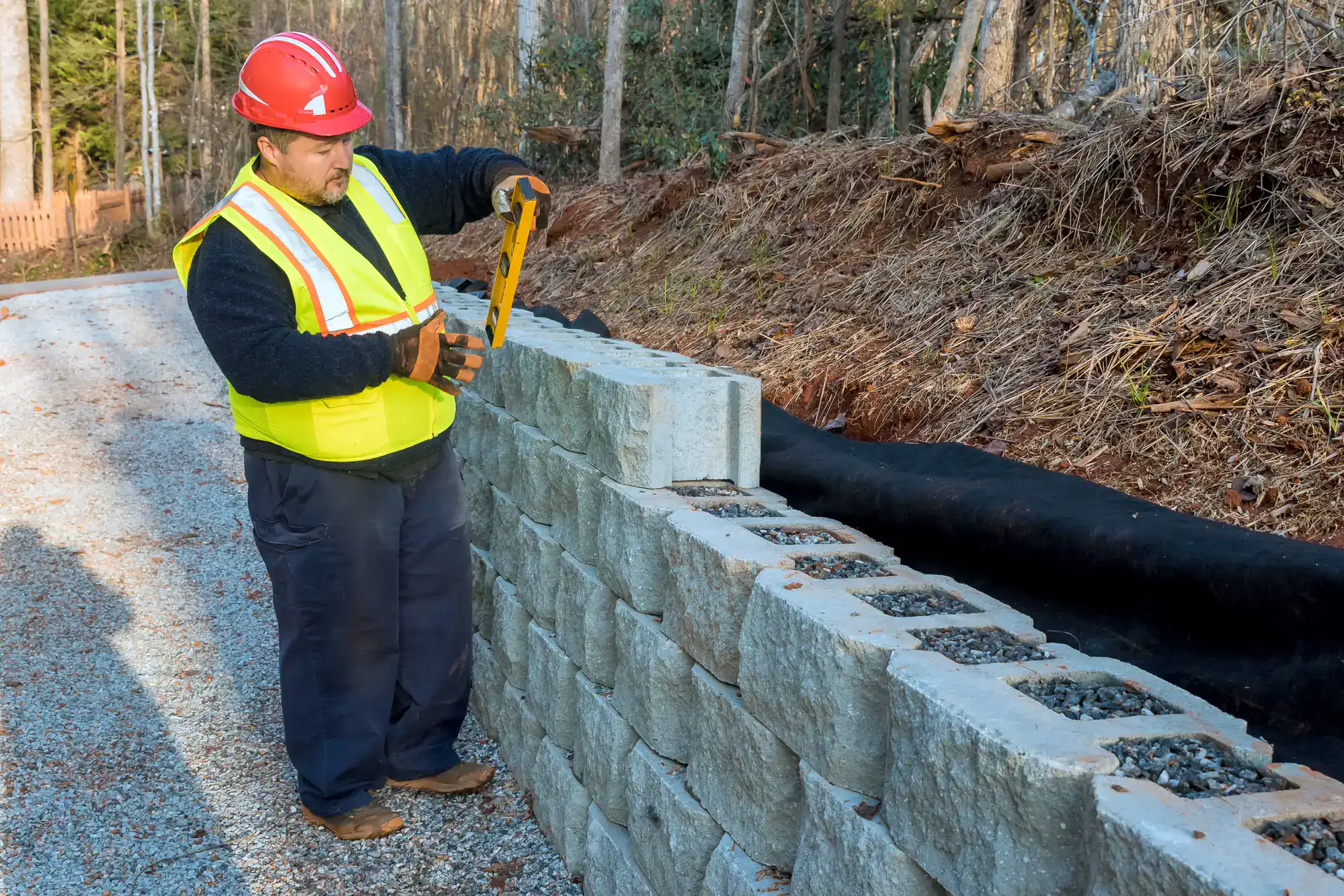
A construction worker in a yellow safety vest and red helmet uses a level to check concrete blocks while building a retaining wall next to a gravel road and a slope with trees.

Professional Retaining Wall Installation Mastic

Your Erosion Problems Stop Here
You’re tired of watching your yard wash away every time it rains hard. You’re frustrated with contractors who don’t understand that Long Island soil isn’t like everywhere else. Sandy soil that drains fast but shifts easily. High water tables that create pressure most contractors never account for. Coastal weather that beats up anything not built right. When we’re done, you’ll have stable ground that stays put. Your drainage issues disappear because we build proper systems from day one—not as an afterthought. Your property value goes up, sometimes by 15%, because you’ve solved real problems with real solutions. You get usable space where you had unusable slopes. You get peace of mind during nor’easters and hurricanes. You get a wall that works with Mastic’s unique conditions instead of fighting them.

Licensed Mastic Retaining Wall Specialists

We Actually Know Long Island Soil
Stone Escapes has been handling Long Island’s tricky soil conditions for over 15 years. We’re licensed and insured in Suffolk County, Nassau County, East Hampton, and Southampton—not just another contractor trying to figure out your area as we go. Iain Traynor, our owner-operator, comes from union masonry and carpentry backgrounds. He’s the one doing your estimates and overseeing your job, not some sales rep who disappears after you sign. We’re certified with Cambridge, Techo‑Bloc, Unilock, Nicolock, Eldorado, and Boral because we use materials that actually work in coastal conditions. Every project gets proper excavation 8-10 inches deep, base layering that accounts for sandy soil, and drainage planning that prevents the problems other contractors create.

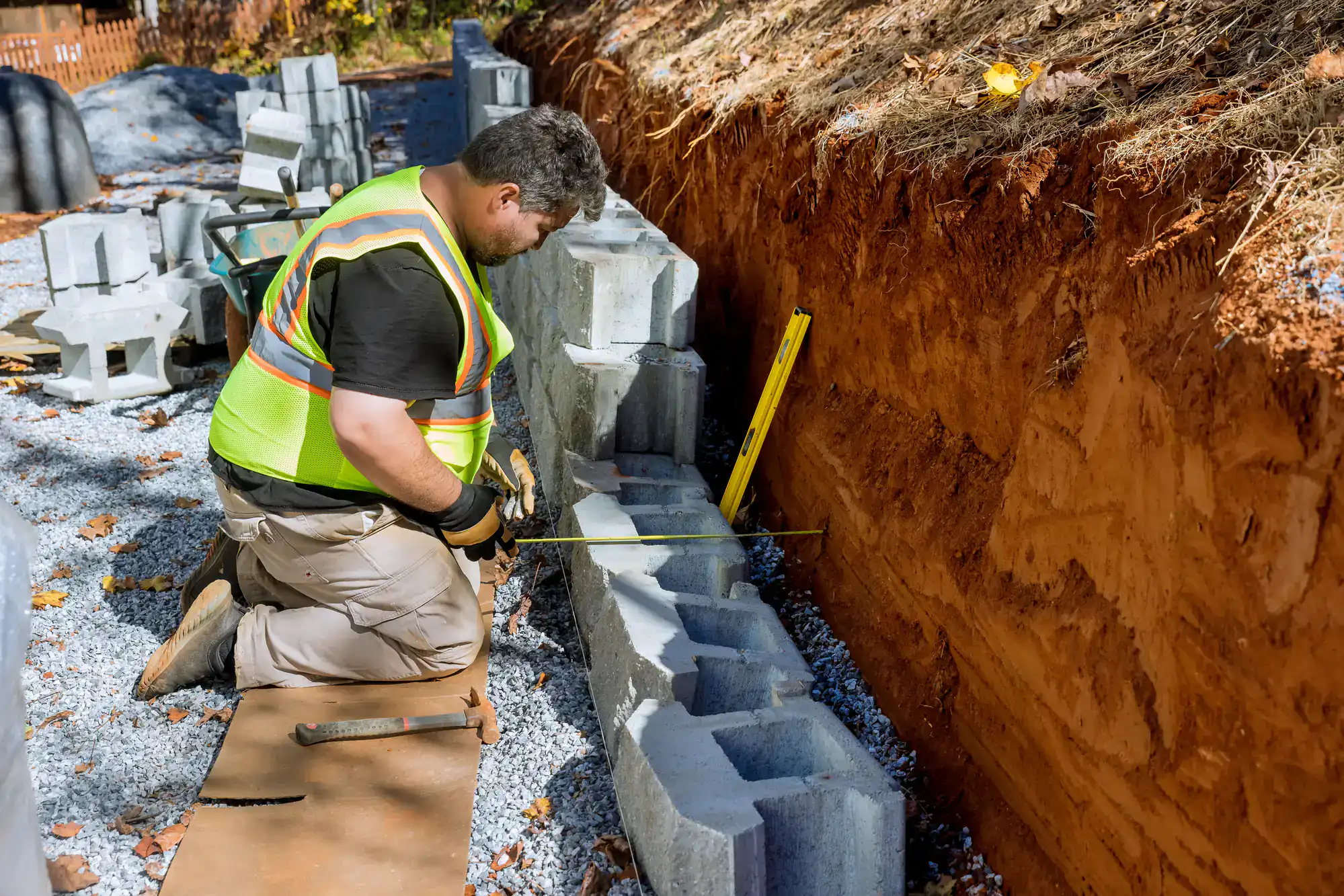
A construction worker in a safety vest kneels on gravel, measuring concrete blocks as he builds a retaining wall beside an exposed dirt slope. Tools and blocks are scattered around the worksite.

Retaining Wall Builder Mastic Process

How We Handle Mastic's Soil Right
First, we assess your specific soil conditions and drainage patterns. Not every Long Island property is the same, even though they all have sandy soil. We need to know your water table situation, slope angles, and what’s happening during heavy rains. Then we excavate to the right depth—30 to 36 inches to get below the frost line that causes problems here. We install a proper crushed stone base with the right compaction for sandy soil that wants to shift. Most contractors skip this step or do it wrong. We build the wall with materials selected for your specific conditions, not whatever’s cheapest. Every wall gets proper drainage systems built in from the start. We use filter fabric, drainage stone, and perforated pipes positioned to handle Mastic’s water conditions. Finally, we backfill with the right materials and compact everything properly. Your wall is designed to work with sandy soil movement, not against it. You get a structure that handles coastal weather and seasonal water changes without failing.
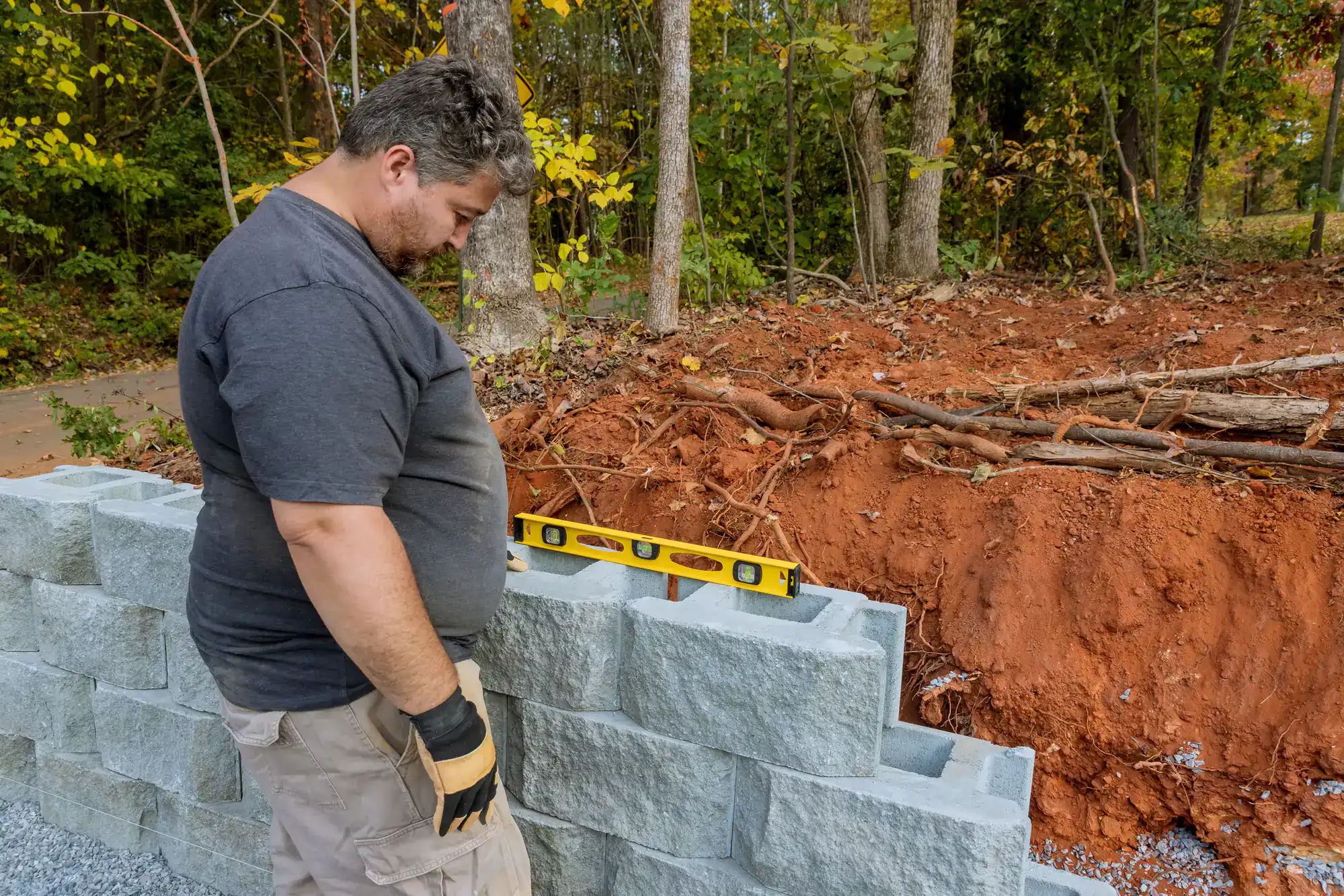
A man wearing gloves checks the level of a gray stone retaining wall with a yellow spirit level, next to a dirt embankment and forested area.

Ready to get started?

Explore More Services

About Stone Escapes Masonry & Outdoor Design

Get a Free Consultation

Stone Wall Installer Mastic Services

What You Actually Get
Every retaining wall installation includes proper drainage systems because poor drainage causes 90% of wall failures. You get perforated drainage pipes, filter fabric, and drainage stone—not optional extras that cost more later. We excavate to proper depth for Mastic’s frost line and soil conditions. Your foundation gets crushed stone base material with proper compaction techniques that work with Long Island’s sandy soil characteristics. No shortcuts that cause problems in two years. You get materials selected for coastal conditions—not inland materials that fail here. We use segmental block systems, natural stone, or concrete depending on your needs, all chosen to handle salt air, freeze-thaw cycles, and the moisture conditions that come with being this close to water. Every project includes edge restraint installation to prevent shifting over time. You get proper backfilling with materials that support your wall instead of creating pressure against it. Plus our warranty because we stand behind work that’s done right the first time.
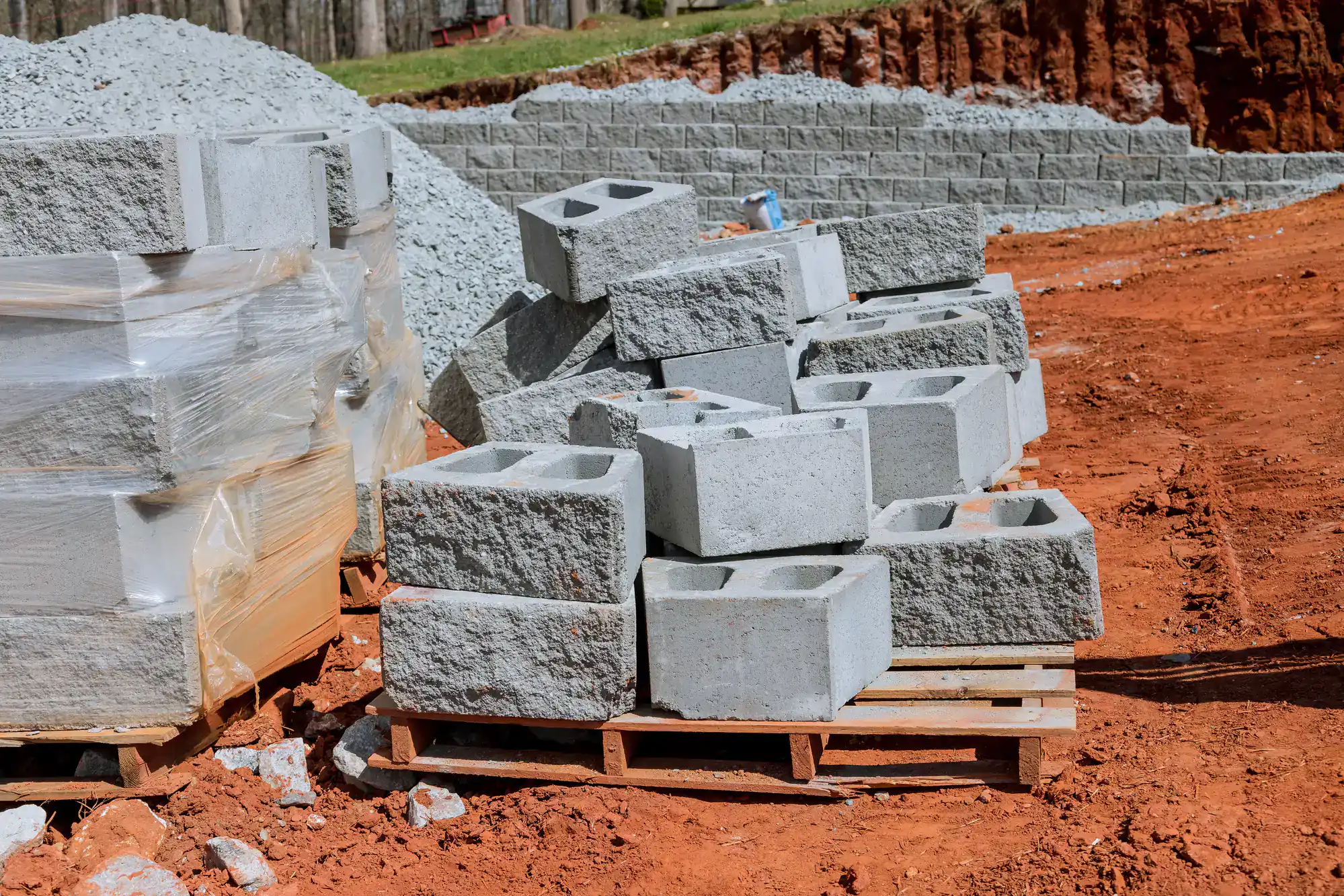
A stack of concrete cinder blocks is arranged on wooden pallets at a construction site with red soil and gravel. Wrapped blocks and a partially built stone retaining wall are visible in the background.

How much does a retaining wall cost in Mastic, NY?

Professional retaining wall installation in Mastic typically runs $25 to $45 per square foot, depending on height, materials, and site conditions. A 50-foot wall usually costs between $4,000 and $10,000 total. Sandy soil conditions here actually help keep costs reasonable because drainage is naturally better than clay areas. But you need contractors who know how to work with soil that shifts easily. Proper foundation work and drainage systems are non-negotiable—trying to save money there costs way more later. We provide detailed estimates that include everything: excavation to proper depth, foundation preparation, materials, drainage systems, and proper backfilling. No surprises or extras that weren’t discussed upfront.
Most retaining walls over 3 to 4 feet tall require permits in Suffolk County, with costs ranging from $50 to $450 depending on wall size and location. We handle permit applications as part of our service—you shouldn’t have to figure out local requirements yourself. Walls over 4 feet usually need structural engineer approval, which adds $500 to $2,000 to the project but ensures safety and code compliance. This isn’t optional red tape—it’s protection against dangerous failures that happen when walls aren’t properly engineered. We know Suffolk County’s specific requirements and work with local building departments regularly. Your project moves forward without delays because we understand the process and have relationships with the right people.
Poor drainage causes 90% of retaining wall failures here. Water builds up behind the wall with no place to go, creating pressure that cracks or topples the structure. Long Island’s high water tables and seasonal flooding make this even more critical. Sandy soil that isn’t properly prepared shifts and settles, especially during freeze-thaw cycles. Contractors who don’t excavate deep enough or use wrong backfill materials create walls that fail within a few years. Coastal weather also beats up materials not selected for salt air and moisture. We prevent these problems by building proper drainage into every wall from day one. Deep excavation below frost line, proper foundation preparation, and materials selected for coastal conditions. Your wall works with Long Island’s conditions instead of fighting them.
Properly built retaining walls in Mastic last 50 to 100+ years depending on materials and maintenance. Segmental block systems typically last 50-75 years, while natural stone can go over 100 years with proper installation. The key is building right for local conditions from the start. Walls that handle sandy soil movement, coastal moisture, and seasonal water changes keep performing decade after decade. Cheap installations that skip proper drainage or foundation work fail in 5-10 years. We use materials rated for coastal environments and build drainage systems that handle Long Island’s specific challenges. Regular inspection every few years catches small issues before they become expensive problems. Most of our walls need minimal maintenance when built correctly.
We can build retaining walls in winter as long as ground isn’t frozen solid, which rarely happens in Mastic’s coastal climate. Winter construction sometimes works better because groundwater levels are more predictable and there’s less interference from landscaping. Cold weather actually helps us see exactly how your drainage will perform during freeze-thaw cycles. We can adjust installation techniques based on real conditions instead of guessing what might happen later. Materials like segmental blocks aren’t affected by moderate cold. The main consideration is scheduling around major storms and ensuring proper curing time for any concrete work. We adjust techniques for temperature but don’t compromise on quality. Your wall gets built right regardless of season.
DIY retaining walls work for decorative projects under 3 feet, but anything structural or taller needs professional installation. Long Island’s sandy soil and drainage challenges require experience most homeowners don’t have. Mistakes cost way more to fix than doing it right initially. Professional installation includes proper excavation depth, foundation preparation, drainage systems, and materials selection for local conditions. We know Suffolk County permit requirements, engineering standards, and how to handle unexpected site conditions that always come up. DIY projects typically fail at the drainage stage. Homeowners see the visible wall but miss the critical systems behind it. When that fails, you’re looking at complete removal and reinstallation—plus potential property damage from soil movement and water problems.