
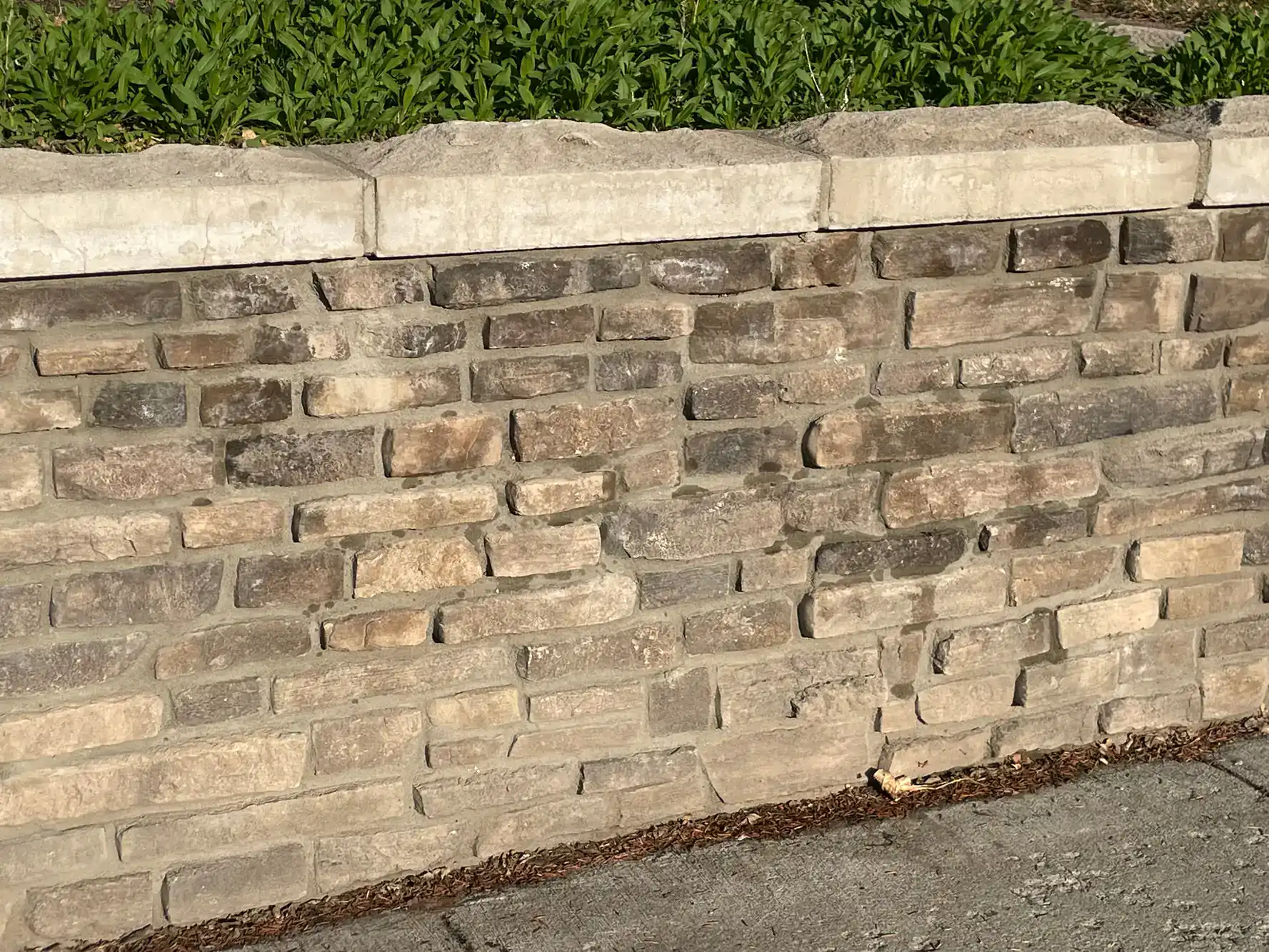
Hear from Our Customers
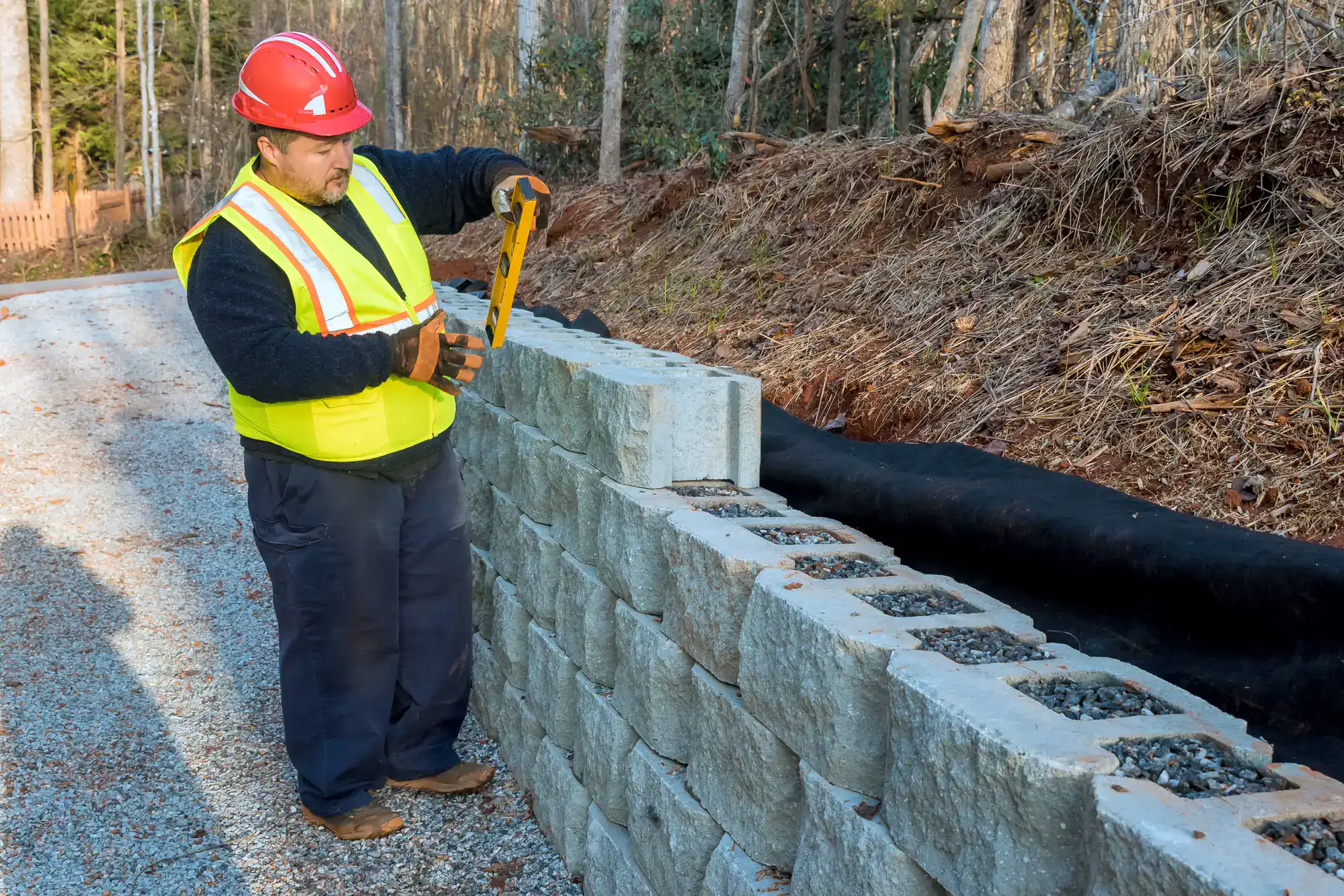
You get stable, level ground where water used to wash away your landscaping. Your property stops losing soil every time it rains hard. That steep area behind your house becomes space you can actually use—for a patio, garden beds, or just safer access to different parts of your yard.
The wall holds back thousands of pounds of saturated soil without budging. Water drains where it should instead of pooling behind the structure. You stop worrying about erosion threatening your foundation or driveway.
Most importantly, you get a wall that’s engineered for Long Island conditions. Sandy soil, freeze-thaw cycles, and coastal moisture don’t faze it because it was built with those challenges in mind from day one.
We’ve been building retaining walls in Islip, NY and throughout Suffolk County since our early days when we landed a feature in Cambridge Pavingstone’s magazine. Owner Iain Traynor brings union masonry experience and stays involved in every estimate, planning session, and job site visit.
We’re licensed in Suffolk County, Nassau County, and the townships of Southampton and East Hampton. We hold certifications from Cambridge, Techo-Bloc, Unilock, Nicolock, Eldorado, and Boral—the manufacturers whose products actually hold up in Long Island’s conditions.
Most of our work comes from referrals because we do things right the first time. We excavate to proper depths for frost protection, install drainage systems that actually work, and use materials rated for coastal exposure.
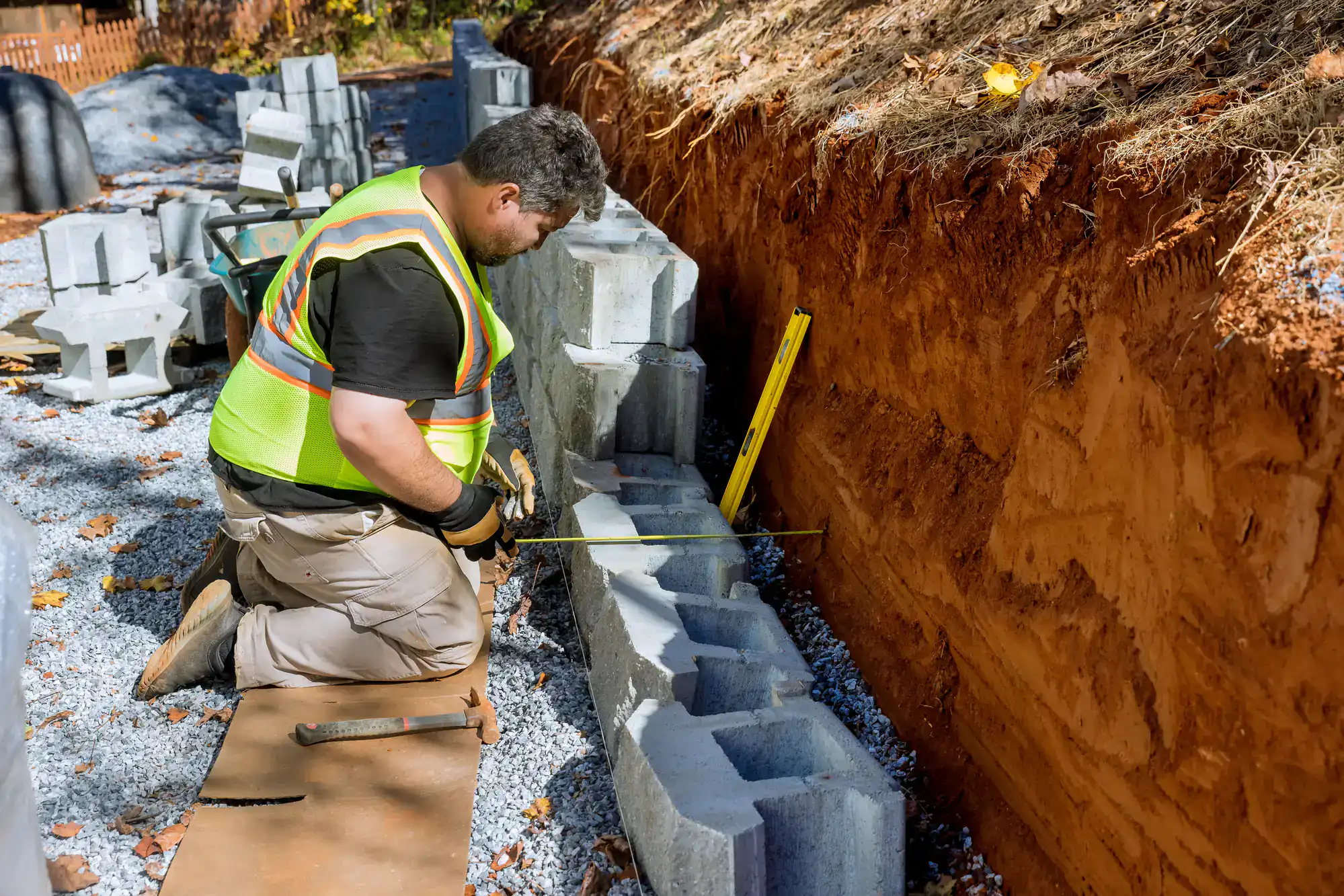
We start with an in-person assessment of your site’s drainage patterns, soil conditions, and grade requirements. Iain handles the estimate personally and explains exactly what your property needs and why.
Excavation goes 30-36 inches deep to get below the frost line—critical for Long Island’s freeze-thaw cycles. We install a compacted crushed stone base with proper drainage planning, not just whatever’s convenient. The foundation gets built to handle lateral pressure from saturated soil.
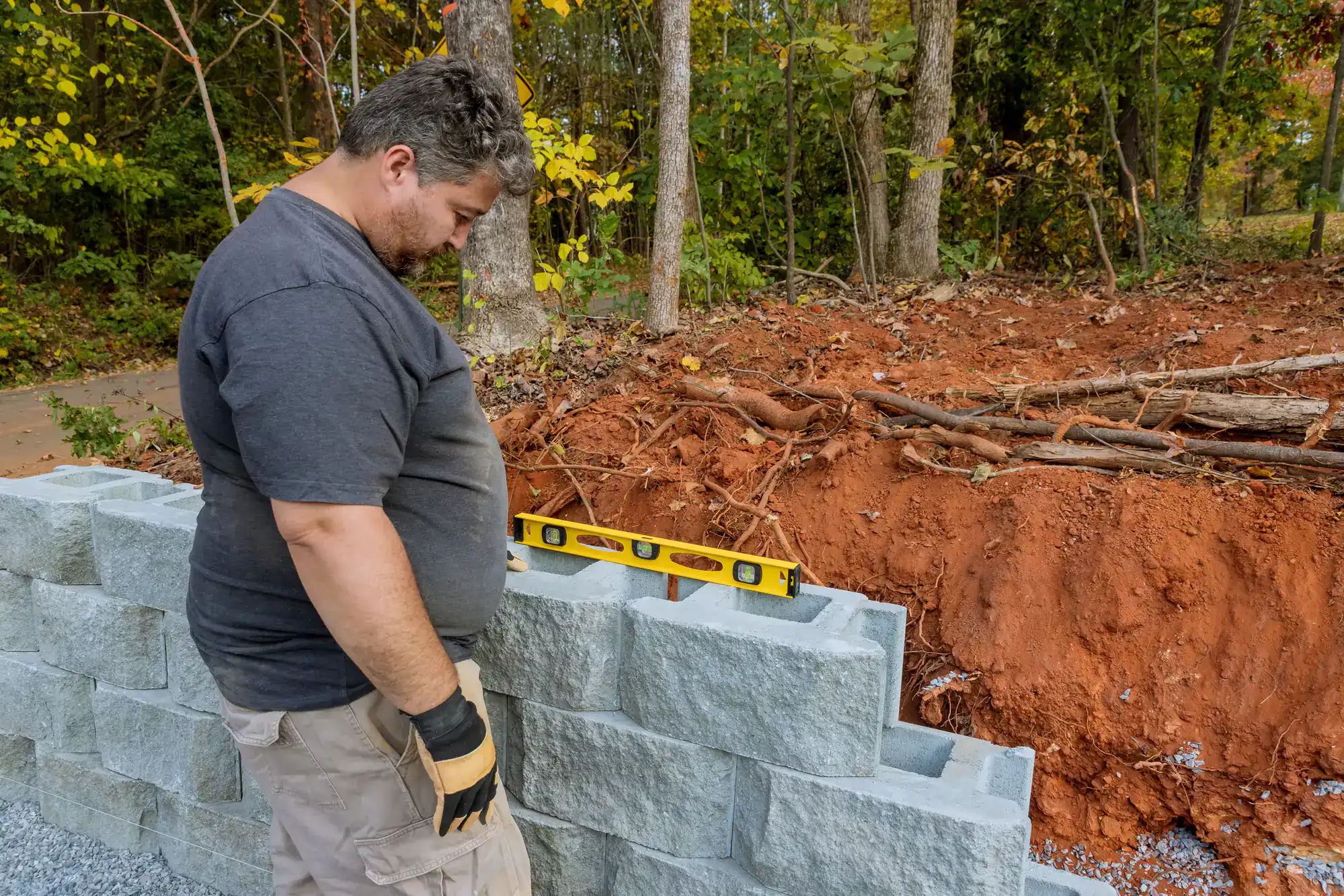
Each course of blocks or stones gets properly aligned and backfilled with drainage materials. We install perforated drainage pipes at the correct heights with exit points that actually work. The final result is a wall system designed to manage water, not just hold back dry dirt.
Ready to get started?
Your retaining wall installation includes proper excavation to below frost line, engineered drainage systems, and materials certified for Long Island’s coastal conditions. We use manufacturer-approved installation methods, not shortcuts that save time but cost you money later.
In Islip, NY, sandy soil and high water tables create specific challenges. We address these with deeper foundations, enhanced drainage zones, and backfill materials that allow water movement while preventing soil migration. The drainage system includes perforated pipes, gravel backfill, and weep holes positioned for Long Island’s typical storm patterns.
You get direct communication with the owner throughout the project. No project managers or subcontractors making decisions about your property. We guarantee our work because we control every aspect of the installation process, from material selection to final cleanup.
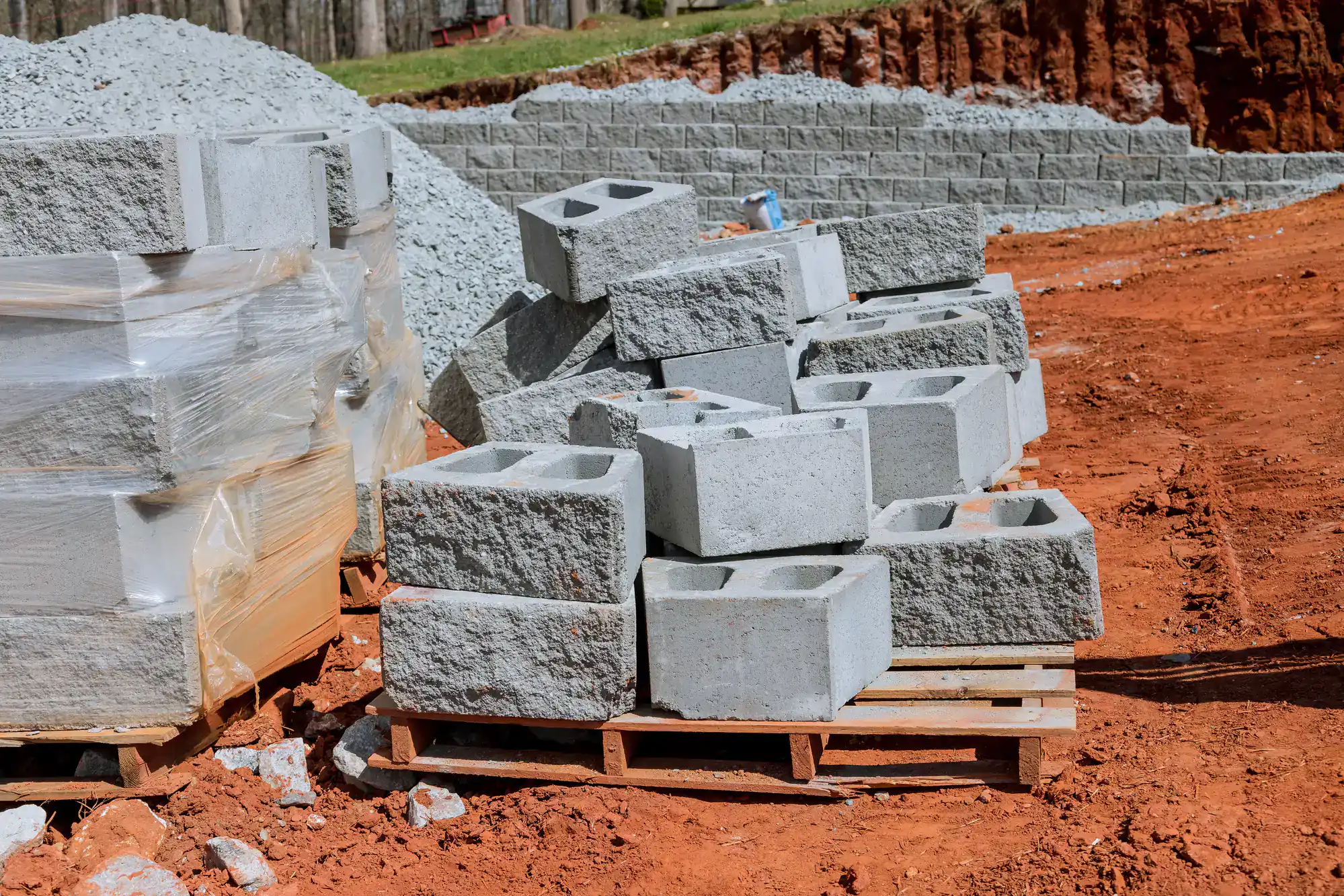
Foundations need to go 30-36 inches deep to get below Long Island’s frost line. This prevents frost heave from pushing your wall out of alignment during winter freeze-thaw cycles.
Shallow foundations are the main reason retaining walls fail in our area. When water freezes in the soil, it expands and creates tremendous upward pressure. A foundation that’s only 12-18 inches deep will shift, crack, or completely fail within a few years.
We excavate to the proper depth and install a compacted crushed stone base that provides stable support while allowing drainage. This foundation system accommodates Long Island’s sandy soil characteristics and prevents settling over time.
Poor drainage is the biggest culprit. Long Island gets heavy rains and has high water tables, so water builds up behind walls that don’t have proper drainage systems. This creates hydrostatic pressure that can push over even well-built walls.
Sandy soil also presents unique challenges. It drains well naturally, but it doesn’t provide the same lateral support as clay or rock. Walls need deeper foundations and proper backfill materials to maintain stability in sandy conditions.
Freeze-thaw cycles make everything worse. Water that gets into cracks or behind walls expands when it freezes, creating additional pressure. Materials and installation methods need to account for these seasonal stresses to prevent gradual deterioration.
Segmental concrete blocks work exceptionally well because they’re designed to accommodate slight movement in sandy soil while maintaining structural integrity. Brands like Cambridge, Techo-Bloc, and Unilock offer systems specifically engineered for Long Island conditions.
Natural stone provides excellent longevity and appearance but requires more skilled installation. The key is proper drainage behind any material—the best blocks in the world won’t help if water builds up behind them.
We avoid materials that can’t handle coastal moisture and salt air exposure. Everything we install is rated for Long Island’s climate, from the blocks themselves to the drainage components and backfill materials.
Professional installation typically runs $25-45 per square foot for segmental block walls, depending on height, site access, and specific material selection. A 4-foot high, 50-foot long wall generally costs $5,000-$9,000 including proper drainage.
Height makes a big difference in cost because taller walls need deeper foundations, more drainage materials, and sometimes engineering. Walls over 4 feet often require permits and additional structural considerations.
Site conditions affect pricing too. Easy access allows efficient installation, while tight spaces or difficult terrain require more hand work. We provide detailed estimates that break down all costs so you know exactly what you’re paying for.
Most municipalities require permits for walls over 3-4 feet tall. Suffolk County and local Islip codes have specific requirements for foundation depth, drainage, and setbacks from property lines.
We handle permit applications as part of our service because we know local requirements and have relationships with building departments. This ensures your project meets code and avoids delays or compliance issues.
Even if a permit isn’t required, following code requirements makes sense for structural integrity and resale value. Insurance companies and future buyers want to see that major improvements were done properly and to current standards.
Well-built retaining walls with proper drainage systems last 50+ years in Long Island conditions. The key factors are foundation depth, drainage design, and material quality—all areas where cutting corners shows up quickly.
We see 20-30 year old walls that look brand new because they were built right the first time. We also see 5-year old walls that are failing because someone skipped the drainage system or didn’t excavate deep enough.
Our installations include warranties because we control material selection, foundation preparation, and drainage installation. When these elements work together properly, the wall becomes a permanent improvement to your property rather than a future headache.