
Hear from Our Customers
Your sloped yard isn’t just wasted space—it’s a liability waiting to happen. Every heavy rain washes away more soil. Every storm season brings the risk of foundation damage. And that steep grade makes half your property unusable for anything meaningful.
A properly built retaining wall changes everything. You get flat, stable ground where you can actually build a patio, plant a garden, or let your kids play safely. The erosion stops. Your foundation stays protected. And instead of watching your property wash away, you’re watching it become more valuable.
The difference is in the engineering. Long Island’s sandy soil and high water table demand specific construction techniques that most contractors either don’t know or skip to save money. We don’t cut corners on the foundation depth, drainage systems, or materials—because walls that fail cost you thousands more than walls built right the first time.
We’ve been building retaining walls across Suffolk County for over 15 years, and we’ve learned what works in Fort Salonga’s unique conditions. Owner Iain Traynor brings union masonry experience and stays directly involved in every estimate and project.
We’re licensed in Suffolk, Nassau, and the townships that matter to you. We hold certifications from Cambridge, Techo‑Bloc, Unilock, and other manufacturers whose materials actually hold up to coastal weather. And we’re BBB accredited because we do what we say we’ll do.
Most importantly, we understand that Fort Salonga homeowners expect quality that lasts. Your neighbors have invested in beautiful properties, and your retaining wall needs to match that standard while handling the practical challenges of sandy soil, drainage issues, and freeze-thaw cycles.
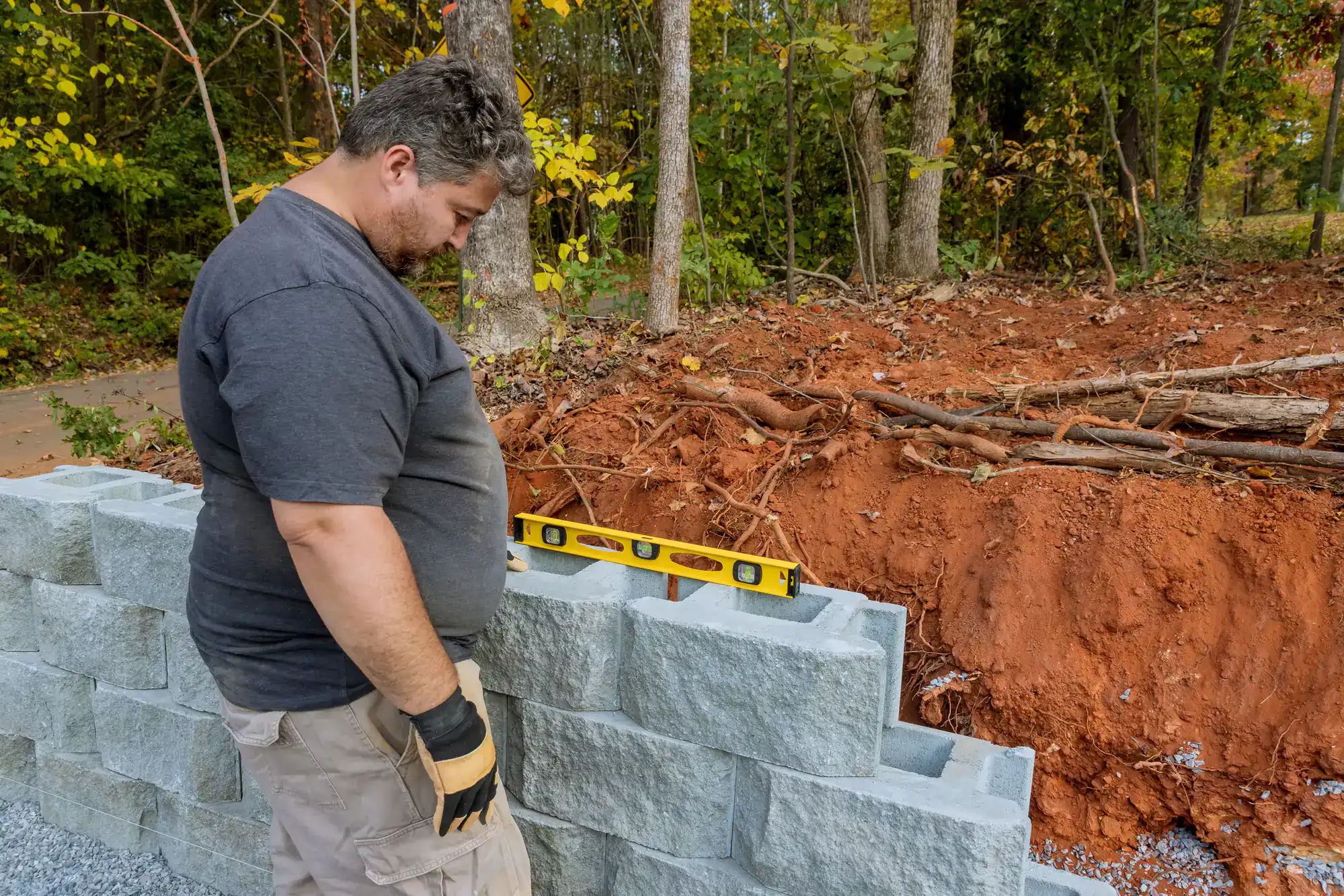
Every project starts with Iain personally evaluating your property. We’re looking at soil conditions, drainage patterns, and how the wall will integrate with your existing landscape. No generic solutions—every wall is engineered for your specific situation.
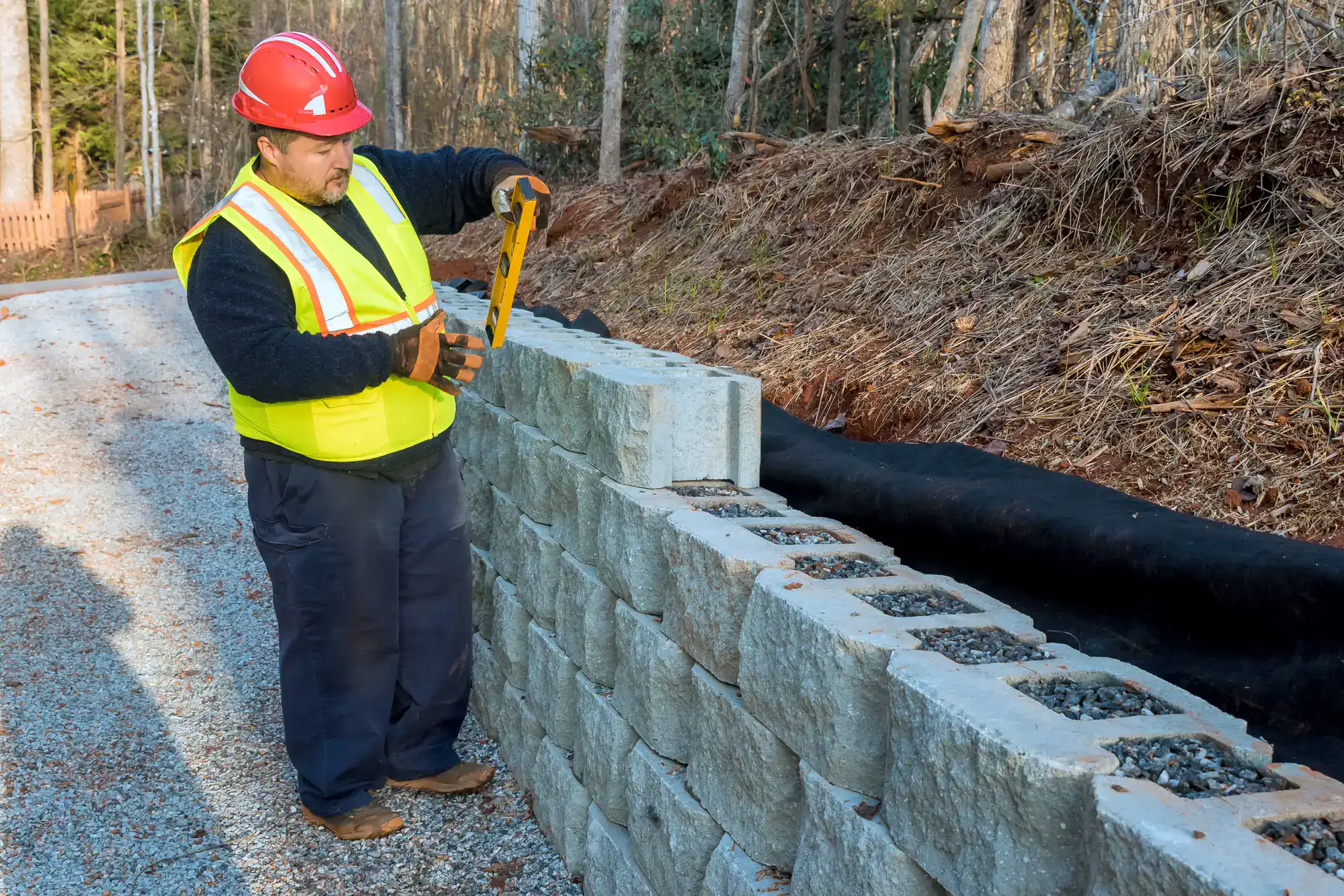
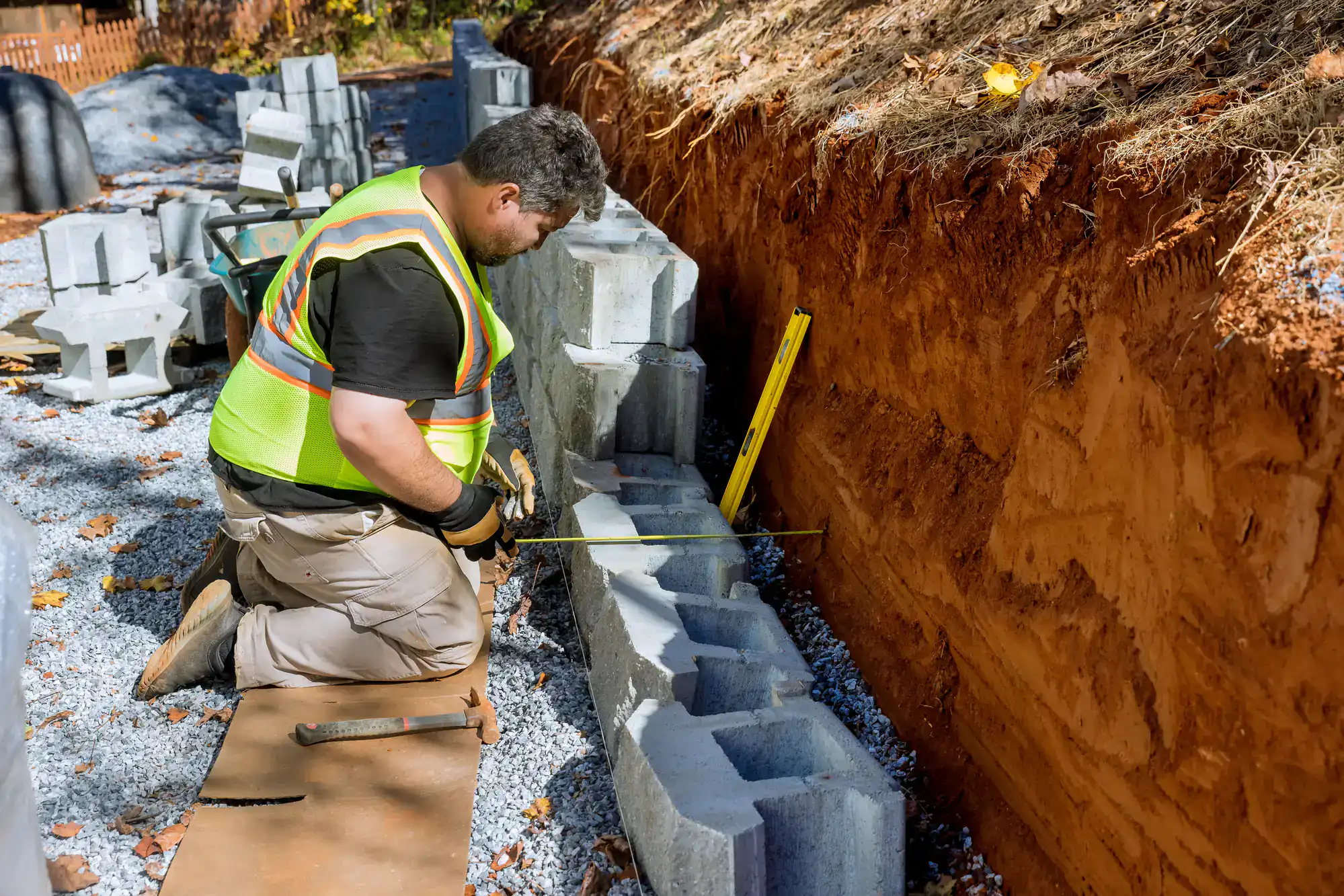
Excavation goes deep—typically 30-36 inches to get below Fort Salonga’s frost line. We install proper base materials with the compaction and drainage systems that sandy soil requires. The wall itself uses manufacturer-certified materials and techniques that address Long Island’s coastal moisture and salt air exposure.
The backfill process is where most contractors cut corners, but it’s critical for long-term stability. We use proper drainage stone, install perforated pipes where needed, and compact everything in lifts to prevent settling. The final result is a wall system that manages water properly and won’t shift or crack over time.
Ready to get started?
Your retaining wall project includes complete site preparation, proper excavation to below the frost line, and engineered drainage systems designed for Long Island’s conditions. We use manufacturer-certified materials and installation techniques that address sandy soil, high water tables, and coastal weather exposure.
The construction process includes base preparation with proper compaction, wall installation with attention to drainage and reinforcement needs, and backfill with materials that promote water flow rather than retention. Every project meets local building codes and manufacturer specifications.
Fort Salonga properties often deal with specific challenges like proximity to the Sound, mature landscaping that needs protection, and existing drainage patterns that must be preserved. We plan around these factors and coordinate with other outdoor projects like patios, walkways, or landscape installations to create a cohesive result.
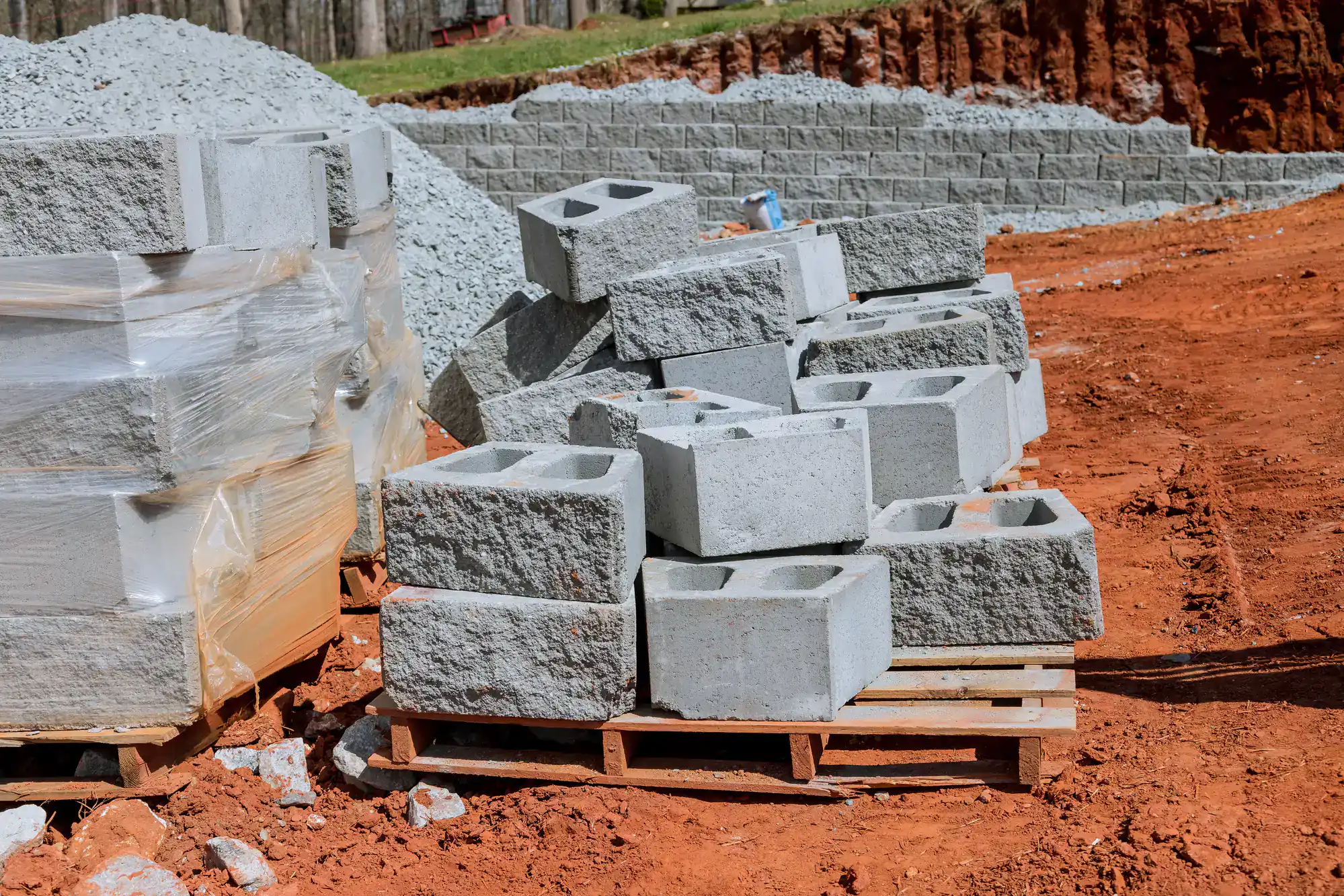
In Fort Salonga, retaining wall foundations typically need to go 30-36 inches deep to reach below the frost line and provide adequate stability in sandy soil. This depth prevents frost heave during winter months and ensures the wall won’t shift as the ground freezes and thaws.
The exact depth depends on your specific soil conditions and wall height. Taller walls or areas with poor drainage may require deeper foundations. We always evaluate soil conditions during the planning phase and follow manufacturer specifications for the materials we’re using.
Proper foundation depth is one area where cutting corners causes expensive failures later. A foundation that’s too shallow will allow the wall to shift, lean, or crack within a few years.
Long Island retaining walls require comprehensive drainage systems because of our sandy soil, high water table, and heavy storm events. At minimum, this includes perforated drain pipe at the base, proper backfill with drainage stone, and outlet systems that direct water away from the wall.
Many Fort Salonga properties also benefit from additional drainage features like French drains or dry wells, especially in areas with poor natural drainage or high groundwater. The goal is preventing water from building up behind the wall, which creates pressure that can cause structural failure.
We design drainage systems based on your property’s specific conditions, including existing water flow patterns, proximity to other structures, and local building code requirements. Proper drainage isn’t optional—it’s what keeps your wall standing for decades.
Retaining wall costs in Fort Salonga typically range from $25-50 per square foot for standard installations, but the final price depends on wall height, materials, site conditions, and drainage requirements. A typical residential wall project ranges from $3,500-8,000.
Factors that affect cost include excavation requirements, drainage complexity, material choices, and site access. Walls requiring engineered plans or special permits cost more upfront but prevent expensive failures later. Properties with challenging soil conditions or tight access may also increase costs.
The key is getting accurate pricing based on your specific situation rather than generic estimates. We provide detailed proposals that break down material and labor costs so you understand exactly what you’re paying for.
Permit requirements in Fort Salonga depend on wall height and location. Walls over 4 feet typically require building permits and engineered plans. Walls near property lines, in flood zones, or supporting additional loads like driveways may also need permits regardless of height.
The permit process involves submitting plans that show wall design, drainage systems, and how the project affects neighboring properties. This typically takes 2-4 weeks for approval but ensures your wall meets safety standards and local building codes.
We handle permit applications as part of our service and work with local engineers when required. It’s better to get permits upfront than deal with code violations later, especially if you plan to sell your property.
The best materials for Fort Salonga retaining walls are segmental concrete blocks from manufacturers like Cambridge, Techo-Bloc, or Unilock. These systems are engineered for our soil conditions and provide the drainage and flexibility that sandy soil requires.
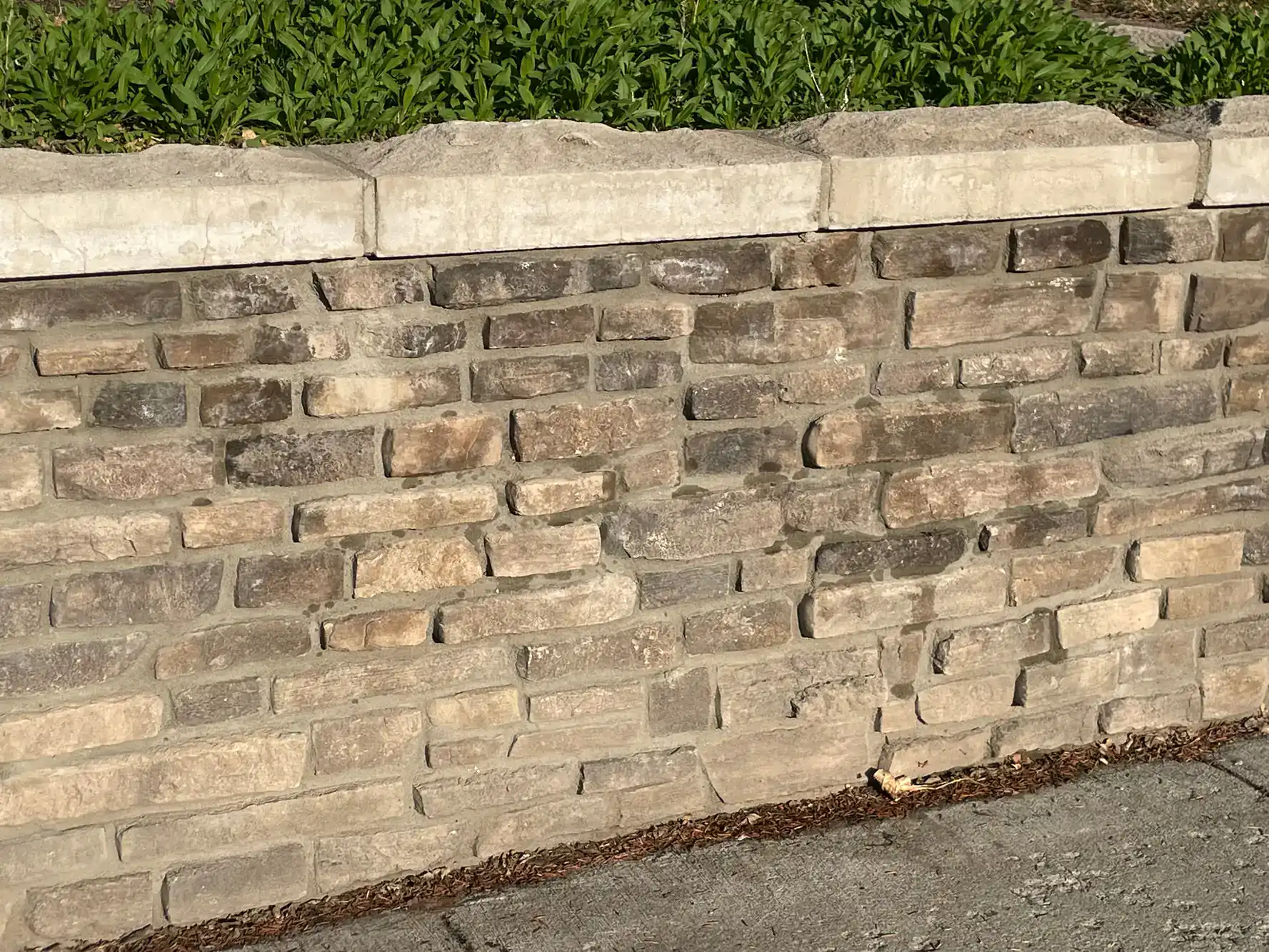
Natural stone works well for shorter decorative walls but typically requires more complex drainage systems for taller installations. Concrete blocks offer better consistency, easier installation, and proven performance in Long Island’s freeze-thaw cycles and coastal environment.
Material choice also depends on your aesthetic preferences and budget. We work with several manufacturer systems and can recommend options that balance appearance, performance, and cost for your specific project requirements.
Properly built retaining walls in Fort Salonga typically last 25-50 years or more, depending on materials and construction quality. The key factors are proper foundation depth, adequate drainage systems, and using materials rated for our coastal climate.
Walls that fail early usually have drainage problems, inadequate foundations, or were built with shortcuts that save money upfront but cause expensive problems later. Investing in proper construction techniques and quality materials pays off in longevity and reduced maintenance costs.
Regular maintenance like clearing drainage outlets and checking for settling or cracking helps extend wall life. Most well-built walls require minimal maintenance beyond occasional cleaning and minor repairs to joint materials or drainage systems.