
Hear from Our Customers
You’re dealing with erosion eating away at your property. Water pooling where it shouldn’t. Slopes you can’t use or maintain properly.
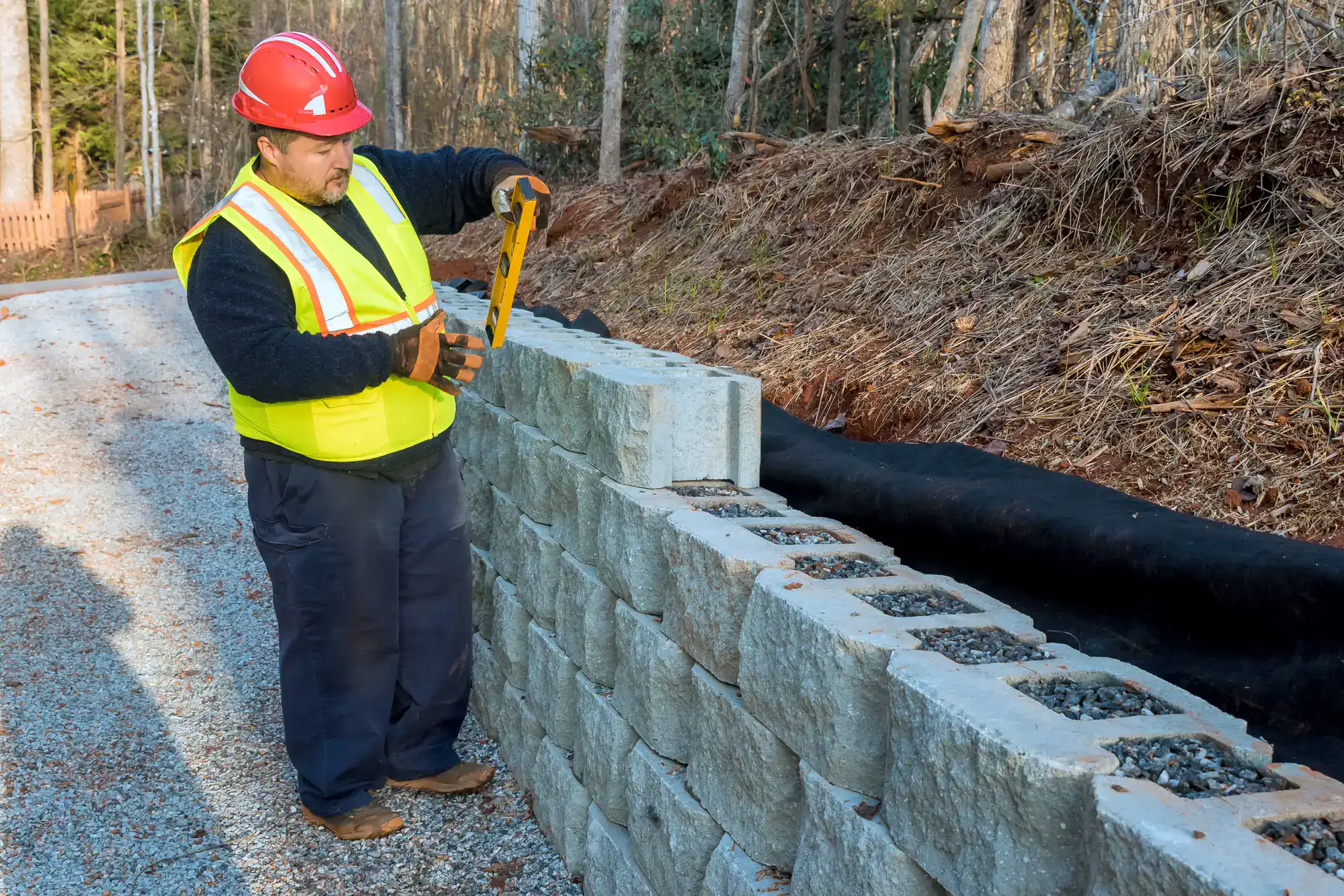
A properly built retaining wall stops the soil loss and gives you back that space. You get level ground that actually stays level, proper water management that prevents foundation issues, and outdoor areas you can finally use for something other than watching dirt wash away.
The difference is in the foundation work and drainage—most contractors skip the details that matter in Long Island’s sandy soil. We don’t.
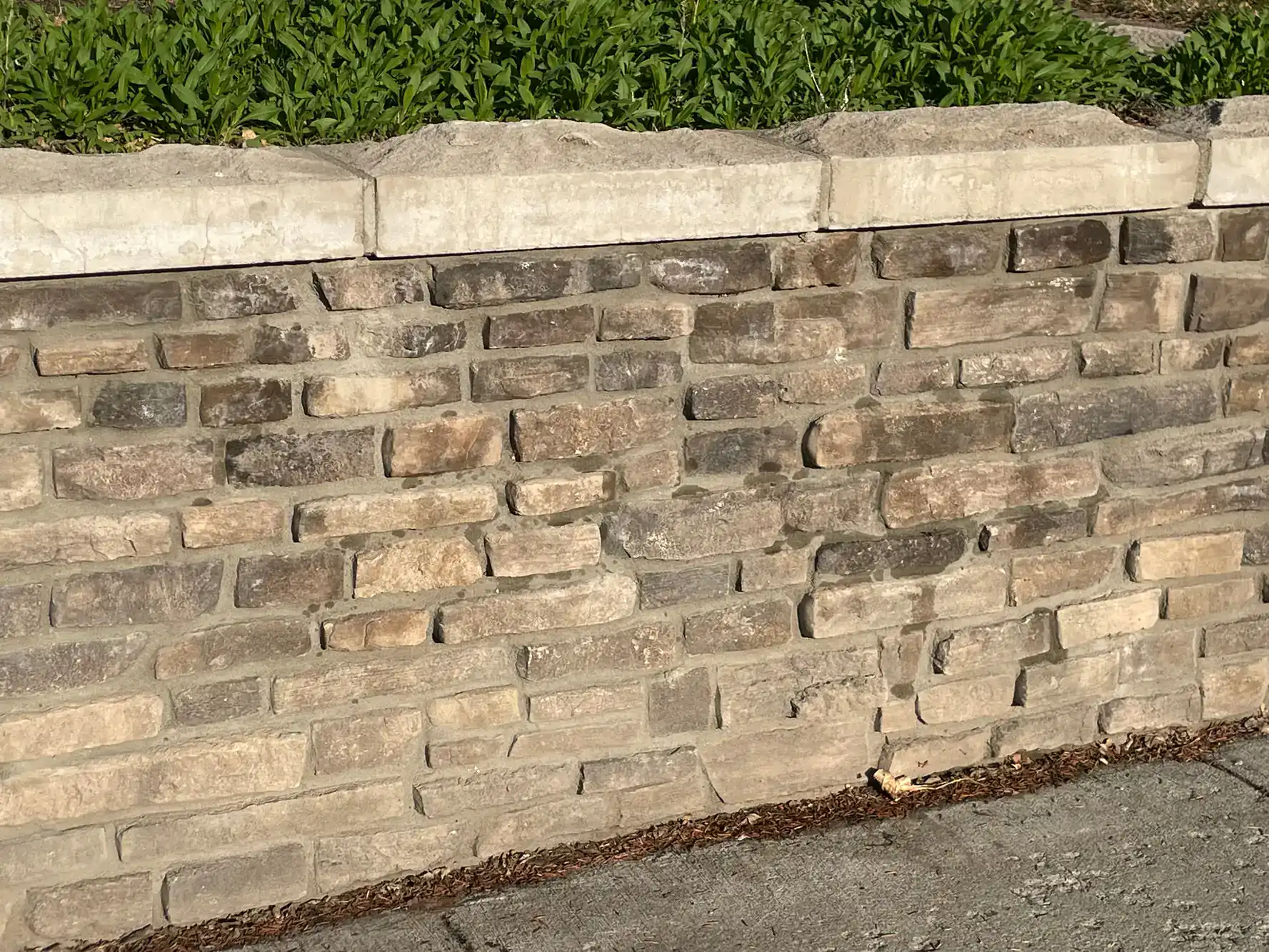
Stone Escapes has been building retaining walls throughout Suffolk and Nassau Counties since our early recognition in Cambridge Pavingstone’s publication. Owner Iain Traynor brings union masonry experience and stays involved in every project from estimate through completion.
We hold active licenses in Suffolk County, Nassau County, Southampton, and East Hampton because we understand each area’s specific soil conditions and building requirements. Our team knows how Long Island’s sandy soil, coastal moisture, and freeze-thaw cycles affect wall performance.
Most of our new clients come from referrals—homeowners who’ve seen our work hold up over time while others’ walls start failing within a few years.
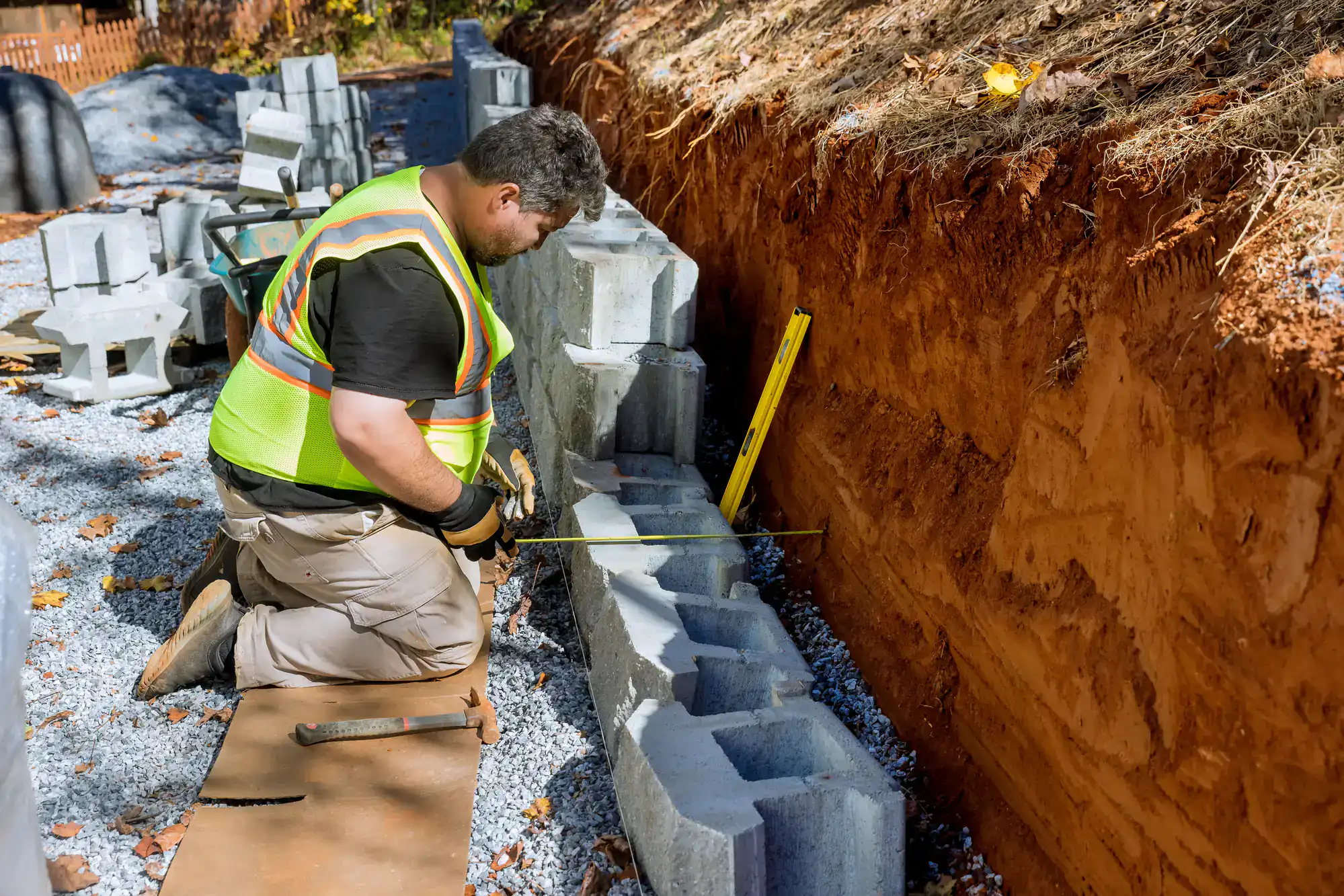
We start with proper excavation—typically 8-10 inches deep, sometimes more depending on your specific soil conditions and wall height. The foundation gets compacted gravel base material, not just whatever’s convenient.
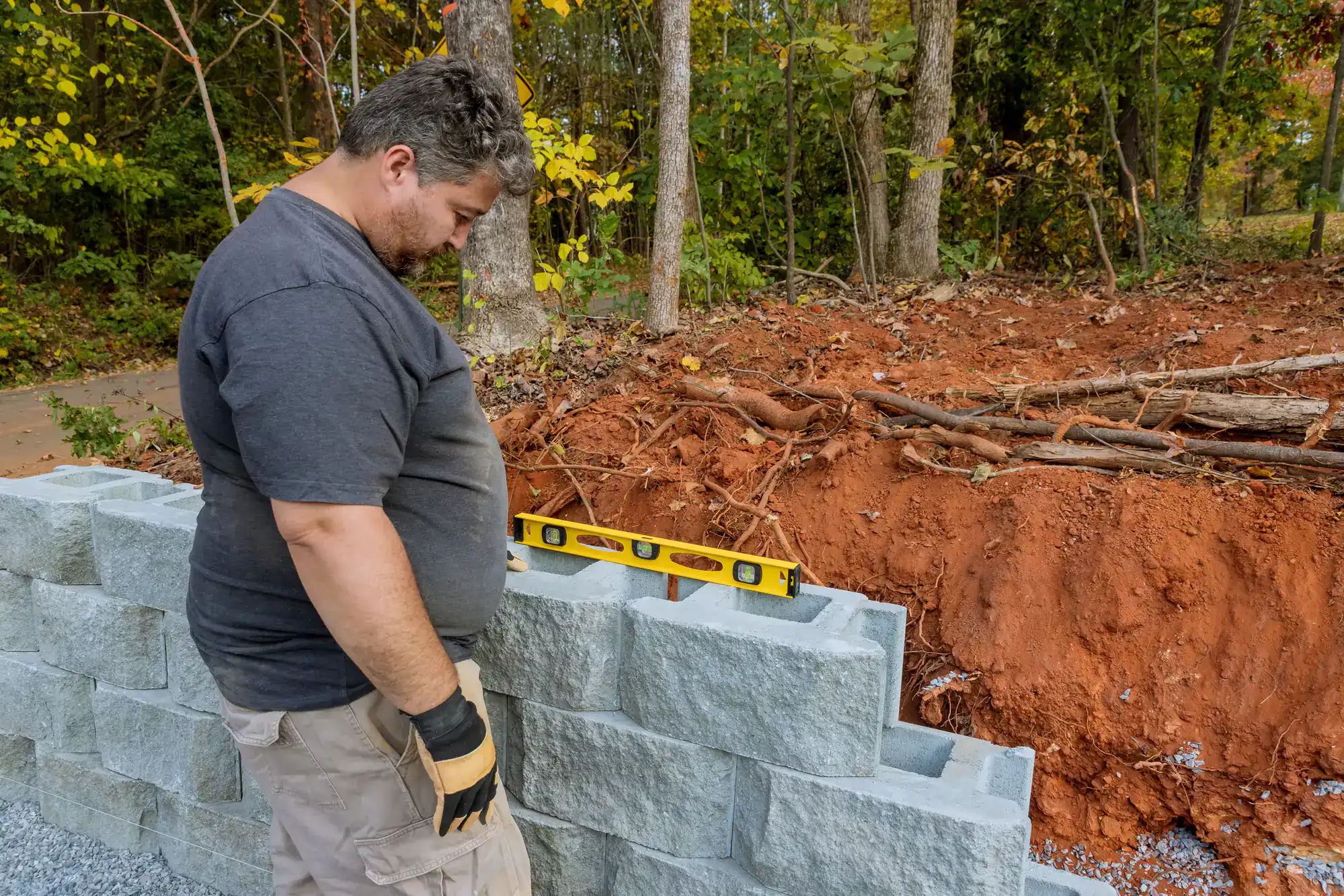
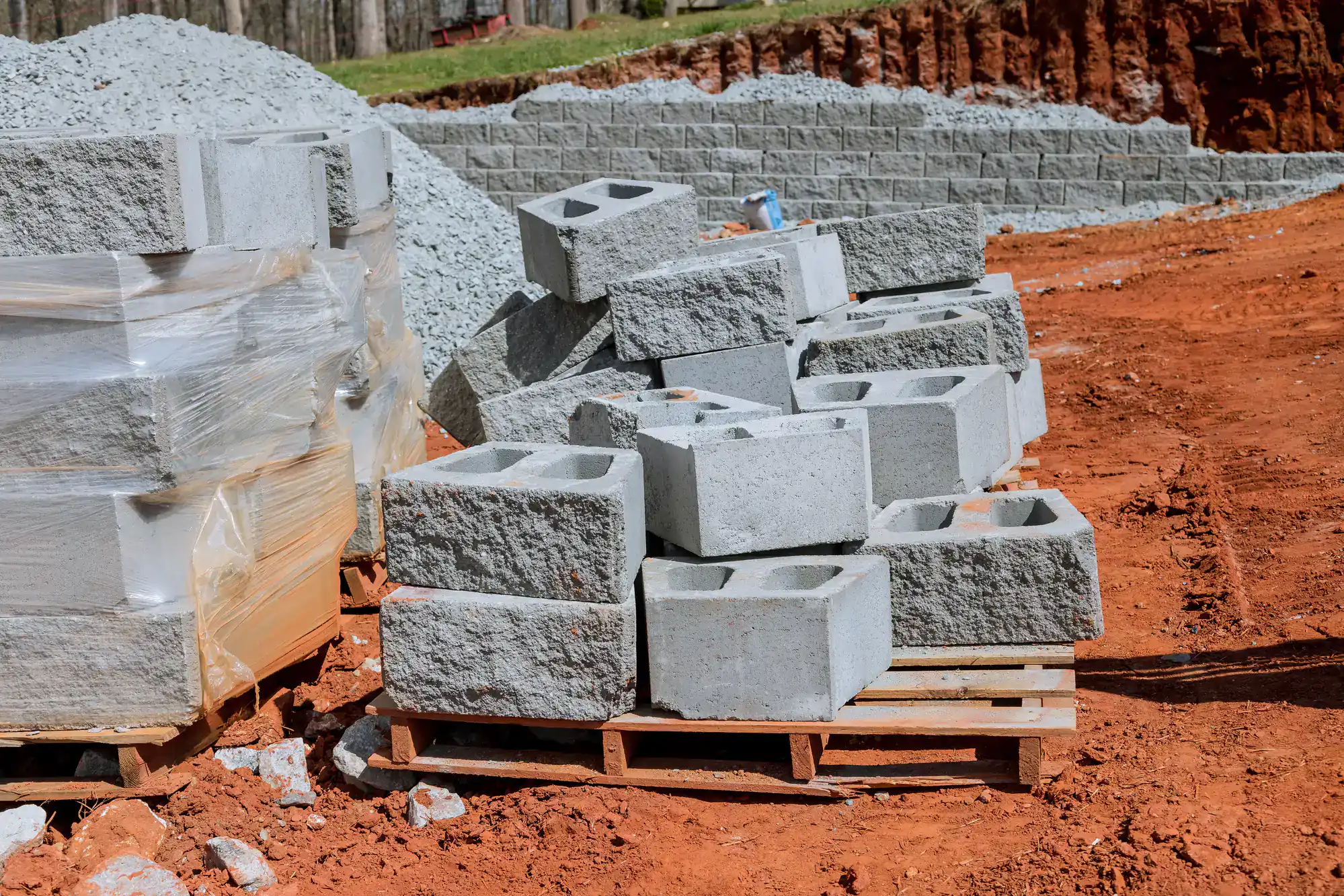
Next comes the wall construction using materials from certified manufacturers like Cambridge, Techo-Bloc, and Unilock. Each course is leveled and checked, with proper drainage installed behind the wall to prevent water buildup that destroys most retaining walls.
The backfill process includes proper drainage materials and edge restraints to prevent shifting. We finish with final grading and cleanup, leaving you with a wall system designed to handle Long Island’s soil movement and weather patterns for decades.
Ready to get started?
Every retaining wall project includes proper foundation preparation to reach below Flanders’ frost line, typically 30-36 inches deep. We use manufacturer-certified materials specifically rated for coastal exposure and freeze-thaw cycles.
Your wall system includes integrated drainage with gravel backfill and drain pipes where needed. Edge restraints prevent shifting in sandy soil, and proper base preparation ensures long-term stability.
In Flanders and throughout Suffolk County, properties face unique challenges from nor’easters, hurricane-force winds, and rapid soil saturation. Our walls are engineered for these conditions, not just standard construction that works fine inland but fails here within a few seasons.
Properly built retaining walls in Flanders typically last 20-50 years or more, depending on materials and construction quality. The key is proper foundation depth and drainage design for Long Island’s specific soil conditions.
Sandy soil actually offers some advantages—excellent drainage reduces hydrostatic pressure behind walls. However, it also shifts more easily, which is why proper base preparation and edge restraints are critical. Walls built without accounting for soil movement often fail within 5-10 years.
We build foundations 30-36 inches deep to reach below the frost line and use compacted stone base with proper drainage systems. This approach has proven successful throughout Suffolk County’s coastal environment.
Professional installation ensures proper foundation depth, drainage design, and material selection for Long Island’s specific conditions. DIY projects often fail because they don’t account for soil mechanics and local building requirements.
The foundation work alone requires understanding of frost line depth, proper base materials, and drainage integration. Most DIY attempts skip these steps or do them incorrectly, leading to wall failure within a few years. Professional installation also includes proper permits and inspections where required.
Labor costs for professional installation run $50-75 per hour, but the long-term value far exceeds DIY attempts that need rebuilding. We’ve replaced many failed DIY walls that cost more to fix than building correctly the first time.
Retaining wall costs in Flanders typically range from $25-45 per square foot for segmental block walls, with total project costs varying based on height, length, and site conditions. Long Island pricing tends to be higher than inland areas due to material costs and local labor rates.
Factors affecting cost include wall height (taller walls need engineering), site accessibility, soil conditions, and drainage requirements. Walls over 4 feet often require permits and structural engineering, adding to the investment but ensuring safety and code compliance.
The key is getting proper drainage and foundation work included in your estimate. Cheap installations that skip these details end up costing more when the wall fails and needs rebuilding within a few years.
Most municipalities in Suffolk County require permits for retaining walls over 3-4 feet tall. Permit costs typically range from $50-450 depending on wall size and local requirements. We handle permit applications as part of our service.
Walls over 4 feet usually need structural engineering to ensure safety and code compliance. Engineering fees range from $500-2000+ depending on project complexity, but they’re essential for preventing dangerous failures.
Even shorter walls may need permits if they’re near property lines or support significant loads like driveways. We’re familiar with Flanders’ specific requirements and ensure all necessary permits are obtained before starting work.
Poor drainage is the leading cause of retaining wall failure on Long Island. Water buildup behind walls creates hydrostatic pressure that eventually causes cracking, bulging, or complete collapse. This is especially problematic during heavy rains from nor’easters and hurricanes.
Inadequate foundation depth is another common issue. Long Island’s freeze-thaw cycles require foundations below the frost line (typically 30-36 inches deep). Shallow foundations shift and settle, causing wall failure within a few years.
Using materials not rated for coastal conditions also leads to premature failure. Salt air, storm surge, and temperature fluctuations require specific material specifications that many contractors ignore to save costs.
Regular inspection is the most important maintenance task—check for cracks, bulging, or water stains annually, especially after major storms. Look for signs of soil erosion around the base or water pooling behind the wall.
Keep drainage systems clear of debris. Clogged drains cause water buildup that leads to wall failure. Remove leaves, dirt, and vegetation that might block drainage outlets or weep holes.
Address small issues immediately before they become major problems. Minor crack repairs cost a few hundred dollars, while complete wall rebuilding can cost several thousand. Professional inspection every few years helps catch problems early and extends wall life significantly.