Retaining Wall Contractor in East Islip

Stable Retaining Walls Built for Long Island

Professional retaining wall contractor in East Islip addressing sandy soil conditions and coastal drainage challenges with proven masonry expertise.
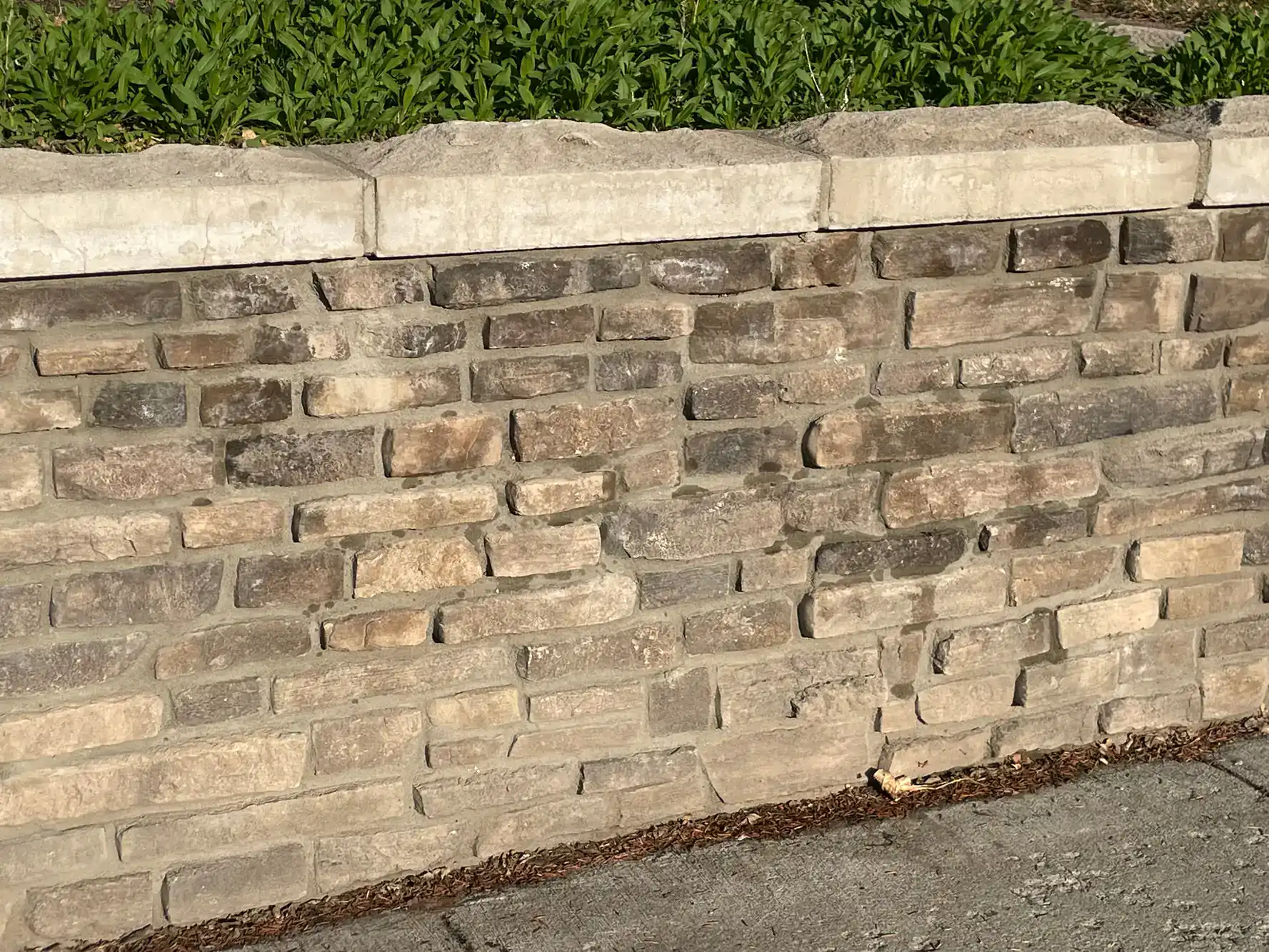
A stone retaining wall made of rectangular, tan and brown bricks supports a raised bed with green plants. Sunlight casts shadows on the textured wall and gray sidewalk below.

Hear from Our Customers

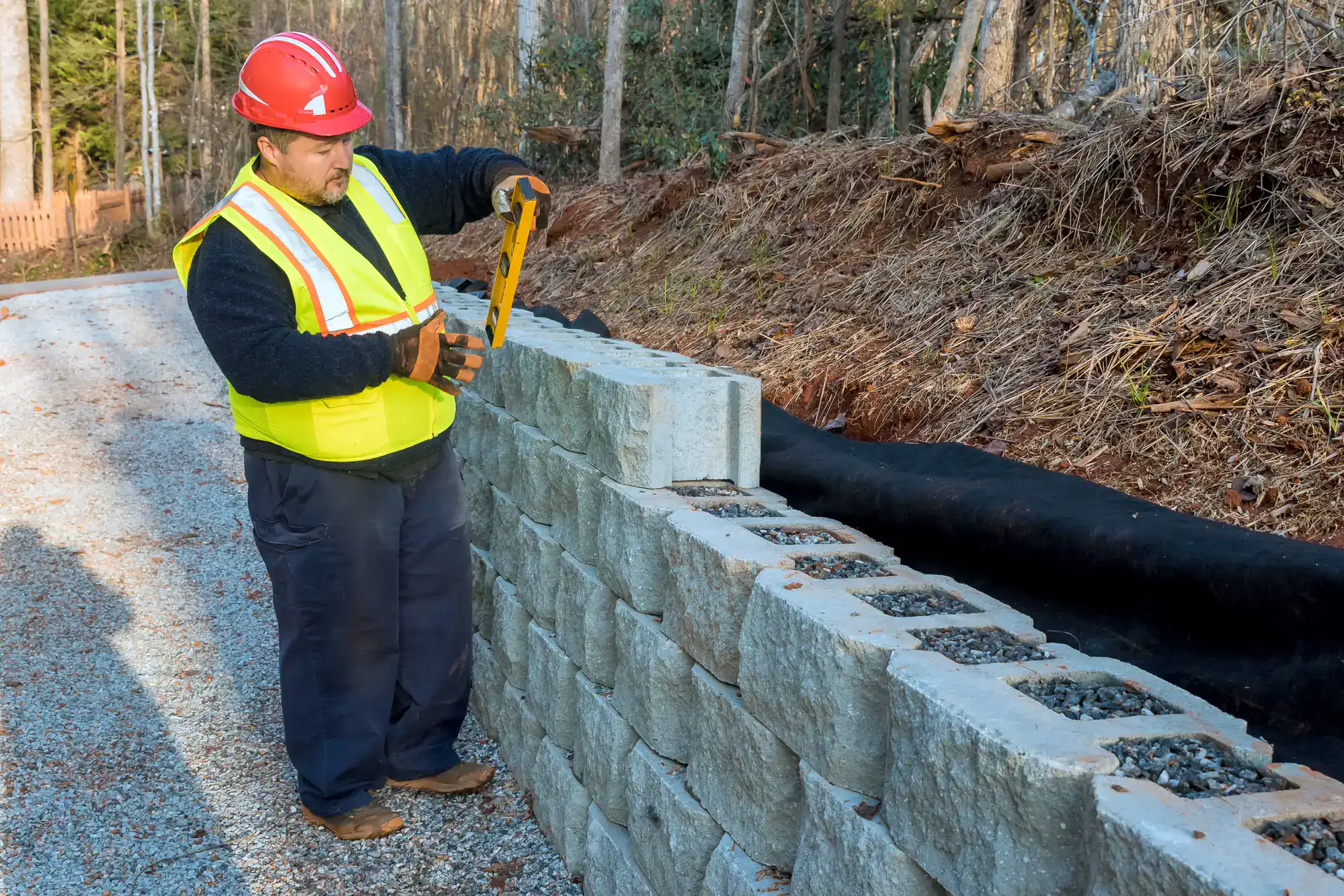
A construction worker in a yellow safety vest and red helmet uses a level to check concrete blocks while building a retaining wall next to a gravel road and a slope with trees.

East Islip Retaining Wall Installation

Turn Sloped Yards Into Usable Space
Your sloped property doesn’t have to limit your outdoor plans. A properly built retaining wall transforms challenging terrain into functional space while protecting your home’s foundation from Long Island’s unpredictable weather patterns. Sandy soil and coastal storms create unique challenges that require specialized construction approaches. When your retaining wall is engineered for East Islip’s conditions, it stops soil erosion before it threatens your property and creates stable ground where you can actually build the outdoor space you want. The right retaining wall installation adds up to 15% to your property value while solving drainage issues that could cost thousands in foundation repairs down the road.

Licensed East Islip Masonry Contractor

Local Expertise You Can Count On
We’ve been serving East Islip and Suffolk County with specialized masonry solutions designed for Long Island’s unique conditions. Owner Iain Traynor brings union masonry experience and stays directly involved in every project from estimate to completion. We’re licensed in Suffolk County (#HI-62761) and Nassau County (#167041), and we hold certifications from leading manufacturers including Cambridge, Techo-Bloc, and Unilock. This means your retaining wall meets both local building standards and manufacturer specifications for long-term performance. East Islip properties face specific challenges from sandy soil composition, high water tables, and coastal weather exposure that many contractors don’t fully understand. We address these conditions with proper excavation depths, specialized drainage systems, and materials proven to handle freeze-thaw cycles.
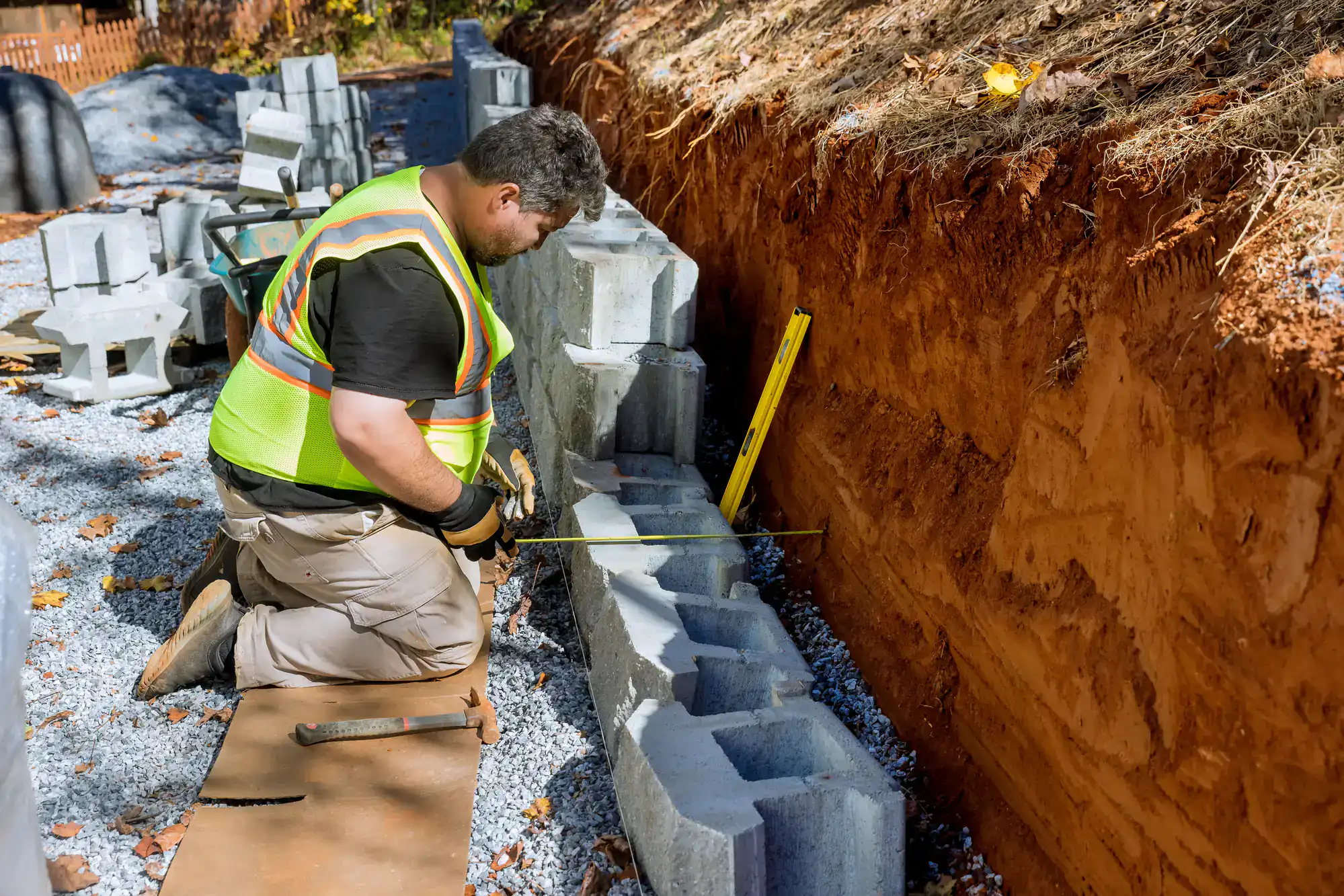
A construction worker in a safety vest kneels on gravel, measuring concrete blocks as he builds a retaining wall beside an exposed dirt slope. Tools and blocks are scattered around the worksite.

Retaining Wall Installation Process East Islip

Built Right From Foundation Up
Every retaining wall project starts with an in-person site evaluation to assess your property’s specific soil conditions, drainage patterns, and grade requirements. This isn’t a quick look-over—it’s a thorough analysis of what your East Islip property needs to perform reliably for decades. We excavate 30-36 inches deep to reach below Long Island’s frost line, preventing frost heave that causes wall failure over time. The foundation preparation includes crushed stone base material with proper compaction, creating stable support that accommodates sandy soil characteristics. During construction, we install proper drainage systems with crushed stone backfill and drainage pipes positioned at correct heights. Filter fabric prevents soil migration while maintaining water flow. Each course is carefully leveled and secured according to manufacturer specifications, with edge restraints installed to prevent shifting.
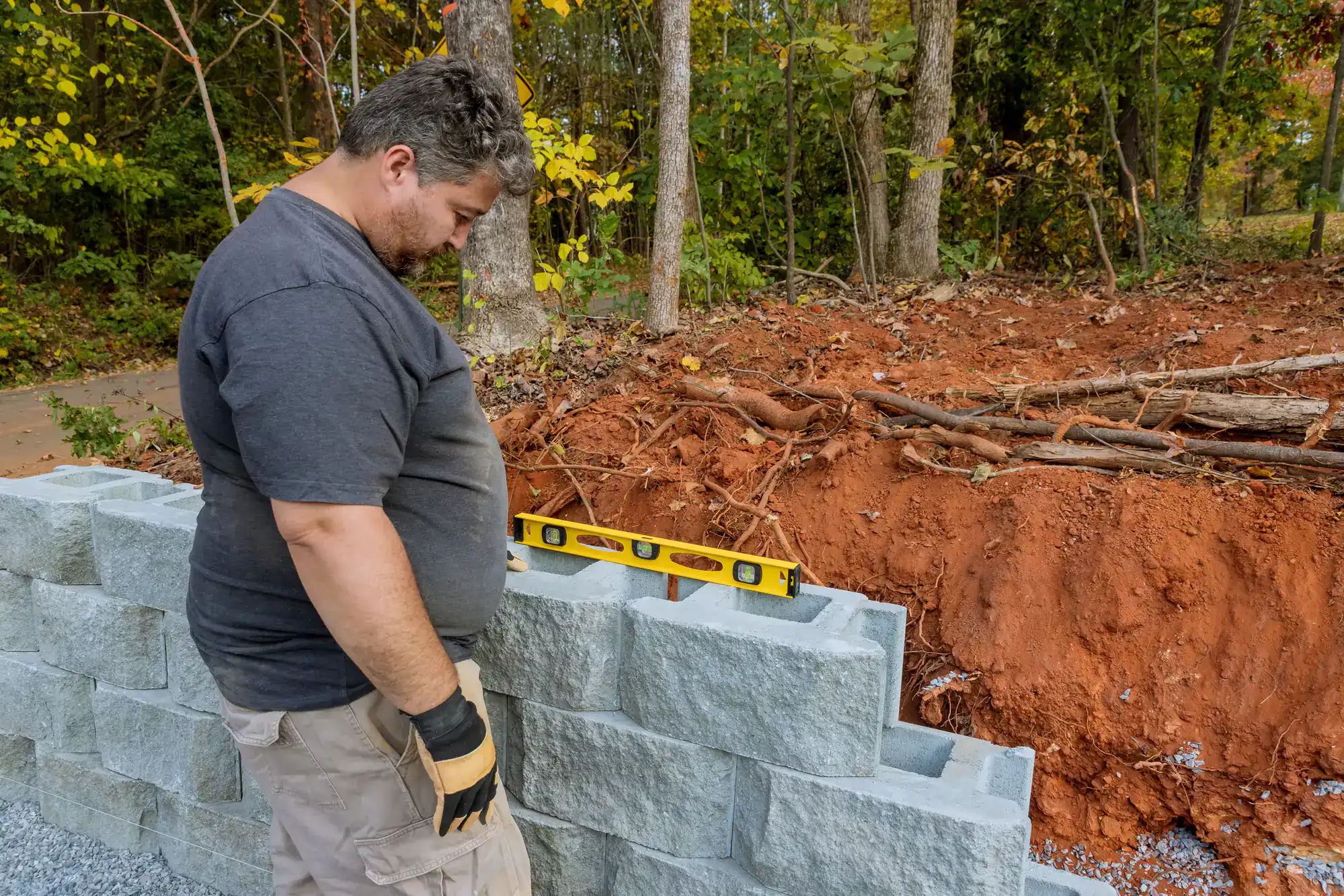
A man wearing gloves checks the level of a gray stone retaining wall with a yellow spirit level, next to a dirt embankment and forested area.

Ready to get started?

Explore More Services

About Stone Escapes Masonry & Outdoor Design

Get a Free Consultation

East Islip Retaining Wall Materials

Materials Engineered for Coastal Conditions
Long Island’s coastal environment demands materials that can handle salt air exposure, storm surge considerations, and freeze-thaw cycles. We use segmental block systems from certified manufacturers that perform reliably in sandy soil conditions while providing the aesthetic appeal East Islip homeowners expect. Interlocking concrete systems dominate local retaining wall projects because they offer versatility and proven performance in coastal conditions. These systems allow for proper drainage integration while maintaining structural integrity during heavy storms and seasonal ground movement. Natural stone options provide timeless appeal but require specialized installation techniques for Long Island conditions. Proper mortar selection and joint design ensure coastal weather won’t compromise the wall’s structural integrity. Each material choice considers both immediate performance needs and long-term maintenance requirements specific to East Islip’s environment.
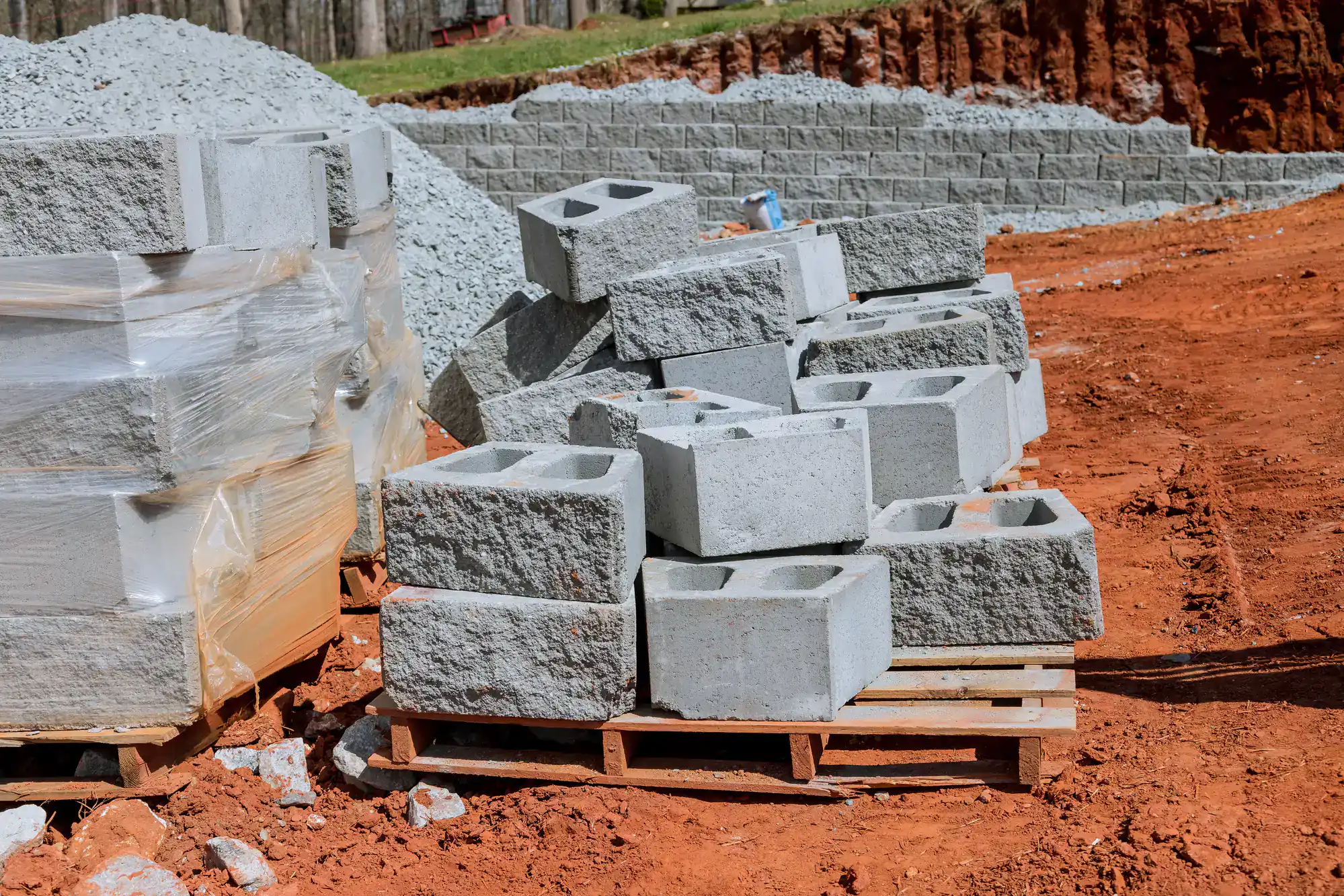
A stack of concrete cinder blocks is arranged on wooden pallets at a construction site with red soil and gravel. Wrapped blocks and a partially built stone retaining wall are visible in the background.

How deep should retaining wall foundations be in East Islip?

Retaining wall foundations in East Islip must extend 30-36 inches deep to reach below Long Island’s frost line and prevent frost heave damage. Sandy soil conditions require specialized base preparation with crushed stone and proper compaction. The depth isn’t just about frost protection—it’s about creating stable support in soil that drains quickly but shifts easily. Shallow foundations in sandy soil lead to settlement issues and wall failure, especially during heavy storms when ground saturation increases lateral pressure. Proper foundation depth also allows for adequate drainage system installation. The drainage components need space below the frost line to function effectively year-round without being compromised by freezing temperatures.
Poor drainage is the leading cause of retaining wall failure on Long Island, creating hydrostatic pressure that can crack, lean, or collapse structures. Sandy soil drains quickly but becomes saturated during nor’easters and hurricanes, causing dangerous soil movement. Inadequate foundation depth compounds drainage problems because walls built above the frost line experience heaving during freeze-thaw cycles. This movement creates gaps in drainage systems and allows water buildup behind the wall. Coastal conditions also bring salt air exposure and storm surge considerations that many standard materials can’t handle long-term. Walls built without considering these factors deteriorate faster and require costly repairs or complete replacement within just a few years.
Retaining wall costs in East Islip typically range from $54-$58 per square foot, depending on materials, site conditions, and wall height. Interlocking block systems generally cost $25-$48 per square foot, while natural stone options range $36-$60 per square foot. Site-specific factors significantly impact final costs. Properties with challenging access, existing walls requiring removal, or complex drainage needs will be on the higher end of pricing ranges. Sandy soil conditions may reduce excavation costs but require specialized backfill materials. Engineering requirements for walls over 4 feet add $500-$2,000 to project costs, but this investment prevents dangerous failures and ensures code compliance. Proper installation and drainage are more important than material choice for long-term value and performance.

Most municipalities require permits for retaining walls over 3-4 feet tall, with costs ranging $50-$450 depending on wall size and location. Suffolk County has specific requirements for structures affecting drainage patterns and property lines. Permit applications should include engineering plans for walls over 4 feet, soil analysis, and drainage system details. Local building departments review these plans to ensure compliance with safety standards and environmental regulations specific to coastal areas. Working with us as your licensed contractor familiar with East Islip permit requirements streamlines the approval process. We handle permit applications, coordinate inspections, and ensure all work meets local building codes and manufacturer specifications.
Properly constructed retaining walls last 50-100+ years in Long Island conditions when built with appropriate materials and drainage systems. Lifespan depends heavily on installation quality, material choice, and maintenance rather than just weather exposure. Segmental block systems with proper drainage typically outlast poured concrete or wood options in coastal environments. The interlocking design allows for minor ground movement without compromising structural integrity, while modular construction makes repairs easier if needed. Regular maintenance includes clearing drainage outlets, checking for settlement or cracking, and addressing vegetation growth between blocks. Annual inspections help identify small issues before they become expensive problems requiring wall reconstruction.
Segmental interlocking block systems perform best in Long Island’s sandy soil conditions because they accommodate ground movement while maintaining structural integrity. These systems allow proper drainage integration and use gravity-based design principles that work well with sandy soil characteristics. Sandy soil’s excellent drainage properties reduce hydrostatic pressure, but the soil’s tendency to shift requires flexible wall systems rather than rigid poured concrete. Interlocking blocks can adjust to minor settlement without cracking or failing. Natural stone walls also perform well in sandy conditions when properly constructed with adequate drainage. However, they require more specialized installation techniques and typically cost more than segmental block systems while providing similar performance benefits.