
Hear from Our Customers
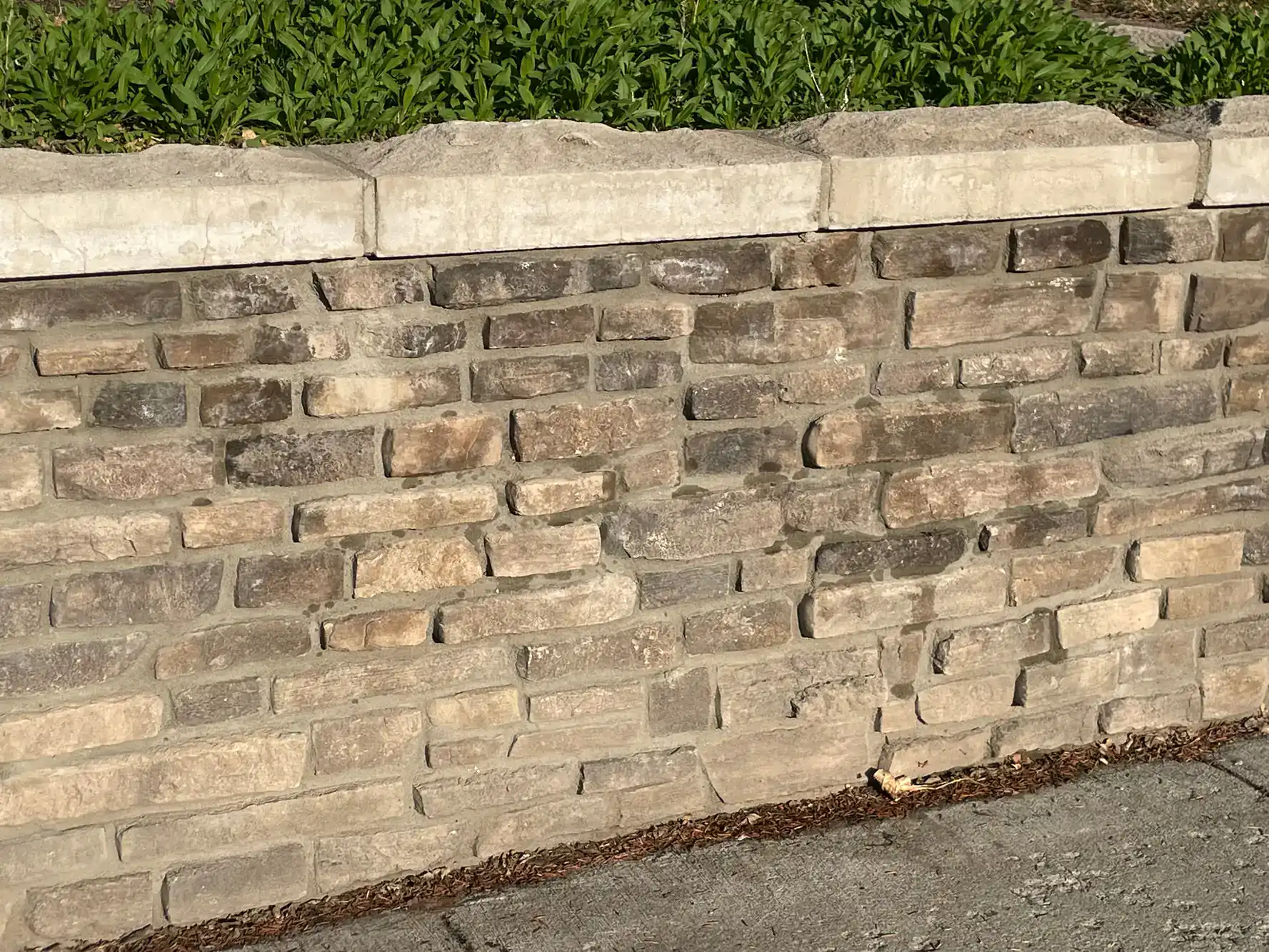
You walk your property after the worst storm of the season and see exactly what you want: your retaining wall standing strong, your landscape intact, and no soil washing away. Your investment is protected, your usable space is stable, and your property value is secure.
That’s what happens when your retaining wall is built right for East Hampton’s coastal conditions. Not just during occasional heavy rain, but year after year through Long Island’s wettest seasons and freeze-thaw cycles.
Your landscape becomes the functional, beautiful space you envisioned—not a source of stress every time weather hits.
Stone Escapes has been solving retaining wall challenges for East Hampton homeowners who need solutions that actually work in coastal conditions. We understand how sandy soil, high water tables, and seasonal changes affect wall construction here.
Owner Iain Traynor brings union masonry experience and personally handles every estimate and job site. We’re licensed in East Hampton (#9808), Southampton, Nassau, and Suffolk Counties—not just passing through, but established locally.
Most wall problems in East Hampton aren’t dramatic failures—they’re gradual issues from contractors who don’t understand coastal drainage and soil movement. We’ve seen what works and what doesn’t in these specific conditions.
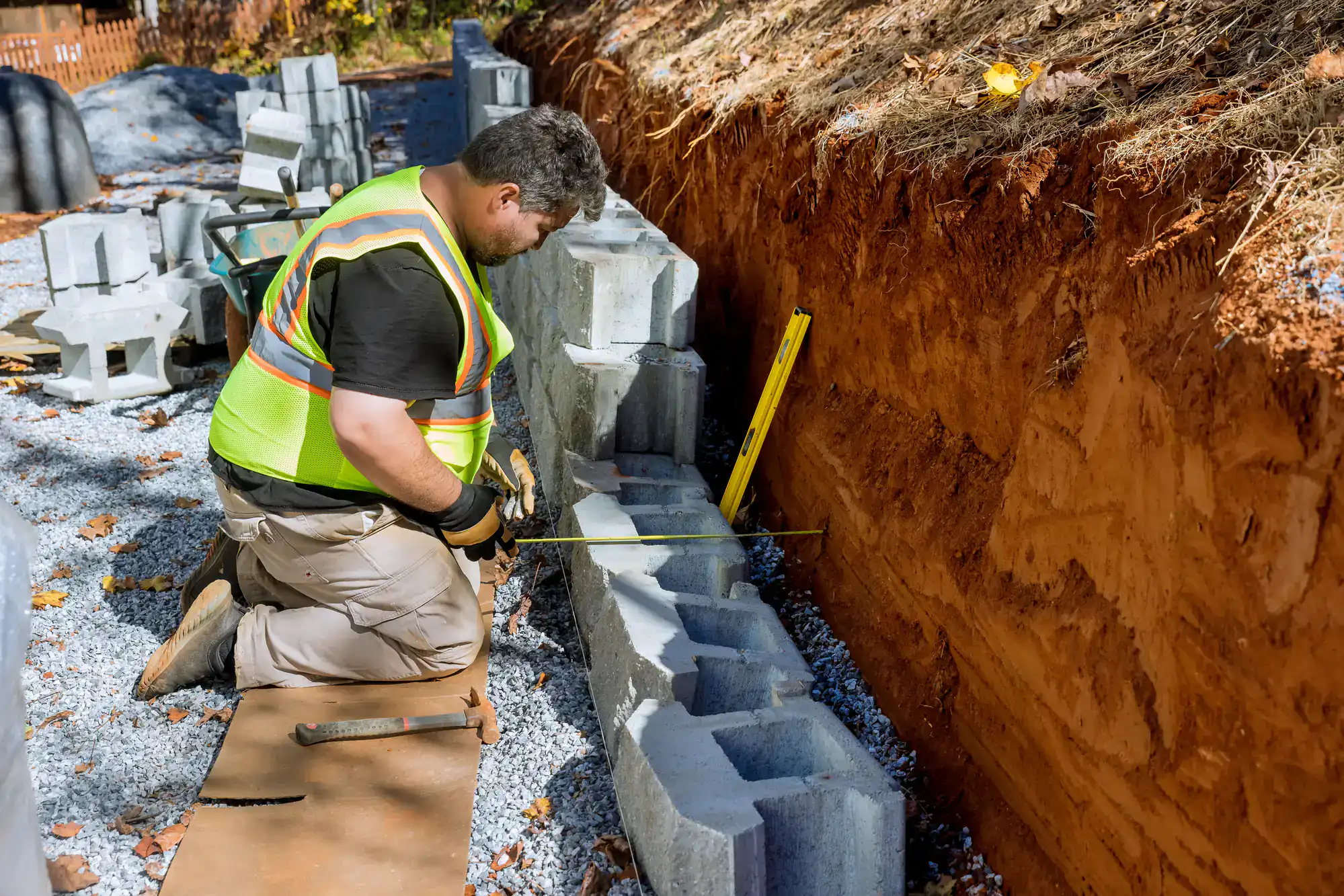
First, we assess your specific site conditions—soil type, drainage patterns, and slope requirements. East Hampton properties need deeper foundations (30-36 inches) to reach below the frost line and handle sandy soil movement.
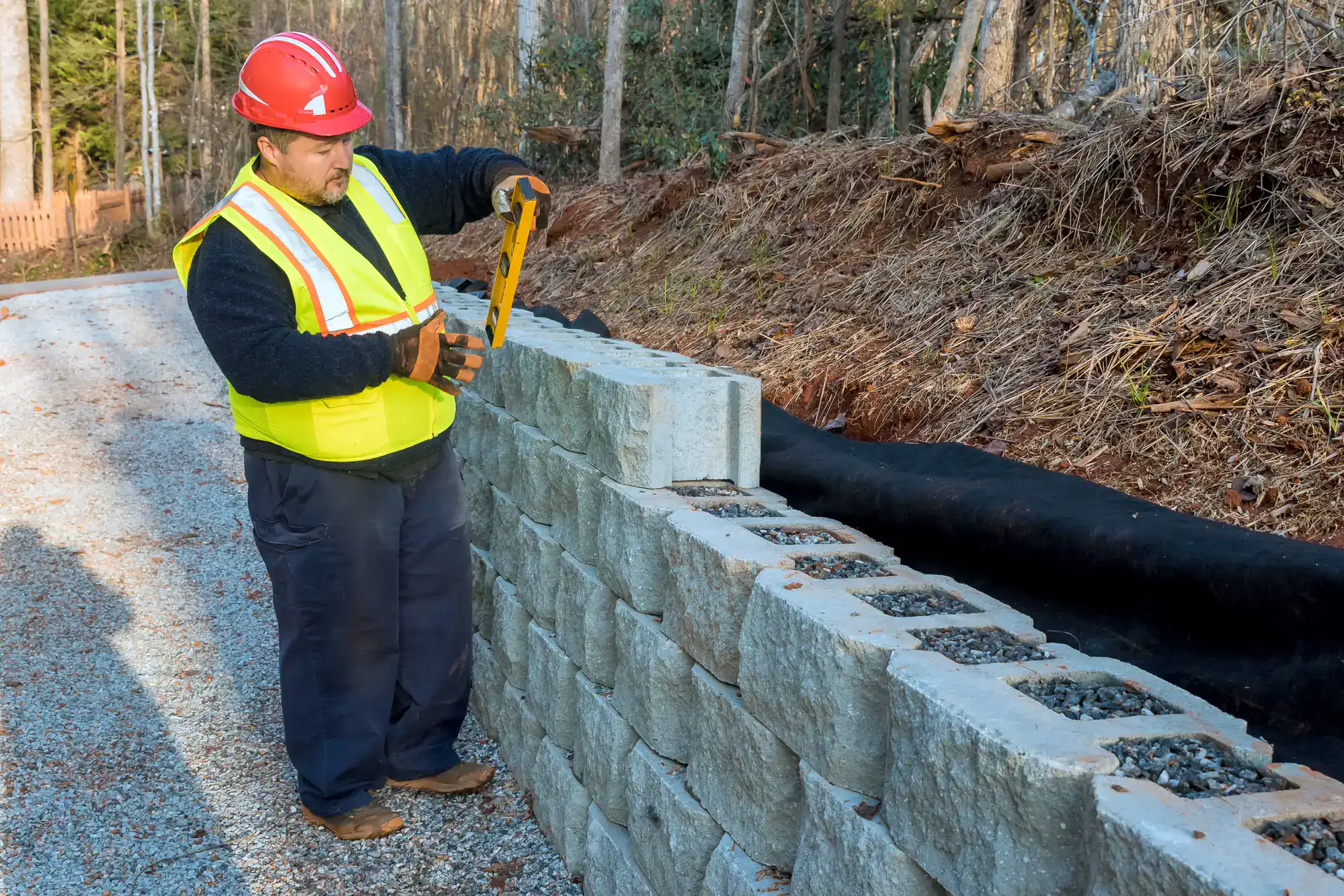
Next, we excavate to proper depth and install the base system with appropriate drainage. This isn’t generic construction—we account for coastal moisture, water table fluctuations, and the freeze-thaw cycles that affect Long Island properties.
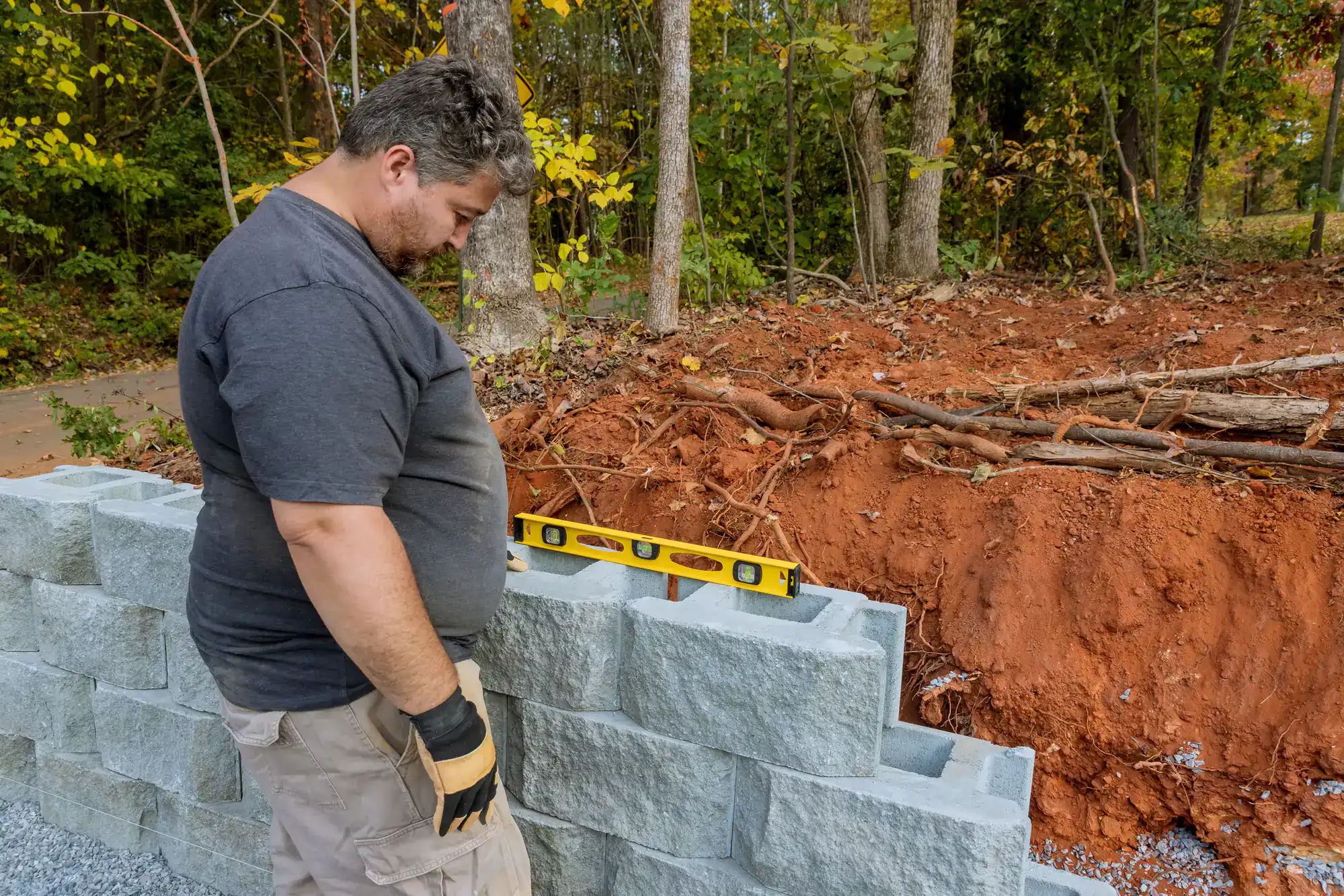
Then we build your wall using materials certified for coastal conditions—Cambridge, Techo-Bloc, Unilock, or Nicolock systems that accommodate slight soil movement while maintaining structural integrity. Every wall includes proper drainage to prevent water pressure buildup that causes failures.
Ready to get started?
Your retaining wall installation includes site assessment, proper excavation, foundation preparation, drainage system installation, and wall construction using manufacturer-certified materials. We handle permitting requirements specific to East Hampton when needed.
Every project addresses East Hampton’s unique challenges: sandy soil that drains well but requires specialized base preparation, coastal moisture that demands proper drainage systems, and seasonal water table changes that affect foundation requirements.
We use materials from established manufacturers like Cambridge, Techo-Bloc, and Unilock—systems designed to handle Long Island’s conditions. Your wall gets proper edge restraint, drainage planning, and base layering to reduce shifting or cracking over time.
In East Hampton, retaining wall foundations typically need to be 30-36 inches deep to reach below the frost line and provide stability in sandy soil conditions. This depth accounts for Long Island’s freeze-thaw cycles that can cause shallow foundations to shift or heave.
The sandy soil composition here drains well, which is good for preventing water buildup, but it also means foundations need to be deeper and wider than in areas with clay soil. We excavate to proper depth and use appropriate base materials to ensure your wall stays stable through seasonal changes.
East Hampton’s coastal location also means dealing with higher water tables and seasonal fluctuations, so proper depth and drainage become even more critical for long-term performance.
East Hampton retaining walls need comprehensive drainage systems because of coastal moisture, seasonal water table changes, and storm-driven rain that create consistent pressure against walls. Without proper drainage, water buildup causes hydrostatic pressure that can bow, crack, or collapse walls.
We install perforated drainage pipes at the wall’s base, use proper gravel backfill, and include weep holes to channel water away from the structure. This prevents the water pressure that causes most retaining wall failures in coastal areas.
The drainage system also needs to direct water away from your property’s foundation and not create erosion issues elsewhere. We design each system for your specific site conditions and East Hampton’s regulatory requirements.
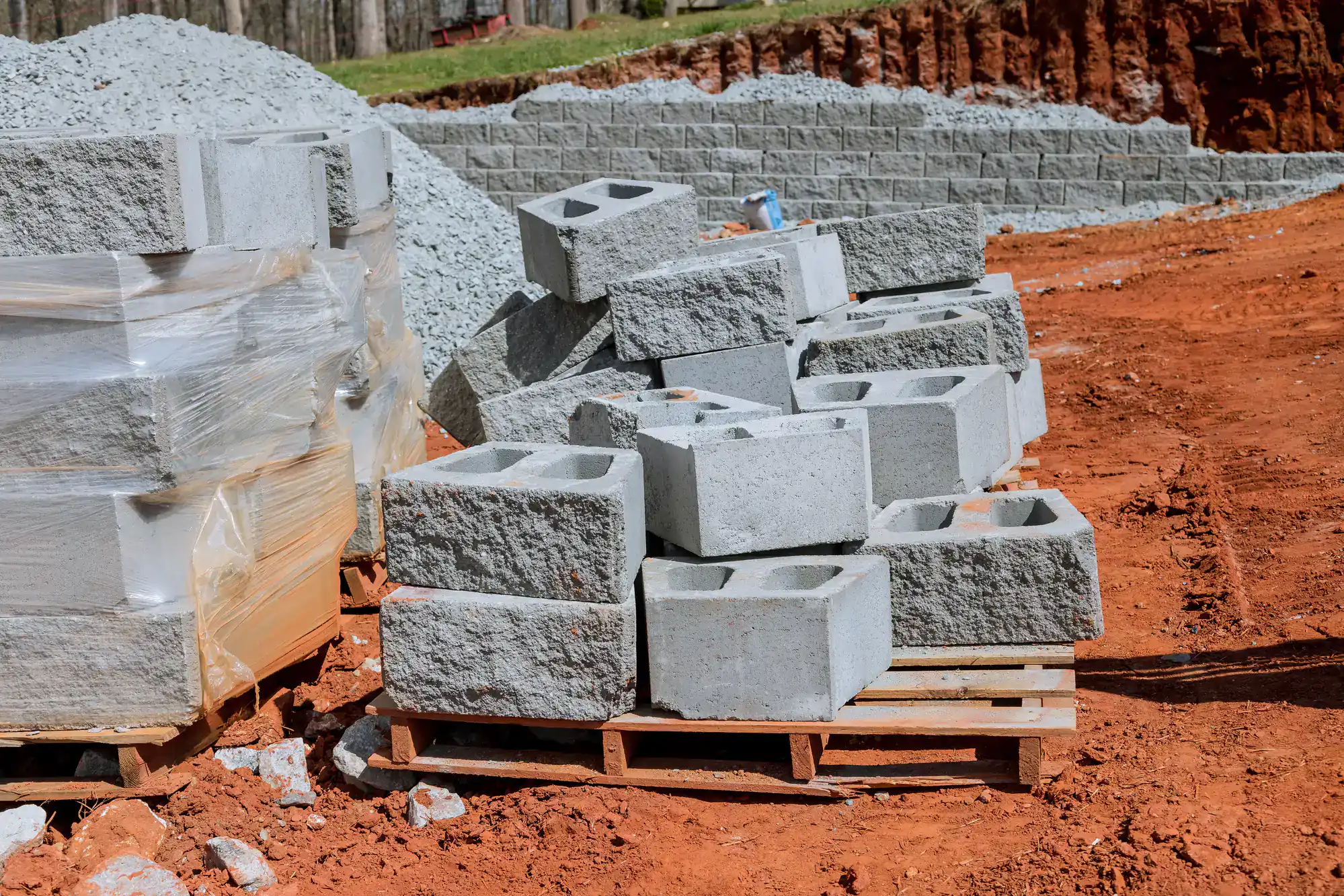
Segmental block systems from manufacturers like Cambridge, Techo-Bloc, and Unilock work exceptionally well for East Hampton properties because they accommodate slight movement in sandy soil while maintaining structural integrity. These interlocking systems handle coastal conditions better than rigid materials.
Natural stone walls also perform well here and complement East Hampton’s architectural styles, but they require more specialized installation to handle soil movement. Concrete block systems offer durability and can be designed with proper drainage for coastal conditions.
The key is choosing materials that can flex slightly with soil movement rather than rigid systems that crack when sandy soil shifts. We select materials based on your specific site conditions, aesthetic preferences, and budget requirements.
East Hampton typically requires permits for retaining walls over 3-4 feet in height, with costs ranging from $50 to $450 depending on the wall size and location. Walls in coastal erosion hazard areas may have additional requirements under East Hampton’s coastal management regulations.
For walls over 4 feet, you’ll usually need structural engineering to ensure the design meets safety codes and handles local soil conditions. Engineering fees range from $500 to $2,000+ depending on project complexity, but they’re essential for preventing dangerous failures.
We handle permit applications as part of our service and know East Hampton’s specific requirements for retaining walls, including any restrictions related to coastal erosion management or bluff protection ordinances that might affect your project.
Properly constructed retaining walls in East Hampton typically last 20-50+ years, depending on materials and installation quality. The coastal environment with salt air, moisture, and freeze-thaw cycles can be challenging, but the right materials and construction methods ensure long-term performance.
Segmental block systems and natural stone walls tend to perform best in coastal conditions because they can accommodate slight soil movement without failing. Poor drainage causes most premature failures, which is why proper installation with comprehensive drainage systems is critical.
Regular inspection after major storms and keeping drainage systems clear helps maximize lifespan. We build walls to handle East Hampton’s specific conditions, including seasonal water table changes and coastal weather patterns that affect Long Island properties.
Retaining wall installation in East Hampton typically costs $25-60 per square foot, depending on materials, height, site conditions, and drainage requirements. Segmental block systems usually fall in the $25-45 range, while natural stone can be $40-60+ per square foot.
East Hampton’s coastal conditions often require additional drainage work and deeper foundations, which can affect total project costs. Site access, soil conditions, and permit requirements also influence pricing. Complex sites with poor access or challenging drainage needs cost more.
We provide detailed estimates that account for your specific site conditions and East Hampton’s requirements. The investment protects your property from erosion damage and can increase property values by up to 15%, making it worthwhile for most homeowners.