Retaining Wall Contractor East Hampton North

Stop Losing Soil, Start Using Space

Turn your sloped East Hampton North property into stable, usable outdoor space with retaining wall contractor expertise that understands Long Island’s sandy soil and coastal conditions.
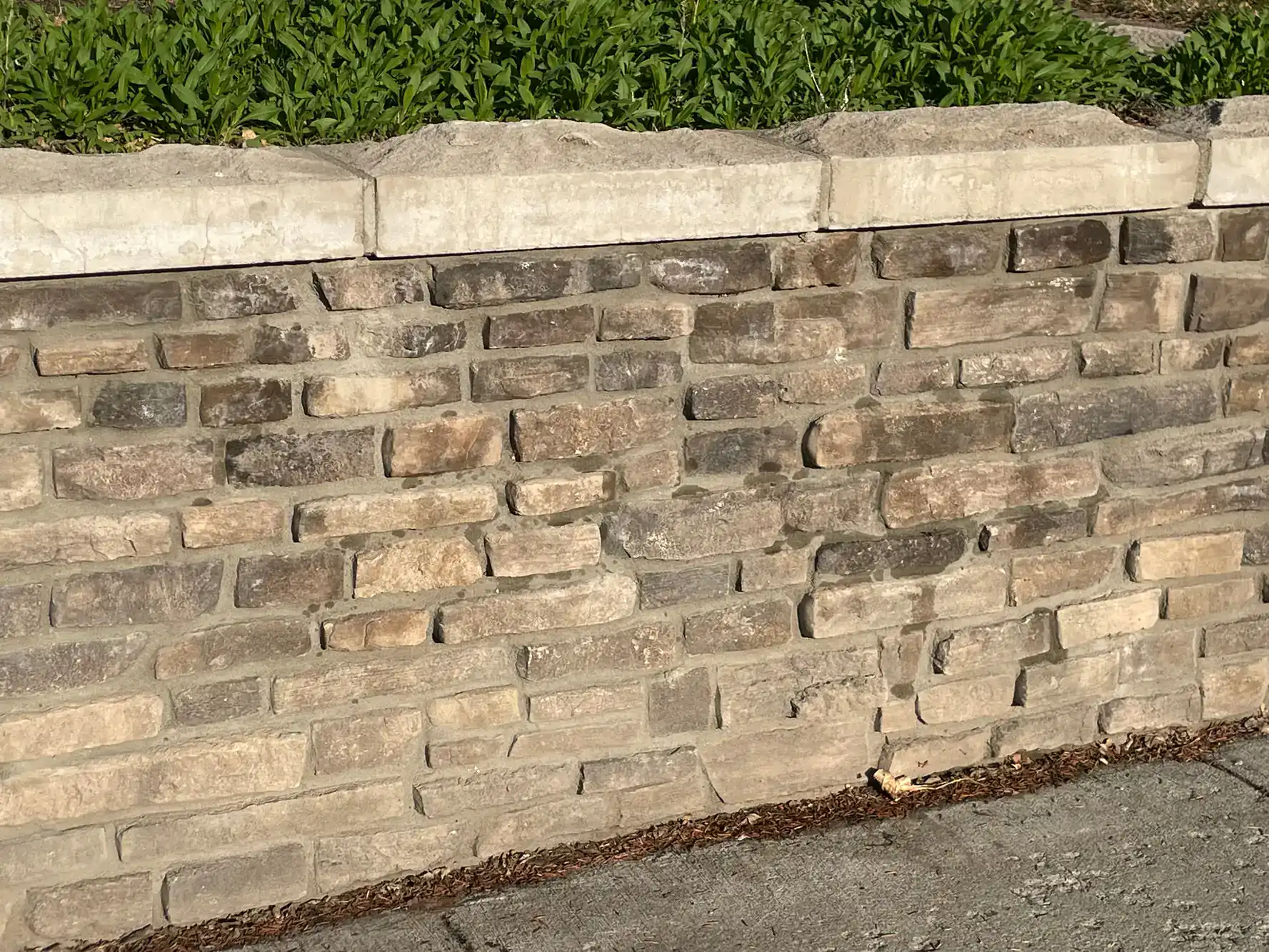
A stone retaining wall made of rectangular, tan and brown bricks supports a raised bed with green plants. Sunlight casts shadows on the textured wall and gray sidewalk below.

Hear from Our Customers

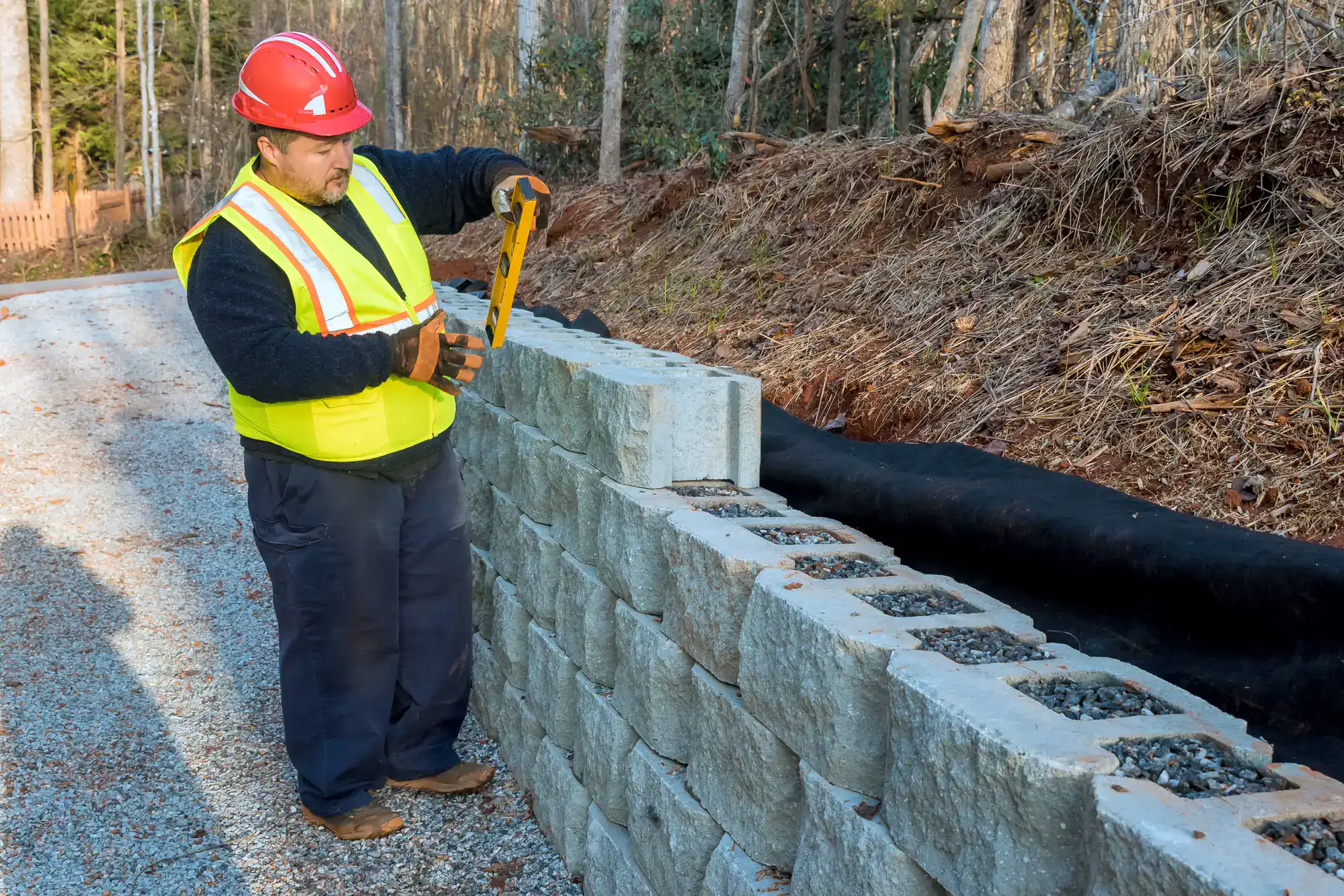
A construction worker in a yellow safety vest and red helmet uses a level to check concrete blocks while building a retaining wall next to a gravel road and a slope with trees.

Stone Wall Installer East Hampton North

Protect Your Property While Creating Space
Your East Hampton North property stops losing soil to erosion and starts gaining functional outdoor areas. No more watching valuable topsoil wash away after every storm or dealing with unusable sloped terrain that limits your landscape options. Instead, you get stable ground that holds its position through Long Island’s freeze-thaw cycles and coastal weather. Your new retaining wall creates level areas perfect for patios, gardens, or simply safer access around your property. The drainage issues that once threatened your foundation become properly managed through integrated systems designed for our sandy soil conditions. Your investment protects what you’ve built while expanding how you can use your outdoor space.

Retaining Wall Specialist East Hampton North

Long Island Expertise Since Day One
We’ve been solving East Hampton North’s unique retaining wall challenges with owner Iain Traynor’s hands-on approach to every project. His background in carpentry and union masonry work means your wall gets built right the first time. We’re licensed across Suffolk and Nassau Counties, including East Hampton, because we understand how Long Island’s sandy soil, high water tables, and coastal exposure affect wall construction. Our team knows the difference between a generic retaining wall and one designed for your specific conditions. Every estimate happens in person, and communication stays direct throughout your project. No automated systems or middlemen—just consistent crews who know your job and an owner who stays involved from planning through completion.
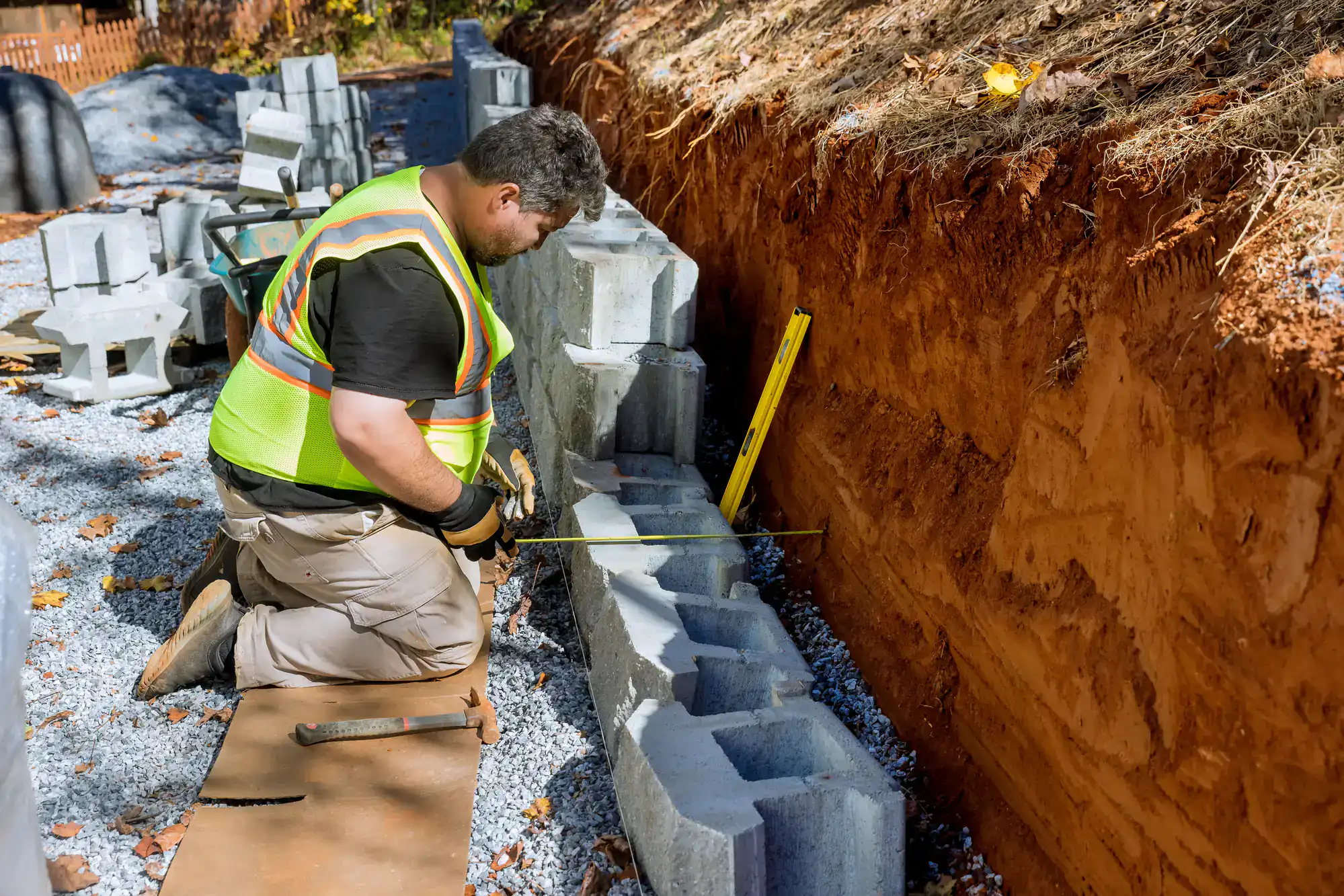
A construction worker in a safety vest kneels on gravel, measuring concrete blocks as he builds a retaining wall beside an exposed dirt slope. Tools and blocks are scattered around the worksite.

Retaining Wall Installation East Hampton North

Built Right for Long Island Conditions
Your project starts with an in-person assessment where we examine your soil conditions, drainage patterns, and slope challenges. We measure everything and discuss exactly what your retaining wall needs to accomplish for your specific East Hampton North property. Next comes proper preparation—excavating 8 to 10 inches deep to reach stable ground, installing the base materials that work with our sandy soil, and setting up drainage systems that prevent water buildup behind your wall. This foundation work determines how well your wall performs for decades. Construction follows Long Island-specific techniques that account for freeze-thaw cycles and coastal moisture. We use manufacturer-certified materials from Cambridge, Techo-Bloc, and Unilock, installed with edge restraints and proper backfill to prevent shifting or cracking over time.

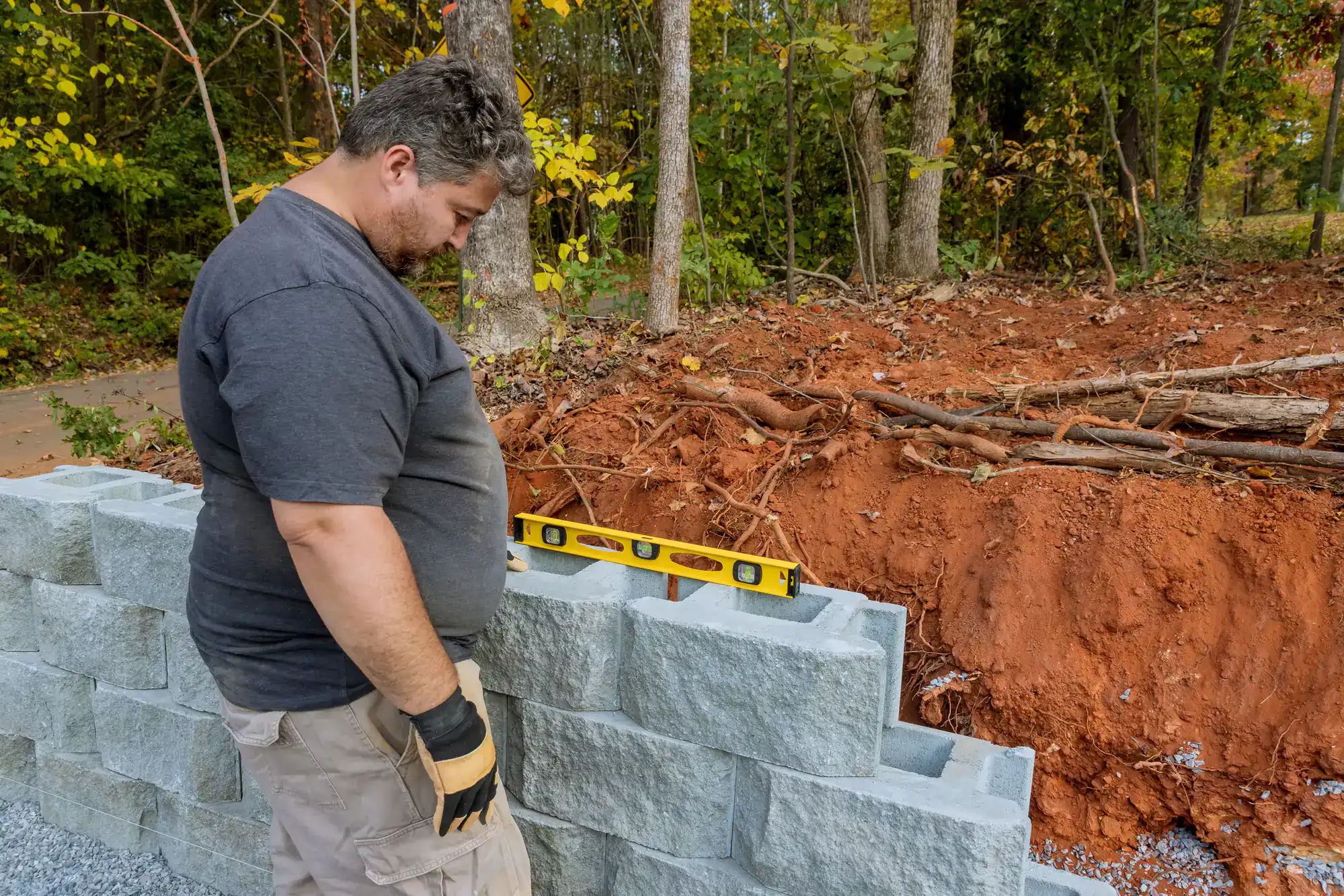
A man wearing gloves checks the level of a gray stone retaining wall with a yellow spirit level, next to a dirt embankment and forested area.

Ready to get started?

Explore More Services

About Stone Escapes Masonry & Outdoor Design

Get a Free Consultation

Stone Retaining Wall East Hampton North

What Your Project Includes
Your retaining wall installation includes proper excavation to Long Island’s frost line depth, engineered base preparation with drainage planning, and installation using certified materials designed for our coastal conditions. Every wall gets edge restraints and proper backfill to prevent movement. East Hampton North’s forested setting and proximity to Montauk Highway means your retaining wall often needs to handle both natural water flow and runoff from developed areas. We integrate drainage solutions that work with your property’s natural patterns while protecting against the seasonal water table fluctuations common in our area. The materials we select account for salt air exposure from our coastal location and the freeze-thaw cycles that can damage improperly constructed walls. Your finished project includes manufacturer warranties and our commitment to construction that holds up to Long Island’s specific environmental challenges.
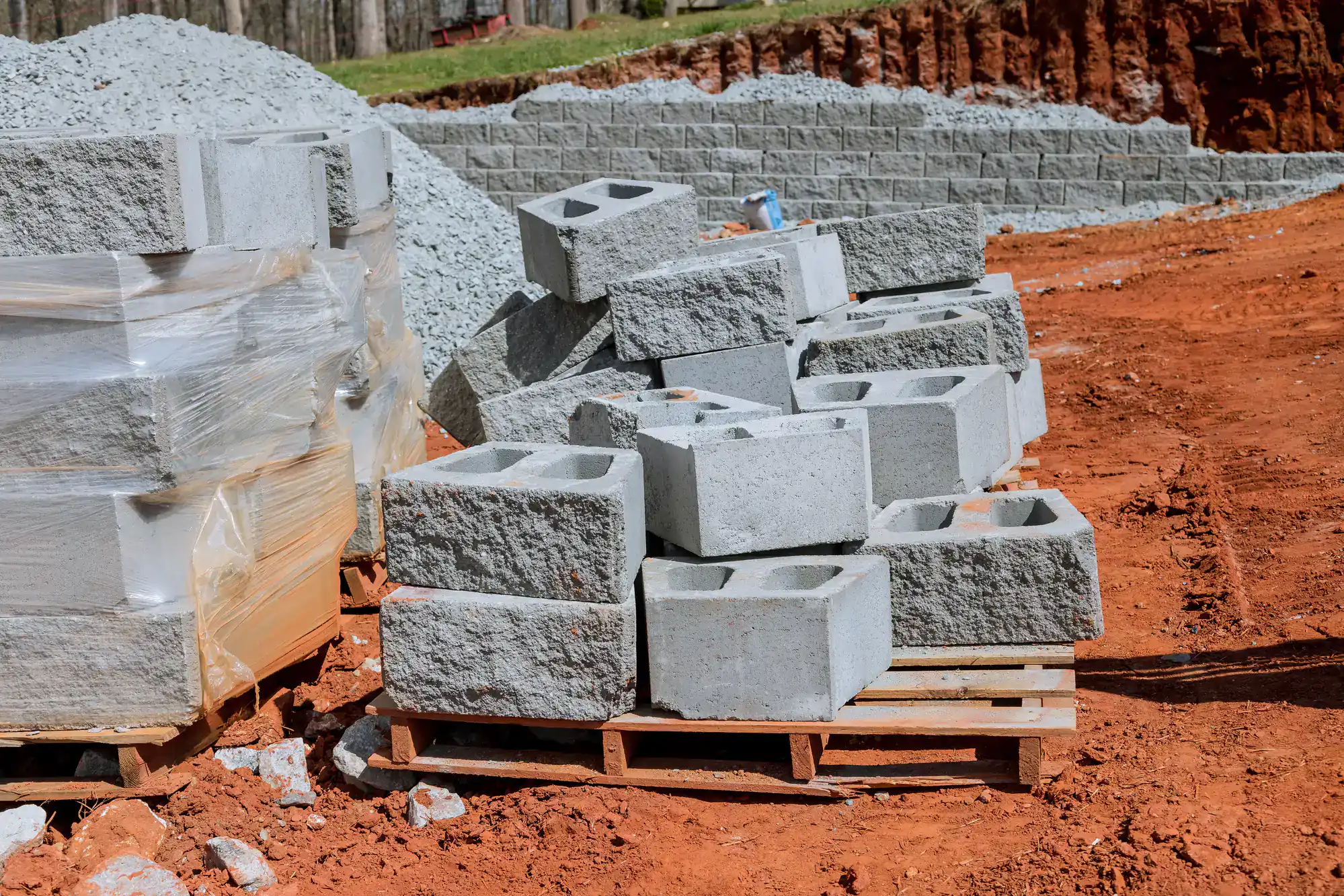
A stack of concrete cinder blocks is arranged on wooden pallets at a construction site with red soil and gravel. Wrapped blocks and a partially built stone retaining wall are visible in the background.

How deep do retaining walls need to be in East Hampton North?

Retaining walls in East Hampton North require foundations 30-36 inches deep to reach below Long Island’s frost line and provide stability in our sandy soil conditions. This depth prevents frost heave during winter months and ensures your wall stays level through seasonal ground movement. The excavation process also allows us to install proper drainage systems that work with East Hampton North’s high water table and seasonal fluctuations. We remove unstable soil and replace it with engineered base materials that provide consistent support for your wall structure. Shallow foundations might seem adequate initially, but they fail when Long Island’s freeze-thaw cycles cause ground movement. Proper depth costs more upfront but prevents expensive reconstruction later when inadequate foundations cause wall failure.
Long Island’s sandy soil composition, formed by glacial deposits, requires specialized construction techniques not needed in areas with clay or rocky soil. Our sandy soil drains well but needs deeper foundations and specific backfill materials to prevent settling over time. Coastal proximity brings salt air exposure and storm surge considerations that affect material selection and construction methods. We use corrosion-resistant materials and enhanced drainage systems designed for the moisture levels and weather patterns specific to East Hampton North’s location. The combination of high water tables, freeze-thaw cycles, and coastal weather creates conditions that standard retaining wall approaches can’t handle effectively. Our Long Island-specific techniques address these challenges through proper material selection, foundation depth, and drainage integration that works with local conditions rather than fighting them.
Most East Hampton North retaining wall projects take 3-7 days depending on wall height, length, and site conditions. Simple residential walls under 4 feet typically complete in 3-4 days, while larger structural walls requiring engineering may need a full week. Weather affects timing since proper curing requires dry conditions for base preparation and material installation. East Hampton North’s forested setting sometimes requires additional time for site access and material delivery compared to more open locations. We provide realistic timelines during your in-person estimate based on your specific site conditions and project requirements. Our consistent crews work efficiently while maintaining the quality standards necessary for Long Island’s challenging soil and weather conditions.
Retaining walls over 4 feet in height require permits and engineering in East Hampton North, following Suffolk County and local building codes. Walls under 4 feet typically don’t need permits but must still meet setback requirements of 3 feet from property lines. The permit process includes structural calculations, drainage plans, and site inspections to ensure your wall meets safety standards for Long Island’s soil conditions. We handle permit applications and coordinate inspections as part of our service for qualifying projects. Even non-permit walls benefit from professional installation that follows engineering principles. Proper construction techniques prevent future problems that could require expensive corrections or create liability issues with neighboring properties.
East Hampton North retaining walls require integrated drainage systems that handle both surface water and groundwater from our high water table conditions. We install drainage behind the wall using gravel backfill, perforated pipes, and outlet systems that direct water away from the structure. The forested environment around East Hampton North creates additional drainage challenges as tree roots and organic matter affect water flow patterns. Our drainage design accounts for seasonal leaf accumulation and root growth that could block standard systems over time. Proper drainage prevents hydrostatic pressure buildup that causes wall failure and protects your property’s foundation from water damage. We connect wall drainage to your property’s overall water management system, ensuring effective performance during Long Island’s heavy rain events and spring snowmelt periods.
Retaining wall costs in East Hampton North typically range from $35-65 per square foot depending on wall height, materials, and site conditions. Simple segmental block walls start around $35 per square foot, while natural stone or complex drainage situations increase costs toward the higher end. East Hampton North’s sandy soil sometimes reduces excavation costs compared to areas with rocky conditions, but the need for proper drainage systems and deeper foundations specific to Long Island adds to overall project investment. Site accessibility through forested areas may affect material delivery costs. We provide detailed written estimates during in-person consultations that break down material, labor, and site preparation costs specific to your project. Our pricing reflects the specialized techniques and quality materials necessary for Long Island’s challenging conditions, ensuring your investment provides decades of reliable performance.