Retaining Wall Contractor in Dix Hills, NY

Stop Erosion Before It Costs You Thousands

Get retaining walls built right for Long Island’s sandy soil and drainage challenges. Professional installation that protects your property investment.
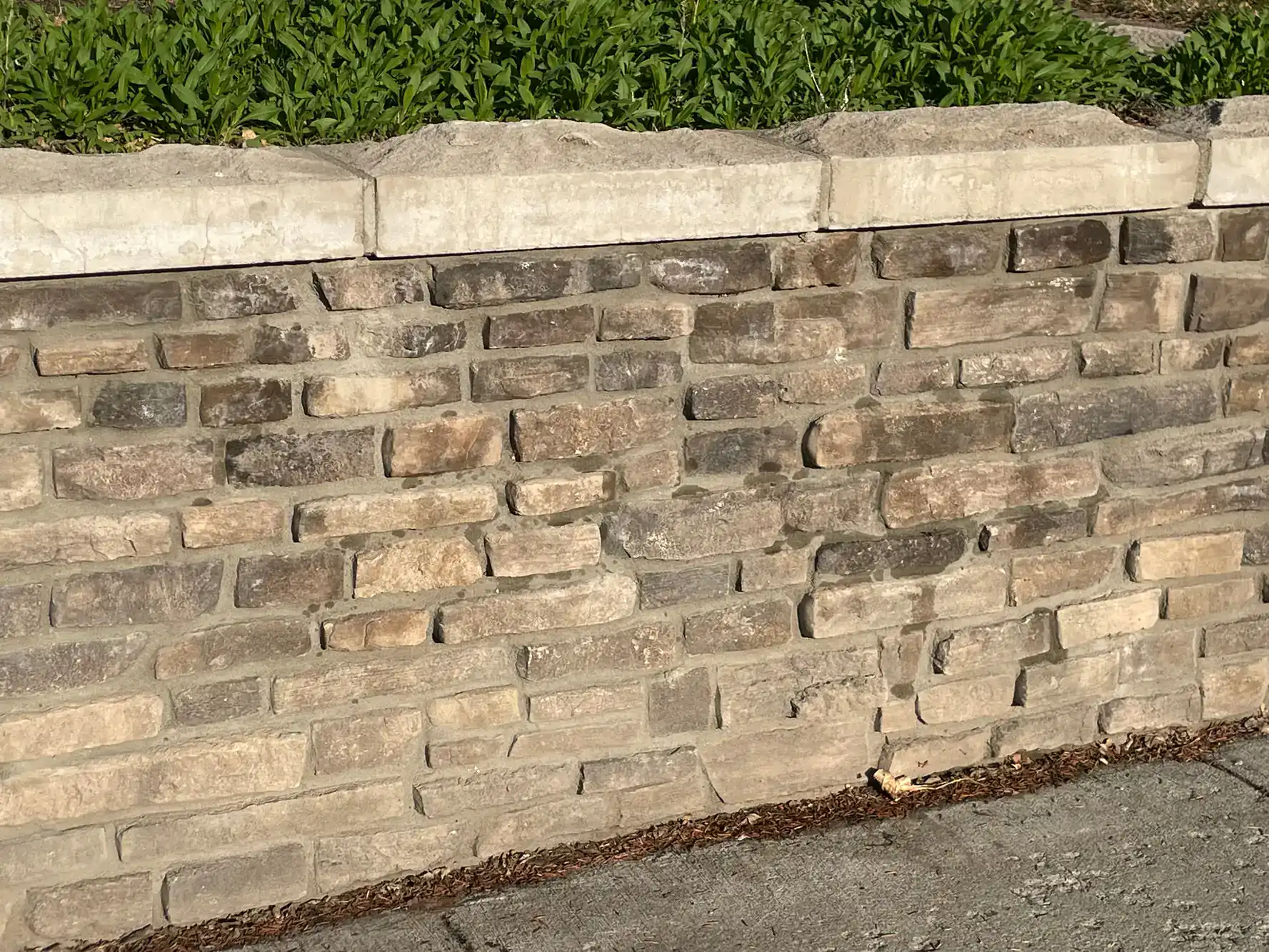
A stone retaining wall made of rectangular, tan and brown bricks supports a raised bed with green plants. Sunlight casts shadows on the textured wall and gray sidewalk below.

Hear from Our Customers

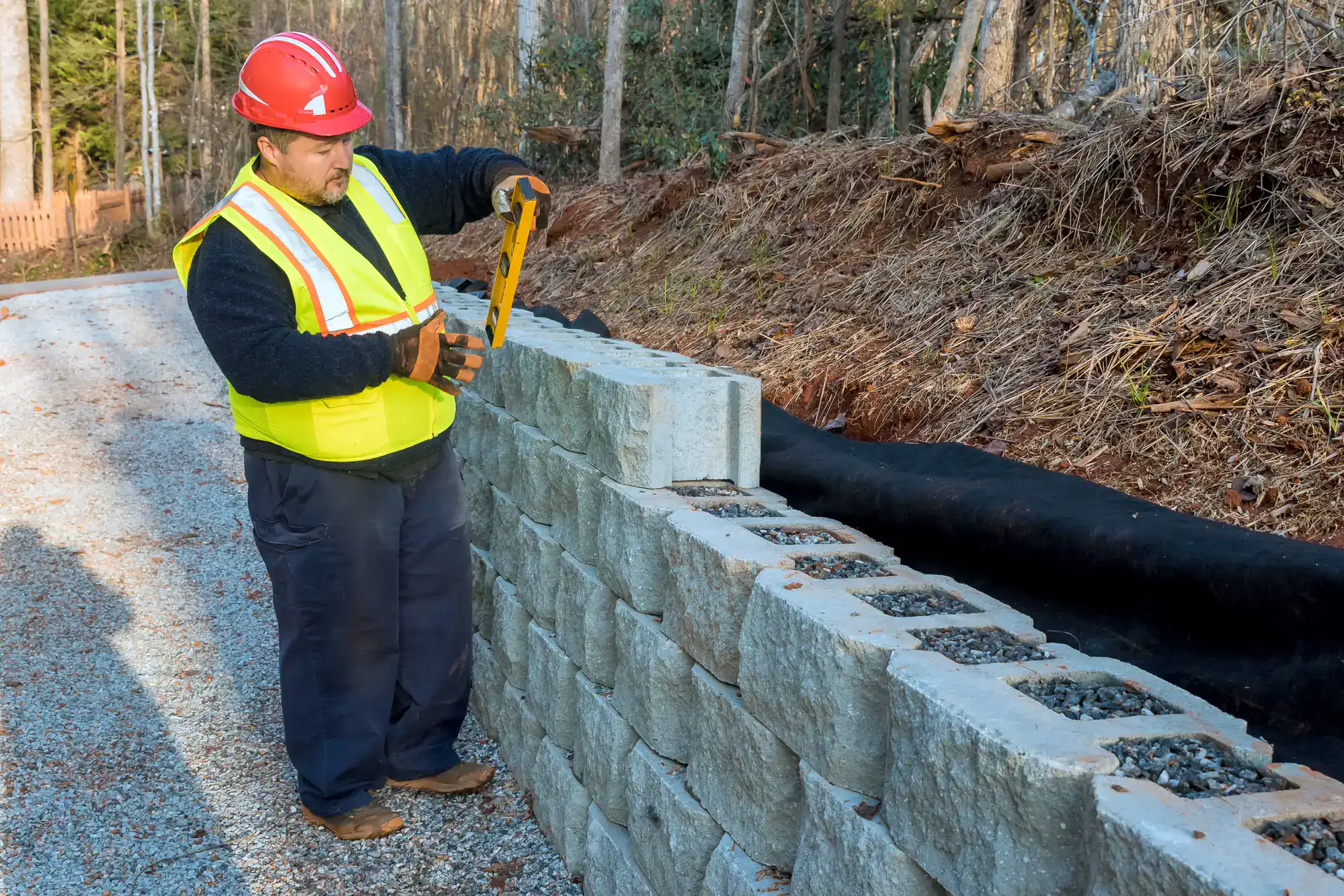
A construction worker in a yellow safety vest and red helmet uses a level to check concrete blocks while building a retaining wall next to a gravel road and a slope with trees.

Retaining Wall Installation Dix Hills NY

Turn Problem Slopes Into Usable Space
Your sloped yard doesn’t have to stay a headache. A properly built retaining wall stops soil erosion, prevents water damage to your foundation, and creates level areas you can actually use. You get outdoor space that works for entertaining, gardening, or just enjoying your property. No more watching topsoil wash away after every storm. No more worrying about drainage issues creeping toward your house. The right wall transforms what feels like wasted space into your favorite part of the property. And it protects the investment you’ve already made in your home.

Stone Wall Installer Dix Hills NY

Built for Long Island's Unique Conditions
We understand what works in Dix Hills, NY. Owner Iain Traynor brings union masonry experience and stays involved in every project from estimate to completion. We’re licensed across Suffolk and Nassau Counties because we know the local building codes, soil conditions, and drainage requirements that make or break a retaining wall on Long Island. Sandy soil and coastal weather demand specific techniques that inland contractors often miss. Your project gets the same crew from start to finish. No rotating teams, no guesswork about what happened yesterday. Direct communication with people who know your property and understand what you’re trying to accomplish.
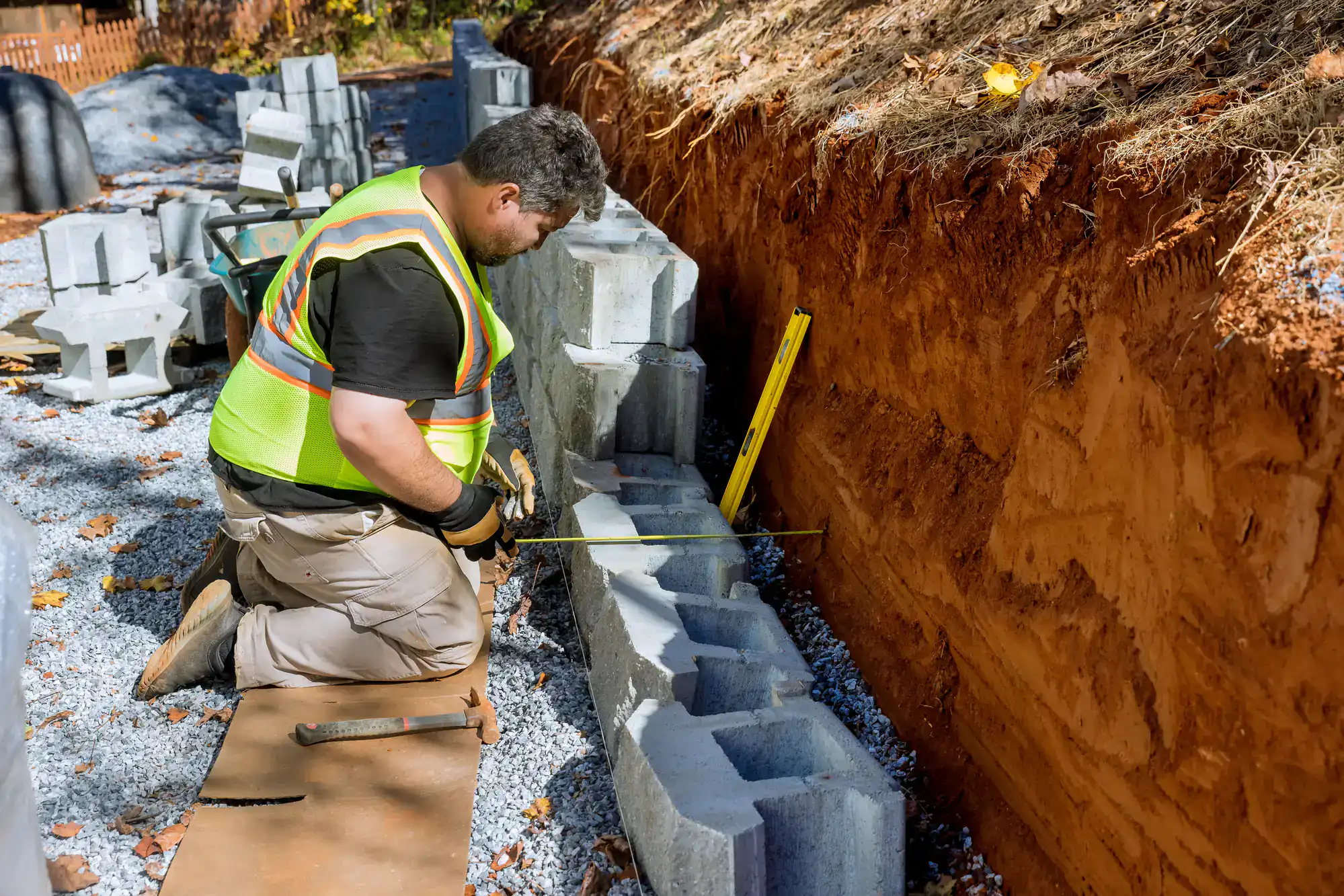
A construction worker in a safety vest kneels on gravel, measuring concrete blocks as he builds a retaining wall beside an exposed dirt slope. Tools and blocks are scattered around the worksite.

Retaining Wall Builder Dix Hills NY

How We Build Walls That Last Decades
Every retaining wall starts with proper excavation. We dig 8-10 inches deep and go below the frost line—typically 30-36 inches in Dix Hills—to prevent freeze-thaw damage that destroys walls over time. Next comes base preparation with proper drainage planning. We install crushed stone foundations and drainage systems that handle Long Island’s sandy soil and high water tables. This prevents the hydrostatic pressure buildup that causes most wall failures. Finally, we install the wall with edge restraints and proper backfill materials. Every wall gets built-in drainage, and we use materials certified for coastal conditions. You get a structure designed specifically for what Dix Hills weather throws at it.
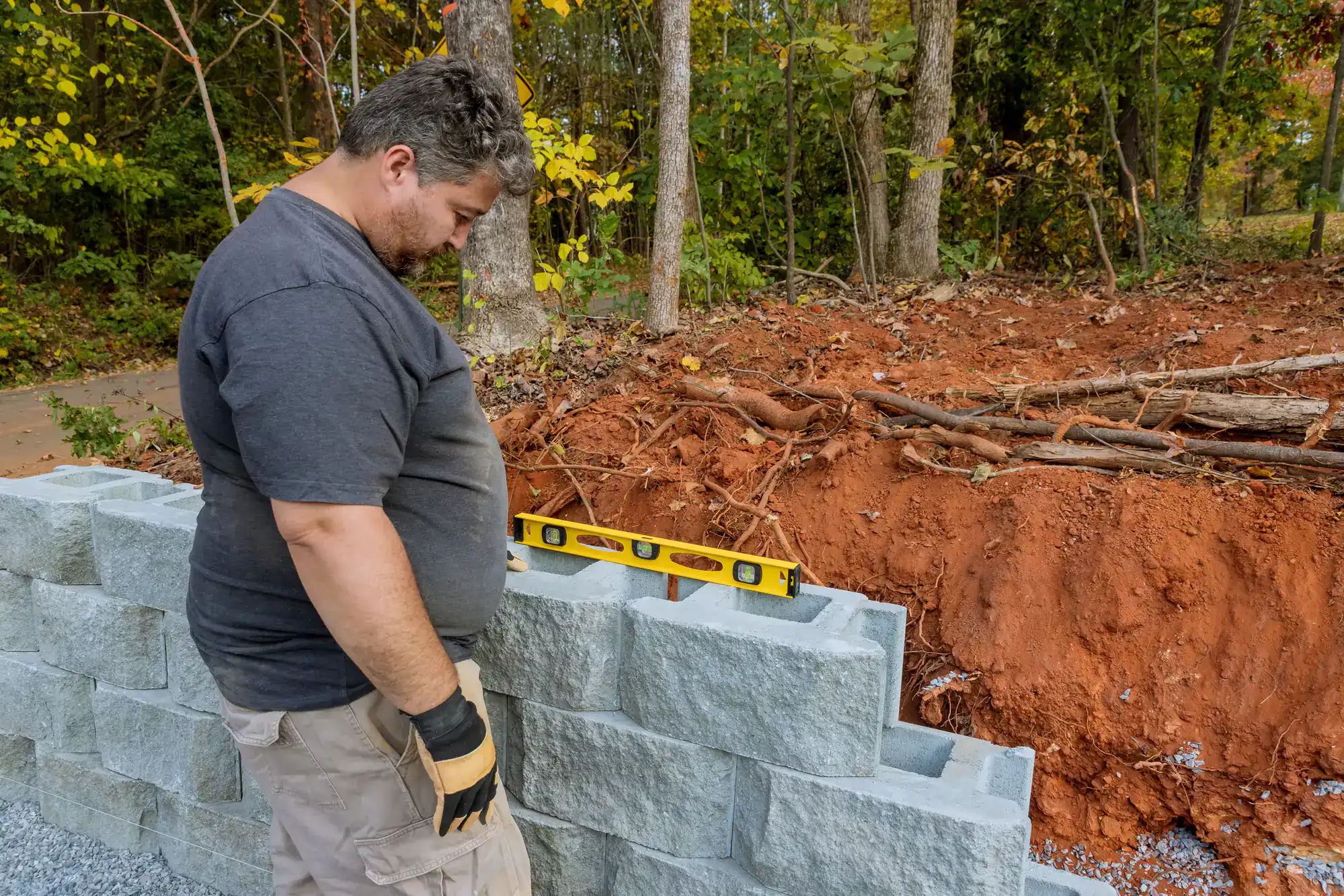
A man wearing gloves checks the level of a gray stone retaining wall with a yellow spirit level, next to a dirt embankment and forested area.

Ready to get started?

Explore More Services

About Stone Escapes Masonry & Outdoor Design

Get a Free Consultation

Retaining Wall Specialist Dix Hills NY

What's Included in Professional Installation
Your retaining wall project includes site evaluation, proper excavation below frost line, and engineered drainage systems. We use materials from Cambridge, Techo-Bloc, Unilock, and other certified manufacturers that handle Long Island’s coastal conditions. Dix Hills properties face specific challenges with sandy soil that needs stabilization and drainage that prevents erosion. We address these with geo-grid reinforcement when needed and backfill materials that allow water flow while maintaining stability. Every installation includes edge restraints to prevent shifting and proper compaction techniques that prevent settling. You get direct oversight from experienced crews who understand how Long Island soil behaves through seasonal changes and storm cycles.
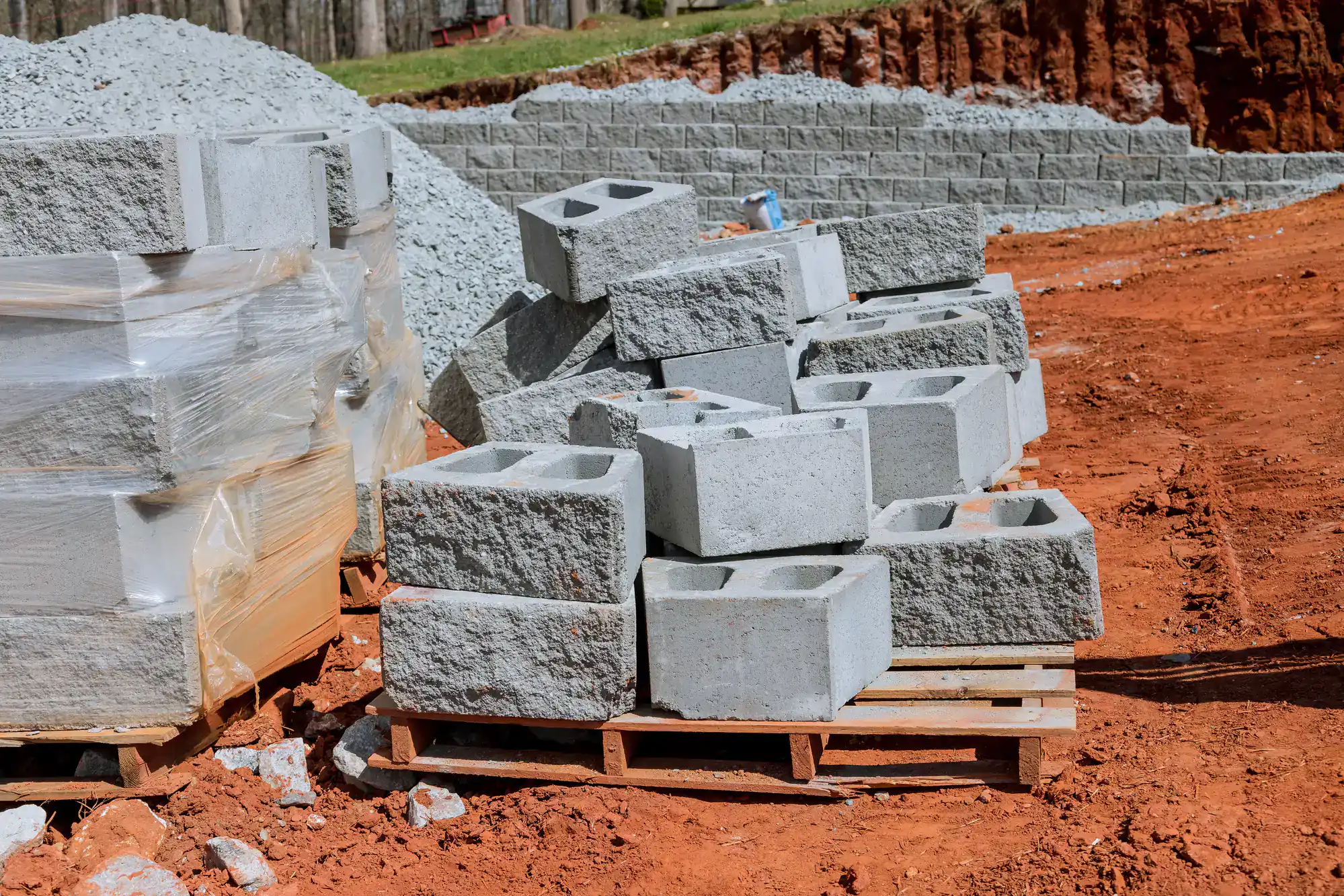
A stack of concrete cinder blocks is arranged on wooden pallets at a construction site with red soil and gravel. Wrapped blocks and a partially built stone retaining wall are visible in the background.

How deep should retaining wall foundations be in Dix Hills, NY?

Retaining wall foundations in Dix Hills need to go at least 30-36 inches deep to reach below the frost line. This prevents freeze-thaw cycles from shifting or cracking your wall over time. Long Island’s climate requires deeper foundations than many other areas. Shallow foundations lead to wall failure when winter frost pushes against the structure from below. We excavate to proper depth and install crushed stone bases that provide stable support for Long Island’s sandy soil conditions. This foundation work prevents the settling and shifting that destroys walls built too shallow.
Sandy Long Island soil actually drains better than clay, but retaining walls still need proper drainage systems to prevent hydrostatic pressure buildup. We install at least 12 inches of granular backfill behind every wall. This includes perforated drainage pipes at the base level, surrounded by gravel and wrapped in filter fabric. The system channels water away from the wall structure before pressure can build up. Without proper drainage, even sandy soil can create enough water pressure to push walls outward and cause failure. The drainage system we install handles both surface water and subsurface moisture that could compromise wall stability.
Most residential retaining walls can be built up to 3-4 feet high without requiring special engineering or permits. This height provides excellent strength while staying within standard construction guidelines. Walls over 4 feet typically need engineered designs and permits, especially in Suffolk County. The extra height creates more soil pressure that requires additional reinforcement and specialized construction techniques. If your property needs more height, we can design terraced systems using multiple 3-4 foot walls. This approach often works better than single tall walls and costs less than engineered solutions while providing the same functional results.
Interlocking concrete blocks work best for most Dix Hills retaining walls because they handle freeze-thaw cycles and provide built-in drainage features. Natural stone offers beauty but requires more skilled installation. We use materials from Cambridge, Techo-Bloc, and Unilock that are specifically designed for coastal conditions. These systems include features like built-in drainage and interlocking designs that prevent shifting. The choice depends on your specific site conditions, height requirements, and aesthetic preferences. We’ll recommend materials based on your soil conditions, drainage needs, and how the wall fits with your overall landscape design.

Most residential retaining walls in Dix Hills take 3-7 days to complete, depending on wall height, length, and site conditions. Complex drainage situations or difficult access can extend the timeline. Weather affects the schedule since we can’t properly compact base materials in wet conditions. Long Island’s sandy soil actually helps with faster drainage and quicker project completion compared to clay soil areas. We’ll give you a realistic timeline during the estimate based on your specific site conditions. The timeline includes excavation, base preparation, wall installation, and final grading to ensure proper water flow away from the structure.
Quality retaining walls typically increase property value in Dix Hills by creating usable outdoor space and preventing erosion problems that could damage your home’s foundation. The return depends on the wall’s size and how it improves your property’s functionality. Dix Hills’ affluent market values well-designed hardscaping that solves practical problems while enhancing curb appeal. Walls that create level entertaining areas or prevent drainage issues add both functional and aesthetic value. The key is professional installation using quality materials that will last decades. Poorly built walls actually hurt property value, while properly constructed walls protect your investment and make your outdoor space more attractive to future buyers.