
Hear from Our Customers
You’re dealing with sloped terrain that’s washing away after every storm, creating drainage headaches and wasted yard space. The right retaining wall changes everything—suddenly that problem slope becomes level ground you can actually use.
But here’s what matters: Long Island isn’t like other places. Our sandy soil, high water tables, and coastal weather destroy walls that aren’t built specifically for these conditions. You need someone who understands that foundations here go 30-36 inches deep to reach below the frost line, and drainage systems that handle both our wet springs and hurricane seasons.
When it’s done right, you get stable terrain that protects your property value, creates space for patios or gardens, and stops worrying about soil washing toward your foundation every time it rains.
We’ve been building retaining walls across Long Island since our early feature in Cambridge Pavingstone’s magazine—a recognition most contractors never achieve. We’re licensed in Suffolk County, Nassau County, and the townships of Southampton and East Hampton because we know these areas and their specific challenges.
Owner Iain Traynor brings union masonry and carpentry experience to every project, staying involved from estimate through completion. No project managers or middlemen—you work directly with the people doing the work.
Central Islip properties face the same coastal moisture, sandy soil, and drainage issues we see throughout Long Island. We’ve built our process around these conditions, not generic approaches that fail here within a few years.
We start with an in-person evaluation of your specific site conditions—soil type, drainage patterns, slope requirements, and how everything connects to your existing landscape. This isn’t a quick estimate; it’s engineering the right solution for your property.
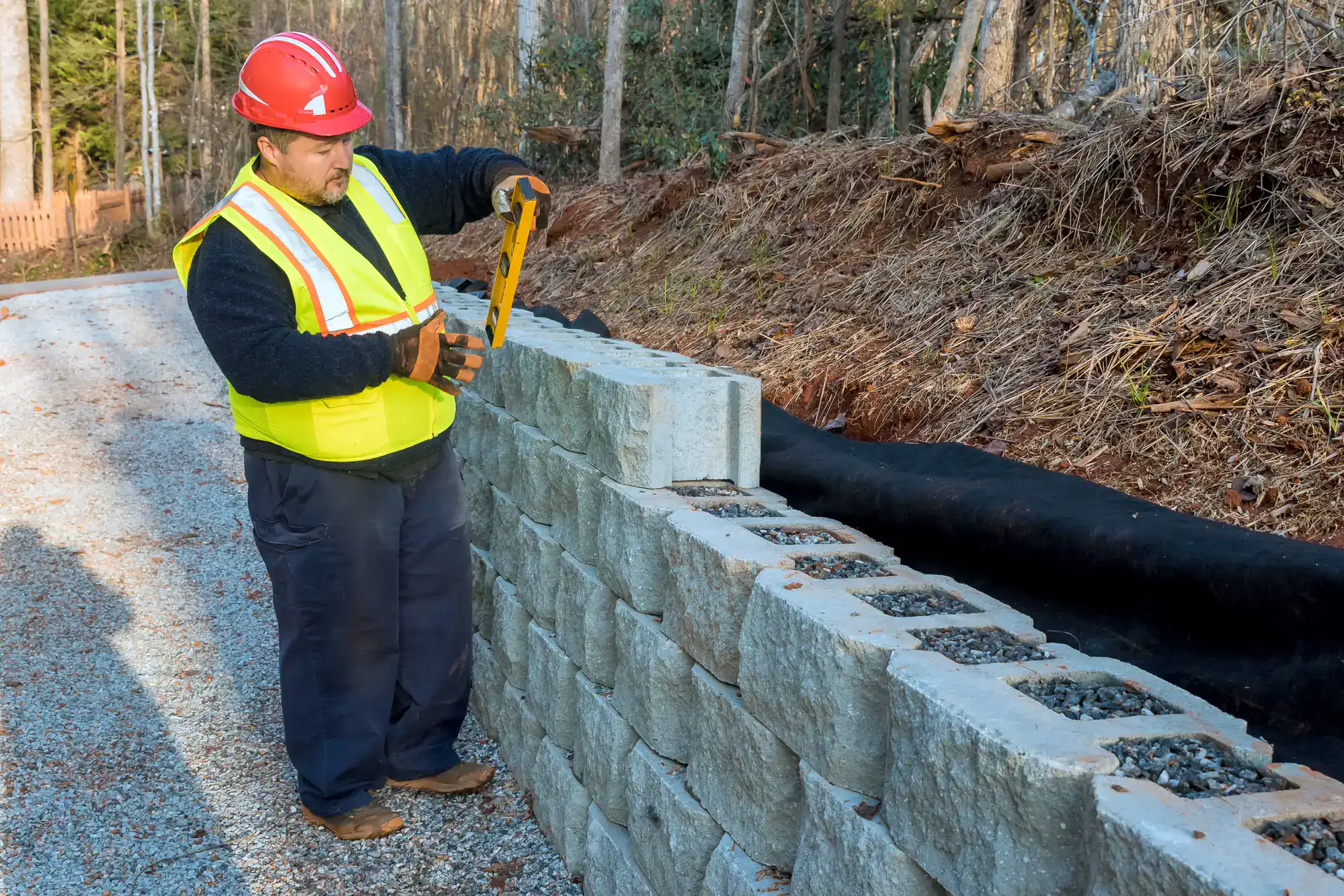
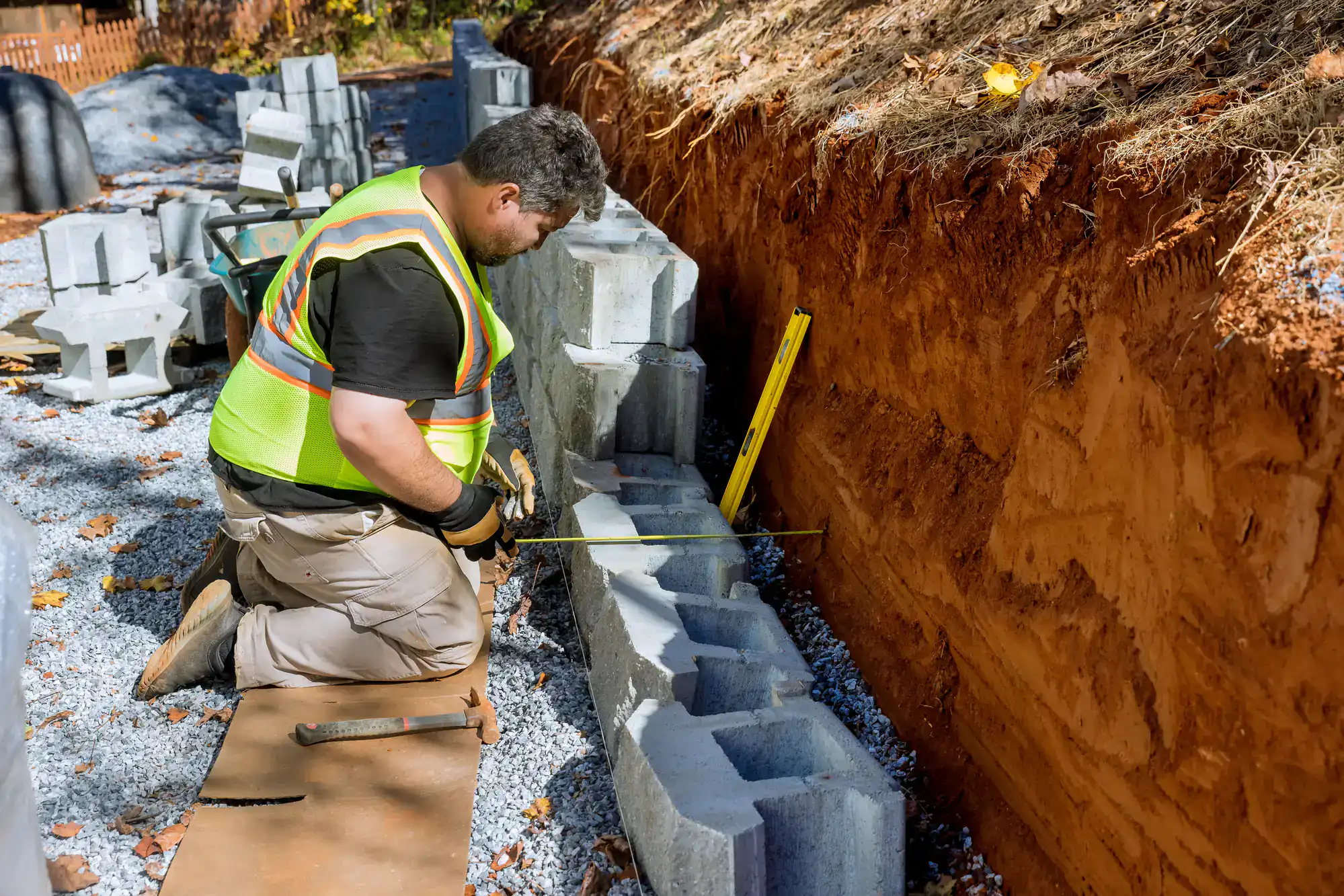
Excavation goes deep—typically 8-10 inches minimum, but often to that 30-36 inch frost line depth Long Island requires. We install proper base layering with crushed stone and compaction that works with sandy soil, not against it. Drainage planning happens before the first block goes in, with systems designed for our coastal weather patterns.
Each wall gets edge restraint installation to prevent the shifting that destroys other walls over time. We use geo-grid reinforcements, landscape fabrics, and built-in drainage systems because cutting corners here means rebuilding in five years instead of enjoying your wall for decades.
Ready to get started?
Every retaining wall includes proper drainage systems designed specifically for Central Islip’s conditions. We’re not just stacking blocks—you get engineered solutions with geo-grid reinforcements where needed, landscape fabric installation, and drainage planning that handles Long Island’s wet seasons and storm surge considerations.
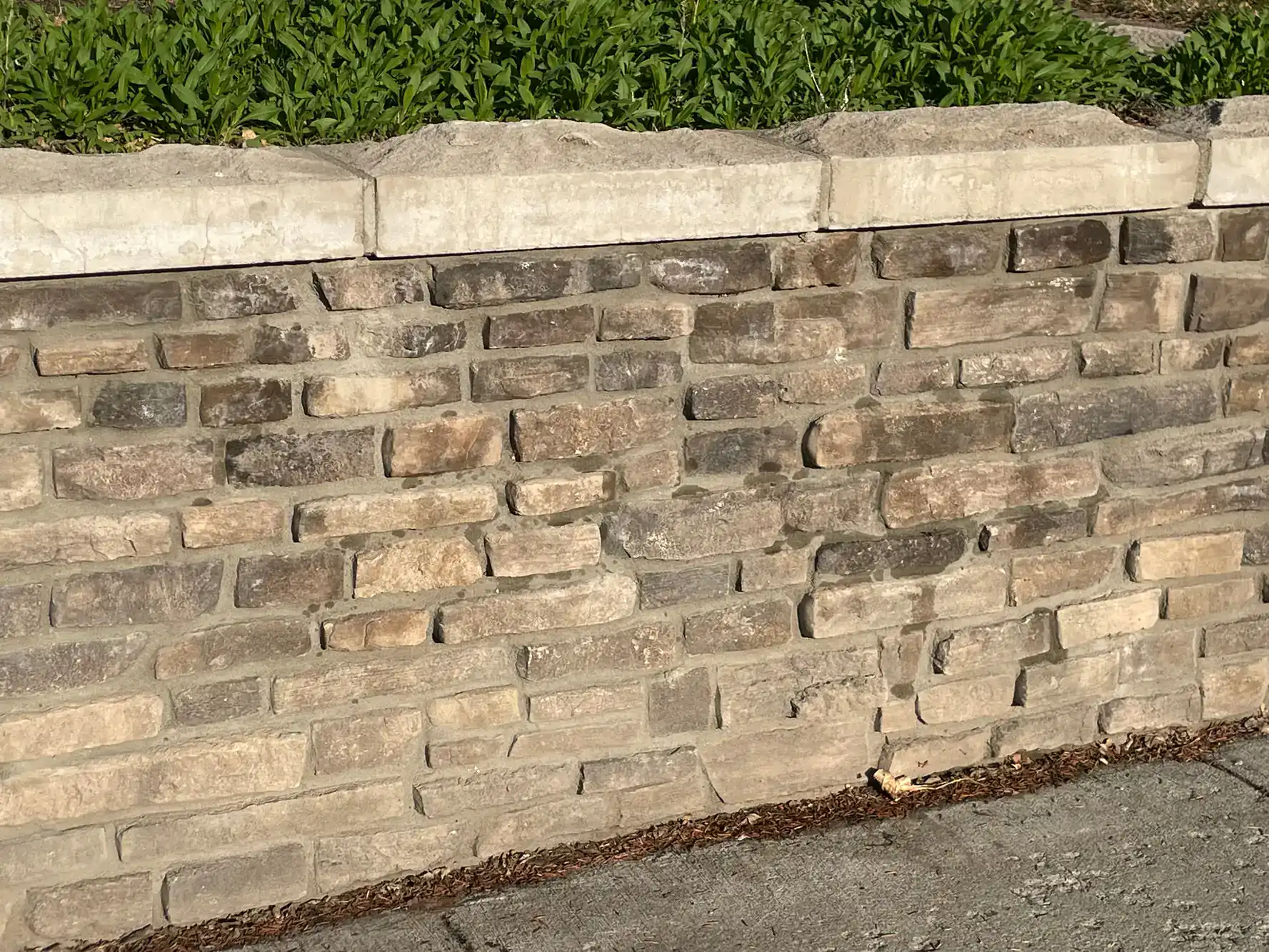
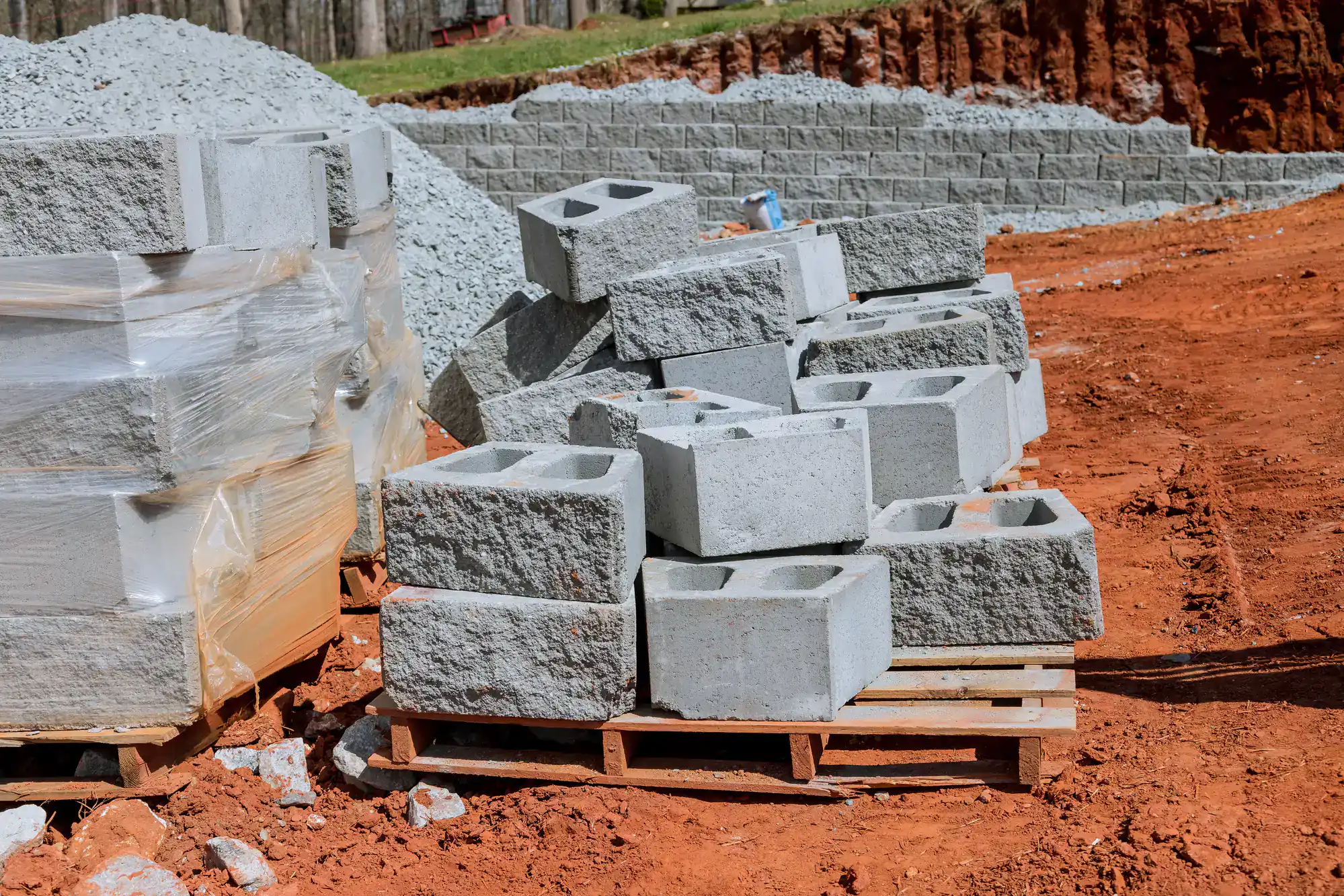
Material selection focuses on what actually works here: segmental block systems that accommodate slight movement in sandy soil, natural stone options that complement Long Island’s architectural styles, and concrete systems with built-in drainage features. All materials are selected for frost resistance and coastal weather durability.
Central Islip sits in Suffolk County where we see the full range of Long Island soil conditions—from the sandy compositions near the coast to the more varied terrain inland. Your wall gets designed for your specific location, not a one-size-fits-all approach that ignores local conditions.
Retaining wall foundations in Central Islip typically need to reach 30-36 inches deep to get below the frost line, which is crucial for Long Island’s freeze-thaw cycles. This depth requirement is specific to our region and prevents the frost heave that destroys shallower foundations.
The exact depth depends on your wall height and soil conditions, but we never cut corners on foundation depth. Sandy soil drains well but needs proper compaction and base preparation at the correct depth to provide stable support for decades.
Long Island’s sandy soil composition, high water tables, and coastal weather create unique challenges that require specialized construction approaches. Our sandy soil offers excellent drainage but needs deeper foundations and specific backfill materials to ensure stability.
Coastal proximity brings salt air exposure and storm surge considerations that demand corrosion-resistant materials and enhanced drainage systems. The freeze-thaw cycles here also require frost-resistant materials and proper foundation depth that many inland construction methods don’t account for.
Standard approaches that work in other regions often fail here within a few years because they don’t address these specific environmental factors.
Retaining wall costs in Central Islip typically range from $25-45 per square foot for segmental block systems, with the total depending on height, length, site access, and specific material selection. Long Island costs run higher than national averages due to local soil conditions requiring deeper excavation and specialized drainage systems.
Factors affecting your specific cost include foundation depth requirements, drainage complexity, material choice, and site accessibility. We provide detailed estimates after evaluating your property because every site has different challenges that affect the final investment.
The key is understanding that proper installation costs more upfront but prevents the expensive rebuilding that happens when walls aren’t designed for Long Island conditions.
Most municipalities require permits for retaining walls over 3-4 feet tall, and Central Islip follows Suffolk County requirements for permitting. Walls 4 feet or higher typically need structural engineer design to ensure safety and code compliance, which we coordinate as part of the project.
Permit costs range from $50-450 depending on wall size and complexity. We handle permit applications and ensure all work meets local building codes, so you don’t have to navigate the bureaucracy yourself.
Even for walls under permit height, proper installation following engineering standards protects your investment and prevents problems that could require expensive corrections later.
Central Islip properties deal with Long Island’s high water tables, seasonal water level fluctuations, and coastal storm drainage challenges that can destroy improperly designed retaining walls. Without correct drainage systems, water pressure builds behind walls, causing bowing, cracking, and eventual failure.
Our drainage solutions include gravel backfill, weep holes, and integrated drainage systems designed specifically for Long Island’s wet seasons and storm surge considerations. We also plan for the lateral earth pressure that occurs when soil becomes saturated during heavy rains.
Proper drainage isn’t optional here—it’s the difference between a wall that lasts decades and one that fails within a few years when the next major storm hits.
Properly constructed retaining walls in Central Islip can last 50-100+ years when built with appropriate materials and drainage systems for Long Island’s coastal climate. The key is using frost-resistant materials, proper foundation depth, and drainage systems that handle our specific weather patterns.
Walls built without considering Long Island’s sandy soil, freeze-thaw cycles, and coastal moisture often fail within 5-10 years, requiring expensive rebuilding. Our approach focuses on material selection and construction techniques proven to withstand decades of coastal weather exposure.
Regular inspection for cracks or drainage issues helps catch small problems before they become major repairs, but properly built walls require minimal maintenance over their lifespan.