
Hear from Our Customers
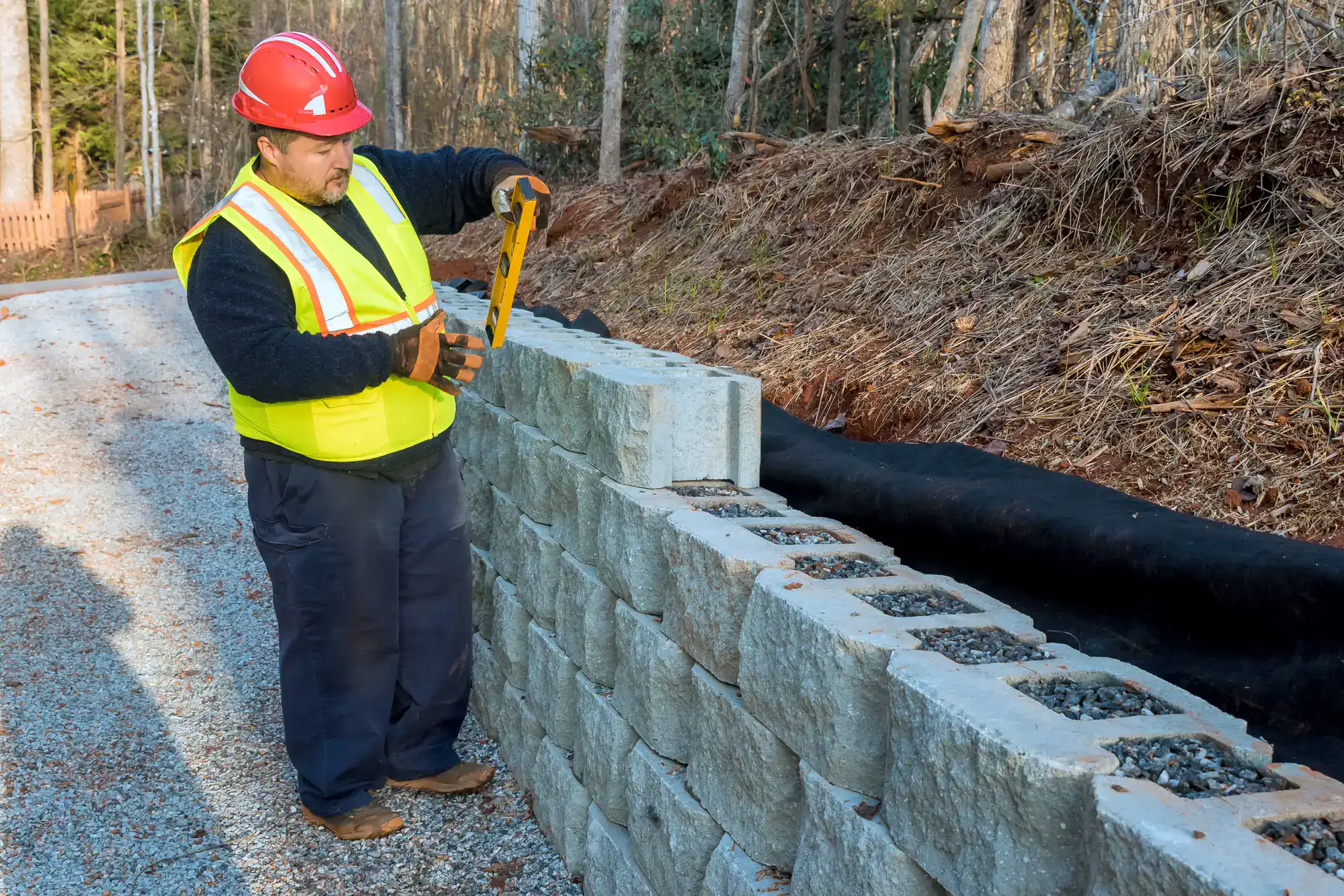
That slope washing away after every storm isn’t just ugly—it’s threatening your foundation and wasting valuable property. The right retaining wall stops the erosion, creates usable space, and protects your investment.
Center Moriches sits right on Moriches Bay, which means high water tables, sandy soil, and coastal weather that laughs at cookie-cutter solutions. You need walls engineered for Suffolk County conditions, with foundations reaching below the frost line and drainage systems that actually work.
When it’s done right, you get stable walls that handle whatever nature throws at them. Your property value goes up, your usable space expands, and you stop worrying about washouts and water damage.
Stone Escapes has been handling Center Moriches’ unique construction challenges for years. Owner Iain Traynor brings union masonry experience and stays directly involved in every project—no disappearing acts or handoffs to random crews.
We’re certified by the manufacturers that matter: Cambridge, Techo-Bloc, Unilock, Nicolock, Eldorado, and Boral. Licensed in Suffolk County and local townships, we know the permits, codes, and soil conditions that make or break retaining walls here.
You’re not getting generic suburban solutions. We understand how bay proximity affects drainage, how sandy soil behaves in different seasons, and which materials stand up to salt air long-term.
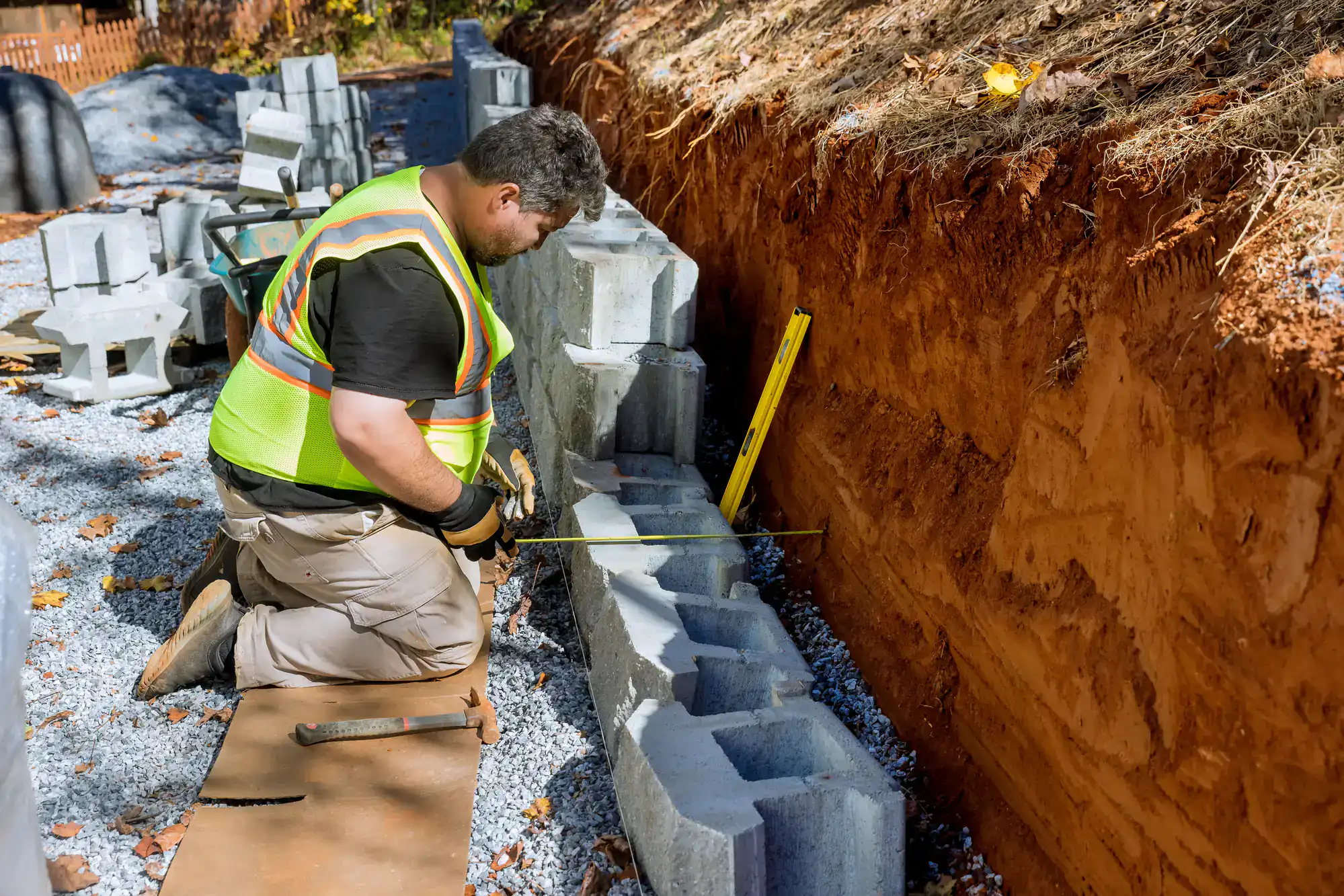
We start with a thorough site evaluation—soil conditions, drainage patterns, water table levels, and proximity to Moriches Bay. This isn’t a quick look-over; it’s detailed analysis that determines what your specific site needs.
Excavation goes deep enough to matter: 8-10 inches minimum, often more to reach stable soil and get below the frost line. We install proper base layers, comprehensive drainage systems, and edge restraints that prevent the shifting and cracking you see with amateur work.
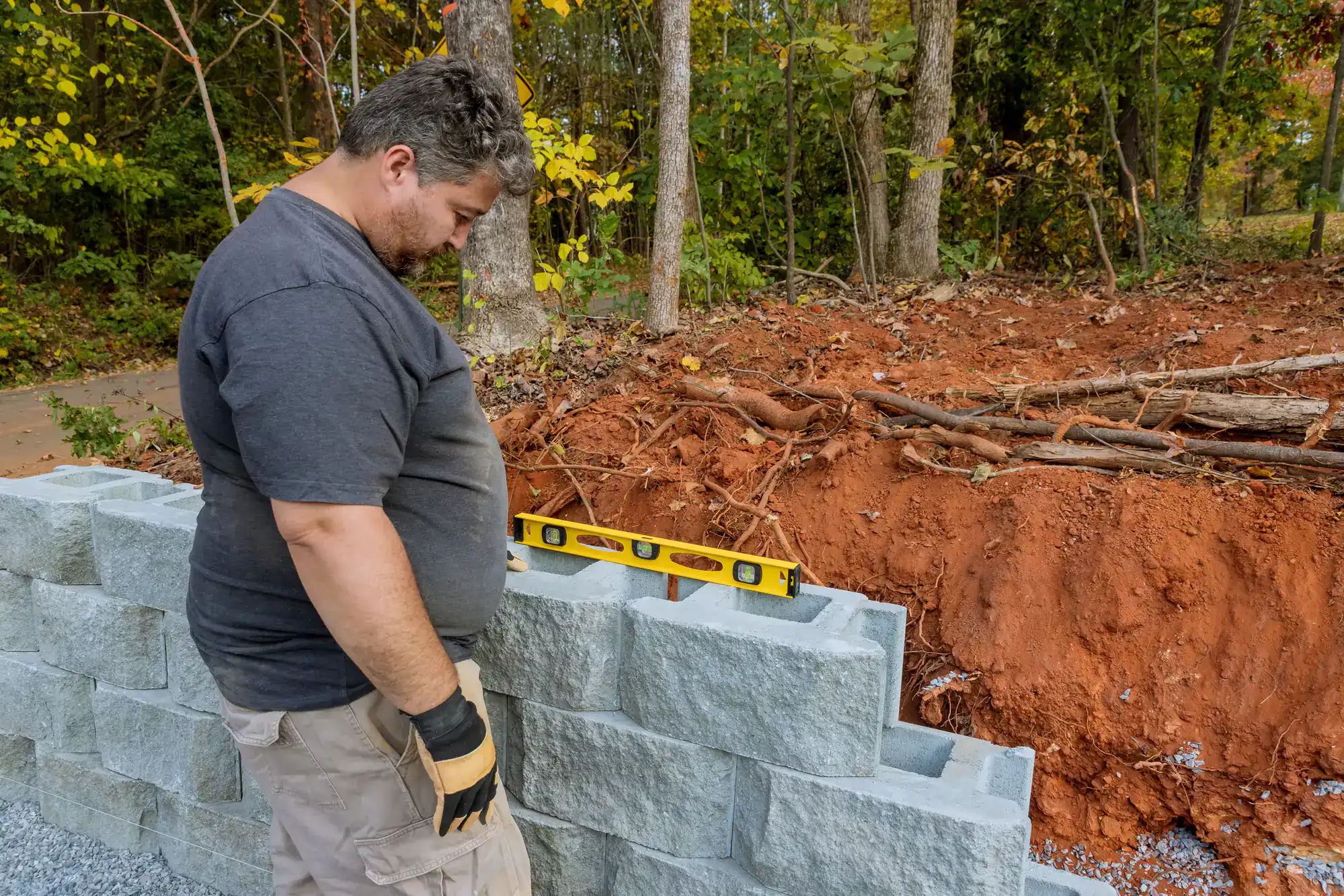
Construction follows manufacturer specs and local codes, using materials rated for coastal conditions. You get consistent crews, direct owner oversight, and regular communication. No wondering what’s happening, no change orders for normal site conditions.
Ready to get started?
Our retaining walls handle what Center Moriches throws at them: sandy soil that drains fast but doesn’t hold, high water tables from bay proximity, and salt air that corrodes inferior materials. We use proper drainage engineering, deep foundations, and materials rated for marine environments.
Every wall includes comprehensive drainage—not just token gravel, but engineered systems with perforated pipes, geotextile fabric, and proper outlets. Foundation work reaches 30-36 inches deep, ensuring stability through Long Island’s brutal freeze-thaw cycles.
Material selection considers salt air exposure, seasonal moisture changes, and aesthetic compatibility with Center Moriches’ coastal character. Whether you need erosion control or landscape enhancement, you get walls engineered for decades of reliable performance.
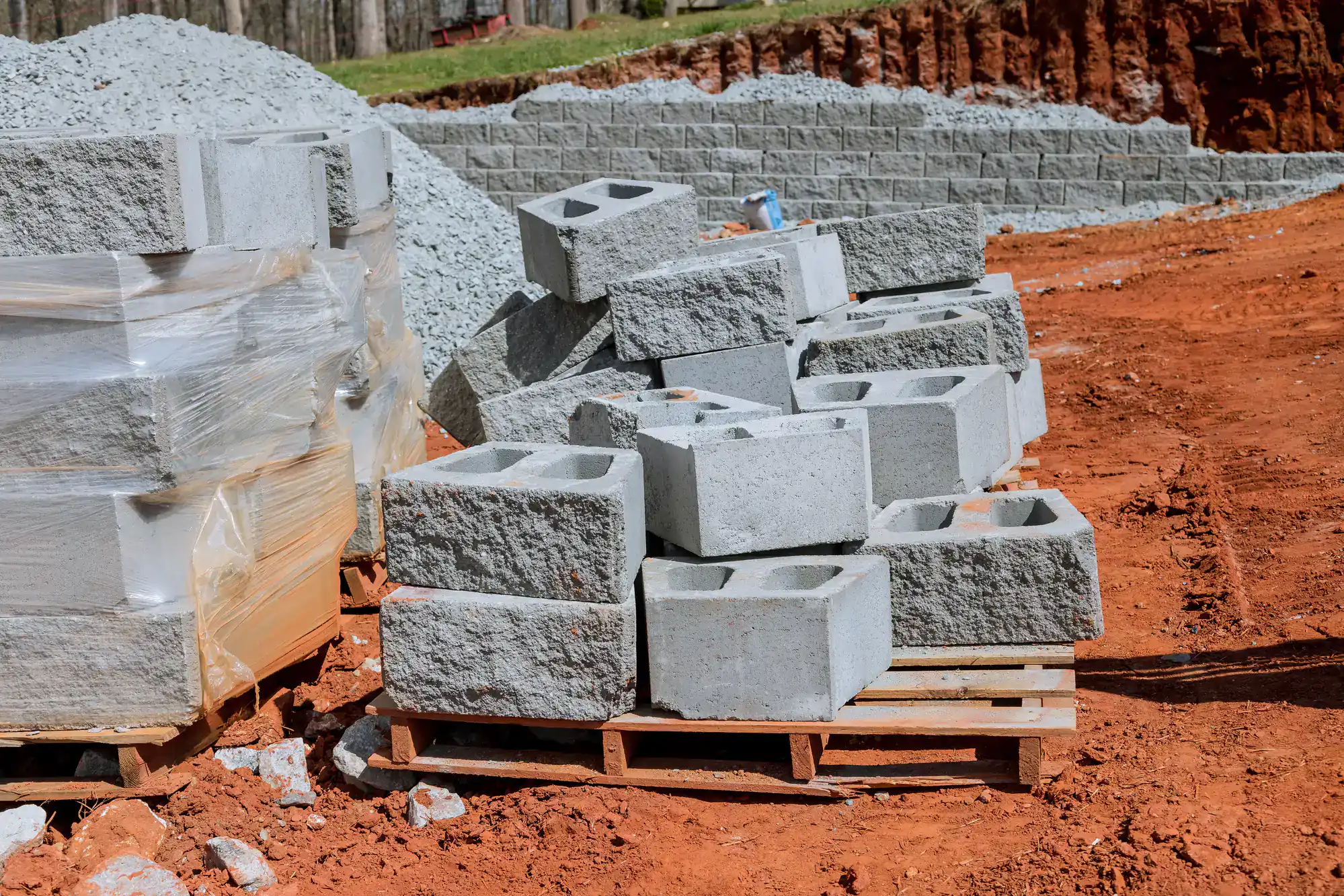
Retaining wall foundations in Center Moriches need to be 30-36 inches deep minimum to reach below the frost line and handle sandy soil conditions. This prevents frost heave during winter freeze-thaw cycles that shift or crack shallow foundations.
The exact depth depends on wall height, specific soil conditions, and proximity to Moriches Bay. Sandy soil drains well but needs deeper foundations for stability compared to clay soils found inland. High water tables near the bay create additional challenges.
We evaluate each site individually because conditions vary significantly even within Center Moriches. Proper foundation depth is non-negotiable—it’s where most DIY projects and cheap contractors fail spectacularly.
Poor drainage is the number one killer of retaining walls on Long Island. Water buildup behind walls creates hydrostatic pressure that causes bulging, cracking, or complete collapse. Center Moriches’ high water table and coastal storms make drainage even more critical.
Common problems include inadequate backfill drainage, missing or clogged outlet pipes, and failure to account for seasonal water level changes near Moriches Bay. Many contractors skip proper drainage to save money, leading to expensive failures within a few years.
Our walls include comprehensive drainage systems: perforated pipes, graded gravel backfill, geotextile fabric, and multiple outlet points. It’s not cheap, but it’s essential for wall longevity in our challenging coastal environment.
Coastal Long Island demands materials that resist salt air corrosion, freeze-thaw damage, and moisture infiltration. Segmental concrete blocks, natural stone, and engineered systems from Cambridge, Techo-Bloc, and Unilock perform best here.
These materials are specifically rated for marine environments and handle the expansion-contraction cycles from temperature fluctuations. They also provide the structural integrity needed for sandy soil and high water table conditions.
We avoid materials like untreated wood or basic concrete blocks that deteriorate quickly in salt air. The upfront investment in proper materials pays off through decades of performance and minimal maintenance.
Professional retaining wall installation in Center Moriches typically runs $25-45 per square foot, depending on height, materials, site access, and complexity. Walls requiring extensive drainage work or difficult access will be at the higher end.
Factors affecting cost include foundation depth requirements, drainage system complexity, material selection, and site challenges like proximity to water or existing landscaping. Permits for walls over 4 feet also add costs.
We provide detailed estimates with no hidden charges for normal site conditions. We’re not the cheapest option, but our pricing reflects proper engineering and materials needed for Long Island’s demanding coastal conditions.
Most retaining walls over 3-4 feet require permits in Center Moriches and Suffolk County. Requirements also depend on location relative to property lines, proximity to water features, and drainage impact.
The permit process includes structural plans for taller walls, soil analysis, and drainage specifications. We handle permit applications as part of our service, ensuring compliance with local building codes and county requirements.
Even walls that don’t require permits should follow proper construction standards. Building codes exist for safety and longevity—following these standards protects your investment whether permits are mandated or not.
Properly constructed retaining walls using quality materials and correct installation typically last 50-75 years or more in Long Island conditions. The key factors are adequate foundation depth, comprehensive drainage, and materials rated for coastal environments.
Walls that fail prematurely usually have drainage problems, shallow foundations, or materials not suited for salt air exposure. Long Island’s freeze-thaw cycles and coastal moisture are particularly hard on walls built with generic approaches.
Regular maintenance extends wall life significantly: keeping drainage outlets clear, checking for settlement, and addressing small issues before they become major problems. We design our walls for minimal maintenance while maximizing longevity.