Retaining Wall Contractor in Calverton, NY

Built Right for Long Island Conditions

Walls that actually hold up against sandy soil, drainage challenges, and coastal weather—without the headaches.
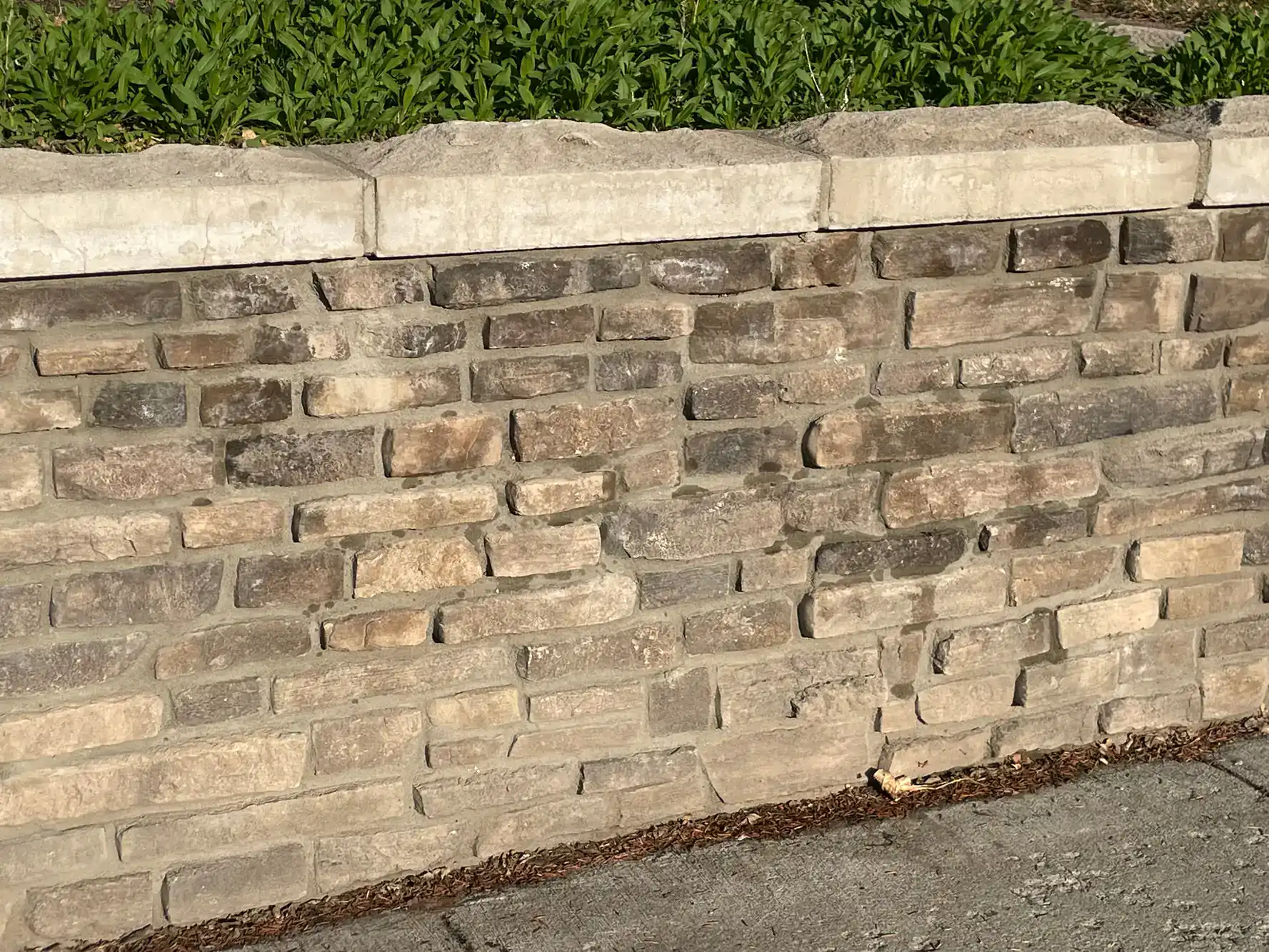
A stone retaining wall made of rectangular, tan and brown bricks supports a raised bed with green plants. Sunlight casts shadows on the textured wall and gray sidewalk below.

Hear from Our Customers

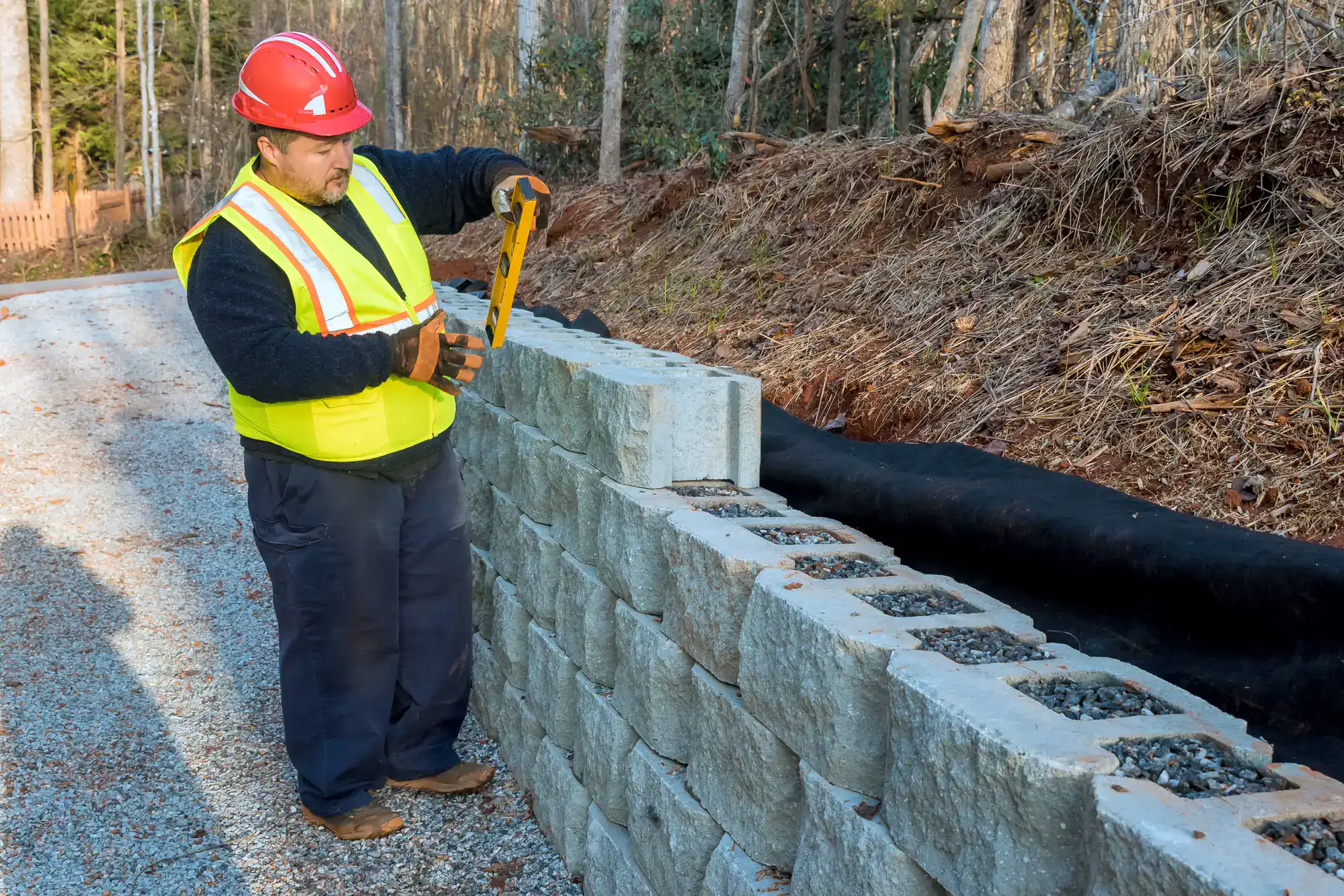
A construction worker in a yellow safety vest and red helmet uses a level to check concrete blocks while building a retaining wall next to a gravel road and a slope with trees.

Retaining Wall Installation Calverton NY

Turn Problem Slopes Into Usable Space
You’re dealing with a sloped yard that’s either washing away or just sitting there unusable. Maybe water pools where it shouldn’t, or you’re losing soil every time it rains hard. A properly built retaining wall changes all that. You get level space you can actually use—for a patio, garden beds, or just a yard that doesn’t give you drainage headaches. The erosion stops. The water goes where it’s supposed to go. Long Island’s sandy soil and coastal conditions mean your wall needs to be built differently than what works inland. We excavate deeper, use the right backfill materials, and install drainage systems that prevent the hydrostatic pressure buildup that kills most walls here. Your Calverton property deserves construction that understands these local challenges.

Stone Wall Installer Calverton NY

We Actually Know Long Island Soil
We’ve been building retaining walls across Suffolk and Nassau Counties for years. Owner Iain Traynor comes from a carpentry and union masonry background—he’s not just running estimates from an office. We’re licensed in Suffolk, Nassau, and the local townships, with certifications from Cambridge, Techo-Bloc, Unilock, Nicolock, Eldorado, and Boral. That means we know which materials work best in Calverton’s conditions and which ones don’t. Every project gets direct oversight. No automated tracking systems or project managers who’ve never held a trowel. You get consistent crews and straight communication from start to finish. When you’re investing in a retaining wall in Calverton, that kind of hands-on approach makes the difference between a wall that lasts decades and one that fails in five years.
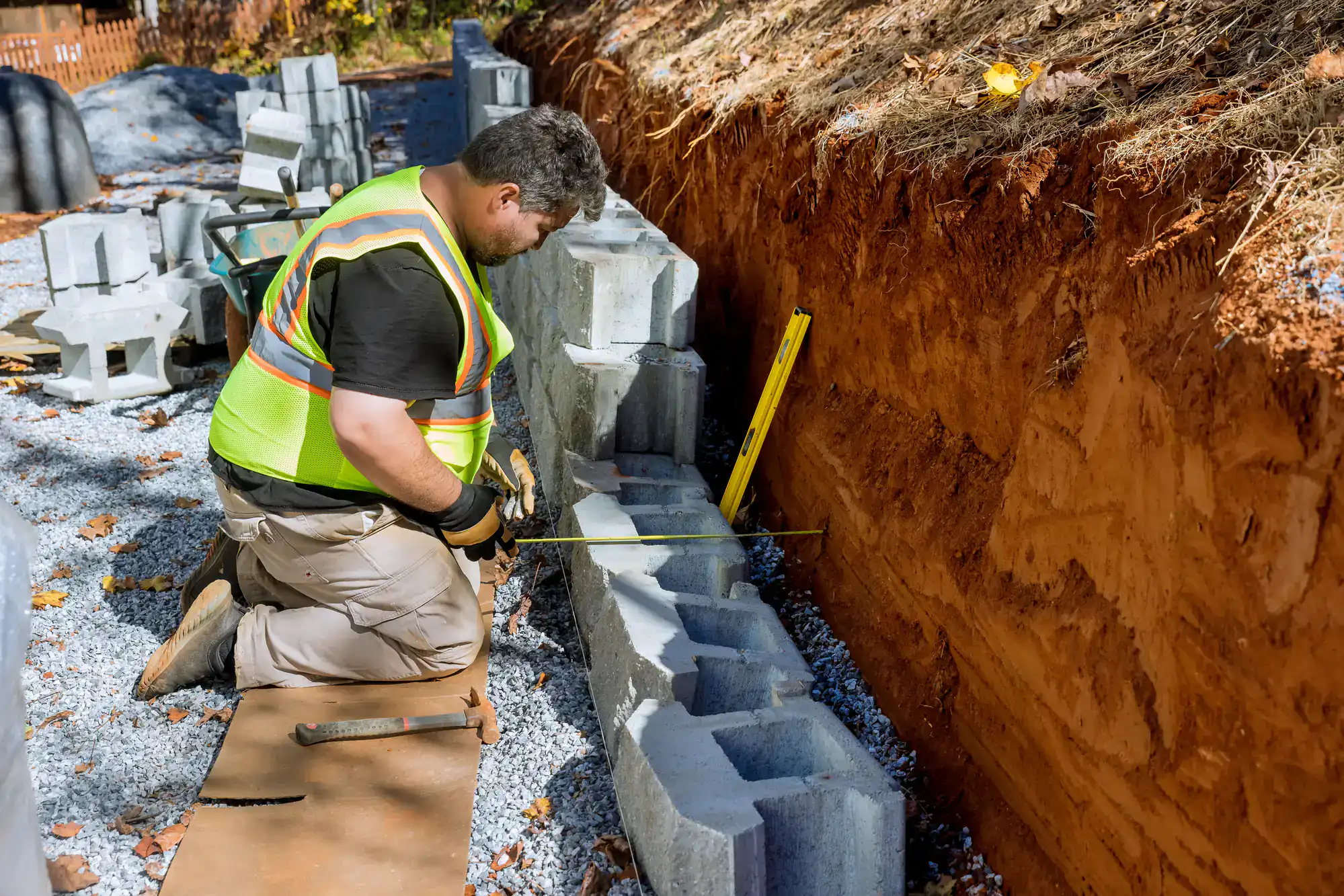
A construction worker in a safety vest kneels on gravel, measuring concrete blocks as he builds a retaining wall beside an exposed dirt slope. Tools and blocks are scattered around the worksite.

Retaining Wall Builder Near You

Built for Long Island's Unique Challenges
First, we assess your site conditions—soil type, drainage patterns, slope angle, and what you’re trying to accomplish. Long Island’s sandy soil drains well but needs deeper foundations and specific backfill materials. We excavate to 8-10 inches minimum, often deeper depending on wall height and frost line requirements. The base gets proper stone layering and compaction. Drainage planning happens before the first block goes in place. Wall construction uses manufacturer-certified techniques with proper edge restraint installation. Behind the wall, we install drainage stone and perforated pipe systems that prevent water buildup. The backfill material isn’t just whatever dirt we dug out—it’s engineered to work with your soil conditions. Every wall gets built to handle Long Island’s freeze-thaw cycles, coastal moisture, and the specific soil movement patterns we see in Calverton and across Suffolk County. This isn’t generic construction—it’s retaining wall installation designed specifically for where you live.
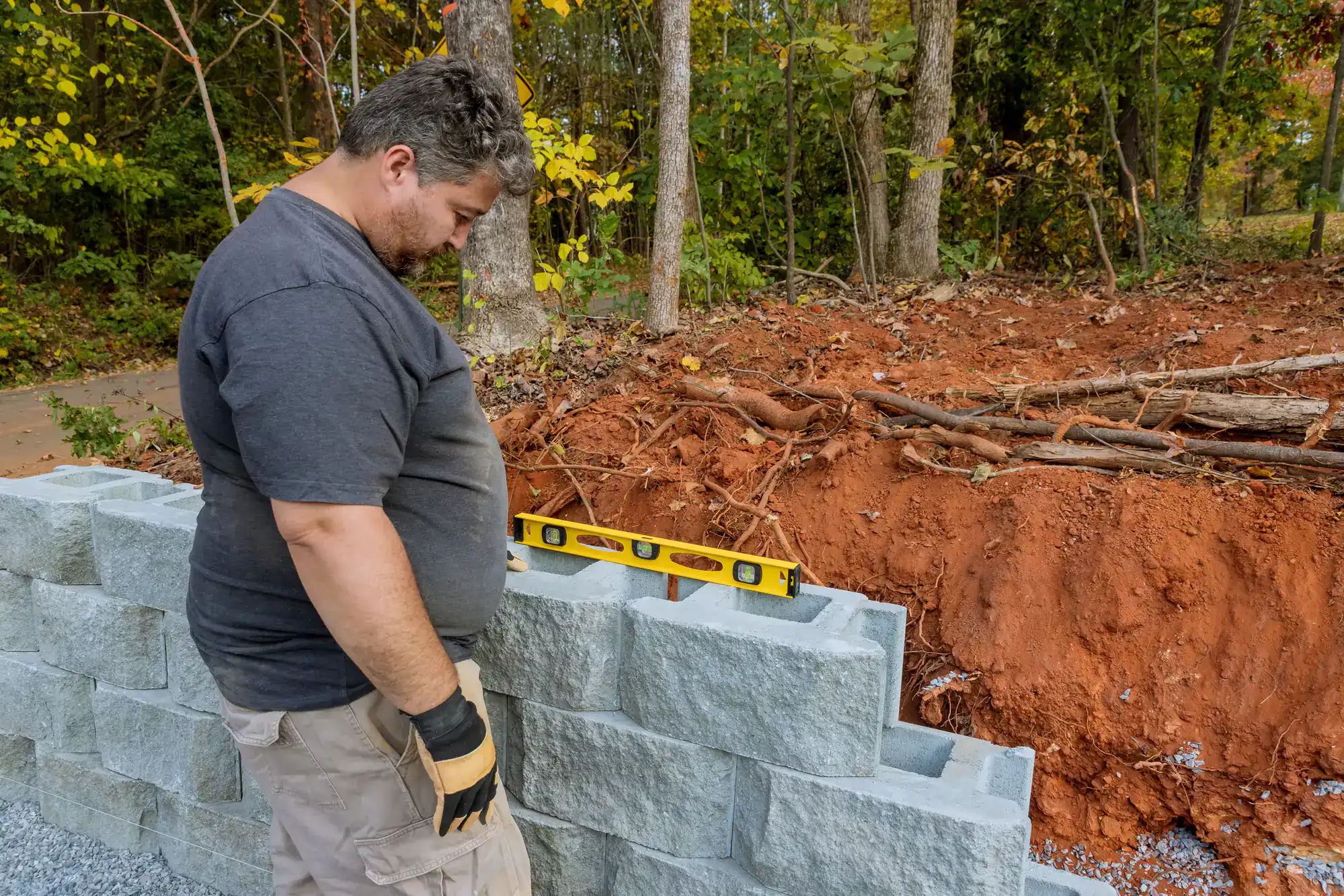
A man wearing gloves checks the level of a gray stone retaining wall with a yellow spirit level, next to a dirt embankment and forested area.

Ready to get started?

Explore More Services

About Stone Escapes Masonry & Outdoor Design

Get a Free Consultation

Retaining Wall Specialist Calverton NY

What You Get With Every Project
Every retaining wall includes proper drainage systems—not just weep holes, but full drainage stone backfill and perforated pipe where needed. We don’t cut corners on the parts you can’t see because those are what prevent failure. Materials are selected based on your specific site conditions and aesthetic preferences. We work with interlocking concrete systems, natural stone, and engineered block systems—whatever makes sense for your project height, soil conditions, and budget. In Calverton and across Long Island, we see a lot of walls that fail because contractors don’t understand how sandy soil behaves differently than clay or rock. Your wall gets built with 30-36 inch foundation depths to get below the frost line, proper drainage to handle our high water tables, and materials that can handle salt air exposure. Foundation preparation includes excavation, proper base stone installation, and compaction using the right equipment. Edge restraints prevent shifting. The drainage system prevents the hydrostatic pressure that causes most wall failures here. When you hire a retaining wall specialist in Calverton NY, this is the level of detail that should be standard—not an upgrade.

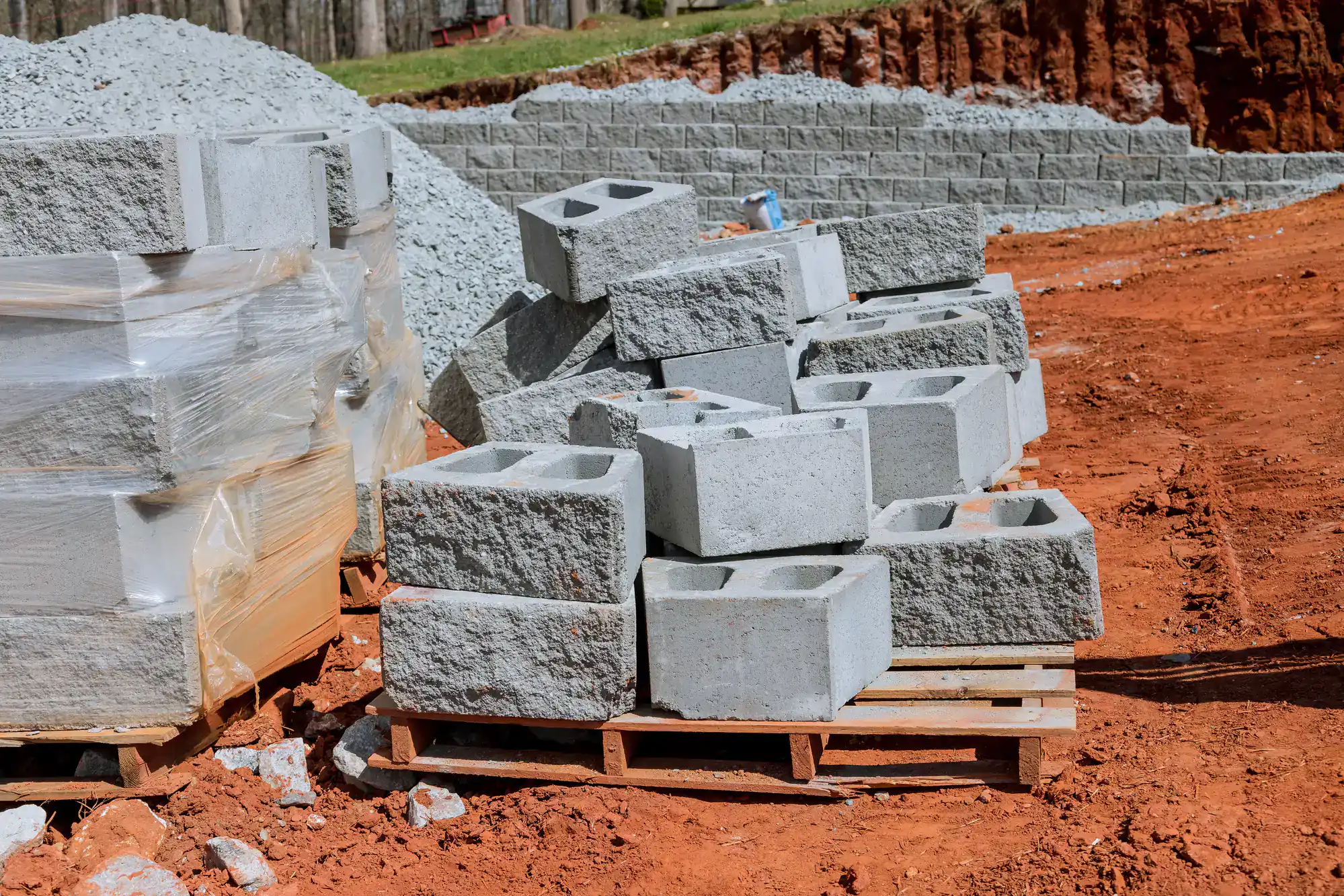
A stack of concrete cinder blocks is arranged on wooden pallets at a construction site with red soil and gravel. Wrapped blocks and a partially built stone retaining wall are visible in the background.

How deep do retaining wall foundations need to be in Calverton NY?

In Calverton and across Long Island, retaining wall foundations typically need to go 30-36 inches deep to get below the frost line. This prevents heaving during freeze-thaw cycles that can crack or shift the structure. The exact depth depends on your wall height and soil conditions. Taller walls need deeper foundations, and Long Island’s sandy soil sometimes requires additional depth for stability. We excavate based on engineering requirements, not just minimum code standards. Proper foundation depth is critical here because our coastal climate brings freeze-thaw cycles that can destroy improperly built walls. The foundation also needs proper stone base material and compaction to prevent settling in sandy soil.
Poor drainage is the number one cause of retaining wall failure on Long Island. When water builds up behind the wall with nowhere to go, it creates hydrostatic pressure that can crack, lean, or collapse the structure. Long Island’s high water tables and seasonal water level fluctuations make drainage even more critical here. Walls need proper drainage stone backfill, perforated pipe systems, and sometimes French drain networks to handle groundwater. Other common failure causes include insufficient foundation depth for our frost line, using the wrong backfill materials for sandy soil, and not accounting for coastal weather exposure. Many contractors don’t understand how Long Island’s conditions differ from inland construction requirements.
A properly built retaining wall can last 20-50 years or more in Long Island conditions. The key is using materials designed for coastal weather exposure and installing drainage systems that prevent water damage. Long Island’s sandy soil, salt air, and freeze-thaw cycles require specific construction techniques. Walls need corrosion-resistant materials, proper drainage, and foundations that account for our soil conditions. Cheap materials or poor installation techniques significantly reduce lifespan. Regular maintenance helps—clearing drainage paths, inspecting for cracks or movement, and addressing small issues before they become major problems. But a well-built wall with proper drainage should handle decades of Long Island weather without major issues.
For Calverton’s sandy soil and coastal conditions, segmental interlocking concrete blocks work well for most residential projects. They’re engineered for our soil conditions and offer good drainage characteristics. Natural stone provides excellent durability and appearance but requires experienced installation for proper stability. Engineered concrete blocks often provide the best combination of strength and installation efficiency for walls over four feet high. Material selection depends on wall height, soil conditions, drainage requirements, and aesthetic preferences. We work with Cambridge, Techo-Bloc, Unilock, and other certified manufacturers to ensure materials meet Long Island’s specific environmental requirements including freeze-thaw resistance and coastal weather exposure.
Permit requirements for retaining walls in Calverton depend on wall height and location. Generally, walls over a certain height or those affecting drainage patterns require permits and engineering approval. Local building codes in Suffolk County have specific requirements for retaining walls, especially regarding foundation depth, drainage systems, and structural design. We handle permit applications and ensure compliance with local regulations. It’s better to check permit requirements upfront than deal with compliance issues later. We’re licensed in Suffolk County and familiar with local permit processes, so we can guide you through requirements and handle the paperwork where needed.
Retaining wall costs in Calverton typically range from $20-50 per square foot for standard installations, though complex designs or premium materials can cost more. The final price depends on wall height, materials, site conditions, and drainage requirements. Long Island projects often cost more than inland areas because of our specific soil conditions, deeper foundation requirements, and enhanced drainage needs. Proper installation costs more upfront but prevents expensive failures later. We provide detailed estimates that break down materials, labor, drainage systems, and any permit or engineering costs. Every project is different, so accurate pricing requires an on-site assessment of your specific conditions and requirements.