

Hear from Our Customers

You’re not just getting pavers laid down. You’re getting an outdoor space that works the way you need it to—for entertaining, relaxing, and adding real value to your home.
When your paver patio is built with proper base preparation and drainage planning, you avoid the headaches that come with settling, shifting, and water damage. No more dealing with uneven surfaces or costly repairs down the road.
Your new space becomes the hub where family gathers and guests want to spend time. It’s functional, beautiful, and built to handle whatever Long Island weather throws at it.
We’re a licensed masonry contractor based in Holbrook, serving Wheatley Heights and throughout Suffolk and Nassau Counties. Owner Iain Traynor brings union masonry experience and stays directly involved in every estimate and project.
We hold certifications from Cambridge, Techo-Bloc, Unilock, Nicolock, and other premium manufacturers. That means you’re getting materials and installation methods that are proven to work in Long Island’s unique conditions.
Our approach is straightforward: proper excavation to 8-10 inches, correct base layering, drainage planning, and edge restraint installation. We use the same crews throughout your project, so quality stays consistent from start to finish.
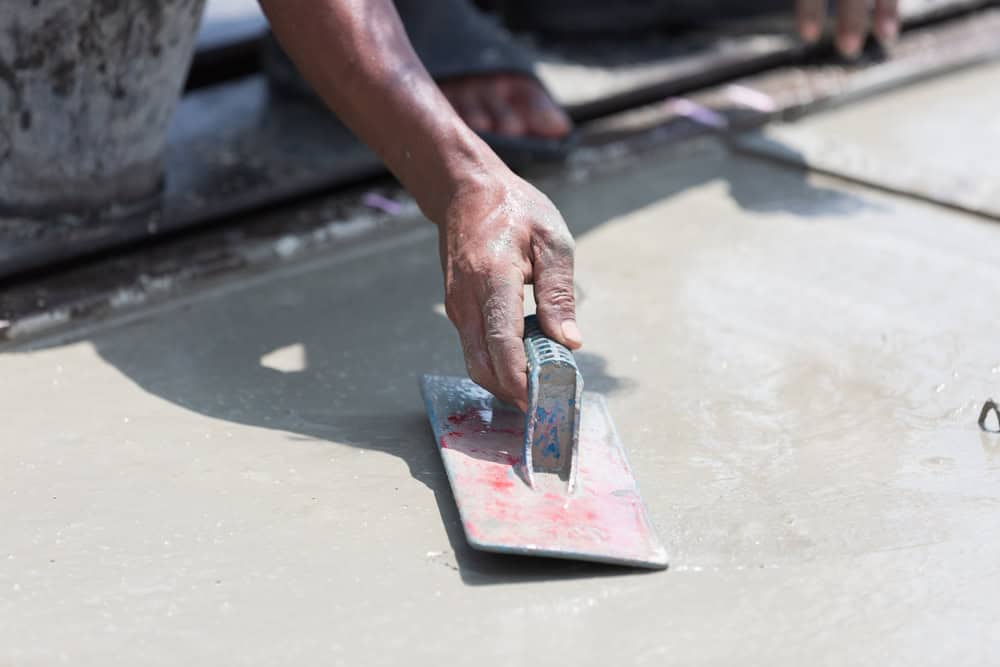
Every paver patio in Wheatley Heights starts with an in-person estimate where we assess your space, discuss your vision, and explain exactly what the project involves.
We begin with proper excavation—typically 8 to 10 inches deep to account for Long Island’s sandy soil and drainage requirements. Next comes base preparation using the right materials and compaction methods to prevent future settling.
The paver installation follows manufacturer specifications, with attention to proper edge restraints and joint spacing. We finish with polymeric sand application and a thorough cleanup, leaving you with a patio that’s ready to use and built to last through Long Island’s changing seasons.

Ready to get started?
Your paver patio installation includes complete site preparation, proper base construction, professional paver installation, and final finishing. We handle permits when required and coordinate with local Wheatley Heights regulations.
Long Island’s coastal climate and sandy soil conditions require specific installation techniques. We account for drainage challenges, freeze-thaw cycles, and moisture issues that are common in Suffolk County.
You’ll work directly with our team throughout the process—no automated systems or third-party coordinators. Communication stays clear and consistent, and we don’t ask for final payment until you’re completely satisfied with the finished patio.

Most paver patio installations in Wheatley Heights take 3-5 days, depending on the size and complexity of your project. Weather can affect the timeline, especially during Long Island’s wet seasons.
The process includes excavation, base preparation, paver installation, and finishing work. We schedule projects to minimize disruption to your daily routine and keep you informed of progress throughout.
Complex designs, additional features like fire pits or seating walls, or challenging site conditions may extend the timeline. We’ll give you a realistic schedule during your estimate and keep you updated if anything changes.
Paver patios handle Long Island’s freeze-thaw cycles much better than poured concrete. Individual pavers can flex with ground movement, while concrete cracks when the ground shifts or moisture freezes and expands.
If a paver gets damaged or stained, you can replace just that piece. With concrete, damage usually means patching or replacing entire sections, which rarely matches perfectly.
Pavers also provide better drainage, which is crucial in Wheatley Heights where water management can be challenging. The joints between pavers allow water to drain naturally instead of pooling on the surface.
Professional paver patio installation in Wheatley Heights typically runs $30-45 per square foot, including materials and labor. The final cost depends on the size, paver type, site conditions, and any additional features you want.
Factors that affect pricing include excavation requirements, drainage needs, paver selection, and design complexity. Simple rectangular patios with standard pavers cost less than curved designs with premium materials.
We provide detailed estimates that break down all costs so you know exactly what you’re paying for. No surprises, no hidden fees, and no pressure to decide on the spot.
Some paver patio projects in Wheatley Heights require permits, especially if you’re building close to property lines or adding drainage systems. Requirements vary based on size, location, and local regulations.
We’re familiar with Suffolk County and local Wheatley Heights permit requirements and can handle the application process for you. This ensures your project meets all codes and regulations from the start.
During your estimate, we’ll let you know if permits are needed for your specific project and include any permit costs in your quote. It’s one less thing you need to worry about.
For Wheatley Heights’ coastal climate, we recommend pavers from manufacturers like Cambridge, Techo-Bloc, or Unilock that are specifically designed for freeze-thaw resistance. Concrete pavers with proper sealing perform well in our conditions.
Natural stone options like bluestone are popular and durable, but they require different installation techniques. The key is matching the paver type to your specific site conditions and intended use.
We’ll recommend pavers based on your budget, aesthetic preferences, and the specific challenges of your property. Our manufacturer certifications mean you get materials that are proven to work in Long Island conditions.
Proper drainage is critical for paver patios in Wheatley Heights due to our sandy soil and coastal moisture conditions. We start with site grading to direct water away from your home and patio surface.
The base preparation includes proper slope planning—typically 1/4 inch per foot—to ensure water moves off the patio efficiently. We also install edge restraints and use appropriate base materials that allow for drainage while maintaining stability.
For properties with challenging drainage conditions, we may recommend additional solutions like French drains or permeable pavers. The goal is preventing water from pooling on the surface or saturating the base materials.