

Hear from Our Customers

You know that feeling when you finally have the backyard you actually want to spend time in. No more looking out at wasted space or dealing with a concrete slab that cracks every winter.
Your new paver patio becomes the place where morning coffee tastes better, where dinner moves outside on nice evenings, and where you can actually entertain without apologizing for your outdoor space. The kids have room to play, you have room to relax, and everything just works.
With proper installation designed for Stony Brook University’s specific soil conditions, you get a patio that looks great year after year without the constant maintenance headaches that come with other outdoor flooring options.
Stone Escapes has been solving paver installation challenges across Suffolk and Nassau Counties for years. We understand how sandy soil moves, how coastal moisture affects materials, and what it takes to build patios that handle Long Island’s freeze-thaw cycles.
Owner Iain Traynor brings a background in carpentry and union masonry work to every project. He’s involved in estimates, planning, and execution because he knows the difference between a patio that looks good for a season and one that performs for decades.
We’re certified with Cambridge, Techo-Bloc, Unilock, Nicolock, Eldorado, and Boral. More importantly, we’re licensed in Suffolk, Nassau, and various townships across Long Island. Most of our work comes from referrals because neighbors see the results and want the same quality for their own properties.
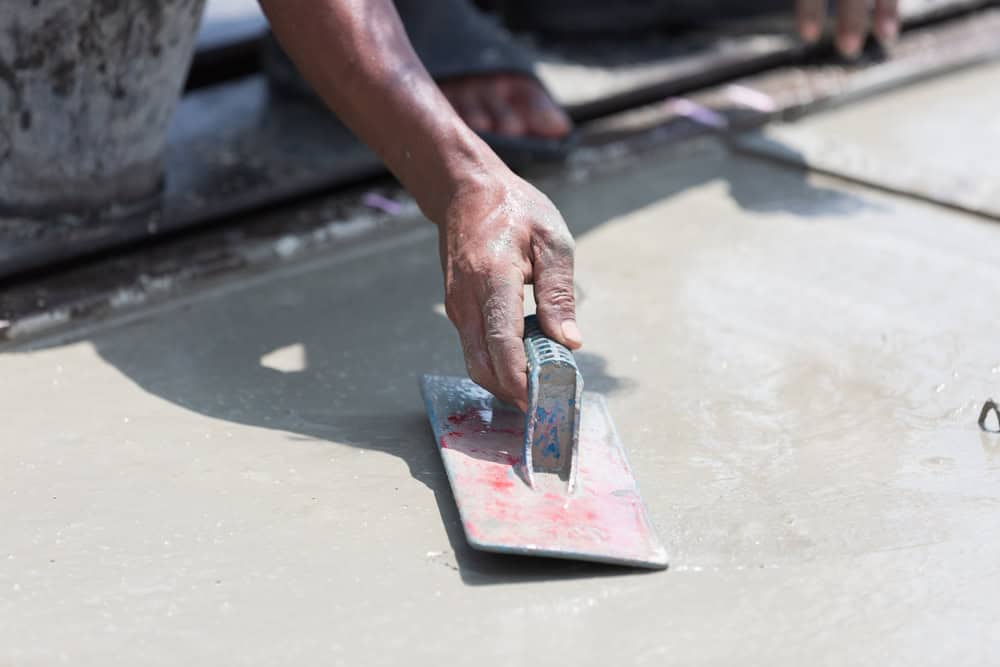
We start with an on-site assessment to understand your space, drainage patterns, and how you plan to use the area. This isn’t a quick measurement—we’re looking at soil conditions, existing landscaping, and potential challenges before we even talk materials.
Next comes excavation to 8-10 inches depth, which is where most contractors cut corners. We remove unsuitable soil, install proper base layering with the right aggregate materials, and plan drainage to prevent water issues down the road. Edge restraints go in to keep everything locked in place.
Paver installation follows your chosen pattern with constant level checks and precise cutting for edge pieces. We sweep in joint sand, compact everything properly, and clean up completely. Your patio is ready to use immediately, and you’ll know it was built to last because you can see the difference in the foundation work.

Ready to get started?
Your paver patio installation includes complete site preparation, proper base materials, and professional installation of your chosen pavers. We handle all excavation, drainage considerations, and edge restraints to keep everything in place long-term.
You get options for concrete pavers, natural stone, and brick pavers. We’ll show you samples and explain the pros and cons of each based on your budget and maintenance preferences. Pattern options range from simple running bond to more complex herringbone or circular designs.
Stony Brook University properties often have unique challenges like sandy soil or existing mature landscaping. We work around these issues rather than through them. Your installation includes proper permits where required and thorough cleanup when we’re finished. The result is a patio that handles Long Island’s weather conditions while providing the outdoor living space you’ve been wanting.

Quality paver patios installed with proper base preparation last 20-30 years or more in Long Island’s climate. The key is correct installation—proper excavation depth, appropriate base materials, and adequate drainage.
Pavers themselves are extremely durable and handle freeze-thaw cycles better than poured concrete because they can move slightly without cracking. Individual pavers can be replaced if damaged, but this is rarely necessary when the installation is done correctly from the start. We design our installations specifically for Long Island’s sandy soil, coastal moisture, and seasonal temperature changes.
Concrete pavers offer consistent sizing, color options, and typically cost less than natural stone. They’re manufactured to specific dimensions which makes installation more predictable and often results in tighter joints and cleaner lines.
Natural stone pavers like bluestone or flagstone provide unique character with natural color variations and textures, but require more skill to install due to thickness variations. They tend to stay cooler in summer heat and develop a natural patina over time.
Both options are durable for Long Island weather. Your choice usually comes down to budget, desired appearance, and how formal or natural you want the finished patio to look. We’ll show you samples of both during your consultation.
Sandy soil actually drains well, but it can be unstable without proper preparation. We excavate to the right depth and install a properly graded base using crushed stone aggregate that provides both drainage and stability.
The key is creating a foundation that won’t shift over time. We use geotextile fabric between the subsoil and base material to prevent migration, and we grade everything with a slight slope away from your house to direct water flow properly.
For properties with specific drainage challenges, we can integrate French drains, catch basins, or other solutions into the patio design. The goal is preventing water from pooling on the surface or saturating the ground beneath, which could cause settling or shifting later.
Most paver patio installations in Stony Brook University don’t require permits if they’re not attached to the house structure and don’t involve electrical or plumbing work. However, larger patios or those affecting drainage patterns might need permits.
We’re familiar with local requirements and handle permit applications when necessary. It’s always better to check with the building department beforehand rather than deal with issues later. Some townships have specific requirements for setbacks from property lines or drainage considerations.
We include permit costs in our estimates when required and ensure all work meets local building codes. This protects you from potential issues if you ever sell your home or need inspections for other reasons.
Paver patios require minimal maintenance compared to wood decking or stamped concrete. Annual maintenance includes sweeping debris, occasional power washing, and reapplying joint sand if needed.
Weeds between pavers can be prevented with polymeric sand or controlled with standard weed treatments. Snow removal is easy—you can use snow blowers and salt without damaging the pavers like you might with other materials.
Over time, you might need to add joint sand where it’s settled or washed out, but this is a simple process. The pavers themselves don’t need sealing unless you want to enhance color or add stain resistance. With proper installation, your biggest maintenance task will be keeping furniture clean.
Paver patio costs in Stony Brook University typically range from $15-30 per square foot installed, depending on paver material, site conditions, and design complexity. Concrete pavers are generally less expensive than natural stone options.
Factors affecting price include excavation requirements, drainage needs, access to your backyard, and pattern complexity. Simple rectangular patios cost less than curved designs or intricate patterns. Properties with challenging soil conditions or tight access may require additional work.
We provide detailed estimates after assessing your specific site and discussing your preferences for materials and design. The investment pays off in increased property value, expanded living space, and decades of reliable outdoor enjoyment without the ongoing maintenance costs of other patio materials.