
Patio Pavers in Southold, NY

Transform Your Backyard Into an Outdoor Oasis

Durable patio pavers designed for Long Island’s coastal climate and your lifestyle.

Worker using a yellow plate compactor on soil next to newly laid gray stone tiles. The setup shows the process of flooring with tiles on one side and compacted earth on the other. Worker visible from the waist down.

Hear from Our Customers

A person wearing yellow gloves is placing a gray paver on a partially completed paved area. Nearby are additional pavers, a black and yellow rubber mallet, and an orange tape measure. Sand is visible next to the paved section.

Professional Paver Installation Services

What You Get With Quality Pavers

Your cracked concrete patio doesn’t have to stay that way. When you choose professional paver installation, you’re getting an outdoor space that actually works for your life.

Patio pavers handle Southold’s freeze-thaw cycles without cracking like concrete does. They drain properly, so you won’t deal with standing water or dangerous ice patches. And when you want to entertain, you’ll have a surface that looks great and feels safe underfoot.

The real benefit? You’ll stop worrying about your patio and start using it. No more avoiding that back corner where the concrete sank. No more apologizing to guests about the cracks. Just a clean, level surface that adds value to your property and gives you the outdoor living space you actually want.

Southold Masonry and Paving Experts

We Know Long Island Weather

We at Stone Escapes Masonry & Outdoor Design Inc have been installing paver patios throughout Southold and the North Fork for years. We understand what coastal weather does to outdoor surfaces, and we build accordingly.

Every paver installation we do accounts for salt air, ground movement, and the freeze-thaw cycles that destroy concrete patios. We use proper base materials, correct drainage slopes, and installation techniques that work with Long Island’s soil conditions.

You’re not getting a crew that learned paving in Arizona. You’re getting contractors who know exactly what your patio needs to last in this climate.
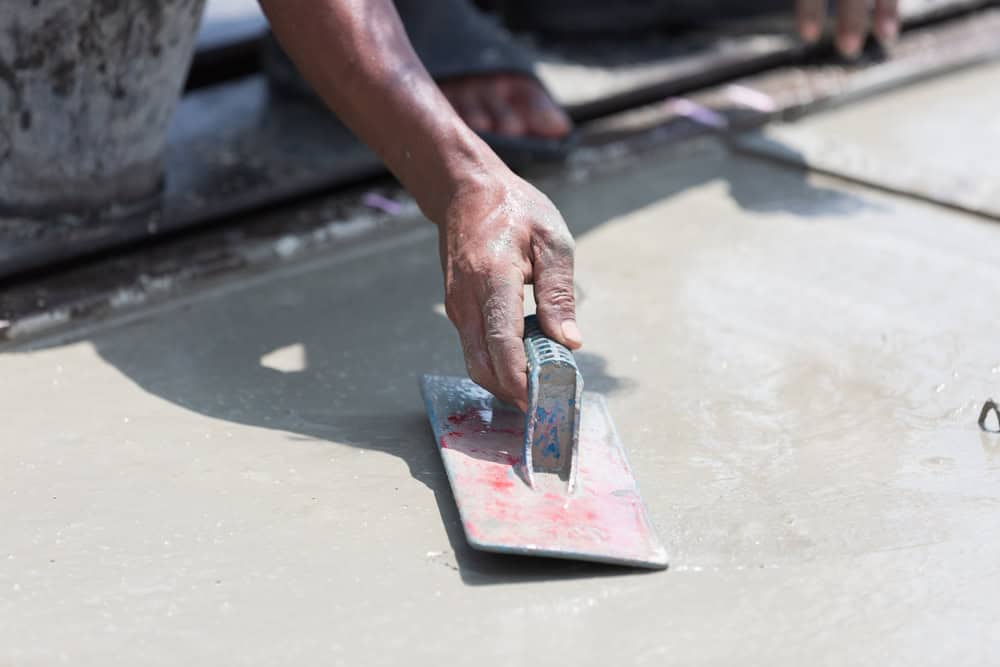
A person smoothing wet cement with a trowel. Their hand is steady as they work on the surface. The setting appears to be outdoors on a construction site.

Paver Patio Installation Process

Here's How We Handle Your Project

First, we’ll assess your current patio situation and discuss what you want from the space. We measure, check drainage, and explain what needs to happen to get you the results you’re looking for.

Next comes excavation and base preparation. This is where most DIY projects and cheap contractors fail. We dig to proper depth, install the right base materials, and create the drainage slope your patio needs to shed water effectively.

Then we install your pavers according to your chosen pattern, ensuring level surfaces and tight joints. We finish with proper edge restraints and joint sand to lock everything in place. The whole process typically takes 3-5 days depending on size and complexity, and you’ll have a patio that’s ready to use immediately.

A worker in a gray shirt and cap kneels on a partially paved surface, carefully placing a brick into an arrangement. A trowel and a leveling tool lie on the sand beside him, and a rubber mallet is nearby.

Ready to get started?

Explore More Services

About Stone Escapes Masonry & Outdoor Design

Get a Free Consultation

Complete Patio Paver Services

What's Included in Every Installation

Your paver patio installation includes complete excavation and removal of old surfaces, proper base preparation with compacted stone, and professional-grade edge restraints that keep everything in place.

We handle all the details that matter: correct drainage slopes so water moves away from your house, quality polymeric sand that resists weeds and washout, and installation techniques that prevent settling and shifting over time.

You’ll also get guidance on paver selection that works with your home’s style and your maintenance preferences. Some homeowners want the lowest maintenance option possible. Others prefer specific colors or textures. We’ll help you choose pavers that deliver what you actually want from your outdoor space.

A pattern of interlocking gray concrete pavers, neatly arranged. Some pavers are stacked in piles of various heights, creating a visual texture. The blocks vary in size and shape, forming a symmetrical and geometric design.

How long do paver patios last in Southold's coastal climate?

Properly installed paver patios last 20-30 years in coastal Long Island conditions, often longer with basic maintenance. Unlike concrete that cracks from freeze-thaw cycles, individual pavers can flex slightly with ground movement. The key is proper installation with adequate base depth and correct drainage. Even if a paver does crack or stain over time, you can replace individual pieces rather than redoing the entire surface. This makes pavers much more practical for our climate than solid concrete surfaces.
Pavers offer better durability and repairability than stamped concrete, especially in our freeze-thaw climate. Stamped concrete looks good initially but tends to crack within 5-10 years, and when it does crack, you need to repair or replace large sections. Pavers handle ground movement better because each piece can shift slightly without cracking. They also provide superior drainage through the joints, reducing ice formation in winter. If you ever need to access utilities under your patio, pavers can be removed and reinstalled, while concrete requires breaking and replacement.
Paver patio costs in Southold typically range from $15-30 per square foot installed, depending on paver selection, site conditions, and project complexity. Basic concrete pavers cost less than natural stone, but both require the same quality installation process. Factors that affect price include excavation depth needed, drainage requirements, access for equipment, and whether we’re removing existing surfaces. We provide detailed estimates that break down material and labor costs so you understand exactly what you’re paying for and why.
Most paver patios in Southold don’t require permits if they’re not attached to the house and don’t exceed certain size limits. However, if your project involves significant grading changes, drainage modifications, or installation near septic systems, permits may be required. We’re familiar with Southold’s building requirements and will let you know during our initial consultation if permits are needed. When permits are required, we can handle the application process and ensure all work meets local codes.
Paver patio maintenance is minimal but important for longevity. Annual tasks include cleaning with a pressure washer or hose, reapplying polymeric sand in joints if needed, and sealing pavers every 2-3 years if you want to maintain color vibrancy. In our coastal environment, occasional salt residue cleaning helps prevent staining. Weeds can grow in joints if sand washes out, but proper polymeric sand application prevents most weed issues. Snow removal is easier on pavers than concrete because you can use ice melt products without worrying about surface damage.
Installing pavers over existing concrete is possible but not always recommended, especially if the concrete has drainage or settling issues. The existing surface needs to be structurally sound, properly sloped for drainage, and level. If your concrete is cracked or has settled unevenly, those problems will transfer to the pavers over time. In most cases, removing the old concrete and installing pavers with proper base preparation gives better long-term results. We’ll assess your existing surface and recommend the approach that makes the most sense for your situation and budget.