
Patio Pavers in Selden, NY

Your Backyard Deserves Better Than Cracked Concrete

Professional paver installation that creates the outdoor space you actually want to use.

Worker using a yellow plate compactor on soil next to newly laid gray stone tiles. The setup shows the process of flooring with tiles on one side and compacted earth on the other. Worker visible from the waist down.

Hear from Our Customers

A person wearing yellow gloves is placing a gray paver on a partially completed paved area. Nearby are additional pavers, a black and yellow rubber mallet, and an orange tape measure. Sand is visible next to the paved section.

Selden Paver Installation Services

What Your New Paver Patio Actually Gets You

You get a surface that won’t crack, settle, or create those annoying puddles every time it rains. Unlike concrete that fails as one big slab, individual pavers can be adjusted or replaced if needed.

Your property value goes up. Real estate agents consistently report that quality paver patios add 8-15% more value than basic concrete, and buyers notice the difference immediately.

You get decades of use without the headaches. Properly installed pavers handle Long Island’s freeze-thaw cycles without the cracking and heaving that destroy concrete patios within a few years.

Experienced Paver Contractors Selden

We Know Long Island Soil Conditions

Stone Escapes Masonry & Outdoor Design Inc has been handling paver installations across Selden and Long Island for years. We understand how clay soil behaves, what drainage issues to expect, and how to build a base that won’t settle.

You’re not getting a crew that learned paving in Florida or Texas. We know exactly how Long Island weather affects hardscape installations, and we prepare accordingly.

Our work comes with comprehensive warranties because we’re confident in our installation methods and material choices.
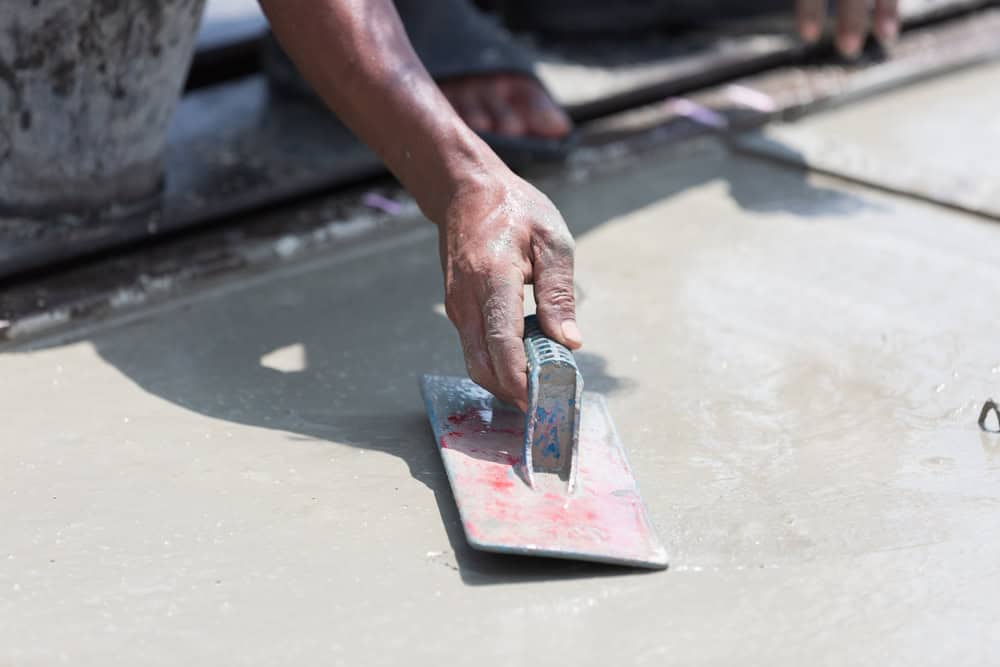
A person smoothing wet cement with a trowel. Their hand is steady as they work on the surface. The setting appears to be outdoors on a construction site.

Paver Patio Installation Process

Here's Exactly What Happens During Installation

First, we excavate to the proper depth and grade for drainage. This isn’t just digging a hole – we’re creating a foundation that will handle water runoff and prevent settling issues that plague quick installations.

Next comes base preparation with crushed stone and sand leveling. This is where most problems start if done incorrectly, so we take time to compact properly and check grades multiple times.

Then we install your pavers in the pattern you’ve chosen, making sure joints are tight and surfaces are level. Final step is joint sand and sealing if you’ve chosen that option.

The entire process typically takes 3-5 days depending on size and complexity. We clean up completely each day and protect your existing landscaping throughout the project.

A worker in a gray shirt and cap kneels on a partially paved surface, carefully placing a brick into an arrangement. A trowel and a leveling tool lie on the sand beside him, and a rubber mallet is nearby.

Ready to get started?

Explore More Services

About Stone Escapes Masonry & Outdoor Design

Get a Free Consultation

Paver Patio Design Options

What's Included in Your Paver Installation

You get material selection help that actually makes sense for your home’s style and your budget. We’ll show you options that work well in Selden’s climate and explain the real differences between material choices.

Complete base preparation is included – proper excavation, crushed stone base, sand leveling, and compaction. This foundation work is what separates installations that last from ones that fail in a few years.

We handle permits when required and make sure the installation meets local codes. You don’t have to figure out township requirements or worry about inspection issues.

Your installation includes cleanup and disposal of excavated materials. We don’t leave you with piles of dirt and debris to deal with after we’re finished.

A pattern of interlocking gray concrete pavers, neatly arranged. Some pavers are stacked in piles of various heights, creating a visual texture. The blocks vary in size and shape, forming a symmetrical and geometric design.

How long do paver patios last compared to concrete?

Properly installed paver patios typically last 25-30 years or more, while concrete patios in Long Island often start cracking within 5-10 years due to our freeze-thaw cycles and clay soil movement. The key difference is that pavers move independently, so ground settling doesn’t create the large cracks you see in concrete slabs. Individual pavers can also be replaced if damaged, while concrete requires complete replacement once it fails significantly.
The difference is almost entirely in base preparation and drainage. Cheap installations skip proper excavation depth, use inadequate base materials, or don’t compact properly. This leads to settling, uneven surfaces, and premature failure. Quality installation includes 6-8 inches of properly compacted crushed stone base, correct sand leveling, and proper drainage grading. You’re paying for the foundation work you can’t see, which determines whether your patio lasts 5 years or 25 years.
Pavers actually handle our climate better than concrete because they’re designed to move slightly with freeze-thaw cycles. The joints between pavers allow for expansion and contraction, while concrete tries to expand as one piece and cracks under stress. Proper installation with adequate base depth and drainage prevents frost heaving issues. Most paver manufacturers specifically engineer their products for northeastern climates, and quality installations routinely survive decades of Long Island winters without problems.
Sometimes, but only if the existing concrete is in good condition, properly graded for drainage, and thick enough to support the additional weight. If your concrete is already cracked or settling, installing pavers over it just transfers those problems to your new surface. In most cases, especially with older concrete patios, complete removal and proper base preparation give you better long-term results. We’ll assess your existing surface and recommend the approach that makes sense for your situation and budget.
Maintenance is minimal compared to concrete. You’ll need to add joint sand occasionally as it washes out over time, and power washing every few years keeps them looking fresh. Some homeowners choose to seal their pavers every 3-5 years to enhance color and resist staining, but it’s not required for durability. If individual pavers get damaged or stained beyond cleaning, they can be replaced without affecting the rest of the patio. The main thing is keeping joints filled with sand to prevent weed growth and maintain stability.
Costs vary significantly based on size, material choice, site conditions, and complexity of the design. Basic installations typically start around $15-20 per square foot for standard pavers, while premium materials and complex patterns can run $25-35 per square foot. The biggest cost factor is usually site preparation – areas requiring extensive excavation, drainage work, or dealing with existing structures cost more. We provide detailed estimates that break down material and labor costs so you understand exactly what you’re paying for and can make informed decisions about options.