
Patio Pavers in Ronkonkoma, NY

Transform Your Backyard Into Your Favorite Room

Durable patio pavers that handle Long Island weather while creating the outdoor space you actually want to use.

Worker using a yellow plate compactor on soil next to newly laid gray stone tiles. The setup shows the process of flooring with tiles on one side and compacted earth on the other. Worker visible from the waist down.

Hear from Our Customers

A person wearing yellow gloves is placing a gray paver on a partially completed paved area. Nearby are additional pavers, a black and yellow rubber mallet, and an orange tape measure. Sand is visible next to the paved section.

Professional Paver Installation Ronkonkoma

Finally, An Outdoor Space Worth Using

Your cracked concrete patio doesn’t have to stay that way. When you choose quality paver installation, you get an outdoor space that actually works for your life.

Picture hosting summer barbecues without worrying about guests tripping over uneven surfaces. Imagine a patio that looks as good in five years as it does today, with no cracks spreading across the surface every winter.

That’s what happens when pavers are installed correctly with proper base preparation and drainage. You get a surface that flexes with Long Island’s freeze-thaw cycles instead of fighting them. No more water pooling after storms, no more embarrassing cracks to explain to neighbors.

Ronkonkoma Paver Contractors

We Know Long Island Soil Conditions

Stone Escapes Masonry & Outdoor Design Inc has been installing paver patios throughout Ronkonkoma and Long Island for years. We understand how clay soil moves, how coastal weather affects materials, and what it takes to build patios that last.

You won’t find us cutting corners on base preparation or using subpar materials. Every patio we install meets or exceeds manufacturer specifications because we know you’re not just buying pavers – you’re investing in your home.

Our team is licensed, insured, and familiar with local building requirements. We’ve seen what happens when paver installation is done wrong, and we make sure it’s done right the first time.
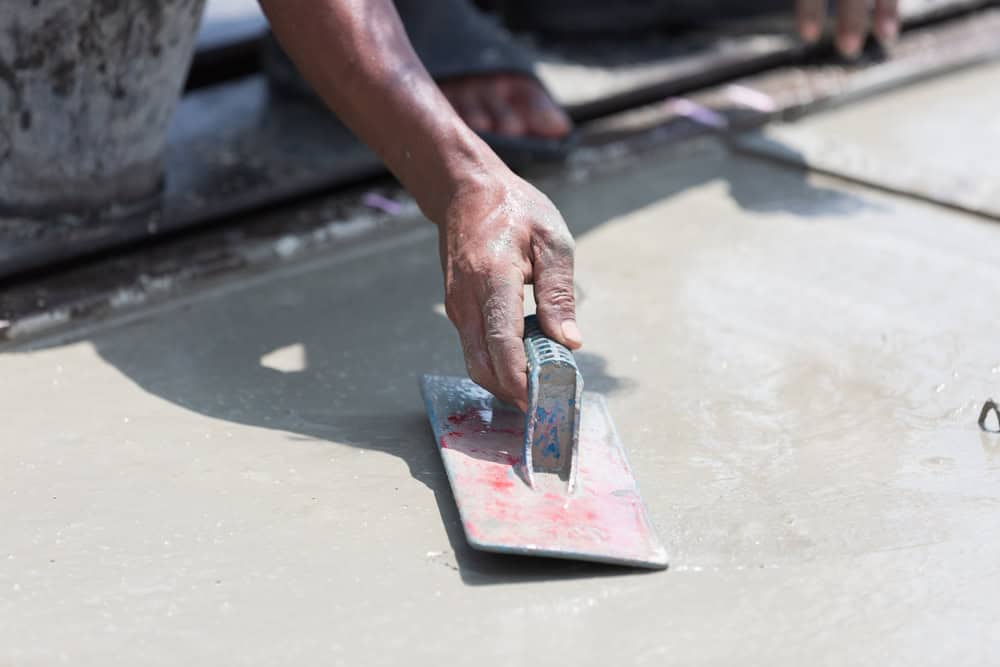
A person smoothing wet cement with a trowel. Their hand is steady as they work on the surface. The setting appears to be outdoors on a construction site.

Paver Patio Installation Process

Here's Exactly What We Do

First, we assess your space and discuss your vision. We’ll measure the area, check drainage patterns, and talk through material options that make sense for your budget and style.

Next comes excavation and base preparation – the most critical part most contractors rush through. We excavate to proper depth, install a compacted stone base, and ensure proper grading for water runoff. This foundation determines whether your patio lasts five years or twenty-five.

Then we install your pavers with precise spacing and alignment. We use proper edge restraints to prevent shifting and finish with polymeric sand that locks everything in place. The result is a patio that looks professional and performs like it should.

A worker in a gray shirt and cap kneels on a partially paved surface, carefully placing a brick into an arrangement. A trowel and a leveling tool lie on the sand beside him, and a rubber mallet is nearby.

Ready to get started?

Explore More Services

About Stone Escapes Masonry & Outdoor Design

Get a Free Consultation

Stone Paver Options Ronkonkoma

Materials That Handle Real Weather

We work with paver materials specifically chosen for Long Island conditions. That means stones that won’t crack in winter freezes, colors that won’t fade in summer sun, and textures that provide good traction when wet.

You’ll choose from concrete pavers, natural stone, or brick – each with different benefits for durability, appearance, and budget. We’ll explain the real differences so you can make an informed decision, not just pick the cheapest option.

Every installation includes proper base materials, edge restraints, and polymeric sand jointing. We also handle any necessary permits and ensure the work meets local building codes. You get a complete installation, not corners cut to save a few dollars.

A pattern of interlocking gray concrete pavers, neatly arranged. Some pavers are stacked in piles of various heights, creating a visual texture. The blocks vary in size and shape, forming a symmetrical and geometric design.

How long do paver patios last in Long Island weather?

Properly installed paver patios typically last 20-30 years in Long Island conditions, often longer with basic maintenance. The key is correct base preparation and using quality materials rated for freeze-thaw cycles. Unlike concrete that cracks as a single slab, individual pavers can flex with ground movement. If a paver does get damaged, you can replace just that piece rather than tearing up the entire patio. The biggest factor in longevity is the installation quality – proper excavation depth, compacted base materials, and correct drainage prevent most problems that cause premature failure.
Concrete pavers offer consistent sizing, color options, and typically cost less than natural stone. They’re manufactured to specific standards and work well for most residential patios. Natural stone like bluestone or flagstone provides unique character with natural color variations and textures, but costs more and requires more careful installation due to thickness variations. Both handle Long Island weather well when properly installed. Concrete pavers are easier to replace if damaged, while natural stone offers a more premium appearance. Your choice often comes down to budget and the look you want to achieve.
Proper drainage starts with correct grading during excavation. We slope the patio away from your house at the right angle – enough to move water but not so much that furniture wobbles. The paver base includes drainage stone that allows water to percolate through rather than pooling on top. We also install edge drains when needed and ensure water has a clear path away from the patio area. Long Island’s clay soil can be challenging for drainage, so we sometimes need to add drainage pipes or adjust the base materials. Getting this right prevents water damage to your foundation and keeps the patio surface from staying wet after storms.
Sometimes, but it depends on the condition of your existing concrete. If the concrete is level, structurally sound, and has good drainage, we can often install pavers over it with a modified base system. However, if your concrete has cracks, settling, or drainage problems, those issues will eventually affect the pavers too. In most cases, we recommend removing the old concrete to ensure proper base preparation and longevity. This also allows us to correct any drainage issues and achieve the right finished height. While overlay installation costs less upfront, starting fresh usually provides better long-term results and value.
Paver maintenance is straightforward – mainly occasional cleaning and resealing every few years. You’ll want to sweep regularly to prevent debris buildup and rinse with a hose or pressure washer annually. Weeds can grow between pavers if the polymeric sand washes out, but that’s easily fixed by adding new sand. Sealing isn’t required but helps maintain color and makes cleaning easier. If individual pavers get stained or damaged, you can replace just those pieces. The biggest maintenance issue is usually edge pavers shifting if the restraint system fails, but quality installation prevents this problem. Overall, pavers require much less maintenance than concrete or wooden decks.
Most residential paver patios take 3-5 days to complete, depending on size and complexity. Day one involves excavation and base preparation. Day two is base material installation and compaction. Day three is paver installation, and day four is finishing work like edge restraints and sand application. Weather can affect the timeline, especially if we get heavy rain during excavation. Complex designs with curves or multiple levels take longer. We’ll give you a realistic timeline during the estimate and keep you updated if anything changes. The key is not rushing the base preparation – that work determines how well your patio performs for decades.