
Patio Pavers in Ridge, NY

Beautiful Patios That Actually Last

Professional paver installation designed for Long Island weather and your lifestyle.

Worker using a yellow plate compactor on soil next to newly laid gray stone tiles. The setup shows the process of flooring with tiles on one side and compacted earth on the other. Worker visible from the waist down.

Hear from Our Customers

A person wearing yellow gloves is placing a gray paver on a partially completed paved area. Nearby are additional pavers, a black and yellow rubber mallet, and an orange tape measure. Sand is visible next to the paved section.

Professional Paver Installation Ridge

Your Outdoor Space, Done Right

You want a patio that looks great and stays that way. Not one that starts sinking after the first winter or develops drainage problems that turn your backyard into a swamp.

When patio pavers are installed correctly, you get a surface that handles everything Long Island weather throws at it. Proper base preparation means no settling or shifting when the ground freezes and thaws. Good drainage design keeps water moving away from your foundation instead of pooling where you don’t want it.

The result is an outdoor space you can count on for entertaining, relaxing, and adding real value to your property. No ongoing headaches, no constant repairs, just a patio that works the way it should.

Ridge Masonry Contractors

We Know Long Island Conditions

Stone Escapes Masonry & Outdoor Design Inc focuses on one thing: creating outdoor spaces that work for Long Island homeowners. We’ve built our reputation in Ridge and surrounding areas by understanding what it takes to install pavers that last in this climate.

Every project starts with proper planning. We know how sandy soil behaves, how freeze-thaw cycles affect different materials, and what drainage solutions work best for local conditions. This isn’t guesswork – it’s experience applied to your specific situation.
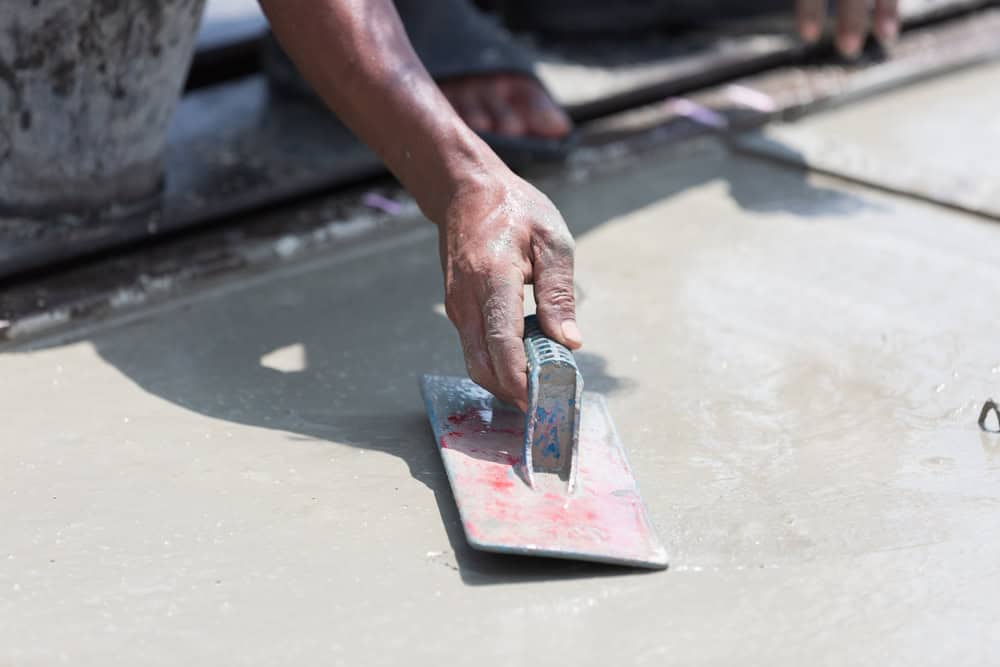
A person smoothing wet cement with a trowel. Their hand is steady as they work on the surface. The setting appears to be outdoors on a construction site.

Paver Installation Process

Here's What Actually Happens

The process starts with a site visit to assess your space, drainage needs, and design preferences. This isn’t a quick sales pitch – it’s a real evaluation of what your property needs and what will work best for your situation.

Next comes excavation and base preparation. This is where most problems start if it’s done wrong. We remove soil to the proper depth, install a graded stone base, and ensure proper drainage before any pavers go down. Getting this foundation right is what separates installations that last from ones that fail.

Finally, pavers are laid according to your chosen pattern, edges are secured, and joints are filled with appropriate materials. The finished surface is compacted and cleaned, leaving you with a patio that’s ready to use and built to handle whatever weather comes next.

A worker in a gray shirt and cap kneels on a partially paved surface, carefully placing a brick into an arrangement. A trowel and a leveling tool lie on the sand beside him, and a rubber mallet is nearby.

Ready to get started?

Explore More Services

About Stone Escapes Masonry & Outdoor Design

Get a Free Consultation

Patio Paving Services Ridge

What's Included in Your Project

Every paver installation includes complete site preparation, from excavation to final grading. You get proper base materials – not shortcuts that cause problems later. Drainage solutions are designed for your specific property, whether that means simple grading or more complex systems.

Material selection covers everything from traditional concrete pavers to natural stone options. We help you choose based on your budget, style preferences, and how the space will be used. Pattern options range from simple running bonds to more complex designs that create visual interest.

Ridge homeowners often deal with challenging soil conditions and drainage issues. Each project addresses these local factors upfront, so your finished patio performs well regardless of weather conditions or seasonal changes.

A pattern of interlocking gray concrete pavers, neatly arranged. Some pavers are stacked in piles of various heights, creating a visual texture. The blocks vary in size and shape, forming a symmetrical and geometric design.

How long do patio pavers last in Long Island weather?

Properly installed patio pavers typically last 20-30 years or more in Long Island conditions. The key is correct base preparation and drainage design. Pavers themselves are extremely durable – concrete pavers are designed to handle freeze-thaw cycles, and natural stone has been dealing with weather for centuries. Most paver problems come from poor installation, not material failure. When the base is prepared correctly and drainage is handled properly, pavers actually perform better than poured concrete in our climate because they can flex slightly with ground movement instead of cracking.
The difference usually comes down to base preparation and drainage work. Cheap installations often skip proper excavation depth, use inadequate base materials, or ignore drainage requirements. This saves money upfront but creates expensive problems later when pavers start sinking, shifting, or developing drainage issues. Quality installations take time to excavate properly, install adequate base materials, and design drainage that actually works. The pavers themselves might be similar, but the foundation underneath makes all the difference in how long your patio lasts and how well it performs.
Most paver patios in Ridge don’t require permits if they’re at ground level and not attached to your house structure. However, if your project involves significant grading, drainage work that affects neighboring properties, or connections to existing structures, permits might be required. Local regulations can be specific, and it’s always better to check with the town beforehand than deal with issues later. A reputable contractor will know local requirements and can help determine if permits are needed for your specific project.
Drainage design starts during the planning phase, not after problems develop. The patio surface needs to slope away from your house – typically about 1/4 inch per foot. The base preparation includes proper grading to direct water where you want it to go. In some cases, this means installing drainage systems like French drains or catch basins, especially if your property has challenging topography or clay soil. Long Island’s sandy soil generally drains well, but areas with poor drainage or heavy clay need special attention. The goal is to keep water moving away from your foundation and prevent pooling anywhere on the patio surface.
Both concrete pavers and natural stone perform well in Long Island’s climate when installed properly. Concrete pavers are engineered to handle freeze-thaw cycles and come in many colors and textures. They’re consistent in size and thickness, which makes installation more predictable. Natural stone like bluestone or granite offers unique appearance and extreme durability, but typically costs more and requires more skill to install properly. The most important factor isn’t the material choice – it’s proper installation. Either option will last decades if the base preparation and drainage are done correctly.
Paver patio costs in Ridge typically range from $15-30 per square foot installed, depending on materials, site conditions, and project complexity. Simple concrete paver installations on level ground cost less than natural stone projects requiring extensive excavation or drainage work. Factors that affect pricing include access to your backyard, amount of excavation needed, drainage requirements, and material choices. The lowest price isn’t always the best value – proper installation costs more upfront but saves money long-term by avoiding repairs and replacements. Most contractors provide free estimates that break down material and labor costs for your specific project.