Paver Patio in Patchogue, NY

Built Right for Long Island Weather

Your paver patio should handle sandy soil, coastal moisture, and freeze-thaw cycles without sinking or shifting.
Worker using a yellow plate compactor on soil next to newly laid gray stone tiles. The setup shows the process of flooring with tiles on one side and compacted earth on the other. Worker visible from the waist down.

Hear from Our Customers

A person wearing yellow gloves is placing a gray paver on a partially completed paved area. Nearby are additional pavers, a black and yellow rubber mallet, and an orange tape measure. Sand is visible next to the paved section.

Paver Patio Installation Patchogue

No More Sunken or Shifting Pavers
You get a paver patio that stays level and looks great for decades. We excavate 8-10 inches deep and install proper base layers that handle Long Island’s sandy soil conditions. Most contractors skip the drainage planning. We don’t. Your patio gets designed with water flow in mind, so you won’t deal with pooling or frost heave damage later. The result is a stable outdoor space that adds value to your Patchogue home while giving you years of low-maintenance enjoyment.

Patchogue Paver Contractor

Licensed Across Long Island Since Day One
We serve Suffolk and Nassau Counties, including Patchogue and the surrounding areas. Owner Iain Traynor brings carpentry and union masonry experience to every project. We’re licensed in Suffolk, Nassau, and various Long Island townships. Our certifications include Cambridge, Techo-Bloc, Unilock, Nicolock, Eldorado, and Boral – the manufacturers that matter for quality installations. You work directly with us from estimate through completion. No subcontractors, no project handoffs, just consistent crews who know how to build patios that last in coastal conditions.

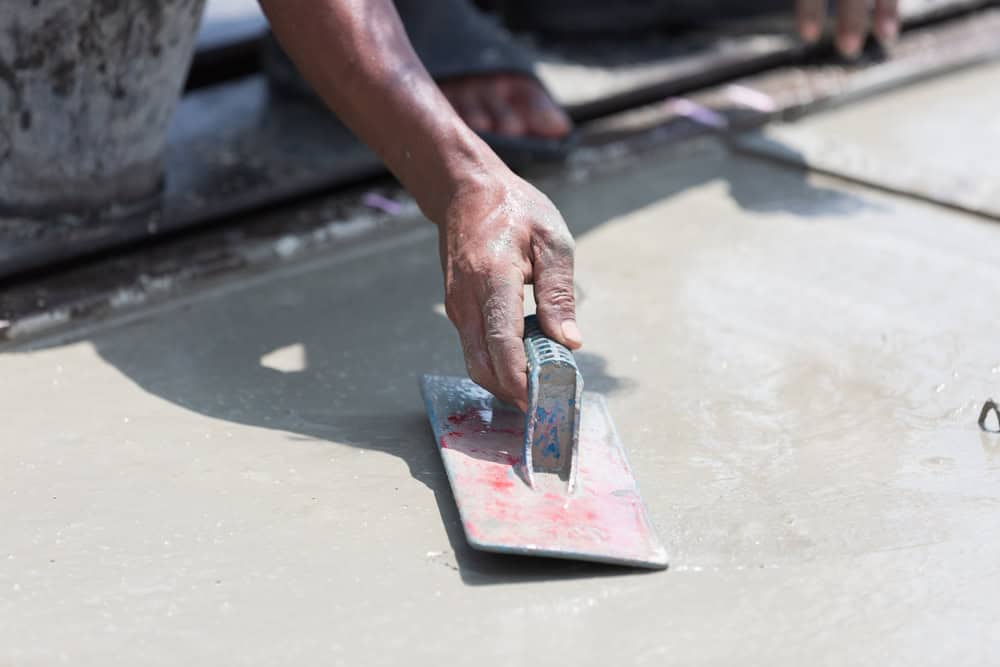
A person smoothing wet cement with a trowel. Their hand is steady as they work on the surface. The setting appears to be outdoors on a construction site.

Backyard Paver Installer Process

Built Different for Sandy Soil
We start with an in-person estimate where we assess your soil conditions and drainage needs. Every Patchogue property is different, and we plan accordingly. Excavation goes 8-10 inches deep – deeper than most contractors dig. We remove unstable soil and add proper base layers with compaction at each stage. Edge restraints go in to prevent shifting. Drainage planning happens before we lay a single paver. Water needs somewhere to go, especially in Long Island’s sandy soil. We grade for proper runoff and install geotextile fabric where needed for extra stability.
A worker in a gray shirt and cap kneels on a partially paved surface, carefully placing a brick into an arrangement. A trowel and a leveling tool lie on the sand beside him, and a rubber mallet is nearby.

Ready to get started?

Explore More Services

About Stone Escapes Masonry & Outdoor Design

Get a Free Consultation

Interlocking Paver Installation Patchogue

What Your Installation Includes
Every paver patio installation includes excavation to proper depth, compacted aggregate base, drainage planning, and edge restraint installation. We use polymeric sand in joints to prevent weed growth. Patchogue’s sandy soil requires specific techniques. We install geotextile fabric in soft areas and ensure proper compaction to prevent settling. Your patio gets built to handle coastal moisture and freeze-thaw cycles. Material options include concrete pavers, natural stone, and brick in various patterns and colors. We source from certified manufacturers and help you choose options that fit your style and budget while meeting Long Island’s weather demands.
A pattern of interlocking gray concrete pavers, neatly arranged. Some pavers are stacked in piles of various heights, creating a visual texture. The blocks vary in size and shape, forming a symmetrical and geometric design.

How much does a paver patio cost in Patchogue, NY?

Paver patio costs in Patchogue typically range from $30 to $45 per square foot for professional installation with quality materials. This includes excavation, proper base preparation, drainage planning, and installation. The final cost depends on patio size, paver material choice, and site conditions. Simple rectangular designs with concrete pavers cost less than curved layouts with natural stone. Sandy soil conditions in Patchogue sometimes require additional base preparation, which we include in our estimates. We provide detailed, written estimates that break down all costs so you know exactly what you’re paying for. No surprises or hidden fees during the project.
Paver patios sink and shift when contractors don’t properly address Long Island’s sandy soil conditions. Poor drainage planning and inadequate base preparation are the main culprits. Sandy soil drains well but lacks stability without proper compaction and base layers. Many contractors excavate only 4-6 inches and skip geotextile fabric installation. When water saturates the base during heavy rains or freeze-thaw cycles, pavers sink and shift. We excavate 8-10 inches deep and install compacted aggregate base with proper drainage planning. Edge restraints prevent outward movement, and geotextile fabric adds stability in soft soil areas. This prevents the sinking and shifting problems common with rushed installations.
Concrete pavers and natural stone both perform well in Patchogue’s coastal climate when properly installed. The key is choosing materials that handle freeze-thaw cycles and salt air exposure. Concrete pavers from manufacturers like Cambridge and Techo-Bloc are engineered for Long Island conditions. They resist cracking and maintain color despite weather exposure. Natural stone options like bluestone and limestone also work well and offer unique aesthetics. We help you choose materials based on your style preferences, budget, and specific site conditions. The installation method matters more than the paver type – proper base preparation and drainage prevent most weather-related problems regardless of material choice.
Most paver patio installations in Patchogue take 3-7 days depending on size, complexity, and weather conditions. Simple rectangular patios install faster than curved designs with intricate patterns. Site preparation takes 1-2 days and includes excavation, base installation, and compaction. Paver installation and finishing typically require 1-3 additional days. We work efficiently but don’t rush critical steps like drainage and compaction. Weather delays are possible, especially during Long Island’s wet seasons. We’ll keep you updated on scheduling and only work when conditions allow for proper installation. Rushing paver installation leads to problems later, so we prioritize doing it right over doing it fast.
Paver patio permits in Patchogue depend on the project size, location, and drainage changes. Most basic patios don’t require permits, but larger installations or those affecting property drainage might. We handle permit research and applications when needed. Our experience with local building departments means we know what requires permits and what doesn’t. This saves you time and prevents potential issues during construction. Some homeowner associations have their own approval requirements separate from town permits. We’ll help you navigate both municipal and HOA requirements to keep your project compliant and avoid delays.
We prevent weed growth by installing geotextile fabric beneath pavers and using polymeric sand in joints. This two-layer approach blocks weeds from below and above. Geotextile fabric creates a barrier between soil and pavers, preventing weeds from growing up through the base. Polymeric sand contains additives that bind when activated with water, creating a solid joint that resists weed penetration. Regular maintenance helps too. Occasional cleaning and reapplication of polymeric sand every few years keeps joints sealed. We provide maintenance guidelines so your patio stays weed-free and looks great for years after installation.