

Hear from Our Customers

You want a patio that doesn’t shift, crack, or turn into a maintenance headache three years down the road. That means understanding how water moves through North Patchogue’s sandy soil and what happens when winter freeze-thaw cycles hit.
Most paver installations fail because contractors don’t account for local conditions. We excavate 8-10 inches, install proper base materials, and plan drainage from day one. Your patio gets built to handle what Long Island throws at it.
The result is an outdoor space you can count on for decades. No settling, no drainage issues, no constant repairs. Just a solid foundation for barbecues, family gatherings, and quiet mornings with coffee.
Stone Escapes has been handling paver installations across North Patchogue and Suffolk County for years. We’re licensed masonry contractors who understand how sandy soil behaves, where water goes, and what materials hold up in our climate.
Owner Iain Traynor brings union masonry and carpentry experience to every project. We’re certified installers for Cambridge, Techo-Bloc, Unilock, and other major manufacturers. That means we know which products work best in Long Island conditions.
Most of our work comes from neighbors who see our installations and want the same quality for their properties. We handle permits, follow local codes, and stand behind every project we complete.
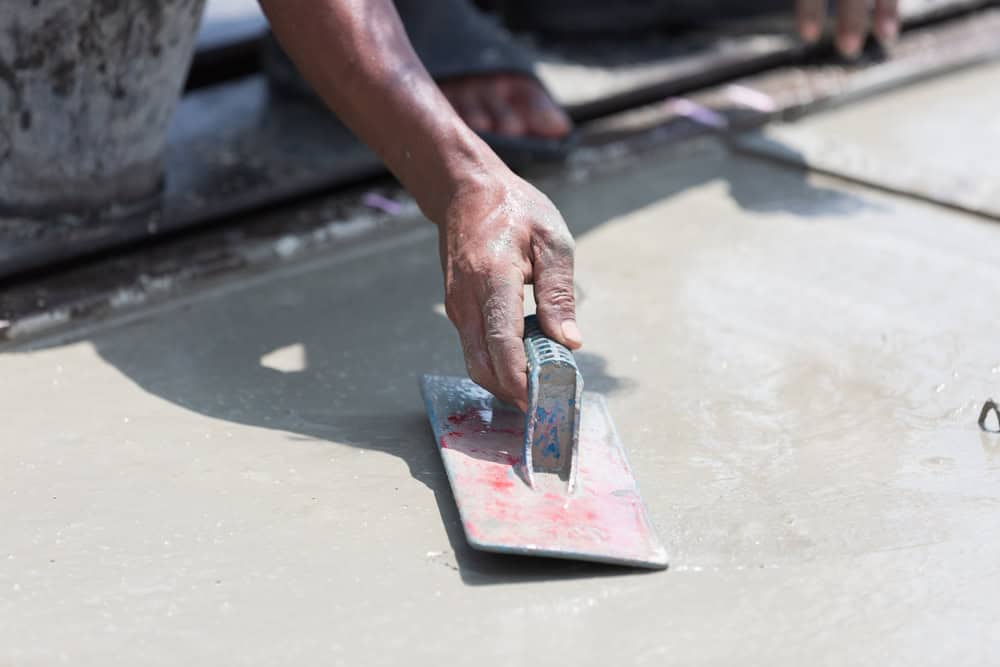
First, we assess your space and discuss what you want to accomplish. We look at drainage patterns, existing landscaping, and how you plan to use the area. Then we provide a detailed estimate with material options and timeline.
Installation starts with proper excavation to 8-10 inches below final grade. We install base materials designed for sandy soil conditions and plan drainage to direct water away from your home. Edge restraints go in to prevent shifting over time.
Your pavers get set on a prepared sand bed with proper spacing and leveling. We finish with polymeric sand in the joints and a thorough cleanup. The whole process typically takes 3-5 days depending on size and complexity.

Ready to get started?
Your paver patio installation includes complete site preparation, proper base materials, and professional installation of your chosen pavers. We handle all excavation, drainage considerations, and edge restraints to keep everything in place long-term.
You get options for paver materials including concrete pavers, natural stone, and brick pavers. We’ll show you samples and explain the pros and cons based on your budget and maintenance preferences. Pattern options range from simple running bond to more complex designs.
North Patchogue properties often have unique challenges like sandy soil or existing mature landscaping. We work around these issues rather than through them. Your installation includes proper permits where required and thorough cleanup when we’re finished.

Quality paver patios installed with proper base preparation last 20-30 years or more in Long Island’s climate. The key is professional installation that accounts for our sandy soil and freeze-thaw cycles.
We excavate to proper depth, install appropriate base materials, and plan drainage from the start. This prevents the settling and cracking that cause most patio failures. Pavers themselves are extremely durable – it’s the foundation work that determines longevity.
With minimal annual maintenance like sweeping debris and occasional joint sand replacement, your patio will handle decades of use and weather without major issues.
Sandy soil in North Patchogue actually drains better than clay, but proper grading and base preparation are still essential. We create a slight slope away from your home and install base materials that allow water to move through rather than pooling.
The bigger concern is preventing erosion and ensuring stable support for your pavers. We use appropriate base depths and compaction techniques designed for sandy conditions. Edge restraints prevent lateral movement over time.
For properties with challenging drainage patterns, we can integrate French drains or catch basins seamlessly with your patio design. This prevents water damage and ensures your patio performs well through Long Island’s wet seasons.
Concrete pavers are the most budget-friendly option and offer excellent durability for North Patchogue conditions. They come in many colors and patterns, resist freeze-thaw damage, and are easy to replace if individual units get damaged.
Natural stone pavers like bluestone or travertine cost more but offer unique beauty and can last 50+ years with proper care. They handle our climate well but require more careful installation and occasional sealing.
Both options work well in our sandy soil conditions. We’ll show you samples and explain maintenance requirements so you can choose based on your budget, style preferences, and how much upkeep you want to handle.
Most North Patchogue homeowners spend $30-45 per square foot for professional paver patio installation. That includes materials, proper base preparation, and labor. A typical 300 square foot patio runs $9,000-13,500.
Costs vary based on paver material choice, site conditions, and design complexity. Simple rectangular patios with concrete pavers cost less than curved designs with natural stone. Challenging access or drainage issues can add to the price.
We provide detailed estimates that break down materials and labor so you know exactly what you’re paying for. No surprise costs or add-ons halfway through the project.
Pavers handle snow removal better than most patio materials. You can use snow blowers, shovels, and even salt without damaging the surface. Individual pavers can flex slightly with freeze-thaw cycles without cracking like concrete slabs.
The key is proper installation with adequate base depth and drainage. We excavate deeper than minimum requirements and use base materials that prevent frost heave. Edge restraints keep everything locked in place through winter expansion and contraction.
Polymeric sand in the joints hardens when wet, preventing weeds and ants while allowing slight movement. This flexibility is what makes pavers more durable than solid concrete in our climate.
Most paver patio installations in North Patchogue don’t require permits if they’re not attached to house structures and don’t involve electrical or plumbing work. However, larger patios or those affecting drainage patterns might need permits.
We’re familiar with local building department requirements and handle permit applications when necessary. It’s always better to check beforehand rather than deal with issues later. Some neighborhoods have specific guidelines about setbacks or drainage.
We include permit costs in our estimates when required and ensure all work meets local building codes. Our installations pass inspections because we know what officials are looking for and build accordingly.