Paver Patio in North Great River

Your Backyard Deserves Better Than Settling

Stop watching your outdoor space sit empty while neighbors enjoy beautiful paver patios that actually last in North Great River’s challenging soil conditions.
Worker using a yellow plate compactor on soil next to newly laid gray stone tiles. The setup shows the process of flooring with tiles on one side and compacted earth on the other. Worker visible from the waist down.

Hear from Our Customers

A person wearing yellow gloves is placing a gray paver on a partially completed paved area. Nearby are additional pavers, a black and yellow rubber mallet, and an orange tape measure. Sand is visible next to the paved section.

Paver Patio Installation North Great River

Finally, a Patio That Handles Long Island
You’ll have an outdoor space that doesn’t shift, crack, or disappoint after the first winter. Your paver patio installation will be built specifically for North Great River’s sandy soil and drainage challenges. No more worrying about water pooling or pavers settling unevenly. We excavate 8-10 inches deep, install proper drainage, and use base materials that work with your soil—not against it. You get a space that looks great year-round and requires minimal maintenance. Just occasional sweeping and power washing. No constant repairs or replacements like other outdoor surfaces.

Paver Contractors North Great River

We Actually Know Long Island Soil
Stone Escapes has been installing paver patios across North Great River and Long Island for years. We understand how the ground moves here, where water goes, and what materials hold up in our climate. You’re not getting a crew that learned about pavers from YouTube videos. You’re getting licensed masonry contractors who’ve solved drainage problems, worked around mature trees, and matched pavers to every style of home in the area. We’re certified with Cambridge, Techo-Bloc, Unilock, and other leading manufacturers. Most of our business comes from referrals because neighbors see the results and want the same quality for their outdoor spaces.
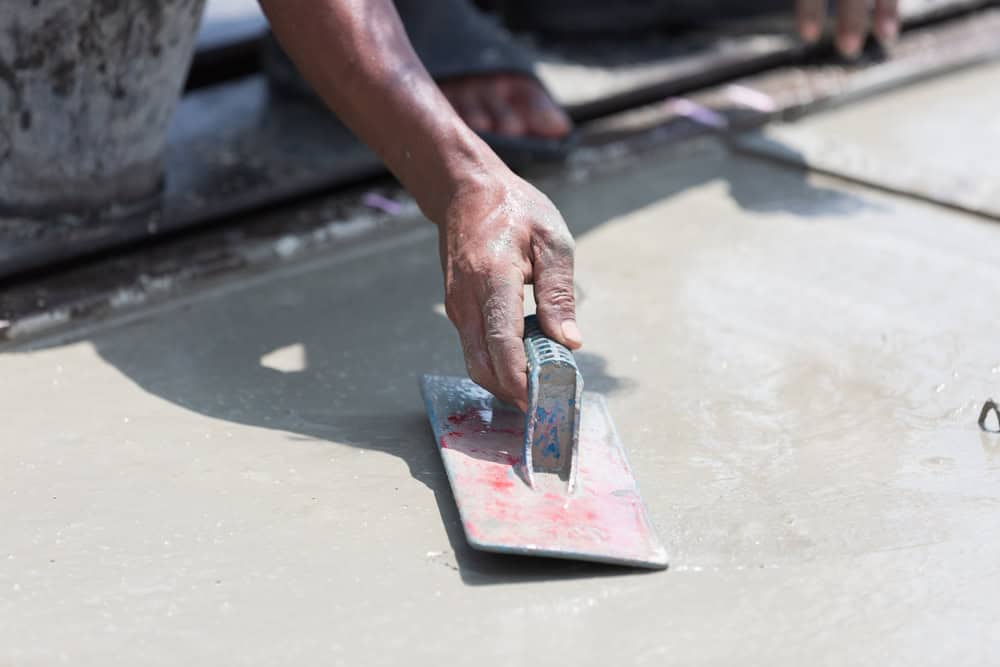
A person smoothing wet cement with a trowel. Their hand is steady as they work on the surface. The setting appears to be outdoors on a construction site.

Paver Patio Process North Great River

Here's Exactly What Happens
First, we assess your space and discuss what you want to accomplish. We look at drainage patterns, existing landscaping, and how you plan to use the area. Then we provide a detailed estimate with material options and timeline. No surprises or hidden costs. Installation starts with proper excavation and base preparation. We dig to the right depth, install drainage where needed, and create a stable foundation that won’t shift over time. Then we install your chosen pavers with precise edge restraints to keep everything locked in place.
A worker in a gray shirt and cap kneels on a partially paved surface, carefully placing a brick into an arrangement. A trowel and a leveling tool lie on the sand beside him, and a rubber mallet is nearby.

Ready to get started?

Explore More Services

About Stone Escapes Masonry & Outdoor Design

Get a Free Consultation

North Great River Paver Installation

What's Included in Your Installation
Your paver patio installation includes complete site preparation, proper base materials, and professional installation of your chosen pavers. We handle all excavation, drainage considerations, and edge restraints to keep everything in place long-term. You get options for paver materials including concrete pavers, natural stone, and brick pavers. We’ll show you samples and explain the pros and cons based on your budget and maintenance preferences. North Great River properties often have unique challenges like sandy soil or existing mature landscaping. We work around these issues rather than through them. Your installation includes proper permits where required and thorough cleanup when we’re finished.
A pattern of interlocking gray concrete pavers, neatly arranged. Some pavers are stacked in piles of various heights, creating a visual texture. The blocks vary in size and shape, forming a symmetrical and geometric design.

Do paver patios require permits in North Great River?

Most paver patio installations in North Great River don’t require permits if they’re not attached to the house structure and don’t involve electrical or plumbing work. However, larger patios or those affecting drainage patterns might need permits. We’re familiar with local requirements and handle permit applications when necessary. It’s always better to check with the building department beforehand rather than deal with issues later. We include permit costs in our estimates when required and ensure all work meets local building codes.
Quality paver patios installed with proper base preparation last 20-30 years or more in Long Island’s climate. The key is proper installation that accounts for our sandy soil and freeze-thaw cycles. Travertine pavers are the most durable, lasting 100 years or more with regular maintenance. Concrete pavers typically last 25-50 years, while traditional brick pavers last around 20 years with proper care. The foundation and drainage work we do is what makes the difference. Without proper base preparation, even the best pavers will shift and settle within a few years.
Paver patios require minimal maintenance compared to wood decking or stamped concrete. Annual maintenance includes sweeping debris, occasional power washing, and reapplying joint sand if needed. Weeds between pavers can be prevented with polymeric sand or controlled with standard weed treatments. Snow removal is easy—you can use snow blowers and salt without damaging the pavers. The low maintenance is one reason homeowners choose pavers over other outdoor surface options. You spend more time enjoying your patio instead of maintaining it.
Sandy soil requires specific techniques that many contractors don’t understand. We excavate deeper than standard installations and use geotextile fabric to prevent base materials from mixing with the sand below. Our base preparation includes proper compaction at each layer and drainage planning to prevent water from undermining the foundation. We’ve learned through years of experience what works in Long Island’s soil conditions. The extra steps we take in base preparation prevent the settling and shifting that plague paver installations done by contractors who don’t understand local soil conditions.
Paver patio costs depend on size, materials, and site conditions. A typical 280-square-foot patio ranges from $2,400 to $7,000, with an average around $3,800. Smaller patios of 60 square feet cost closer to $480 to $1,500, while larger 900-square-foot patios range from $7,200 to $22,500. The paver material you choose significantly affects the final cost. We provide detailed estimates that break down material and labor costs so you understand exactly what you’re paying for. No hidden fees or surprise charges.

We specialize in Long Island conditions and have solved problems other contractors can’t handle. Our owner Iain Traynor has a background in carpentry and union masonry work and remains involved in every project. We’re certified with leading manufacturers like Cambridge, Techo-Bloc, and Unilock. We’re licensed and insured in Suffolk and Nassau Counties, and we handle permits when required. Most importantly, we stand behind our work and most of our business comes from referrals. When neighbors see our installations, they want the same quality for their properties.