Paver Patio in Mount Sinai, NY

Built Right for Long Island Conditions

Your backyard deserves a paver patio that handles Mount Sinai’s sandy soil, coastal moisture, and freeze-thaw cycles without settling or shifting over time.
Worker using a yellow plate compactor on soil next to newly laid gray stone tiles. The setup shows the process of flooring with tiles on one side and compacted earth on the other. Worker visible from the waist down.

Hear from Our Customers

A person wearing yellow gloves is placing a gray paver on a partially completed paved area. Nearby are additional pavers, a black and yellow rubber mallet, and an orange tape measure. Sand is visible next to the paved section.

Paver Patio Installation Mount Sinai

What You Get When It's Done Right
You get a paver patio that stays level, drains properly, and looks exactly like it did the day we finished it—even after years of Long Island weather. No sunken spots where water pools. No shifting pavers that create trip hazards. No weeds growing through loose joints. Your outdoor space becomes the place where you actually want to spend time. Morning coffee, evening dinners, weekend gatherings—all on a surface built to handle whatever you throw at it. And when it comes time to sell, you’ve got an 80% return on investment that buyers notice immediately. The difference is in the preparation work most contractors skip. We excavate 8-10 inches deep, install proper drainage, and use edge restraints that prevent movement. It’s the foundation work that determines whether your patio lasts 5 years or 25.

Mount Sinai Paver Contractor

We Know Long Island Soil
Stone Escapes has been handling Mount Sinai’s unique conditions for over 15 years. Owner Iain Traynor brings union masonry experience and stays involved in every estimate and project. We’re not a crew-of-the-week operation. We’re licensed in Suffolk, Nassau, Southampton, and East Hampton because we understand what each area requires. Mount Sinai’s sandy soil drains differently than clay areas further inland. Coastal moisture affects material choices. Freeze-thaw cycles demand specific preparation techniques. You work directly with us throughout the project. No automated tracking systems or client portals—just straight communication about what’s happening and when. Same crews from start to finish, same standards on every job.
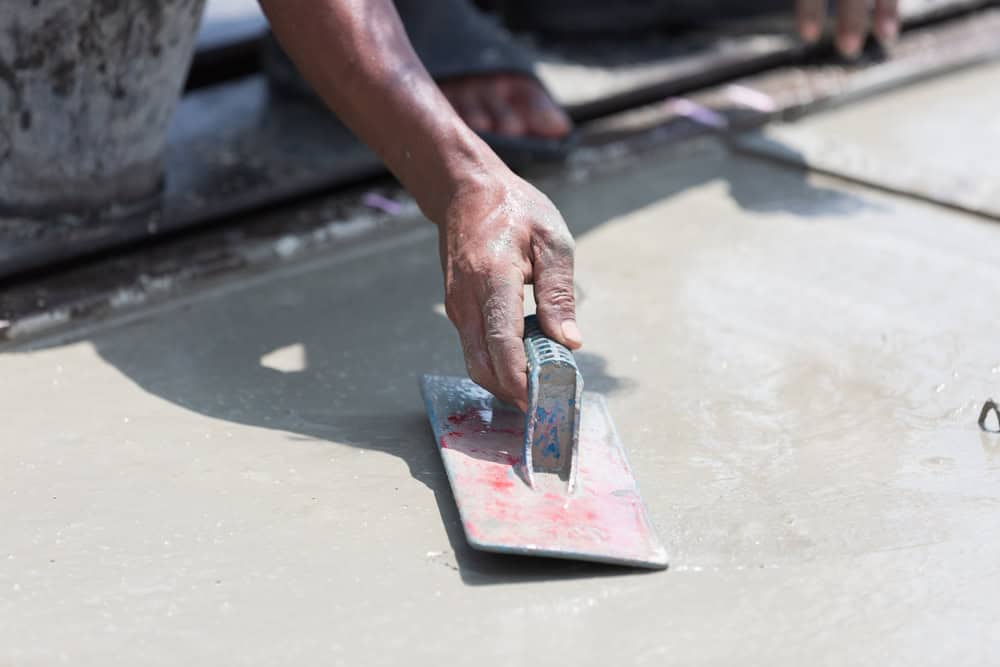
A person smoothing wet cement with a trowel. Their hand is steady as they work on the surface. The setting appears to be outdoors on a construction site.

Paver Patio Installation Process

The Foundation Makes the Difference
We start with an in-person estimate where Iain assesses your specific site conditions. Drainage patterns, soil composition, existing landscaping—everything that affects how your patio will perform long-term. You get a detailed plan, not a quick measurement and generic quote. Excavation comes next, and this is where most projects succeed or fail. We dig 8-10 inches deep, removing any unstable material. Proper base layering follows—compacted stone, correct grading for drainage, edge restraints that actually hold. Each layer gets checked and approved before moving to the next. Paver installation uses manufacturer specifications, not shortcuts. Joint sand, final compaction, cleanup that leaves your property better than we found it. The whole process typically takes 3-5 days depending on size and complexity, with daily updates on progress and any adjustments needed.

A worker in a gray shirt and cap kneels on a partially paved surface, carefully placing a brick into an arrangement. A trowel and a leveling tool lie on the sand beside him, and a rubber mallet is nearby.

Ready to get started?

Explore More Services

About Stone Escapes Masonry & Outdoor Design

Get a Free Consultation

Interlocking Paver Installation Mount Sinai

What's Included in Every Project
Every paver patio installation includes proper excavation, engineered base preparation, and professional installation with all necessary edge restraints and joint stabilization. We handle permits when needed and coordinate material deliveries around your schedule. You get access to pavers from Cambridge, Techo-Bloc, Unilock, Nicolock, and other certified manufacturers. Whether you want classic brick pavers, natural stone, or modern concrete options, we help you choose materials that complement your home’s architecture and handle Mount Sinai’s specific climate conditions. Mount Sinai properties often deal with elevation changes and existing landscaping challenges. We work with these conditions rather than against them, integrating proper drainage solutions and coordinating with other trades if your project involves lighting or additional landscaping work. One point of contact, clear timeline, professional results.
A pattern of interlocking gray concrete pavers, neatly arranged. Some pavers are stacked in piles of various heights, creating a visual texture. The blocks vary in size and shape, forming a symmetrical and geometric design.

How long does a paver patio installation take in Mount Sinai?

Most paver patio installations in Mount Sinai take 3-5 days depending on size and complexity. Weather affects timing since proper base compaction requires temperatures above freezing, and we avoid installation during heavy rain or when ground conditions aren’t suitable. The timeline includes excavation, base preparation, paver installation, and final cleanup. Larger patios or those requiring significant drainage work may take longer. We provide a realistic schedule upfront and keep you updated if conditions change. We don’t rush the foundation work to meet artificial deadlines. The base preparation phase determines how your patio performs for decades, so we take the time needed to do it right the first time.
Mount Sinai’s sandy soil actually helps with drainage compared to clay areas, but it requires specific techniques to prevent shifting and settling. The sandy composition means water moves through it more easily, but it also means pavers can shift if the base isn’t properly prepared and compacted. Coastal moisture from Long Island Sound affects material choices and drainage planning. We account for higher humidity levels and occasional storm surge effects that inland properties don’t face. Salt air also influences which materials and sealers perform best over time. We adjust our excavation depth and base materials based on these local conditions. What works in other parts of Long Island might not be optimal for Mount Sinai’s specific soil and climate challenges.
Most paver patio installations in Mount Sinai don’t require permits if you’re staying within existing property boundaries and not changing drainage patterns. Paver patios are generally considered non-permanent installations that don’t need the same approvals as concrete slabs. However, if you’re expanding your outdoor space, adding new drainage systems, or connecting to existing structures, permits may be required. The Town of Brookhaven has specific requirements for stormwater management that we’re familiar with. We handle permit research and applications when needed as part of our service. You’ll know upfront if permits are required for your specific project, and we take care of the paperwork so you don’t have to navigate the process yourself.
We use polymeric sand in all paver joints, which forms a binding agent when mixed with water that significantly reduces weed growth. This specialized sand creates a much stronger barrier than regular sand that weeds can easily grow through. Proper installation of the polymeric sand is critical—we see many patio failures where contractors installed it incorrectly, leaving gaps that actually encourage weed growth. We also install geotextile fabric underneath the patio as an additional barrier against weeds breaking through from the soil beneath. While some occasional weeds might appear from seeds that blow onto the surface, the combination of properly installed polymeric sand and geotextile fabric eliminates most weed problems. Any maintenance is typically just occasional spot treatment rather than constant weeding.
The biggest difference is in the foundation preparation that determines long-term performance. DIY installations often skip critical steps like proper excavation depth, base material selection, and compaction techniques that prevent settling and shifting over time. Professional installation includes specialized equipment for proper compaction, knowledge of local soil conditions, and access to commercial-grade materials. We also handle drainage planning that prevents water issues that commonly destroy DIY patios within a few years. While DIY might save money upfront, improper installation leads to costly repairs when pavers start sinking, shifting, or creating trip hazards. Our installations include warranties and the expertise to address Mount Sinai’s specific challenges from day one.
Properly installed paver patios handle freeze-thaw cycles much better than concrete because individual pavers can move slightly without cracking. The key is proper base preparation and drainage to prevent water from pooling underneath and causing frost heave. We install base materials and drainage systems specifically designed for Northeast weather conditions. The base allows for slight movement during freeze-thaw cycles while maintaining overall stability. Proper joint sand and edge restraints keep everything in place during seasonal changes. Long Island’s coastal location means we deal with more moisture than inland areas, so drainage planning is especially critical. Water that can’t drain properly will freeze, expand, and cause pavers to shift or crack. Our installation methods account for these specific climate challenges from the beginning.