

Hear from Our Customers

No more avoiding your own outdoor space because it looks tired or causes drainage headaches. You get a paver patio that actually works in Montauk’s coastal environment—one that stays level, drains properly, and looks incredible year after year.
Your weekends change when you have a space that’s ready for family barbecues, morning coffee, or evening conversations. The right paver patio installation means you’re not dealing with cracks, shifting, or water pooling that sends everyone back inside.
Instead of worrying about your outdoor investment, you’re enjoying it. Your patio becomes the natural extension of your home where memories happen, not maintenance problems.
We’ve been handling Long Island’s unique challenges for years—from Montauk’s sandy soil to the salt air that tests every outdoor installation. Owner Iain Traynor brings union masonry experience and stays involved in every project, from estimate to completion.
We’re certified by Cambridge, Techo-Bloc, Unilock, Nicolock, Eldorado, and Boral because we use the right materials for coastal conditions. Our installations account for the 8-10 inch excavation depth needed here, proper base layering, and the drainage planning that prevents the water issues common in sandy soil.
You won’t find us using automated tracking systems or rotating crews. Every Montauk paver patio gets direct oversight and the same experienced team from start to finish.
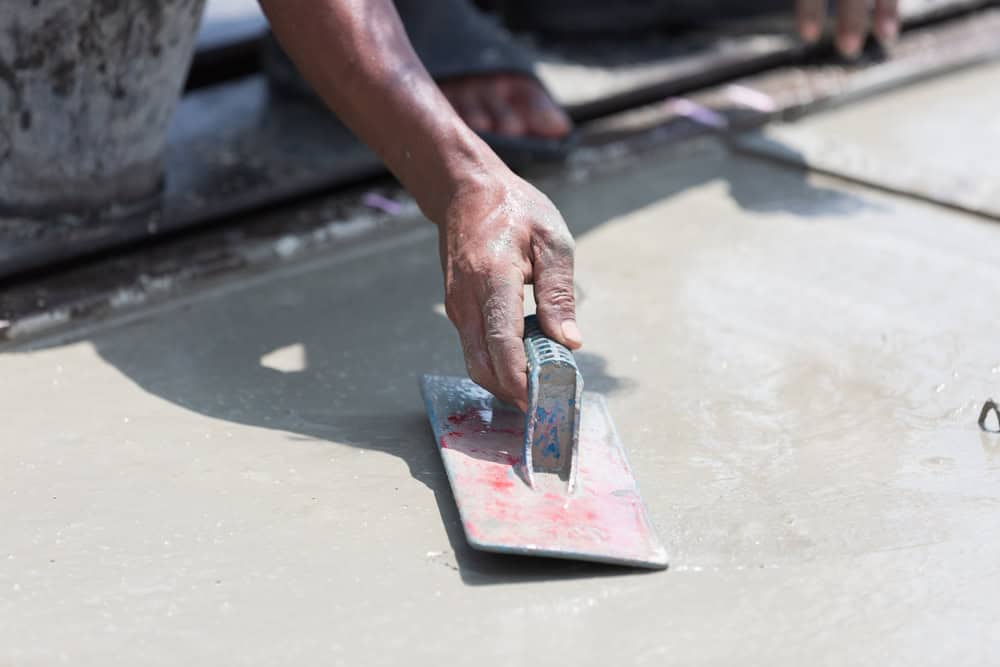
We start with an in-person consultation at your Montauk property to understand your vision and assess the specific soil and drainage conditions of your site. This isn’t a quick estimate—we take time to plan for the coastal moisture, sandy soil, and seasonal changes your patio will face.
Excavation goes 8-10 inches deep to accommodate proper base preparation. We install the aggregate base layer with the compaction and drainage planning that prevents settling and water problems. Edge restraint installation reduces shifting over time, which is crucial in sandy soil conditions.
The paver installation itself uses manufacturer specifications designed for freeze-thaw cycles. We handle the joint sand installation and any sealing needed to protect your investment. Your property gets restored and cleaned up completely—no debris or damage left behind.

Ready to get started?
Your paver patio installation covers everything from initial site assessment through final cleanup. We handle the excavation, proper base preparation with aggregate materials, drainage solutions, and precision paver installation using materials specifically chosen for Montauk’s coastal climate.
Montauk properties deal with unique challenges—salt air exposure, sandy soil that drains quickly but can create concentrated water flow, and seasonal weather that demands frost-resistant materials. We’ve adapted our installation process over years of working in Suffolk County to address these specific conditions.
You get options for concrete pavers, natural stone, or brick pavers in patterns ranging from classic running bond to contemporary designs. We integrate features like proper edging, joint sand installation, and sealing when appropriate. Every project includes the drainage planning that prevents water buildup and the foundation depth that handles freeze-thaw cycles without damage.

A properly installed paver patio in Montauk can last 25-50 years for concrete pavers, and up to 100 years for natural stone pavers with regular maintenance. The key is professional installation with proper base preparation and drainage—something crucial in Montauk’s sandy soil and coastal conditions.
Long Island’s freeze-thaw cycles can damage poorly installed patios, but properly installed pavers with correct base work and drainage actually handle these conditions better than concrete slabs. The interlocking design allows for natural movement without cracking, while proper joint sand and occasional maintenance keep everything stable.
We design every Montauk installation to handle salt air exposure, seasonal water level changes, and the rapid drainage that sandy soil creates. This means deeper excavation, specialized base materials, and drainage planning that prevents the water pooling issues common in coastal areas.
Montauk’s coastal location creates specific challenges that require adapted installation techniques. The sandy soil drains quickly but can create concentrated water flow that undermines patio foundations, requiring specialized drainage design and deeper excavation than inland areas.
Salt air exposure means we use corrosion-resistant materials and enhanced sealing when appropriate. The high water table and seasonal fluctuations affect foundation requirements—we typically excavate to 8-10 inches and use aggregate base materials specifically chosen for coastal conditions.
Freeze-thaw cycles combined with coastal moisture demand frost-resistant materials and proper foundation depth to prevent failure. We also account for the wind exposure common in Montauk, ensuring edge restraints and joint materials can handle the additional stress without shifting or damage over time.
Paver patio installation in Montauk typically ranges from $30-45 per square foot for professional installation, depending on the materials chosen and design complexity. This includes all excavation, base preparation, drainage solutions, and proper installation techniques needed for coastal conditions.
Concrete pavers are the most budget-friendly option, while natural stone and premium materials cost more but offer unique aesthetics and longer lifespan. The total cost depends on your patio size, material selection, design complexity, and any additional features like built-in seating or fire pit areas.
Keep in mind that proper installation for Montauk’s conditions requires deeper excavation, specialized drainage work, and materials chosen for salt air exposure. While this affects upfront cost, it prevents the expensive repairs and replacements that come from inadequate installation in coastal environments.
Late fall through winter is actually the ideal time for paver patio installation in Montauk. The cooler, wetter weather helps us perfect the foundation work, and the natural moisture aids in proper compaction of base materials.
You’ll also find better availability and potentially better pricing during the off-season when outdoor construction demand is lower. The ground conditions during cooler months make it easier to achieve the proper excavation depth and base preparation that’s crucial for long-term performance.
Spring installation is possible but often comes with higher demand and pricing. Summer installation can be challenging due to rapid drying of base materials and higher temperatures affecting worker productivity. Fall installation gives you a completed patio ready for the following spring and summer entertaining seasons.
Paver patios generally don’t require permits in Montauk since they’re not considered permanent structures like concrete slabs. However, there are exceptions based on patio size, proximity to property lines, and any drainage modifications needed for your specific site.
Some projects require permits if you’re building close to setback requirements or if the installation involves significant drainage work that affects water runoff patterns. Large patios over certain square footage may also trigger permit requirements depending on local regulations.
We handle permit research and applications when needed as part of our service. During your consultation, we assess your specific property and project to determine if permits are required and guide you through the process if necessary.
Sandy soil in Montauk creates unique drainage challenges that require specific solutions. While sand drains quickly, it can create concentrated water flow that undermines patio foundations, so we design enhanced drainage systems with proper grading and sometimes French drains.
Our installation process includes creating the correct slope away from structures—typically 1-2% grade for efficient drainage without erosion. We use aggregate base materials that work with sandy soil conditions and install edge restraints that prevent shifting when water moves through the base layers.
For properties with persistent drainage issues, we incorporate permeable pavers that allow water to seep through the surface, reducing runoff and preventing pooling. We also use geotextile fabric when needed to provide additional stability in areas with problematic soil conditions while maintaining proper drainage flow.