Paver Patio Miller Place NY

Your Miller Place Backyard Deserves Better

Professional paver patio installation built to handle Long Island’s unique soil and weather conditions.
Worker using a yellow plate compactor on soil next to newly laid gray stone tiles. The setup shows the process of flooring with tiles on one side and compacted earth on the other. Worker visible from the waist down.

Hear from Our Customers

A person wearing yellow gloves is placing a gray paver on a partially completed paved area. Nearby are additional pavers, a black and yellow rubber mallet, and an orange tape measure. Sand is visible next to the paved section.

Miller Place Paver Patio Installation

Built Right the First Time
You get a paver patio that actually lasts in Miller Place’s climate. No shifting pavers, no drainage headaches, no callbacks two years later because corners were cut. Most contractors treat every job the same way. We don’t. Sandy soil behaves differently than clay. Coastal moisture creates different challenges than inland properties. Freeze-thaw cycles here demand specific base preparation that many contractors skip. Your paver patio gets proper excavation to 8-10 inches, engineered base materials, and drainage planning designed for Long Island conditions. The result? An outdoor space you’ll use for decades, not repair every few years.

Licensed Paver Contractors Miller Place

Miller Place Masonry Specialists Since Day One
Stone Escapes has been solving paver installation challenges across Miller Place and Long Island for years. We’re licensed in Suffolk County and certified by Cambridge, Techo-Bloc, Unilock, Nicolock, Eldorado, and Boral. Owner Iain Traynor handles your estimate personally and stays involved through completion. No project managers who’ve never held a trowel. No crews that learned about drainage from YouTube videos. We know Miller Place properties. We understand how your soil moves, where water goes, and what materials hold up best in our coastal climate. Most of our work comes from neighbors who’ve seen our results firsthand.

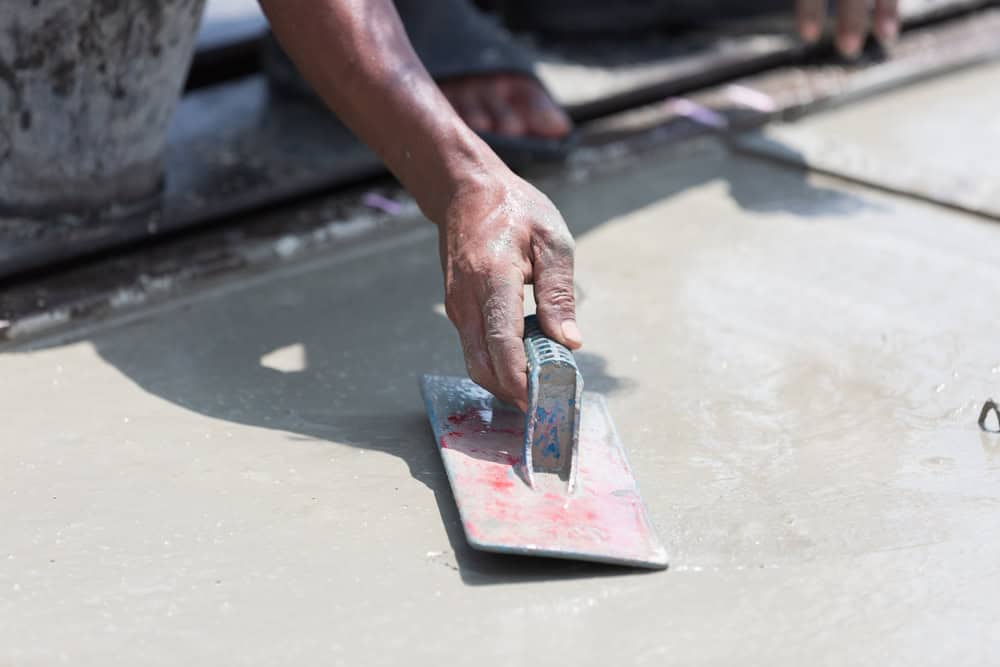
A person smoothing wet cement with a trowel. Their hand is steady as they work on the surface. The setting appears to be outdoors on a construction site.

Paver Patio Process Miller Place NY

The Right Way, Every Step
We start with an on-site consultation where we assess your space, drainage patterns, and soil conditions. No cookie-cutter estimates. Every Miller Place property has its own challenges. Excavation goes 8-10 inches deep – deeper if your soil conditions require it. We install proper base materials, not just sand and hope. Edge restraints go in to prevent shifting. Drainage gets planned before the first paver goes down. Installation follows manufacturer specifications and ICPI standards. We use consistent crews who know our quality expectations. When we’re done, you get a thorough cleanup and a patio that’s ready for Long Island weather from day one.
A worker in a gray shirt and cap kneels on a partially paved surface, carefully placing a brick into an arrangement. A trowel and a leveling tool lie on the sand beside him, and a rubber mallet is nearby.

Ready to get started?

Explore More Services

About Stone Escapes Masonry & Outdoor Design

Get a Free Consultation

Miller Place Paver Options

Materials That Work Here
Your paver patio includes complete site preparation, proper base installation, and professional paver placement. We handle excavation, drainage planning, and all edge restraints to keep everything stable long-term. You choose from concrete pavers, natural stone, and brick pavers. We’ll show you samples and explain how each performs in Miller Place’s climate. Pattern options range from simple running bond to complex herringbone or circular designs. Miller Place’s sandy soil and coastal location create specific challenges. We work around mature landscaping rather than destroying it. Your installation includes proper permits where required and thorough cleanup when finished. Quality installations here last 20-30 years when done right.
A pattern of interlocking gray concrete pavers, neatly arranged. Some pavers are stacked in piles of various heights, creating a visual texture. The blocks vary in size and shape, forming a symmetrical and geometric design.

How long does a paver patio installation take in Miller Place?

Most Miller Place paver patio installations take 3-5 days depending on size and complexity. Weather can extend timelines, especially during Long Island’s wet seasons. Day one involves excavation and base preparation. This is the most critical phase – rushing here causes problems later. Day two typically covers base material installation and compaction. Paver installation usually happens on days three and four, with final details and cleanup on the last day. Larger patios or those requiring extensive drainage work may take longer. We’ll give you a realistic timeline during your estimate and keep you updated if conditions change the schedule.
Sandy soil can actually be ideal for paver patios when handled correctly. The key is proper base preparation and understanding how sand behaves differently than clay soil. Sandy soil drains well naturally, which prevents many water-related problems. However, it can shift more easily than denser soils, so proper excavation depth and base materials become critical. We typically excavate deeper in sandy conditions and use specific base materials that lock together. Edge restraints are especially important in sandy soil to prevent lateral movement. When installed properly, paver patios in sandy soil often perform better long-term than those in clay because drainage issues are less common.
Most paver patios in Miller Place don’t require permits if they’re not attached to house structures and don’t involve electrical or plumbing work. However, larger patios or those affecting drainage patterns might need permits. Suffolk County and local Miller Place requirements can vary based on patio size, location, and proximity to property lines. Patios near septic systems or affecting natural drainage may trigger permit requirements even if they’re smaller. We’re familiar with local requirements and handle permit applications when necessary. It’s always better to check beforehand rather than deal with compliance issues later. Permit costs are included in our estimates when required.
Drainage planning starts during our initial site assessment. We look at natural water flow, existing drainage patterns, and how your property sheds water during heavy rains. Proper grading creates a gentle slope away from your house – typically 1/4 inch per foot minimum. We install drainage systems when needed, including French drains for properties with persistent water issues. Base materials are selected to promote drainage while maintaining stability. Miller Place’s coastal location and occasional heavy storms require drainage systems that can handle significant water volume. We design for worst-case scenarios, not just normal conditions. Poor drainage is the leading cause of paver failure, so we address it thoroughly upfront.
We excavate to proper depths – 8-10 inches minimum, deeper when soil conditions require it. Many contractors cut corners here because deeper excavation costs more, but it’s essential for long-term stability. Our base preparation follows manufacturer specifications, not shortcuts. We use engineered base materials and proper compaction techniques. Edge restraints go in every time to prevent lateral movement that causes paver shifting. Owner involvement means consistent quality control. Iain Traynor handles estimates personally and stays involved through completion. You’re not dealing with sales people who disappear after signing contracts or project managers who’ve never installed pavers themselves.
Properly installed paver patios typically last 20-30 years or more in Long Island’s climate. The key factors are base preparation, drainage, and material selection appropriate for our freeze-thaw cycles. Long Island’s coastal moisture and temperature fluctuations can be hard on hardscaping. Pavers that aren’t properly supported will shift during freeze-thaw cycles. Poor drainage accelerates deterioration and can cause structural problems. Quality materials and installation techniques designed for our specific climate conditions make the difference. We use manufacturer-certified installation methods and materials rated for northeastern weather. Proper maintenance – occasional cleaning and joint sand replacement – extends life even further.