
Patio Pavers in Lindenhurst, NY

Transform Your Outdoor Space with Professional Pavers

Durable, beautiful patio pavers that increase your home’s value and withstand Long Island weather year after year.

Worker using a yellow plate compactor on soil next to newly laid gray stone tiles. The setup shows the process of flooring with tiles on one side and compacted earth on the other. Worker visible from the waist down.

Hear from Our Customers

A person wearing yellow gloves is placing a gray paver on a partially completed paved area. Nearby are additional pavers, a black and yellow rubber mallet, and an orange tape measure. Sand is visible next to the paved section.

Professional Paver Installation Lindenhurst

What You Get with Quality Paver Installation

Your cracked concrete patio becomes a thing of the past. No more worrying about freeze-thaw damage or unsightly repairs that never quite match.

With professional paver installation, you get an outdoor space that actually adds value to your home. The kind of patio that makes neighbors ask who did the work. Stone pavers handle Long Island’s weather without the constant maintenance headaches of wood decking or the inevitable cracking of poured concrete.

You’ll have a surface that drains properly, stays level, and if a single paver ever gets damaged, you replace just that one piece. Not the entire patio. That’s the difference between doing it right and doing it cheap.

Lindenhurst Paver Contractors

Local Expertise You Can Count On

Stone Escapes Masonry & Outdoor Design Inc has been serving Lindenhurst and the surrounding Long Island area with professional paver installation and outdoor design services. We understand the unique challenges of Long Island’s soil conditions and weather patterns.

We focus on proper installation techniques that prevent the common problems homeowners face with cheaper paver jobs. Our team knows local building codes and has the experience to handle everything from simple patio installations to complex outdoor living spaces.

When you work with Stone Escapes, you’re working with contractors who show up when we say we will and communicate clearly throughout the project.
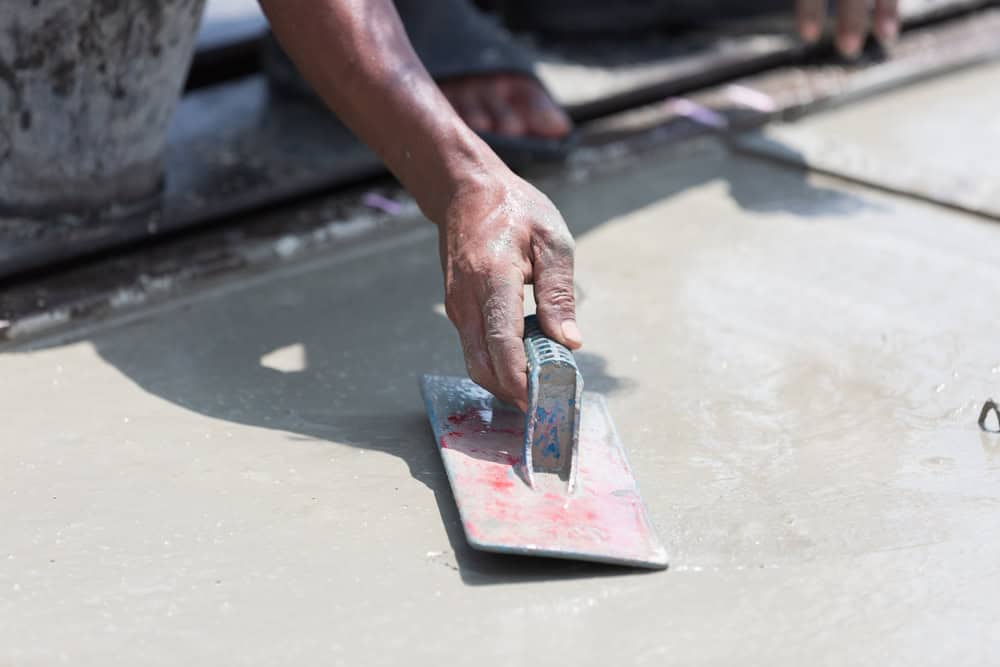
A person smoothing wet cement with a trowel. Their hand is steady as they work on the surface. The setting appears to be outdoors on a construction site.

Paver Installation Process

How Professional Paver Installation Actually Works

First, we evaluate your space and discuss design options that work with your home and budget. No high-pressure sales tactics, just honest recommendations based on what will work best for your specific situation.

Next comes proper excavation and base preparation. This is where cheap contractors cut corners, but it’s the foundation of a paver installation that lasts. The base gets compacted properly, and proper grading ensures water drains away from your home.

Then the pavers go in with precise spacing and leveling. Edge restraints keep everything locked in place, and the final sand sweep locks the pavers together. The result is a surface that looks great and performs even better.

A worker in a gray shirt and cap kneels on a partially paved surface, carefully placing a brick into an arrangement. A trowel and a leveling tool lie on the sand beside him, and a rubber mallet is nearby.

Ready to get started?

Explore More Services

About Stone Escapes Masonry & Outdoor Design

Get a Free Consultation

Patio Paving Services Lindenhurst

What's Included in Professional Paver Installation

Your paver installation includes proper excavation to the correct depth for Long Island’s frost line requirements. The base preparation uses the right materials and compaction techniques to prevent settling and shifting over time.

Stone Escapes handles all the details that matter: proper grading for drainage, quality edge restraints that actually hold up, and precise installation that creates clean lines and even surfaces. We work with various paver materials and can match designs to complement your home’s architecture.

The installation includes cleanup and a walkthrough to ensure everything meets our standards before considering the job complete. This isn’t a rush job where corners get cut to move on to the next project.

A pattern of interlocking gray concrete pavers, neatly arranged. Some pavers are stacked in piles of various heights, creating a visual texture. The blocks vary in size and shape, forming a symmetrical and geometric design.

How long do patio pavers last in Long Island weather?

Quality pavers installed with proper base preparation typically last 25-30 years or more in Long Island’s climate. The key is using pavers rated for freeze-thaw cycles and ensuring proper drainage. Unlike concrete that cracks from ground movement, individual pavers can shift slightly without damage. The installation method matters more than the pavers themselves – proper excavation depth, base material, and compaction prevent most long-term problems. Cheap installations often fail within 5-10 years due to inadequate base preparation.
Concrete patios require periodic sealing and crack repair, and when they fail, you typically need to replace large sections or the entire patio. Paver patios need occasional re-sanding of joints and can be power washed, but individual damaged pavers can be replaced without affecting the rest of the installation. In Long Island’s freeze-thaw climate, concrete almost always develops cracks within a few years. Pavers handle ground movement much better because they’re not one solid piece trying to resist natural soil movement.
Professional paver installation typically costs 20-40% more upfront than basic concrete, but the long-term value is usually better. When you factor in concrete’s need for regular repairs, sealing, and eventual replacement, pavers often cost less over their lifetime. More importantly, pavers add more resale value to your home than concrete. The exact cost depends on paver selection, site conditions, and design complexity. Getting multiple quotes helps, but remember that extremely low bids usually mean corners will be cut on base preparation.
Most basic patio paver installations don’t require permits in Lindenhurst, but larger projects or those involving drainage changes might. If you’re adding retaining walls over a certain height or significantly changing drainage patterns, permits may be required. Professional contractors familiar with local codes can advise what’s needed for your specific project. It’s always better to check with the building department beforehand rather than deal with issues later. Some homeowner associations also have requirements for outdoor improvements.
Minor settling is normal in the first few months as the base fully compacts, but significant shifting usually indicates inadequate base preparation. Professional installations include proper excavation depth, quality base materials, and thorough compaction to minimize settling. If shifting occurs, individual pavers can be lifted, the base corrected, and pavers reinstalled without replacing the entire patio. This is a major advantage over concrete, where settling creates permanent problems. Quality contractors warranty their installation work to address any settling issues.
Paver installation is best done when ground conditions allow proper excavation and base compaction, typically spring through fall. Winter installations are possible during mild periods, but frozen ground makes proper excavation difficult. Rain and wet conditions also affect base preparation quality. Most professional contractors schedule paver work for optimal weather conditions to ensure proper installation. Planning your project for spring or early fall usually provides the best weather window and contractor availability for quality work.