
Patio Pavers in Huntington, NY

Transform Your Backyard Into Entertainment Central

Professional paver installation that creates the outdoor space you’ve been dreaming about.

Worker using a yellow plate compactor on soil next to newly laid gray stone tiles. The setup shows the process of flooring with tiles on one side and compacted earth on the other. Worker visible from the waist down.

Hear from Our Customers

A person wearing yellow gloves is placing a gray paver on a partially completed paved area. Nearby are additional pavers, a black and yellow rubber mallet, and an orange tape measure. Sand is visible next to the paved section.

Professional Paver Installation Services

What You Get With Quality Paver Work

Your backyard becomes the place everyone wants to gather. No more avoiding that cracked concrete slab or dealing with puddles after every rainstorm.

You get a level, stable surface that handles Long Island’s tough winters without cracking or shifting. The kind of patio that actually adds value to your home instead of becoming another maintenance headache.

Most importantly, you get outdoor space that works for your family. Whether that’s weekend barbecues, morning coffee, or just having a place where the kids can play safely.

Huntington Paver Contractors

Local Masonry Experts You Can Trust

We’ve been transforming Long Island backyards for years at Stone Escapes Masonry & Outdoor Design. We understand how harsh winters and clay soil affect paver installations.

Every project starts with proper base preparation because we know shortcuts lead to callbacks. Our team is licensed, insured, and familiar with local building codes.

We live and work in this community. Your neighbors are our neighbors, and our reputation depends on doing the job right the first time.
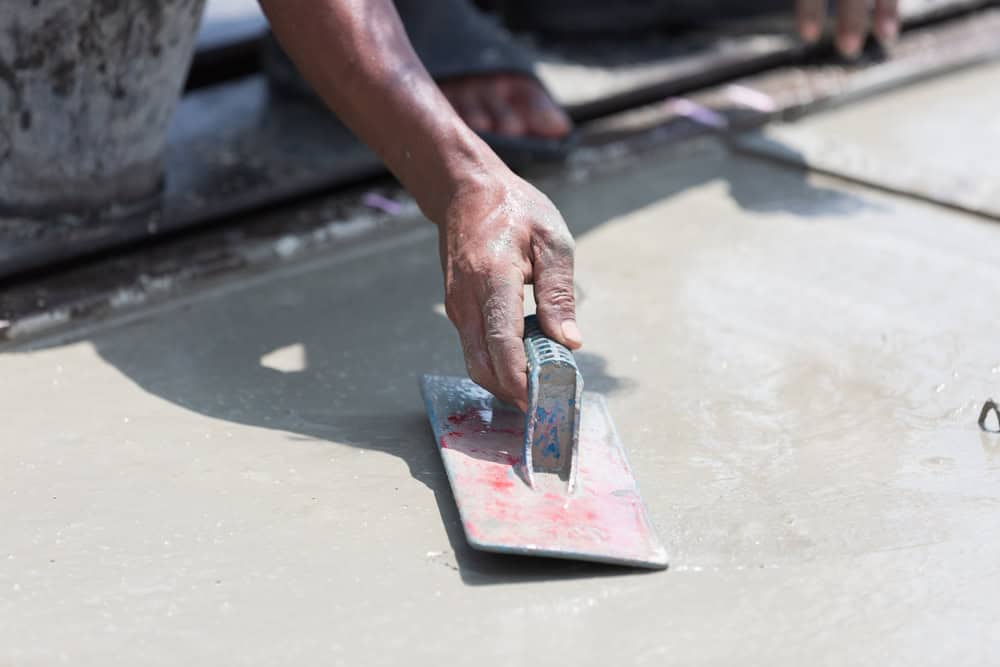
A person smoothing wet cement with a trowel. Their hand is steady as they work on the surface. The setting appears to be outdoors on a construction site.

Paver Patio Installation Process

How We Build Patios That Last

First, we excavate to the proper depth and grade for drainage. This isn’t negotiable – poor base prep is why most paver jobs fail within a few years.

Next comes the base layer of crushed stone, compacted in lifts to create a stable foundation. Then we add sand leveling course and begin laying pavers according to your chosen pattern.

Finally, we sweep polymeric sand into the joints and compact everything one final time. The result is a patio that looks great and handles whatever weather Long Island throws at it.

A worker in a gray shirt and cap kneels on a partially paved surface, carefully placing a brick into an arrangement. A trowel and a leveling tool lie on the sand beside him, and a rubber mallet is nearby.

Ready to get started?

Explore More Services

About Stone Escapes Masonry & Outdoor Design

Get a Free Consultation

Paver Patio Design Options

Materials and Styles That Work Here

We work with concrete pavers, natural stone, and brick – all tested to handle freeze-thaw cycles. Popular choices include Cambridge, Belgard, and Unilock systems that come with manufacturer warranties.

Design options range from simple running bond patterns to complex herringbone and circular layouts. We can match existing hardscaping or create something completely new.

Every project includes proper edge restraints and drainage planning. Many Huntington homes sit on clay soil that holds water, so we build slight slopes and sometimes add drainage systems to keep water moving away from your foundation.

A pattern of interlocking gray concrete pavers, neatly arranged. Some pavers are stacked in piles of various heights, creating a visual texture. The blocks vary in size and shape, forming a symmetrical and geometric design.

How long do paver patios last on Long Island?

A properly installed paver patio should last 20-30 years or more, even with our harsh winters. The key is proper base preparation and using pavers rated for freeze-thaw conditions. Concrete pavers and natural stone both handle temperature changes better than poured concrete, which is why you see so many cracked concrete patios around here. Quality installation with the right materials means you’re making a one-time investment, not signing up for ongoing repairs.
Spring through fall works best for paver installation, roughly April through November. We avoid winter work because frozen ground makes proper excavation difficult, and materials don’t compact properly in cold weather. Summer installations are popular, but spring and fall often offer better scheduling flexibility. The installation process typically takes 3-5 days depending on size and complexity, and you can use the patio immediately after completion – no waiting for concrete to cure.
Most paver patios don’t require permits in Huntington, but there are exceptions. If you’re building close to property lines, adding drainage systems, or creating large elevated surfaces, permits might be needed. We handle permit applications when required and always check local codes before starting work. It’s better to ask upfront than deal with compliance issues later. The town building department can provide specific guidance for your property, and we’re familiar with their requirements.
Paver patios are surprisingly low-maintenance compared to other options. Annual maintenance typically involves sweeping, occasional power washing, and reapplying polymeric sand every few years. Weeds can grow between pavers if the sand washes out, but proper installation and quality polymeric sand minimize this issue. Individual pavers can be replaced if damaged, which is impossible with concrete slabs. Most homeowners find that seasonal cleaning and occasional sand touch-ups keep their patio looking great for decades.
The difference is in the foundation work that you can’t see. DIY installations often skip proper excavation depth, base compaction, and edge restraints – the things that prevent settling and shifting over time. We excavate 8-12 inches deep depending on soil conditions, compact base material in lifts, and install proper edge restraints that won’t shift. Professional-grade equipment like plate compactors and laser levels ensures everything is perfectly level and stable. DIY kits work for small walkways, but patios need professional foundation work to last.
Drainage planning starts during the design phase, especially important here because many Long Island properties have clay soil that doesn’t drain well. We create subtle slopes (usually 1/4 inch per foot) to direct water away from your house and toward appropriate drainage areas. Sometimes we install French drains or catch basins if your property has significant drainage challenges. Proper base preparation also includes drainage considerations – the crushed stone base allows water to percolate through rather than pooling on the surface. Good drainage prevents frost heaving and extends the life of your patio.